The network for creativity
Join 1.25M professional creatives like you
Connect with clients, get discovered, and run your business 100% commission-free
Creatives on Contra have earned over $150M and we are just getting started
Back to feedPost


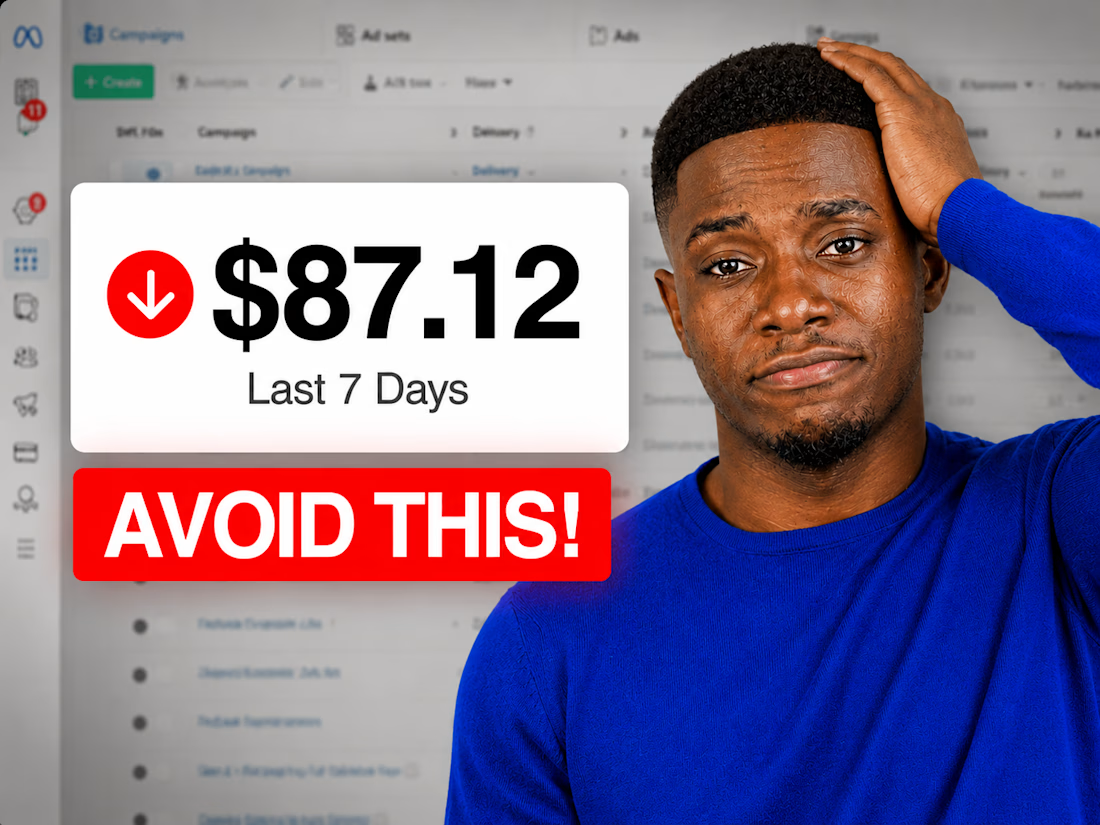
This is not about a targeting fix or a bidding hack, it's about something a lot of advertisers refuse to consider. Let me tell you about a client I took on.
This business had ads that used to work really well. Solid return on ad spend, consistent sales, all built around one product, a bestseller that was great for bringing in new customers. Then slowly, over time, results just... died. Not overnight. Just a steady decline until they were unprofitable across the board.
The obvious answer would be "ad fatigue, right? Just refresh the creative." Except they'd already done that. New ads, new angles, tested regularly. Still declining. So something else was going on.
Here's what I found when I actually dug in: the reviews for that hero product weren't great. Not terrible, just... "fine." "A bit disappointing." "There are better alternatives." And they had direct competitors selling something very similar, with better reviews. That gap was quietly killing their ability to acquire customers, no matter how good the ad creative was.
So here's the uncomfortable truth in this: your ads don't operate in a vacuum. People don't just click and buy blindly anymore. They check reviews, they ask a friend, increasingly they'll even ask ChatGPT "is this actually good, or is there something better?" And your ad is only as strong as what happens when someone goes looking for a second opinion.
There's also a compounding effect most people don't think about, negative word of mouth spreads faster and harder than positive word of mouth. One bad experience gets told to friends, who tell their friends. It snowballs quietly in the background while you're staring at your ad account trying to figure out why performance dropped.
The real question isn't "is my product good?" It's "is my product better than the alternative someone can find in 30 seconds of searching?" That's the actual bar.
So what do you actually do if this is happening to you?
→ Go straight to your reviews; the bad ones AND the good ones. Bad reviews tell you exactly what to fix. Good reviews tell you what to lean into and emphasize more.
→ Don't scale spend on a product with mediocre feedback. It just accelerates the negative word of mouth. Fix the product experience first, then pour fuel on it.
→ If one part of your range has strong reviews and another doesn't, consider shifting your ad budget toward what's actually earning trust, rather than what's just good at grabbing initial attention.
In this case, the fix wasn't a new campaign structure or a smarter bid strategy. It was telling the client to stop aggressively pushing the one product with weak reviews and shift toward products people were actually raving about. Painful short-term call. Completely turned the account around.
Sometimes the biggest lever in your ad account isn't in your ad account at all.
Follow along, more real breakdowns like this coming. 👀


The network for creativity
Join 1.25M professional creatives like you
Connect with clients, get discovered, and run your business 100% commission-free
Creatives on Contra have earned over $150M and we are just getting started







Related posts

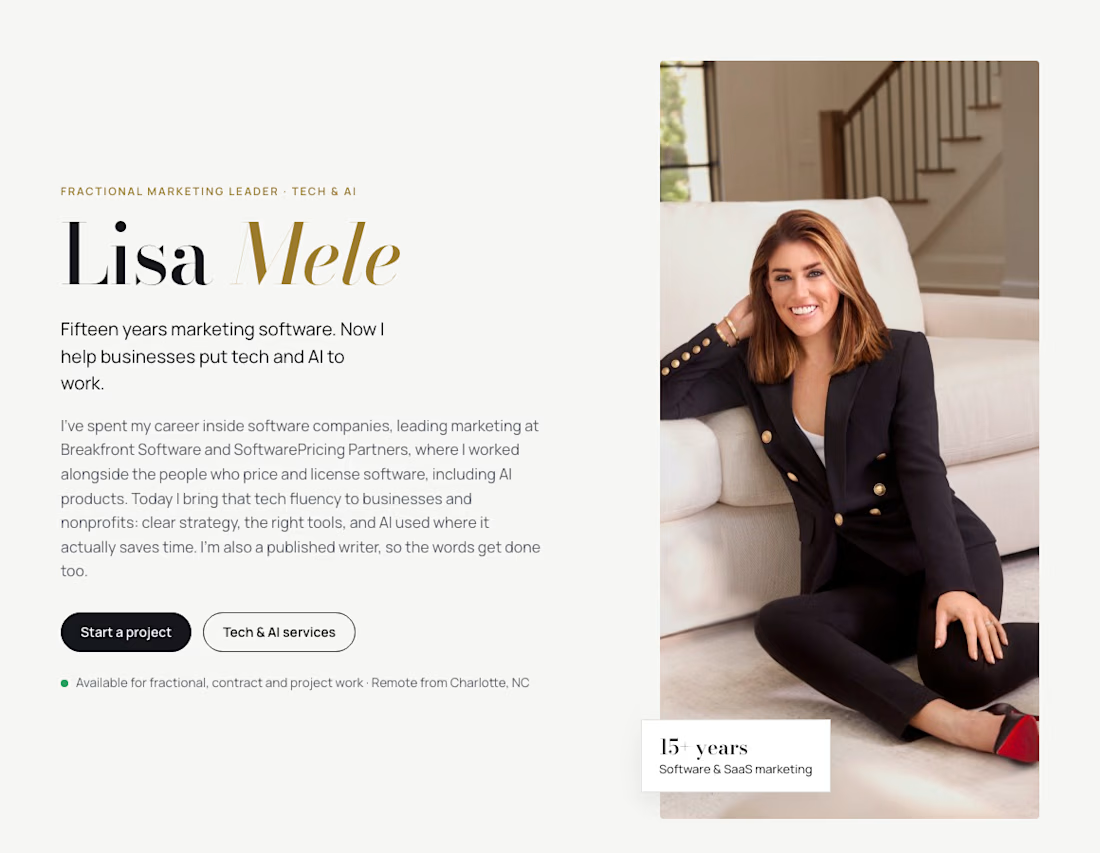
Hi Contra! 👋 I'm Lisa, a marketing strategist and writer.
I spent 15+ years leading marketing in tech. Most recently that was at SoftwarePricing Partners, a consultancy that advises software and AI companies, where I built the brand and thought leadership program and grew inbound pipeline 70%. Before that, I was one of HubSpot's first 50 customers.
That background shapes how I approach every client: clear strategy, real data, and an early read on where marketing is heading, especially AI search.
Now I bring that to businesses of all kinds: brand and messaging, content, email, SEO, and making sure customers (and AI tools) can find you. And because I'm also a published feature writer, the words get done too.
Open to new clients. Say hi!



15 years in tech marketing is a long run. whats next for you?

I help businesses reach the right audience through strategic Meta Ads, targeted campaigns, and performance optimization. From campaign setup and audience research to lead generation and retargeting, I focus on helping brands increase visibility, attract potential customers, and make better use of their ad budgets.
Whether you're a startup, small business, or established brand, I can help you build a Meta advertising strategy aligned with your goals.



"Great breakdown! Local targeting truly makes all the difference for small businesses.

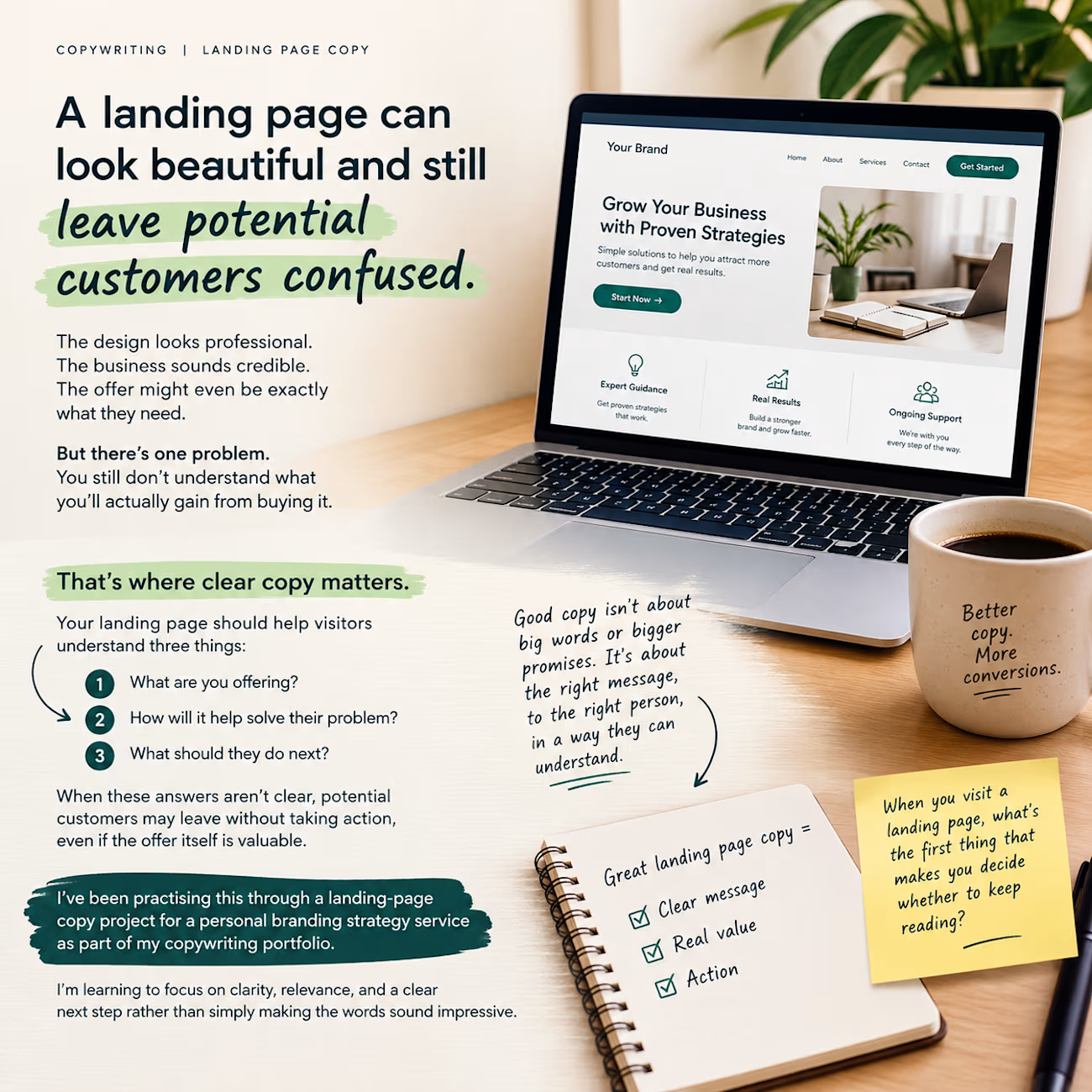
A landing page can look beautiful and still leave potential customers confused.
Imagine visiting a page for a service you’re interested in.
The design looks professional.
The business sounds credible.
The offer might even be exactly what you need.
But there’s one problem.
You still don’t understand what you’ll actually gain from buying it.
That’s where clear copy matters.
Your landing page should help visitors understand three things:
→ What are you offering?
→ How will it help solve their problem?
→ What should they do next?
When these answers aren’t clear, potential customers may leave without taking action, even if the offer itself is valuable.
Good copy isn’t about using complicated words or making bigger promises.
It’s about communicating the right message to the right person in a way they can understand.
I’ve been practising this through a landing page copy project for a personal branding strategy service as part of my copywriting portfolio.
I’m learning to focus on clarity, relevance, and a clear next step rather than simply making the words sound impressive.
When you visit a landing page, what’s the first thing that makes you decide whether to keep reading?


Absolutely. A landing page can look polished and still lose potential customers if the value isn’t clear.
I believe good copy doesn’t just explain what a product does — it helps people understand why it matters to them and what makes it worth choosing.
Curious to hear your take:...