The network for creativity
Join 1.25M professional creatives like you
Connect with clients, get discovered, and run your business 100% commission-free
Creatives on Contra have earned over $150M and we are just getting started
Back to feedPost

➡️DTC Abandoned Cart Email Sequence: Turning Buyer Hesitation into Purchase Confidence
➡️A buyer psychology email copywriting sample for ecommerce abandoned cart flows, retention marketing, and conversion recovery.
➡️Project Type: Concept Portfolio Project, DTC Email Copywriting, Ecommerce Conversion Strategy, Abandoned Cart Flow
➡️Services: Email Copywriting, Abandoned Cart Sequence, Retention Messaging, Buyer Psychology, Conversion Storytelling
➡️Methods: ADS™ Active Doubt Strike, SDS™ Silent Doubt Surfacing, DARES™ Desire Formation, Buyer Hesitation Mapping, Email Funnel Strategy
➡️Project Note: This is a self-initiated concept project created to demonstrate QUASAR Signal’s abandoned cart email copywriting and buyer psychology process. It does not represent a live client campaign or claim performance results.
➡️The Brief
Imagine a premium DTC sleepwear brand selling a soft, elevated lounge set for women who want their evenings to feel calmer, more comfortable, and more intentional.
The product is visually strong.
The fabric feels premium.
The PDP creates desire.
The buyer adds the product to cart.
Then they leave.
Most brands treat this moment like forgetfulness.
They send:
“Your cart is waiting.”
“Still interested?”
“Complete your purchase.”
“Here’s 10% off.”
But many buyers do not abandon the cart because they forgot.
They abandon because the decision still feels unfinished.
The goal of this abandoned cart sequence was to write emails that do more than remind the buyer.
The goal was to help the buyer move through hesitation, rebuild desire, justify the purchase, and feel confident enough to choose.
➡️The Core Conversion Problem
An abandoned cart is not always a dead sale.
Sometimes it is a paused decision.
The buyer may still want the product.
But something inside the purchase did not feel complete.
They may be thinking:
“Do I really need this?”
“Is it worth the price?”
“Should I wait for a sale?”
“Will the fabric actually feel premium?”
“What if the fit is wrong?”
“Am I buying this emotionally?”
Those doubts are not always loud.
But they are strong enough to stop action.
This is why abandoned cart email copy should not only create urgency.
It should understand the hesitation behind the pause.
➡️The Strategic Shift
From Cart Reminder to Decision Recovery
Instead of writing the sequence around the cart, this flow is written around the buyer’s state of mind.
The product is already interesting.
The buyer already moved close to action.
Now the copy has to answer:
What made them pause?
What did they want when they added it to cart?
What doubt interrupted the decision?
What proof or reassurance would help them feel safe?
What emotional reason can reconnect them to the product?
The sequence is built to move the buyer from:
Paused interest → renewed desire → practical confidence → final choice
➡️Frameworks Applied
This project uses three QUASAR Signal systems.
1️⃣SDS™ — Silent Doubt Surfacing
SDS™ is used in the first emails to reflect the buyer’s quieter hesitation.
The tone is calm, premium, and non-pushy.
Instead of saying:
“You forgot your cart.”
The copy speaks to the real emotional reason behind the product:
“You were looking for comfort for a reason.”
SDS™ helps the brand feel understanding instead of desperate.
2️⃣DARES™ — Desire Formation
DARES™ structures the sequence across the full decision journey:
Discovery → Attraction → Resonance → Evaluation → Selection
The buyer has already discovered the product and felt attraction.
The abandoned cart flow rebuilds:
Resonance — Why this product fits the buyer’s life
Evaluation — Why the product is worth trusting
Selection — Why now feels like a natural time to choose
3️⃣ADS™ — Active Doubt Strike
ADS™ is used later in the sequence when the buyer may be rationalizing delay.
The tone becomes sharper without feeling cheap or aggressive.
It surfaces the excuse:
“I’ll think about it later.”
Then reframes the cost:
“Later often means continuing the same evening routine you were trying to improve.”
ADS™ creates movement when the buyer is stuck in passive delay.
➡️Target Buyer
This sequence is written for buyers who want comfort, softness, and calm, but may hesitate around premium pricing.
They are not just buying sleepwear.
They are buying:
A better evening ritual
A softer transition out of the day
A more elevated version of rest
A product that makes home feel more considered
Permission to invest in comfort without feeling guilty
The emotional purchase driver is not only style.
It is recovery.
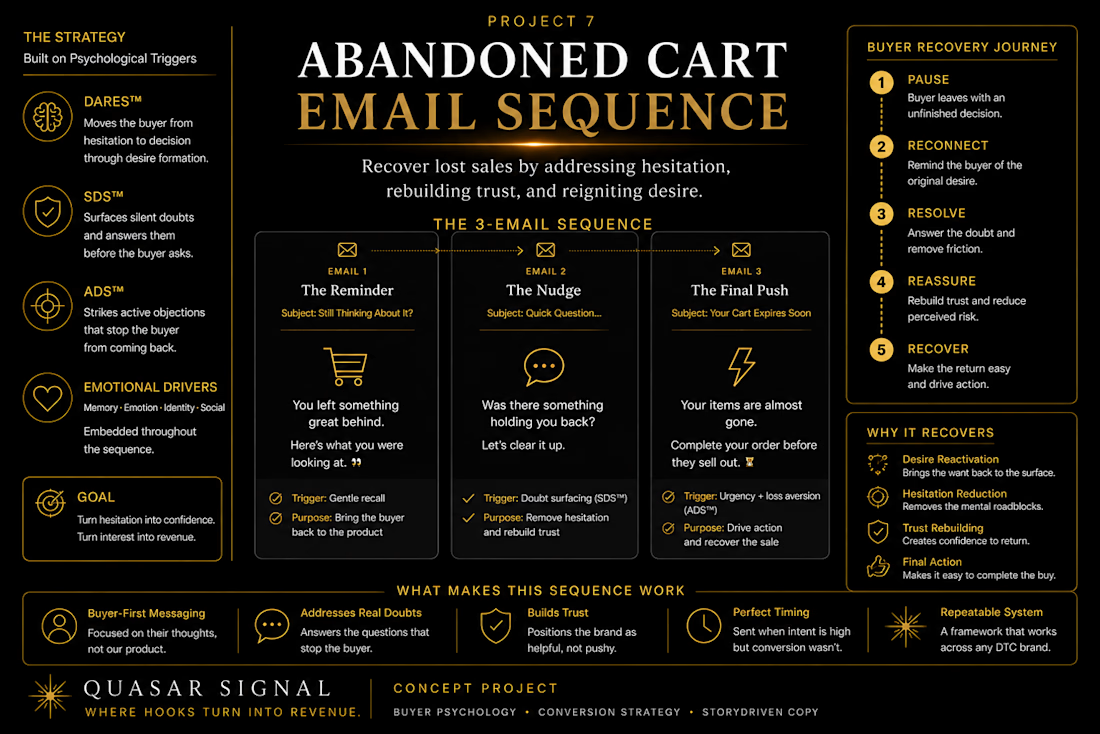
➡️Sequence Overview
Email 1 — Soft Reminder
Timing: 1–2 hours after cart abandonment
Framework: SDS™
Goal: Reflect the buyer’s original desire without pressure
Email 2 — Desire Rebuild
Timing: 12–24 hours after abandonment
Framework: DARES™
Goal: Reconnect the product to identity, ritual, and emotional outcome
Email 3 — Active Doubt
Timing: 24–36 hours after abandonment
Framework: ADS™
Goal: Challenge passive delay and make waiting feel less neutral
Email 4 — Trust & Reassurance
Timing: 48 hours after abandonment
Framework: DARES™ + SDS™
Goal: Resolve fit, fabric, quality, shipping, and return concerns
Email 5 — Final Choice
Timing: 72 hours after abandonment
Framework: Selection stage of DARES™
Goal: Create a calm final nudge without sounding desperate
➡️Email 1: The Soft Reminder
Subject Line Options
Still thinking about softer evenings?
Your cart was holding something softer.
You left comfort waiting.
Preview Text
A quiet reminder about the lounge set you were considering.
Email Body
You were looking at this set for a reason.
Maybe it was the fabric.
Maybe it was the fit.
Maybe it was the idea of ending the day in something that feels softer than the day itself.
Your lounge set is still in your cart.
No pressure.
Just a small reminder in case you were still thinking about making your evenings feel a little more considered.
CTA: Return to Your Cart
➡️Why Email 1 Works
Most abandoned cart emails make the buyer feel chased.
This one makes the buyer feel understood.
It does not assume they forgot.
It assumes they paused.
That difference matters because premium buyers often resist aggressive sales language.
The copy quietly reconnects the product to the emotional reason they were interested in the first place.
➡️Email 2: The Desire Rebuild
Subject Line Options
Rest should feel like something you enter.
The evening version of you deserves better.
Not just sleepwear. A softer signal.
Preview Text
For the moment your day finally lets go of you.
Email Body
There is a moment in the evening when the day is technically over, but your body has not fully caught up yet.
The laptop closes.
The lights feel softer.
The room gets quieter.
And you start looking for something that helps you feel like you are finally allowed to slow down.
That is the role this lounge set was designed to play.
Not loud.
Not overdone.
Not trying to turn rest into another performance.
Just soft, elevated comfort that makes the transition from day to night feel more intentional.
Because what you wear at home still shapes how you feel inside it.
CTA: Choose Your Set
➡️Why Email 2 Works
This email rebuilds desire through scenario and identity.
It does not talk about the product first.
It places the buyer inside the evening moment where the product becomes relevant.
The lounge set becomes more than clothing.
It becomes part of a daily transition from pressure to recovery.
Email 3: The Active Doubt Email
Subject Line Options
“Later” usually means the same routine.
If you were waiting for a sign, this is softer than one.
Comfort does not upgrade itself.
Preview Text
The routine you keep tolerating will probably be there tomorrow too.
Email Body
It is easy to leave something in the cart and call it thinking.
But sometimes “I’ll decide later” just means returning to the same small discomfort you were already trying to replace.
The old, oversized tee.
The stretched-out set.
The fabric that feels fine, but never really good.
The evening routine that works but does not feel cared for.
You do not need a dramatic reason to choose something softer.
Sometimes the reason is simple:
You are allowed to make the part of the day no one sees feel better too.
Your lounge set is still waiting.
CTA: Upgrade Your Evening
➡️Why Email 3 Works
This is where ADS™ enters.
The email surfaces the buyer’s delay and makes the status quo feel less neutral.
It does not shame the buyer.
It simply makes the hidden cost of waiting visible.
The copy turns procrastination into a choice:
Keep the same evening routine or upgrade the part of the day that should help you recover.
➡️Email 4: Trust & Reassurance
Subject Line Options
A few details before you decide.
About the fabric, fit, and feel.
Still deciding? Start here.
Preview Text
Everything you may want to know before choosing your set.
Email Body
If you are still deciding, that makes sense.
Premium comfort should feel worth it before it reaches your drawer.
Here are the details that matter:
Fabric feel
Soft against the skin, breathable enough for slow evenings, and designed to feel elevated without feeling delicate.
Fit
Relaxed without looking shapeless.
Made for movement, lounging, and settling into the evening without feeling restricted.
Care
Easy to wash, easy to wear, and built for regular use — not just special weekends.
Choosing your size
Check the fit guide before ordering. If you are between sizes, choose the fit that matches how you like to lounge: closer and cleaner, or softer and more relaxed.
Returns
If the fit is not right, you can exchange or return it within the return window.
The goal is simple:
Comfort that feels considered before you buy — and even better when it arrives.
CTA: Review Your Set
➡️Why Email 4 Works
This email supports the Evaluation stage.
By this point, the buyer may still want the product but need practical confidence.
The email answers the likely decision questions:
Will it feel good?
Will it fit?
Will it be easy to care for?
What if I choose wrong?
This turns uncertainty into clarity.
➡️Email 5: The Final Choice
Subject Line Options
Last call for your softer evening.
Your cart closes soon.
Still want this set?
Preview Text
A final reminder before your selected set leaves your cart.
Email Body
Your selected lounge set is still in your cart, but it will not be held much longer.
A small note before it goes:
This is not about needing more clothes.
It is about choosing the pieces that make the quiet parts of your day feel better.
The ones you reach for after long hours.
The ones that make home feel softer.
The ones that remind your body the day is allowed to end.
If that is what you were looking for, your set is ready.
CTA: Complete Your Order
➡️Why Email 5 Works
The final email creates urgency without cheapening the brand.
It does not rely only on discounting.
It reminds the buyer what they were really choosing:
A softer evening.
A better transition.
A more intentional version of rest.
The CTA feels natural because the desire and reassurance have already been rebuilt.
➡️Flow Logic
Email 1
Reflect the pause.
Email 2
Rebuild emotional desire.
Email 3
Challenge passive delay.
Email 4
Resolve practical concerns.
Email 5
Create a calm final decision point.
This sequence does not treat abandoned cart recovery as one repeated reminder.
It treats it as a buyer psychology progression.
➡️Optional SMS Adaptations
SMS 1
Still thinking about your lounge set? It is waiting in your cart if you want to return to it. No pressure — just softer evenings.
SMS 2
Your cart is still open. Choose the set designed to make the end of the day feel calmer, softer, and more considered.
SMS 3
Final reminder: your selected lounge set will not stay in cart much longer. Complete your order when you are ready.
➡️PDP Microcopy Adaptations
Cart Reminder Line
You chose this for a softer reason.
Checkout Reassurance
Easy returns if the fit is not right.
Size Guide Prompt
Choose the fit that matches how you like to unwind.
Shipping Microcopy
Ships quickly, so your next slow evening feels closer.
➡️What This Project Demonstrates
This concept project shows how QUASAR Signal writes abandoned cart email sequences around buyer psychology, not generic reminders.
The work starts by asking:
“What made the buyer add this to cart?”
“What doubt made them leave?”
“What desire needs to be rebuilt?”
“What practical reassurance is missing?”
“What tone protects the brand while still moving the buyer forward?”
Then the copy turns those answers into a complete email flow that supports desire, trust, confidence, and action.
➡️Client Takeaway
Abandoned cart email copy should not only remind the buyer that something was left behind.
It should help complete the decision.
The strongest abandoned cart flows understand that buyers do not always need a discount.
Sometimes they need:
The desire reactivated
The hesitation named
The risk reduced
The value clarified
The next step made easier
QUASAR Signal uses buyer psychology to turn abandoned cart emails into conversion recovery systems that feel human, brand-safe, and strategically built around the real reason buyers pause.
Because the cart is not always abandoned.
Sometimes the decision is simply unfinished.
QUASAR Signal
Buyer Psychology & Conversion Storytelling for DTC Brands.
Where hooks turn into revenue.


The network for creativity
Join 1.25M professional creatives like you
Connect with clients, get discovered, and run your business 100% commission-free
Creatives on Contra have earned over $150M and we are just getting started
Challenges
View all


Related posts


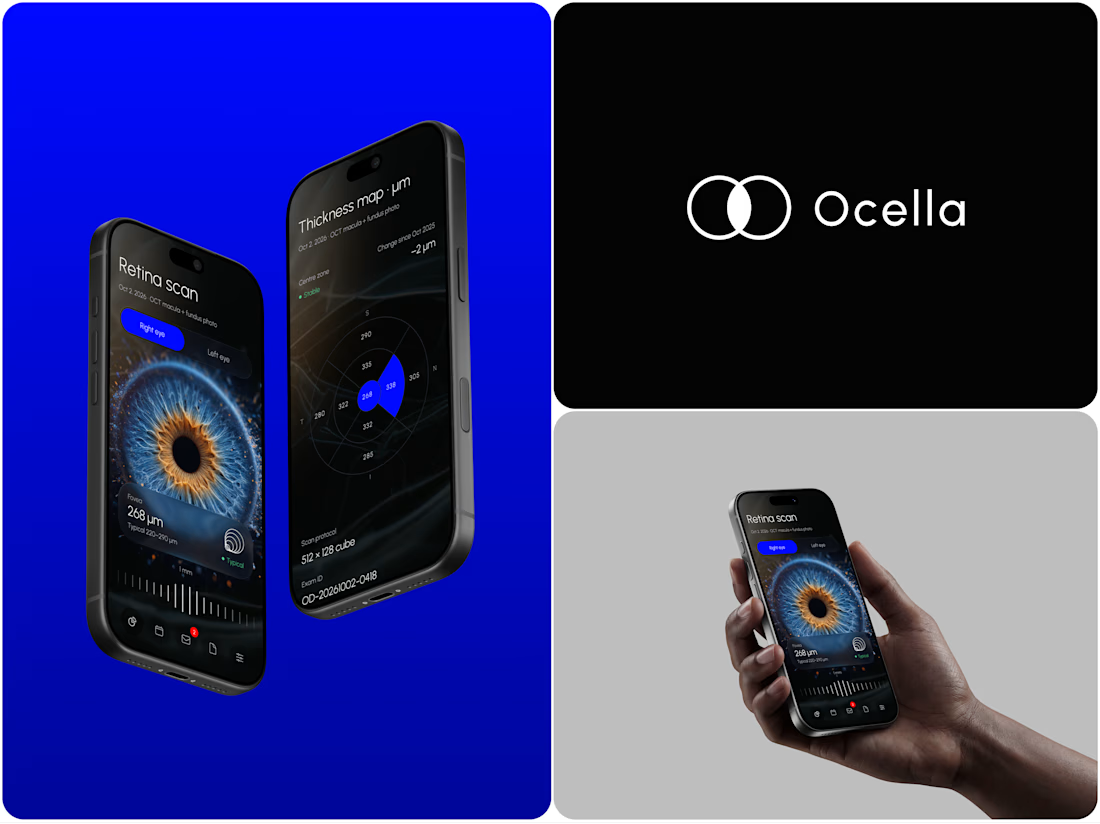
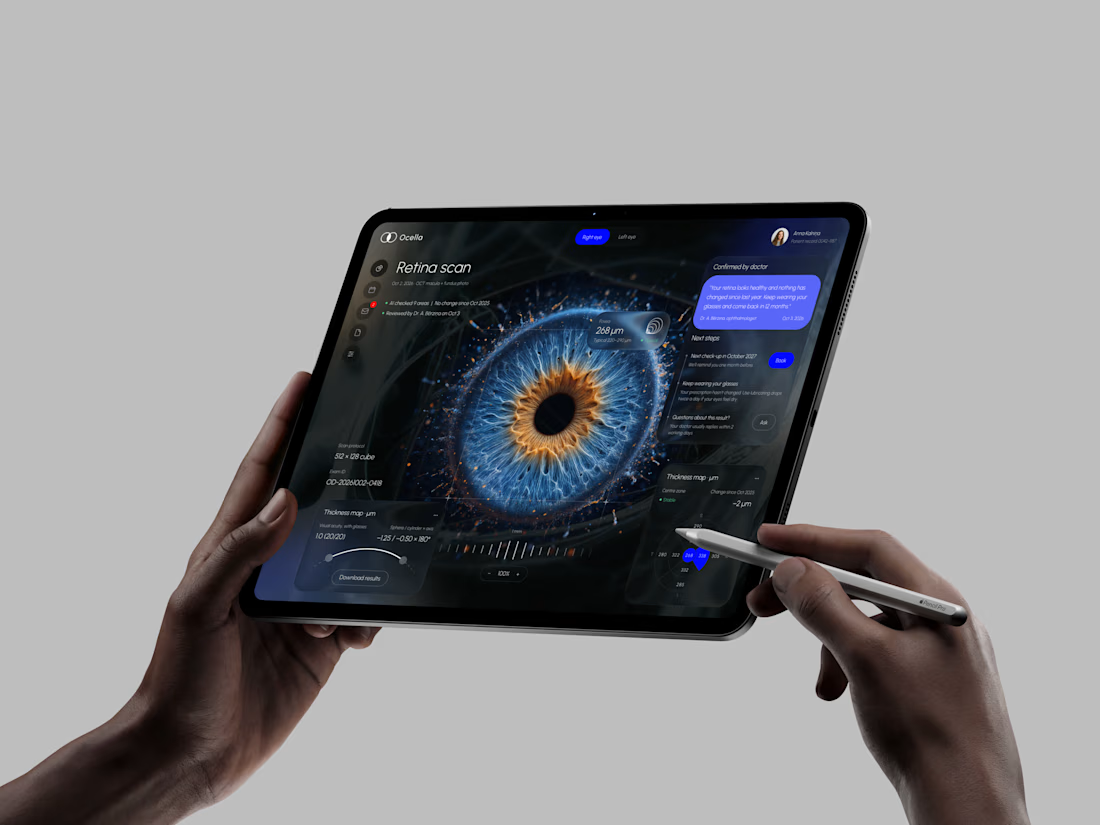
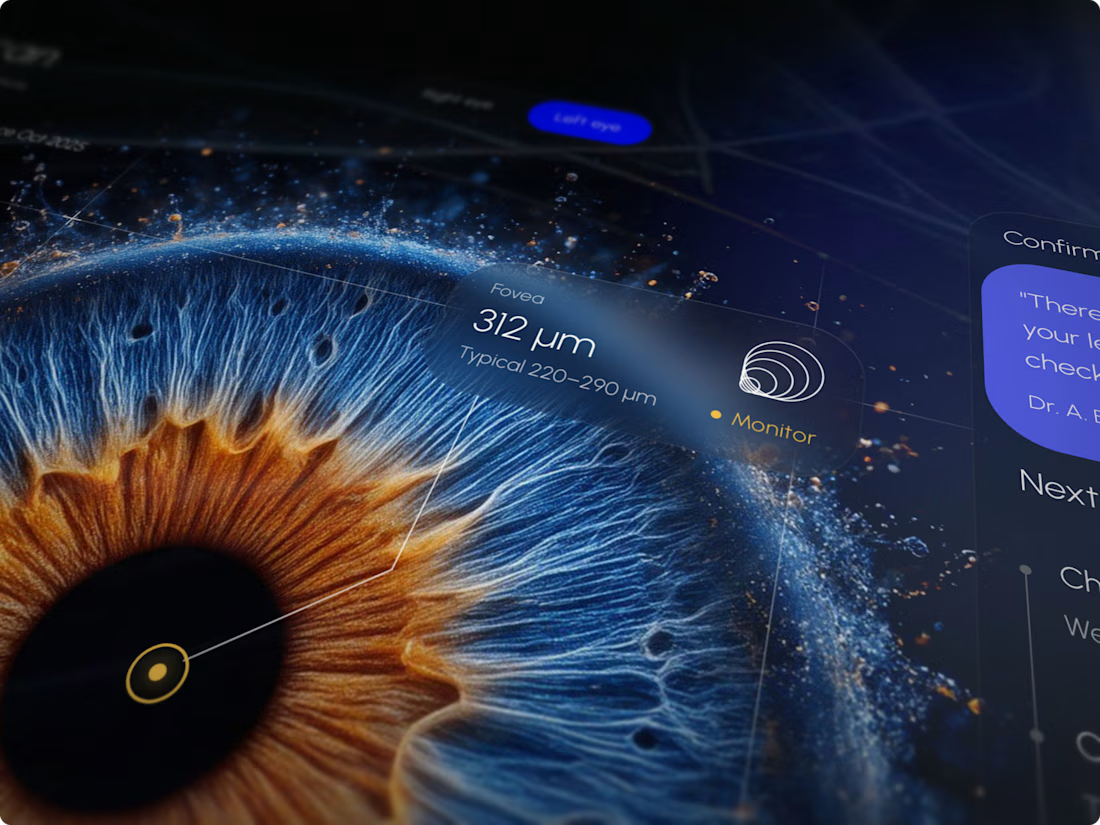
Ocella Eye Exam Results Portal
Clear results build trust. Patients know what their exam means and what to do next, and doctors spend less time explaining the same numbers.



I never see design like this before thats unique 🎉🎉🔥🔥

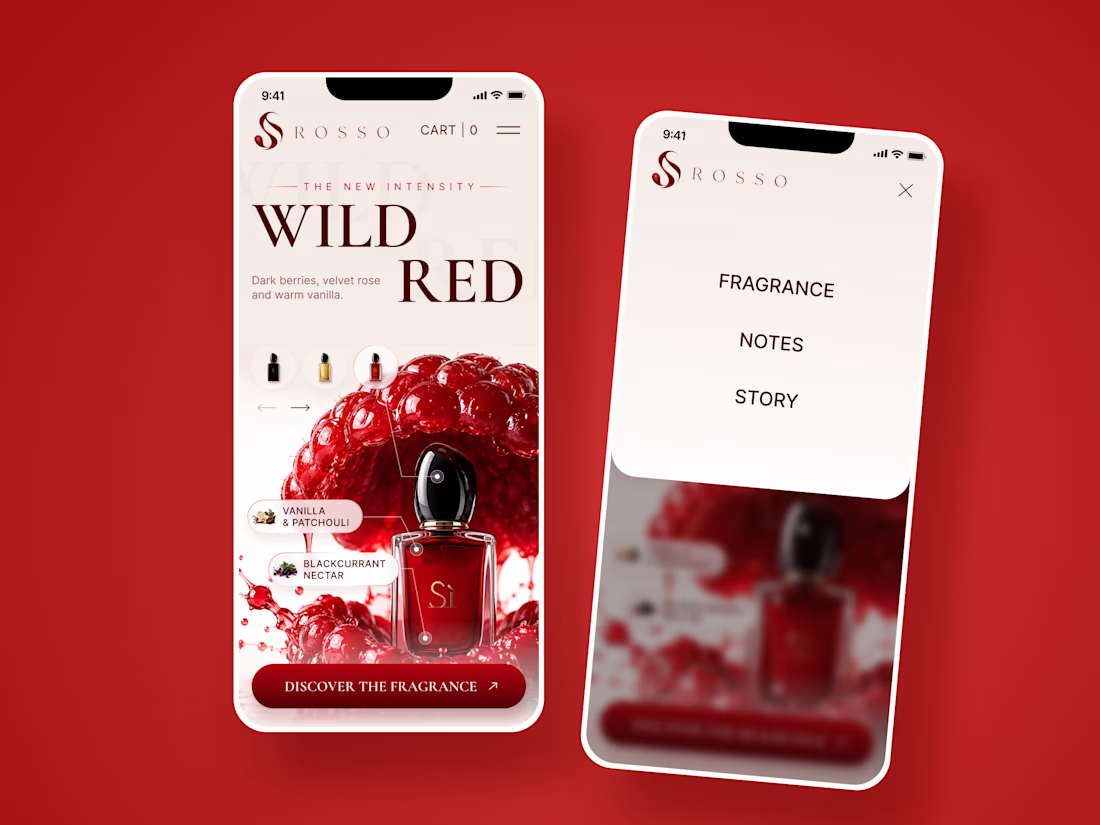
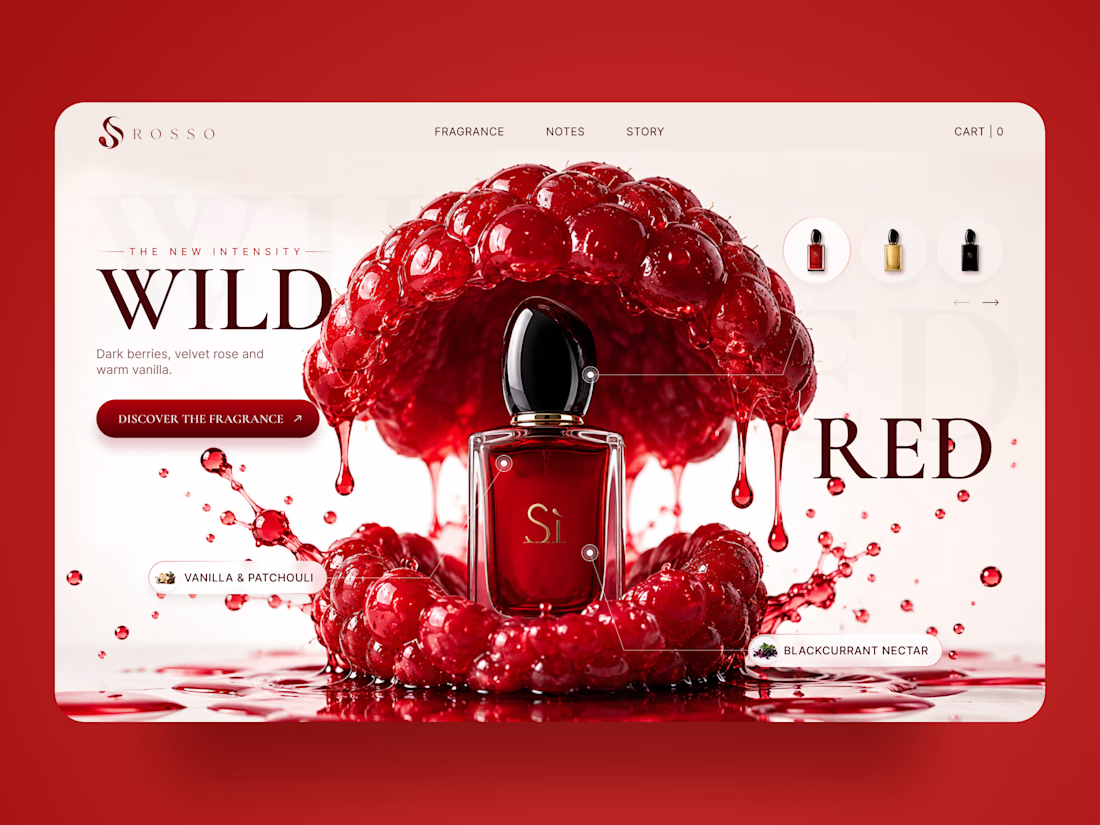
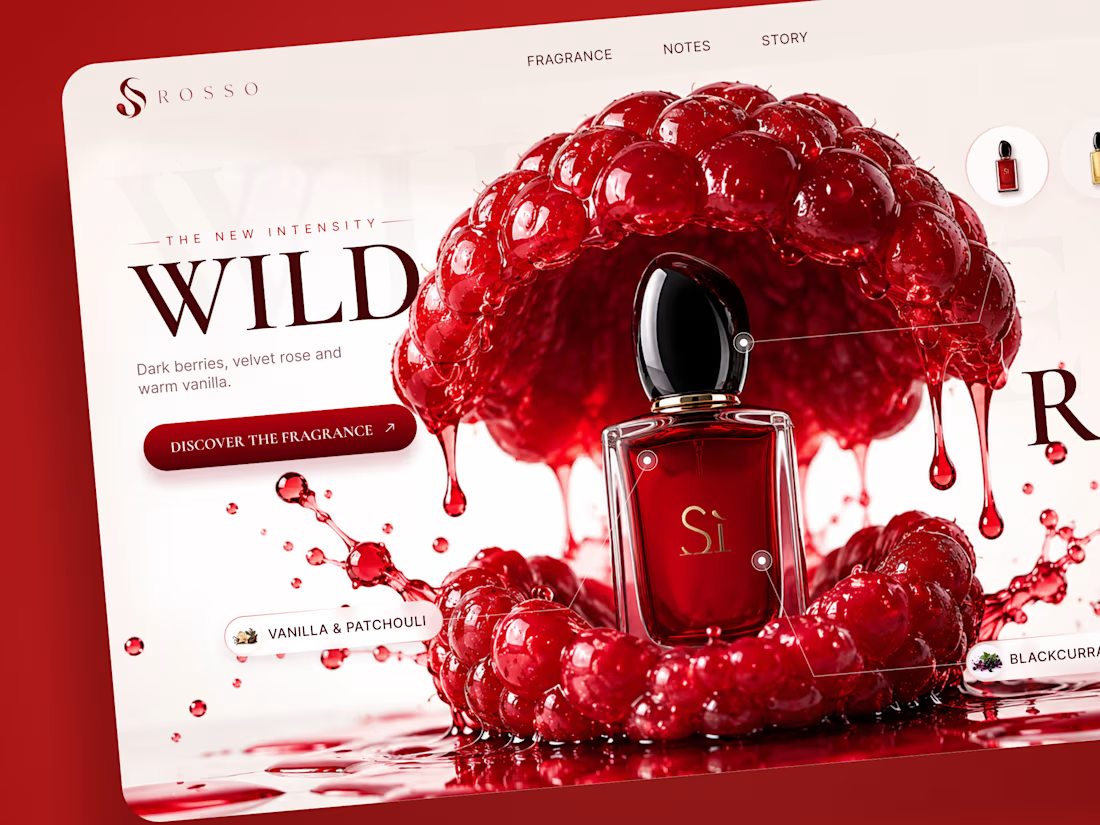
ROSSO — Wild Red Perfume Landing Page 🍒❤️
A bold fragrance landing page concept inspired by rich red berries, sensual notes, and luxury perfume aesthetics
The design combines deep red tones, oversized editorial typography, glossy fruit visuals, and elegant product presentation to create a rich and memorable experience
Special attention was given to:
• Bold product-first composition
• Rich red color palette
• Elegant editorial typography
• Fragrance notes and ingredient highlights
• Product variations and navigation
• Responsive mobile experience
The result is a vibrant, luxurious landing page that brings the fragrance to life through color, texture, and strong visual storytelling ✨
Looking to create a standout website for a beauty, fragrance, or luxury brand? Let’s connect



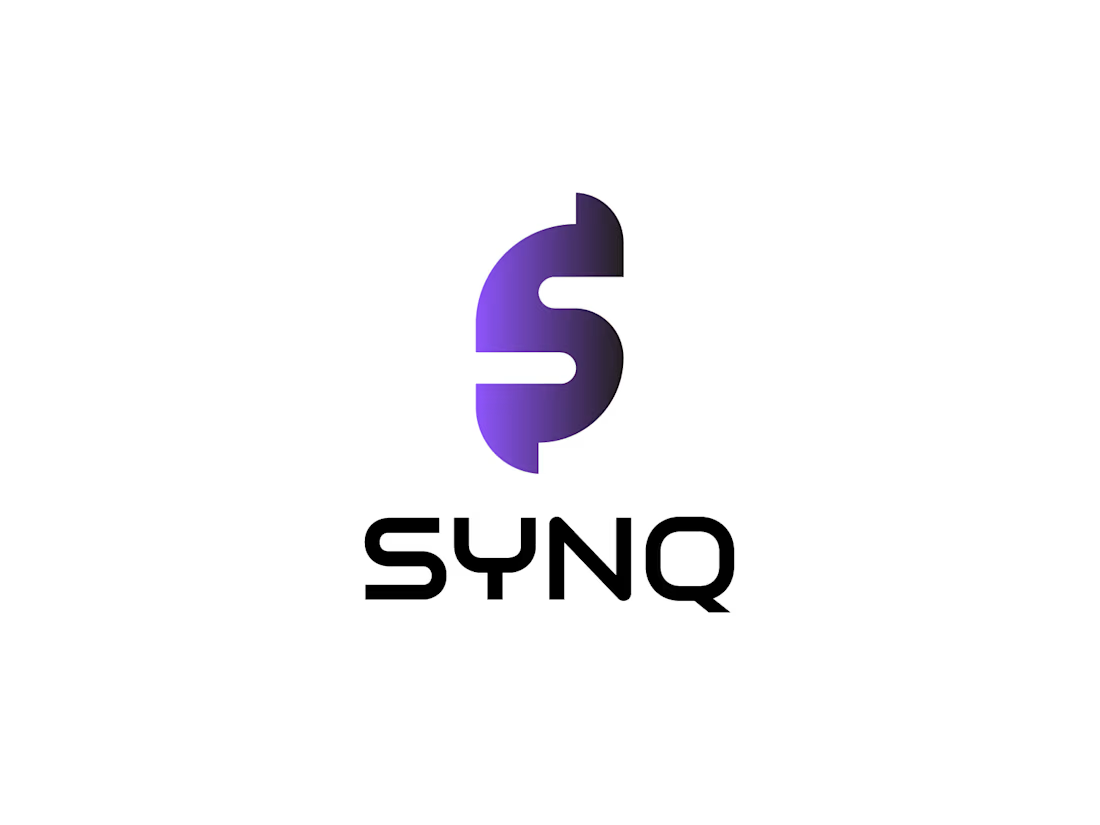
The Synq logo is built around a distinctive geometric “S” symbol, created through clean, precise forms that reflect connection, movement, and technology. The structured geometry gives the mark a modern and intelligent character, while its simplicity keeps it highly recognizable and versatile across digital platforms.
The Synq brand identity is designed to communicate innovation, connectivity, and forward-thinking technology. A minimal visual language, refined typography, and a focused color system create a clean and contemporary presence suitable for a modern tech company. The geometric “S” acts as the core visual element, providing a consistent foundation across digital products, social media, presentations, and other brand touchpoints.

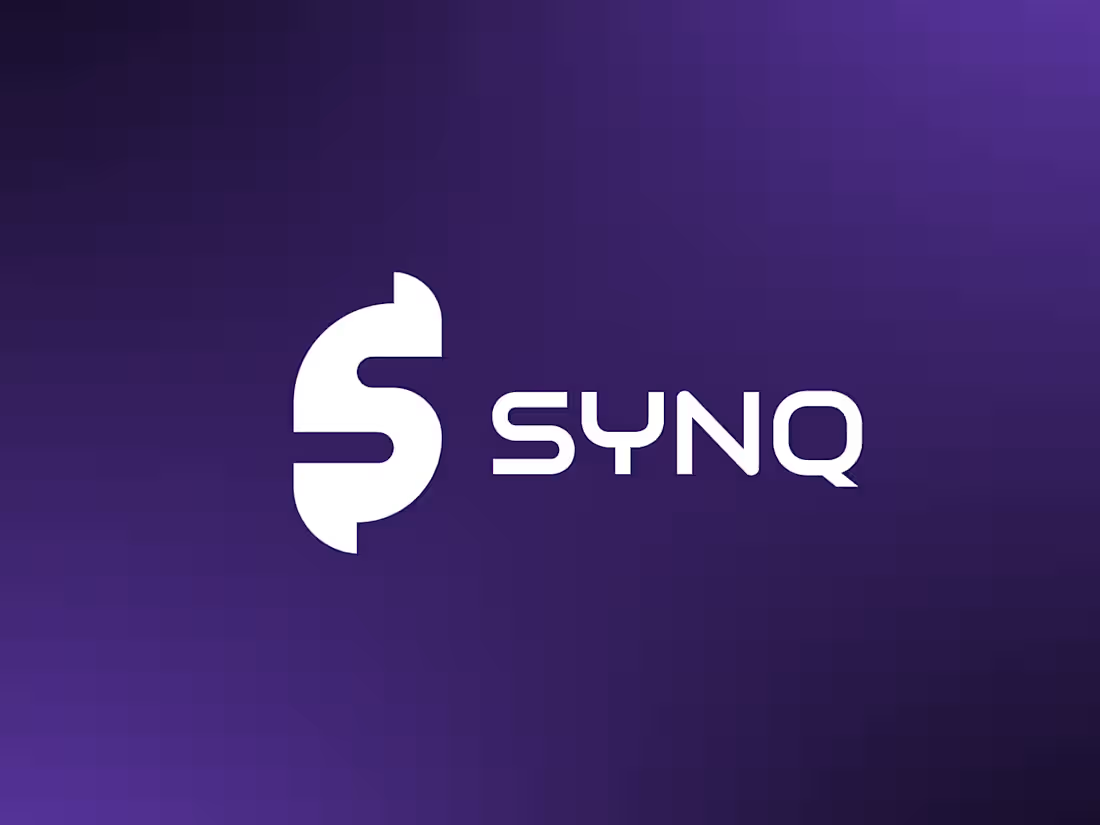
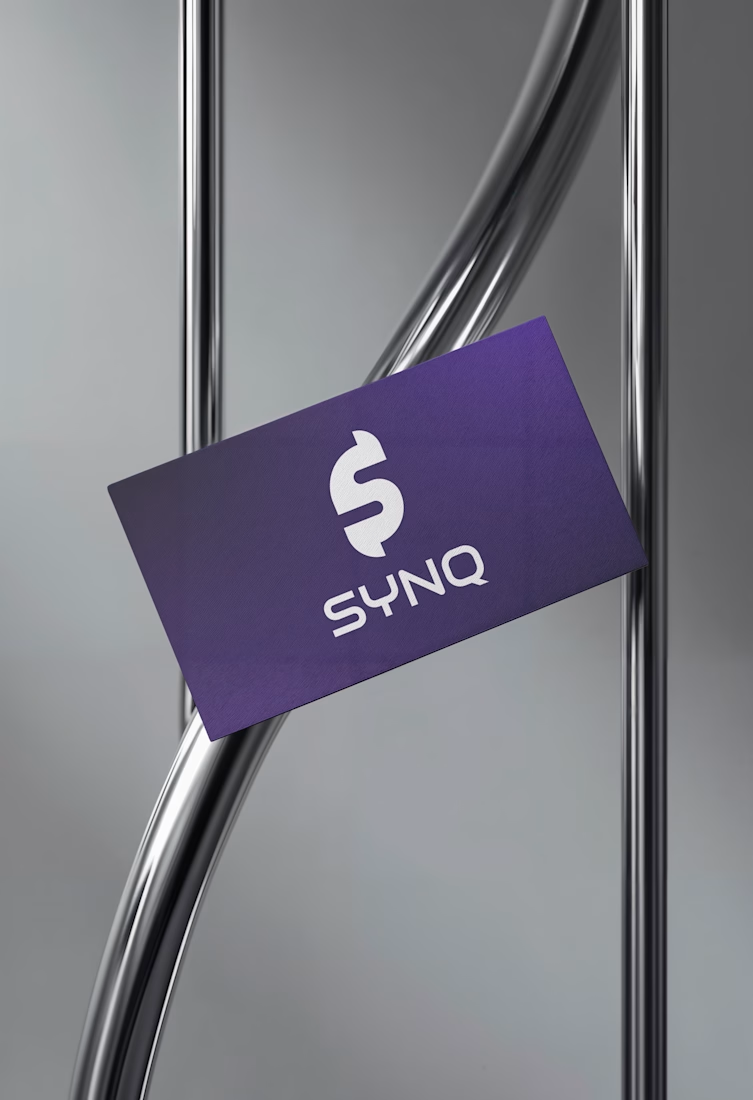

Clean geometry and the purple gradient on the card hold together well. One risk worth testing: the S with a vertical bar through it can read as a dollar sign at small sizes, which sends a very different signal than connection. Try it at favicon size before it ships.