The network for creativity
Join 1.25M professional creatives like you
Connect with clients, get discovered, and run your business 100% commission-free
Creatives on Contra have earned over $150M and we are just getting started
Back to feedPost

A medical software client asked me to design separate landing pages for seven tools using their internal project code names
Internally, they treated each tool as an isolated product. They had one system for online booking, another for billing, and a third for digital messaging
The problem was their buyers did not want seven different software subscriptions. Clinic managers were already overwhelmed with legacy systems blocking their growth
I paused the Framer build and proposed a completely different sitemap. We scrapped the individual product pages entirely
Instead, I designed bundled solution pages focused on actual business outcomes. We changed the navigation links from their internal code names to literal descriptions of what the tools did
The team was initially hesitant to lose their distinct product identities. But designing a site for your buyers requires a different structure than designing for your internal developers
How often do you have to talk a founder out of their own product naming system?
The network for creativity
Join 1.25M professional creatives like you
Connect with clients, get discovered, and run your business 100% commission-free
Creatives on Contra have earned over $150M and we are just getting started





Related posts

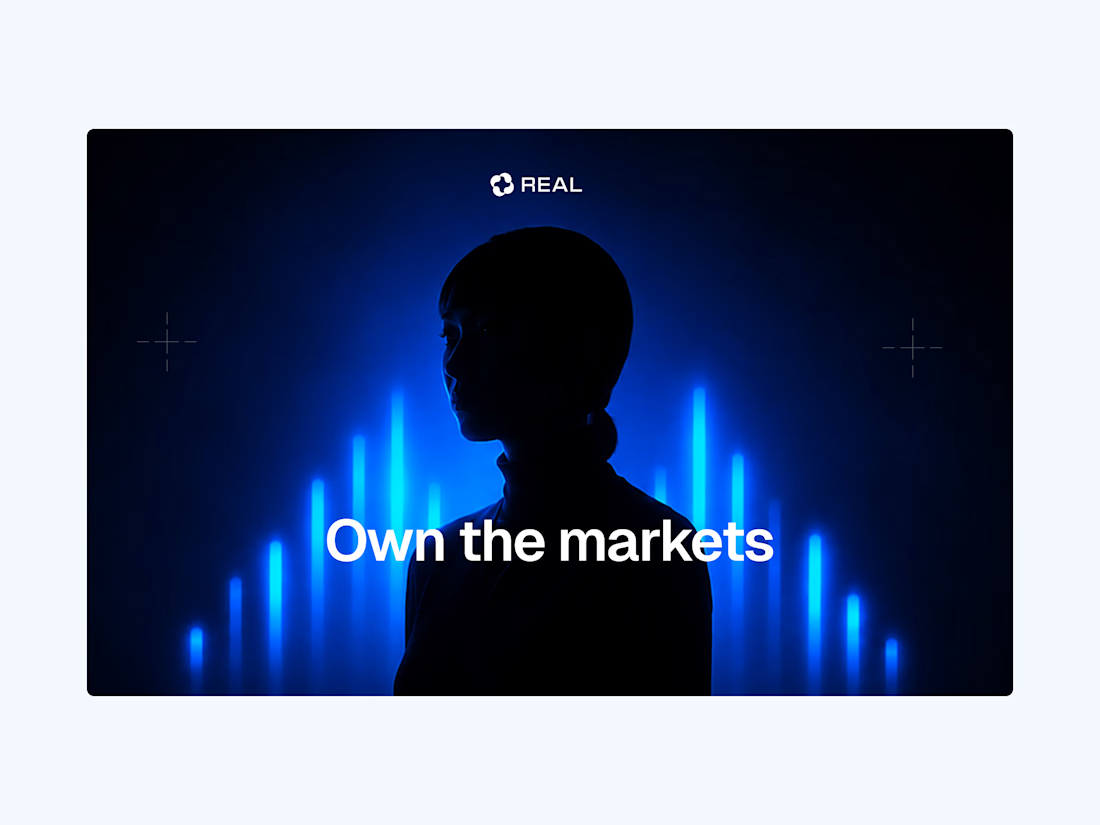
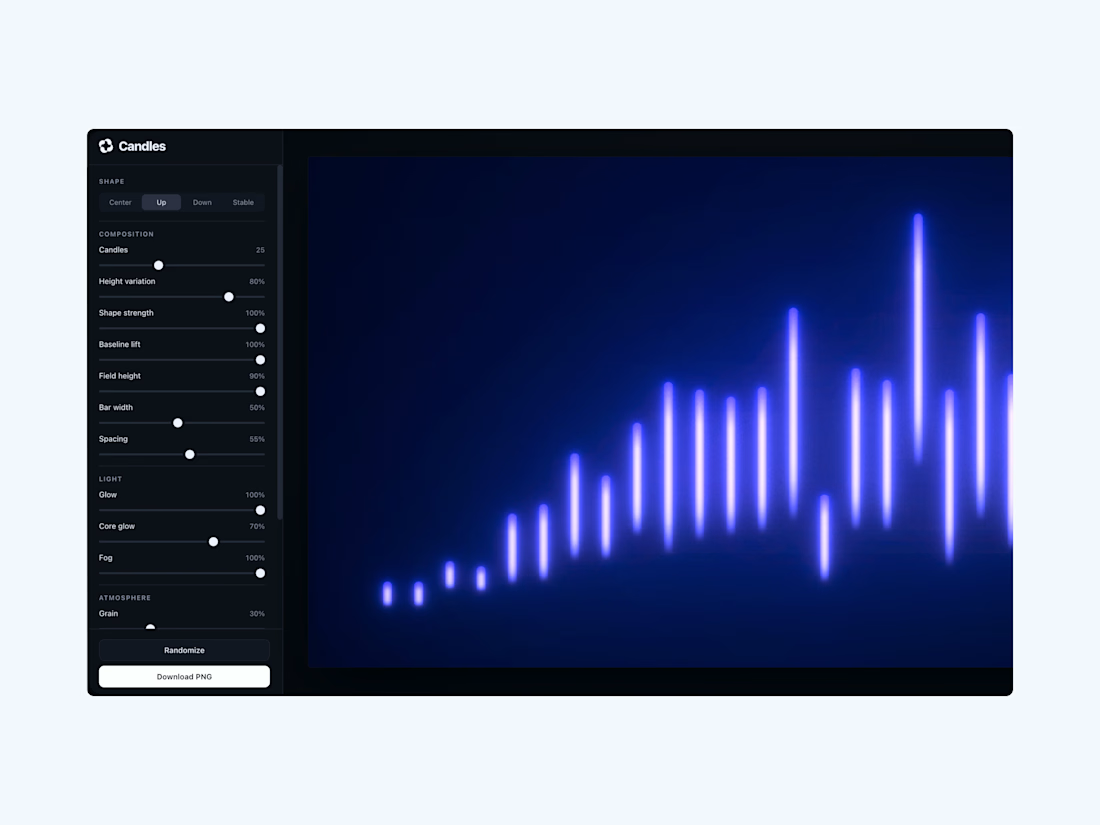
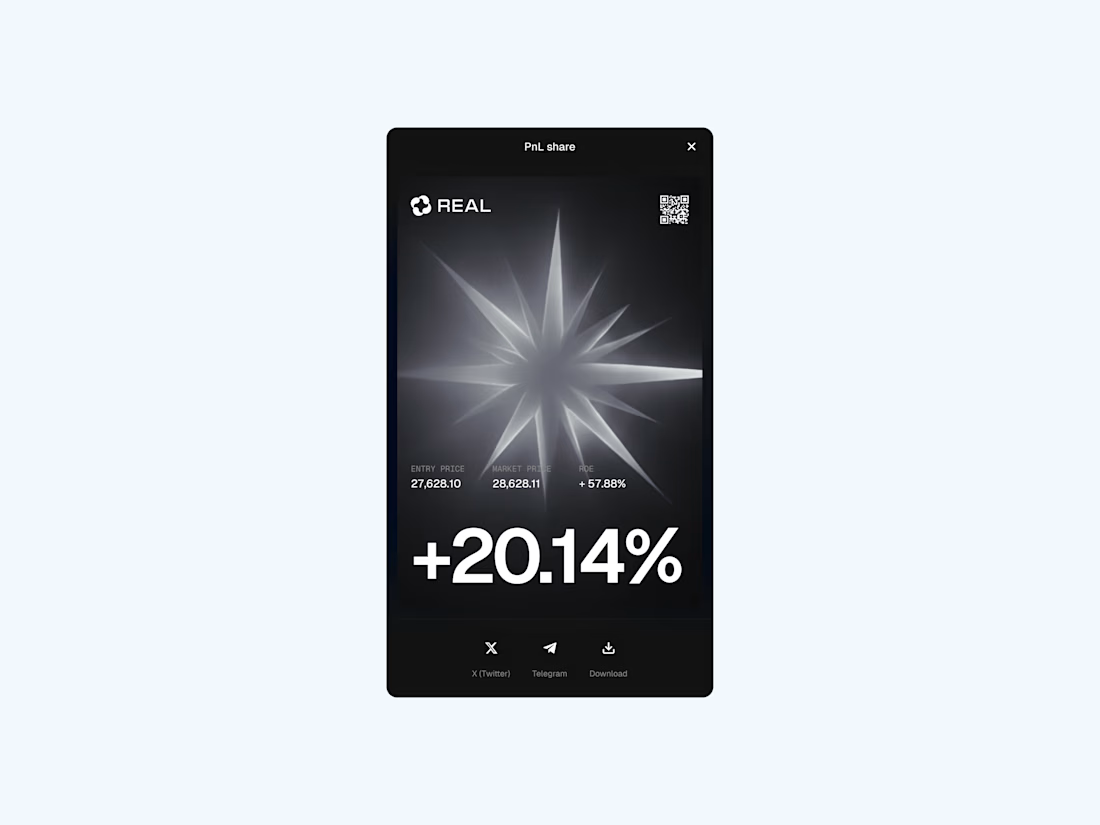
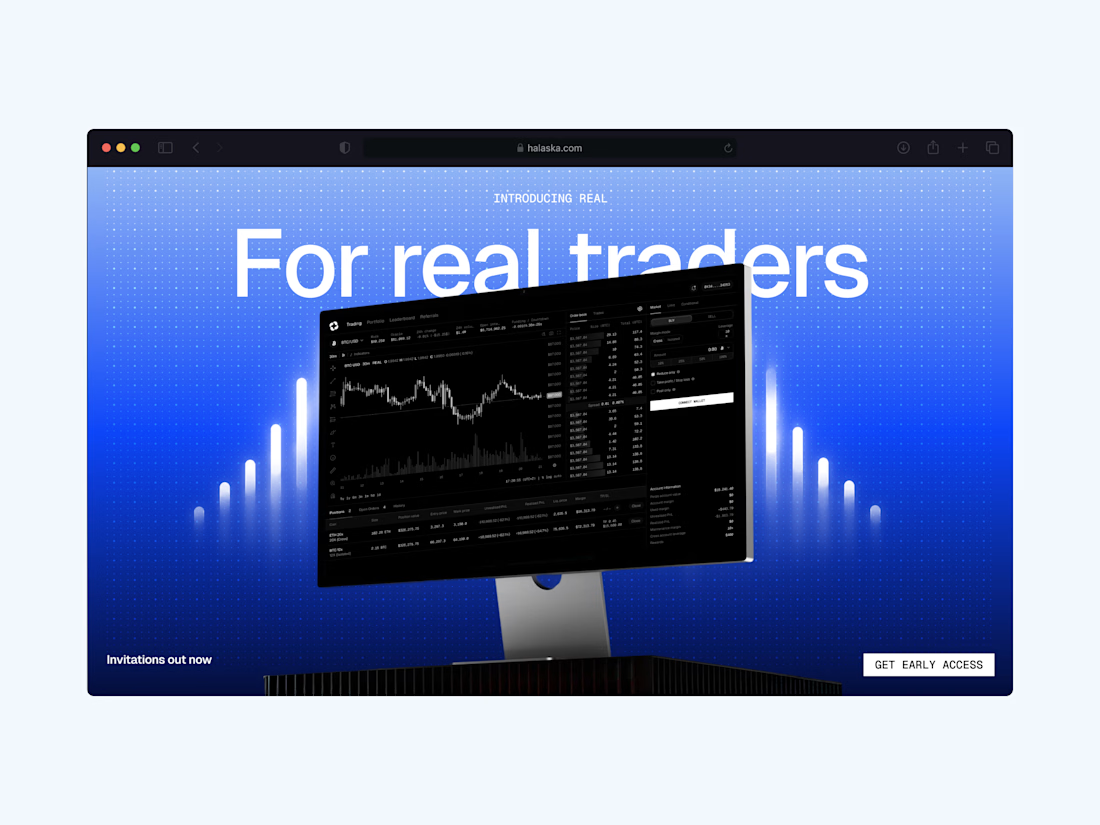
An old client project: a full redesign of a crypto app.
Created the video with Opus 5.5

Top-notch design.


Brand and product work for one of our ongoing crypto clients

Wow

I’ve always liked products that solve a very specific problem instead of trying to do everything.
So for the Lovable Challenge, I picked a simple question that event-tent rental businesses hear all the time:
“Can I book a tent for my wedding?”
The problem is… a tent can’t really be booked until you know if the whole event will work.
How many guests?
How much usable space?
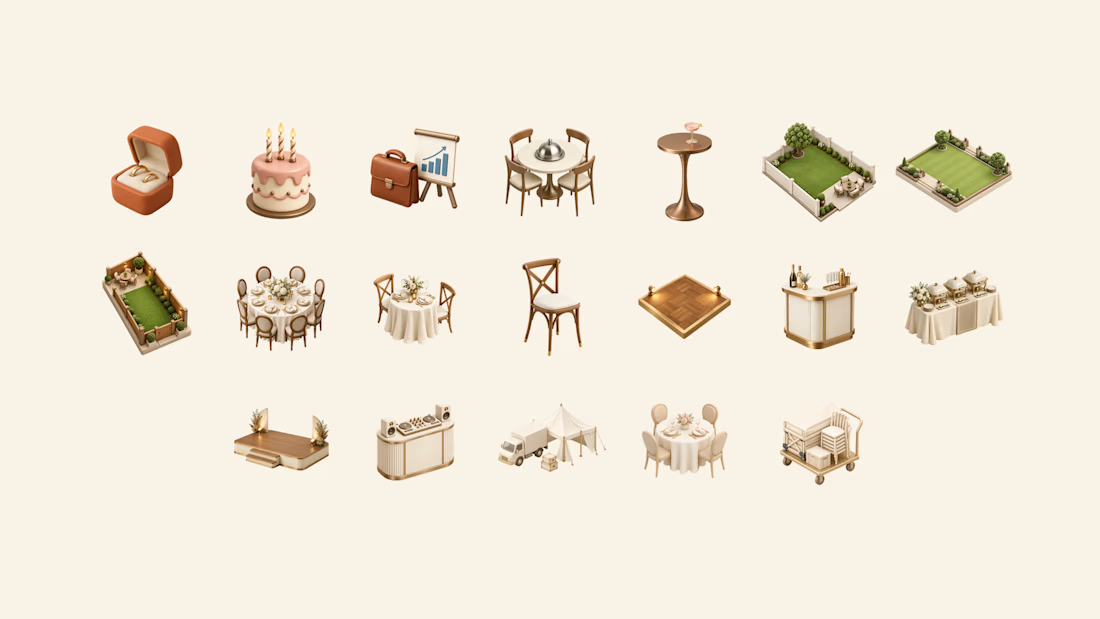
Tables? Dance floor? Bar? Stage?
Will the layout actually fit?
Can the crew set it up and pick it up on time?
Usually, the owner has to figure all of that out manually through messages, calls and calendar checking.
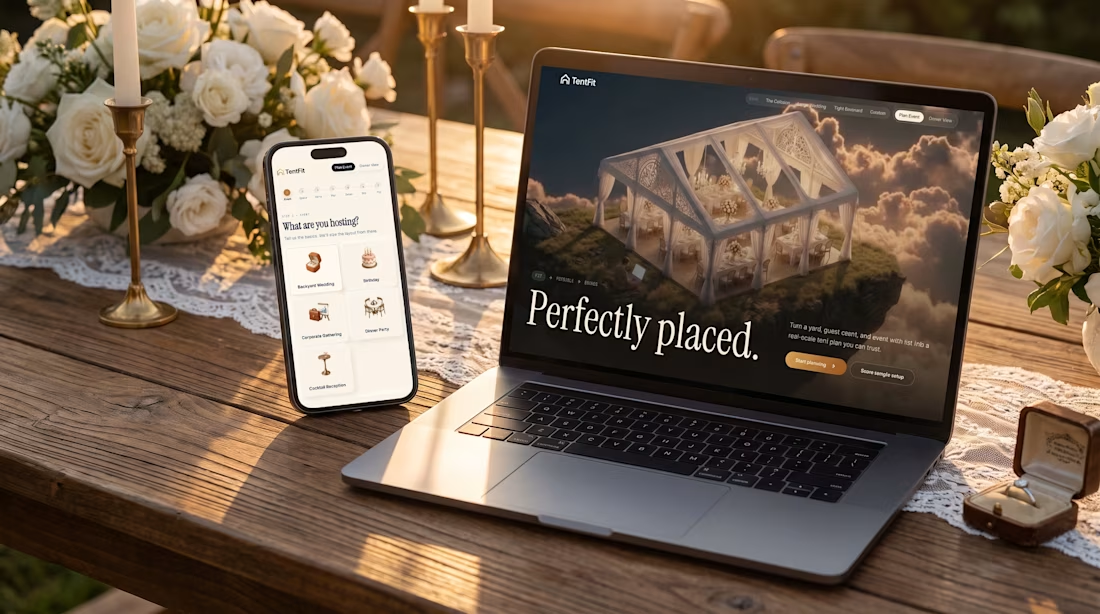
So I built TentFit — a spatial booking experience for event tent rentals.
The customer starts by planning the event, then maps out the space and everything they want inside it. TentFit checks the layout and highlights conflicts.
And instead of just saying “doesn’t fit,” it helps solve the problem:
Switch the tent. Move the layout. Remove an element.
Once everything works, TentFit checks the logistics and turns the final setup into a booking.
The goal was simple:
Make the customer’s decision easier, and make the owner’s job easier.
The flow is basically:
FIT → FEASIBLE → BOOKED
I had a lot of fun building the spatial planning part of this one.
X/Twitter post: https://x.com/brjanov/status/2105630218492731501?s=20
Built with @Lovable
#LovableChallenge #ProductDesign #UXDesign #NoCode #SaaS #WebDesign



Nice stuff!