The network for creativity
Join 1.25M professional creatives like you
Connect with clients, get discovered, and run your business 100% commission-free
Creatives on Contra have earned over $150M and we are just getting started
Back to feedPost

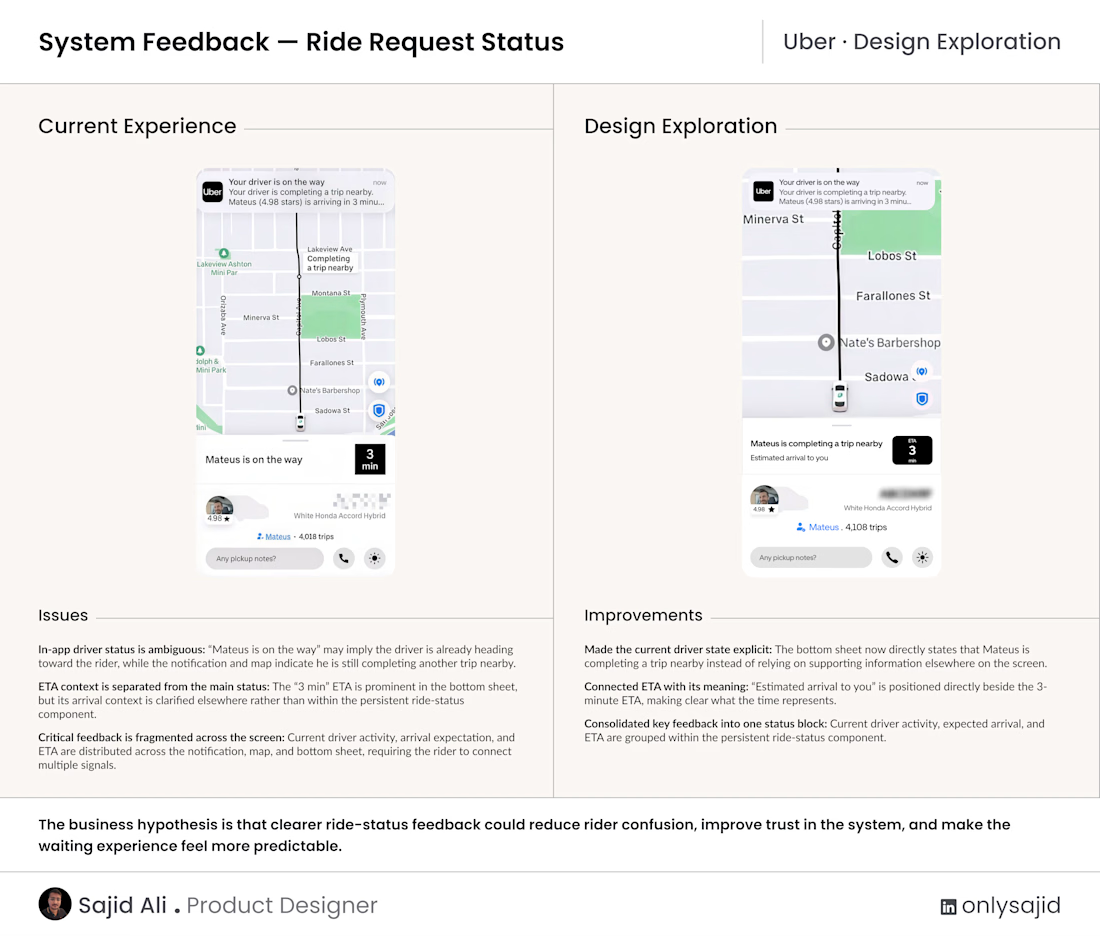
Today I explored an Uber ride-request status component with one question:
When the driver is still completing another trip, does the interface clearly explain what is happening and when the rider should expect them to arrive?
In the current experience, “Mateus is on the way” can sound like the driver is already heading directly to the rider, while other information shows he is still completing a nearby trip. The 3-minute ETA is visible, but its meaning is explained elsewhere.
In my design exploration, I:
made the driver’s current state explicit
connected the ETA directly with “Estimated arrival to you”
grouped current activity, expected arrival, and ETA into one persistent feedback block
The goal was to reduce interpretation during a waiting moment and make the system response easier to understand at a glance.
Business hypothesis: clearer ride-status feedback could reduce rider confusion, improve trust in the system, and make the waiting experience feel more predictable.
This is an independent design exploration based on the visible Uber experience, not a claim that the current solution is wrong. Real impact would need validation through rider behavior, support data, cancellation patterns, and product metrics.
When you’re waiting for a ride, what matters most to you: what the driver is doing, the ETA, or where they are on the map?

The network for creativity
Join 1.25M professional creatives like you
Connect with clients, get discovered, and run your business 100% commission-free
Creatives on Contra have earned over $150M and we are just getting started






Related posts


Yo Designers!
We're looking for a skilled product designer with an exceptional sense of visual design to create 5 high-end UI showcase visuals.

Sounds like a fun one! Looking forward to seeing the visuals that come out of this


Every element feels perfectly placed! 👏

Project Management Dashboard UI – A powerful and intuitive interface designed to enhance team collaboration, productivity, and workflow efficiency.


the yellow date card gives the eye a clear place to start, which most dashboards skip. how does the to-do list hold up when someone has 30 tasks instead of 5?


