The network for creativity
Join 1.25M professional creatives like you
Connect with clients, get discovered, and run your business 100% commission-free
Creatives on Contra have earned over $150M and we are just getting started
Back to feedPost

This project demonstrates a Retrieval-Augmented Generation (RAG) architecture using open-source tools. It solves the "knowledge cutoff" problem of LLMs by giving them access to live tools.
How it works:
Intent Classification: The user's input is first processed by a local Llama 3 instance, which acts as a semantic router. It analyzes the prompt to determine if external data is required.
Tool Execution: If a search intent is detected, the Python backend executes a query against the SerpApi (Google Shopping) endpoint. Data Structuring: The raw JSON response from the API is parsed, cleaned, and structured into standardized product objects.
UI Rendering: The structured data is dynamically rendered into interactive product cards using Streamlit's component system, allowing users to view images and click direct purchase links without leaving the chat interface.


The network for creativity
Join 1.25M professional creatives like you
Connect with clients, get discovered, and run your business 100% commission-free
Creatives on Contra have earned over $150M and we are just getting started
Trending

Claude
Claude has entered the design space. How are you using it?

Contra University
Learn from expert creatives how to earn more using next-gen AI tools.
Brand Design
The best brand designers are on Contra. Scroll to see what's trending in brand design. What are you building?
creativeaiflow
Creative AI workflows are evolving. What tools do you use, and what are their strengths and weaknesses?
freelancerlife
Freelancer life is wins, pivots, and everything in between. What’s yours right now?



Related posts

FLVR is a fruit snack brand with a bold, single-ingredient product story,: "An entirely new fruit snack, made of fruit." I designed and built their website to match that same energy: clean, confident, and premium.
The site features smooth scroll interactions (powered by Lenis), scroll-triggered reveals (GSAP + ScrollTrigger), and a minimal, product-first layout that puts the brand's simplicity front and center no clutter, just clean typography and purposeful motion.
Key focus areas:
Smooth scroll experience for a premium, app-like feel
Scroll-triggered animations to guide attention section by section
Responsive design fully optimized across devices
Fast load times despite rich animation (performance-first approach)
Clean, minimal UI that reflects the brand's "one ingredient" philosophy
Tools used: Vanilla JavaScript, GSAP, ScrollTrigger, Lenis (smooth scroll)
This project reflects the kind of work I love doing taking a brand's core identity and translating it into an interactive, trustworthy website experience that doesn't just look good, but feels intentional at every scroll.


Hi Averro, lovely design overall!
One thing I might change from a UX perspective: having a hamburger menu on desktop, where there's plenty of room to show all the navigation links, only creates friction. Even though it looks nice and feels like a great feature, it makes the user take more steps to access the link they want.


Design & Webflow for Dental Care Product
Stack & Technologies:
• Figma - Design
• Webflow - Development
• GSAP - Advanced animations
Services Delivered:
• Custom Figma design
• Pixel-perfect Webflow development
• Fully responsive across all devices
• Web optimization
Result:
A stylish, conversion-focused e-commerce website with refined animations and product showcases for a premium electric toothbrush brand.


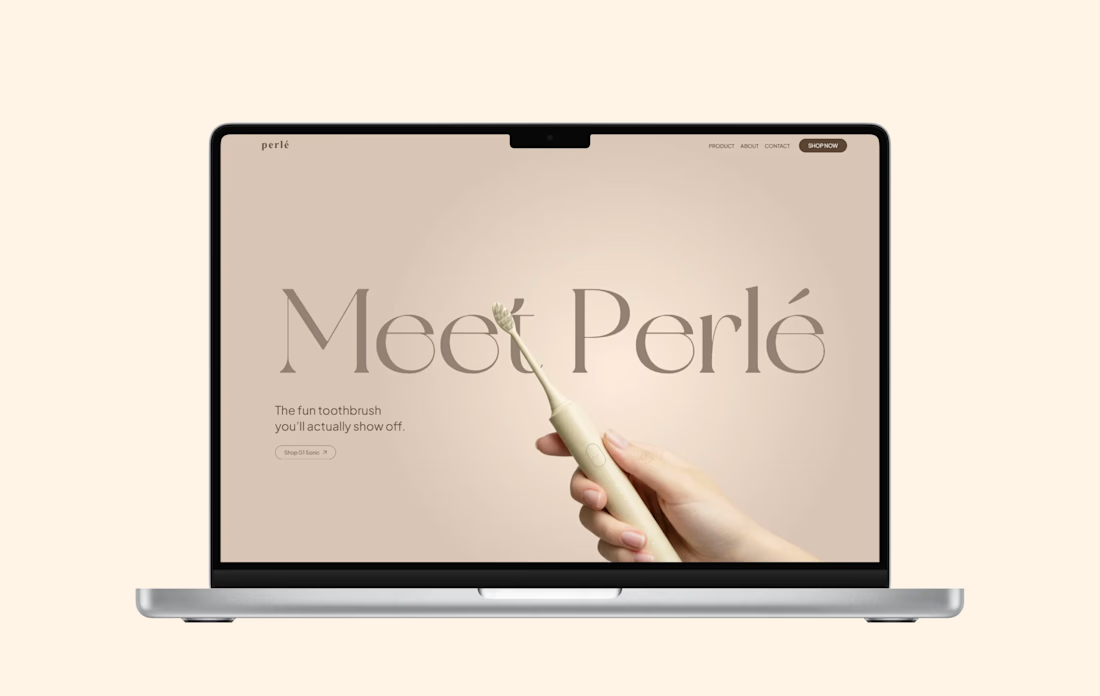
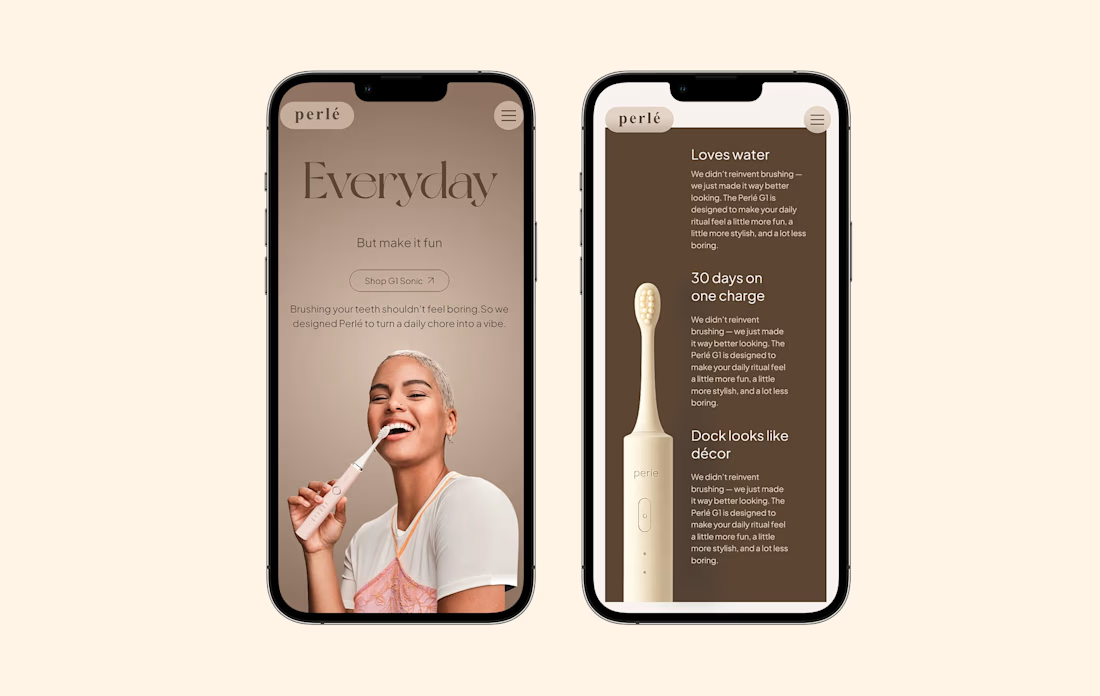
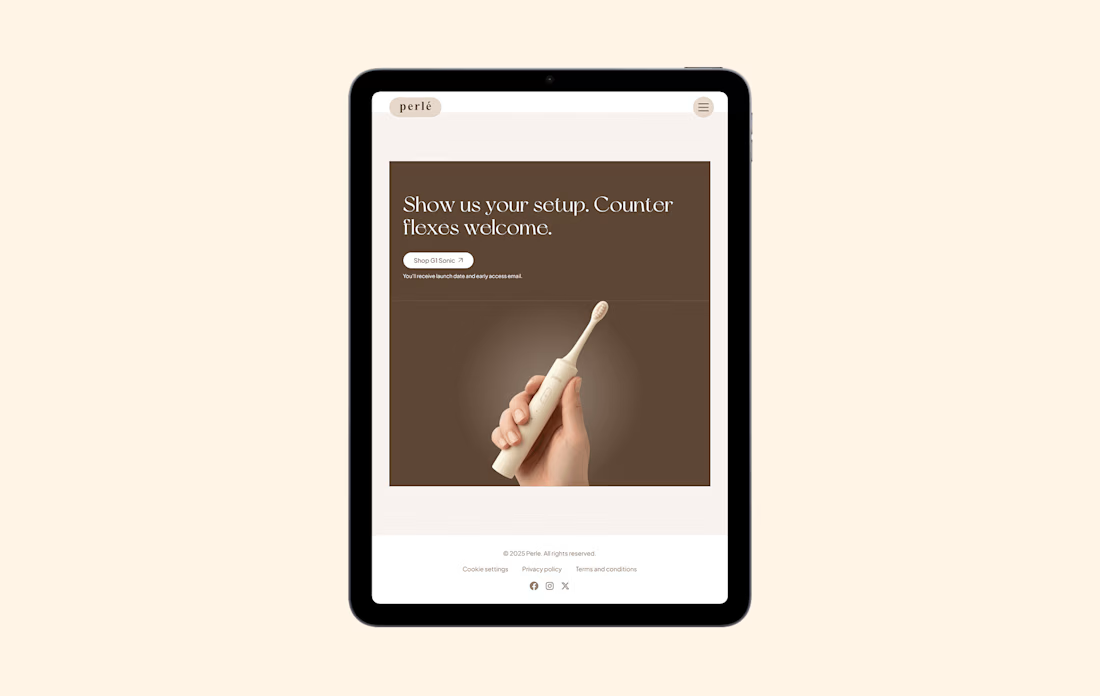


Clean and modern design!


If your bots touch a browser/API, I can be the reliability layer: reproduce one failure, add a focused Playwright regression, and leave client-ready evidence. Authorized QA subcontract, US$49: https://contra.com/payment-link/0ThEp1VQ-playwrightapi-failure-triage