The network for creativity
Join 1.25M professional creatives like you
Connect with clients, get discovered, and run your business 100% commission-free
Creatives on Contra have earned over $150M and we are just getting started
Back to feedPost
The museum piece: The Unicorn Rests in a Garden, also known as The Unicorn in Captivity, from the Unicorn Tapestries. Woven 1495–1505 in wool, silk, silver and gilt thread. Cartoon made in Paris, woven in the Southern Netherlands. The Met Cloisters, 37.80.6.
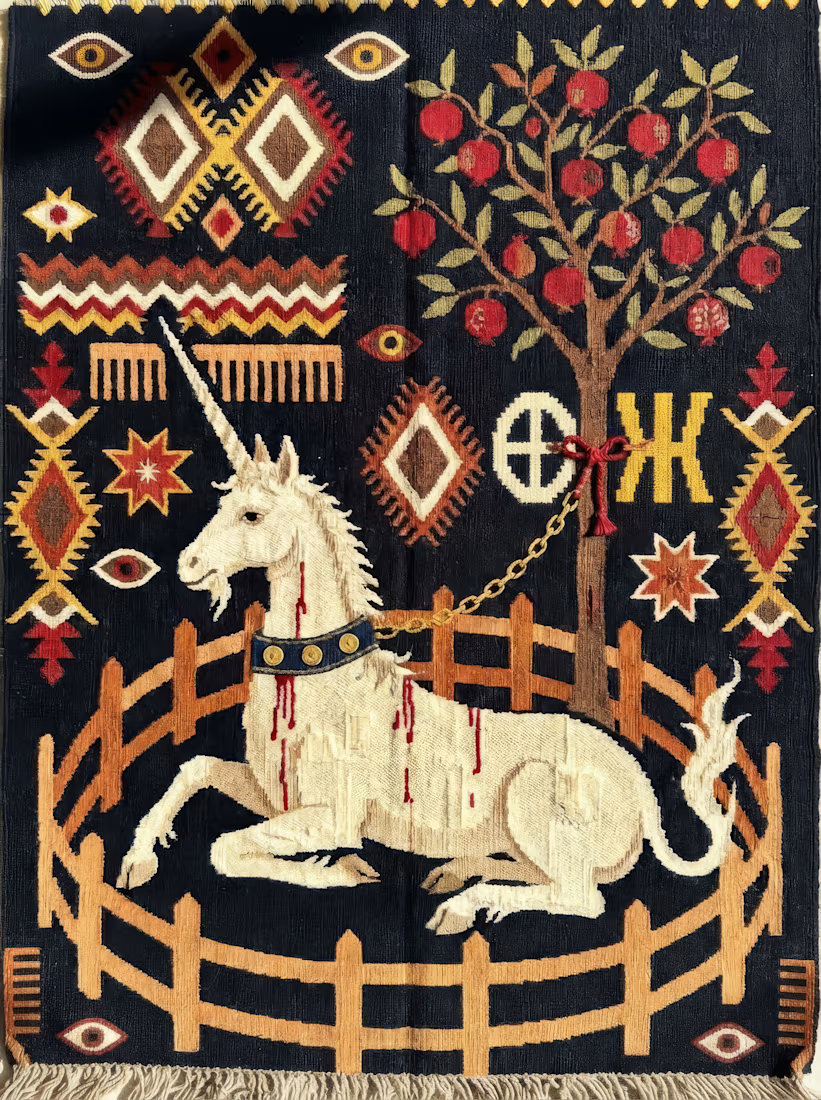
A white unicorn sits collared inside a low circular fence, tethered to a pomegranate tree. The Met notes the red marks on his flank aren't blood but juice from the bursting pomegranates above, a medieval symbol of fertility and marriage. His chain is loose and the fence is low enough to leap. He stays anyway. Woven into the field, in several places, are the letters A and E. Nobody has ever explained what they mean.
Rewoven. I rewove it as a Tunisian mergoum kilim.
The composition is untouched: same pose, same collar, same slack chain, same low fence, same pomegranate tree, same juice on the flank. Pomegranate means fertility and marriage in Tunisian wedding custom too, so that symbol needed no translation.
What changes is the language everything else is written in. The millefleurs field becomes Amazigh geometry — diamonds, combs, the protective eye, eight-pointed stars — the motifs North African women used for centuries to record lineage and protection without writing. And where the original hides its unexplained A and E, I wove Tifinagh instead.
The two traditions were never separate. In 1500 Tunis was a Mediterranean port and North African carpets were already arriving in Northern European houses, draped over tables in the paintings of that exact decade. This isn't a fusion I invented. It's a trade route the original was already part of.
Process: material before image. I pulled North African tapestry-weave textiles from The Met's own Open Access archive — the same weave structure as the unicorn tapestry, a thousand years older — and bought three margoums in Tunis to study the geometry. Wool swatches were generated first and fed back as texture references so the material drove the picture instead of decorating it. Ground colour was tested as a single variable. Broken details were repaired by targeted inpaint rather than re-rolling. Every rejection is still on the canvas with the reason written beside it.
European tapestry meant courts and named patrons. Maghrebi weaving is domestic, anonymous, undervalued. The unicorn's story was always about something kept happily inside a fence. Retelling it in wool hands that story to the women who were kept beside the same fence, in an alphabet that was always theirs.
Shown unfinished on the loom, because the point isn't that it was remade. It's that someone is still remaking it
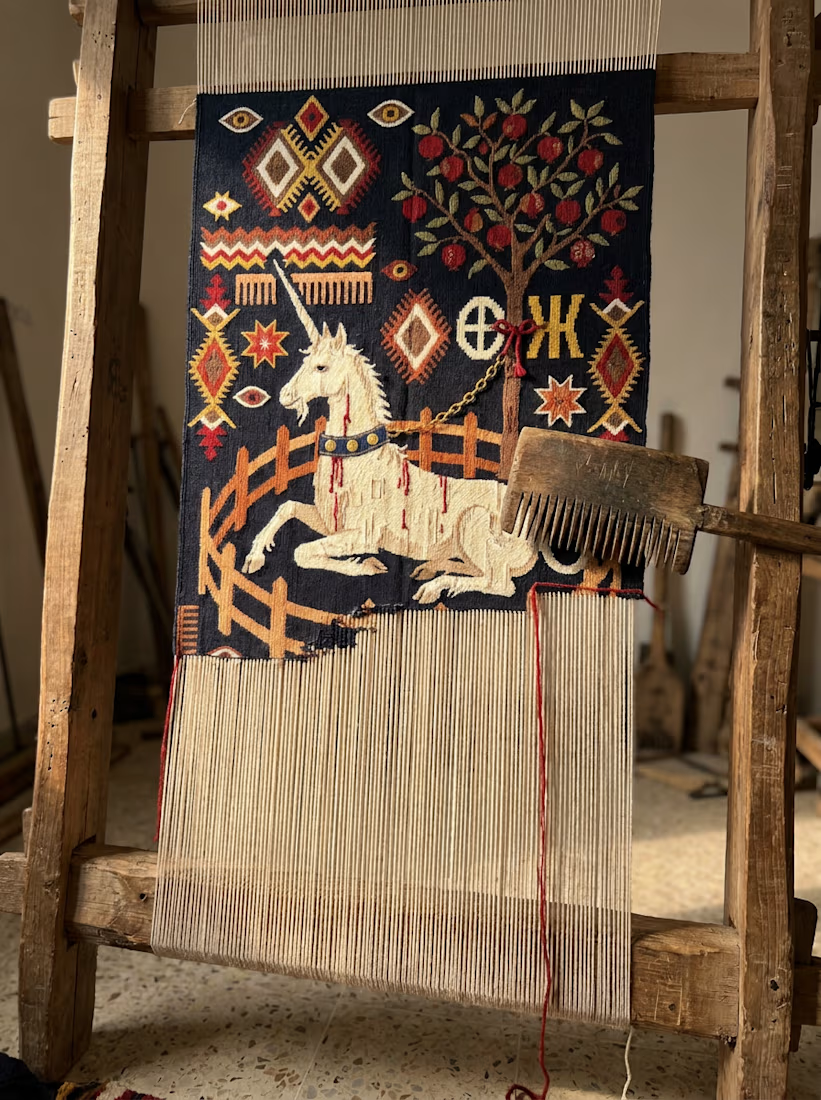
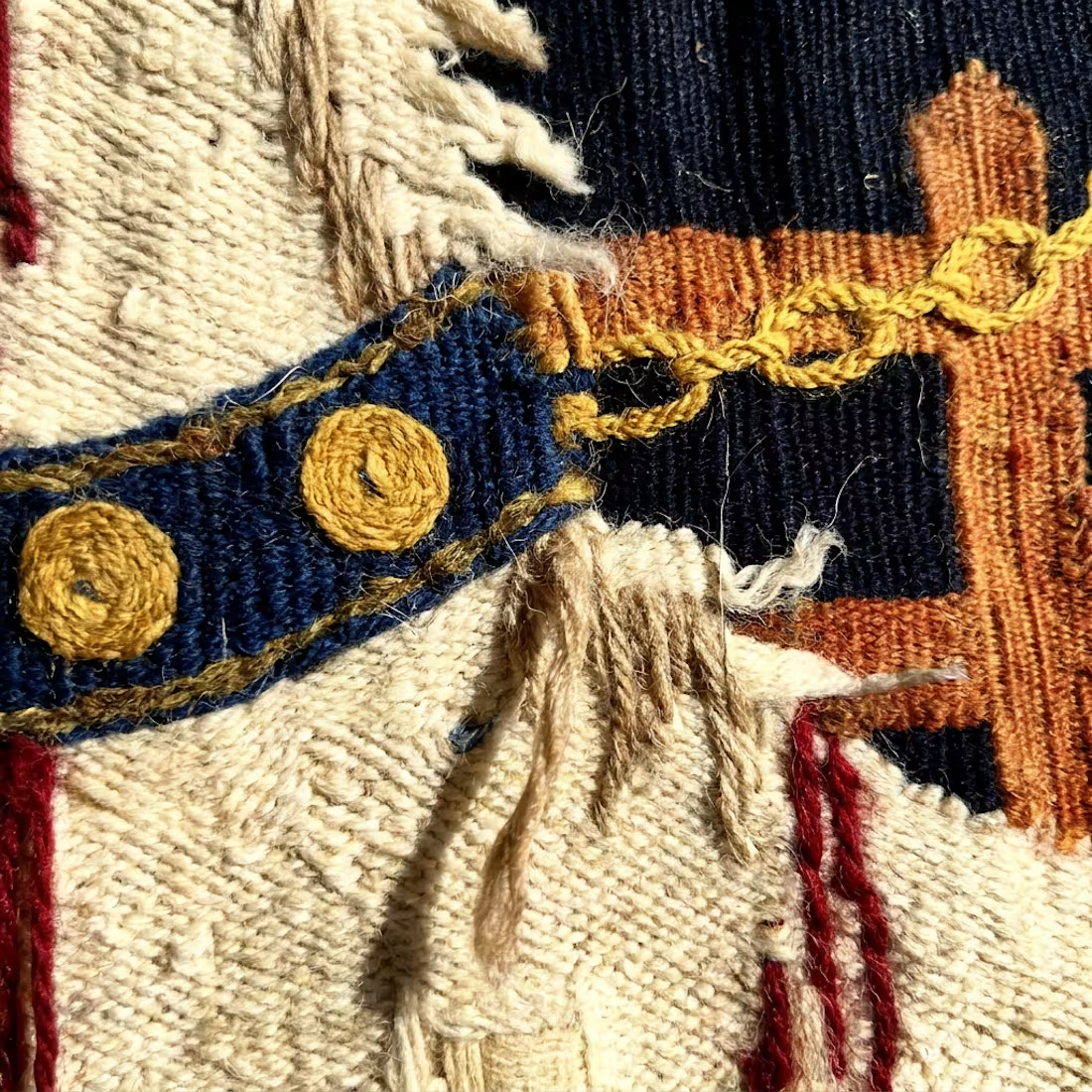

How did you stop it looking like a painting of a rug instead of an actual rug? Gives you a reason to reply with your material-study process, which puts your craft story in the thread naturally that's worth more than four compliments

Generated the wool first, then fed the swatches back as texture references so the weave drove the image instead of being applied to it first pass still gave me a painted horse sitting on a kilim fixed by describing the unicorn's body as woven too: stepped outline, warp ridges crossing it, fibre halo at the colour boundaries

What's Tifinagh ?
The Amazigh alphabet, North African, still in use. The original tapestry has two letters woven into it, A and E, and after a century of scholarship nobody knows what they stand for. I put Tifinagh in the same spot on the trunk an unreadable European cipher, swapped for an...

How long did this take ?
Three days of building, one day before that on research and sourcing most of the time went into the material study rather than the final image getting the weave right was the whole problem

Amazing masterpiece 🔥
The network for creativity
Join 1.25M professional creatives like you
Connect with clients, get discovered, and run your business 100% commission-free
Creatives on Contra have earned over $150M and we are just getting started







Related posts


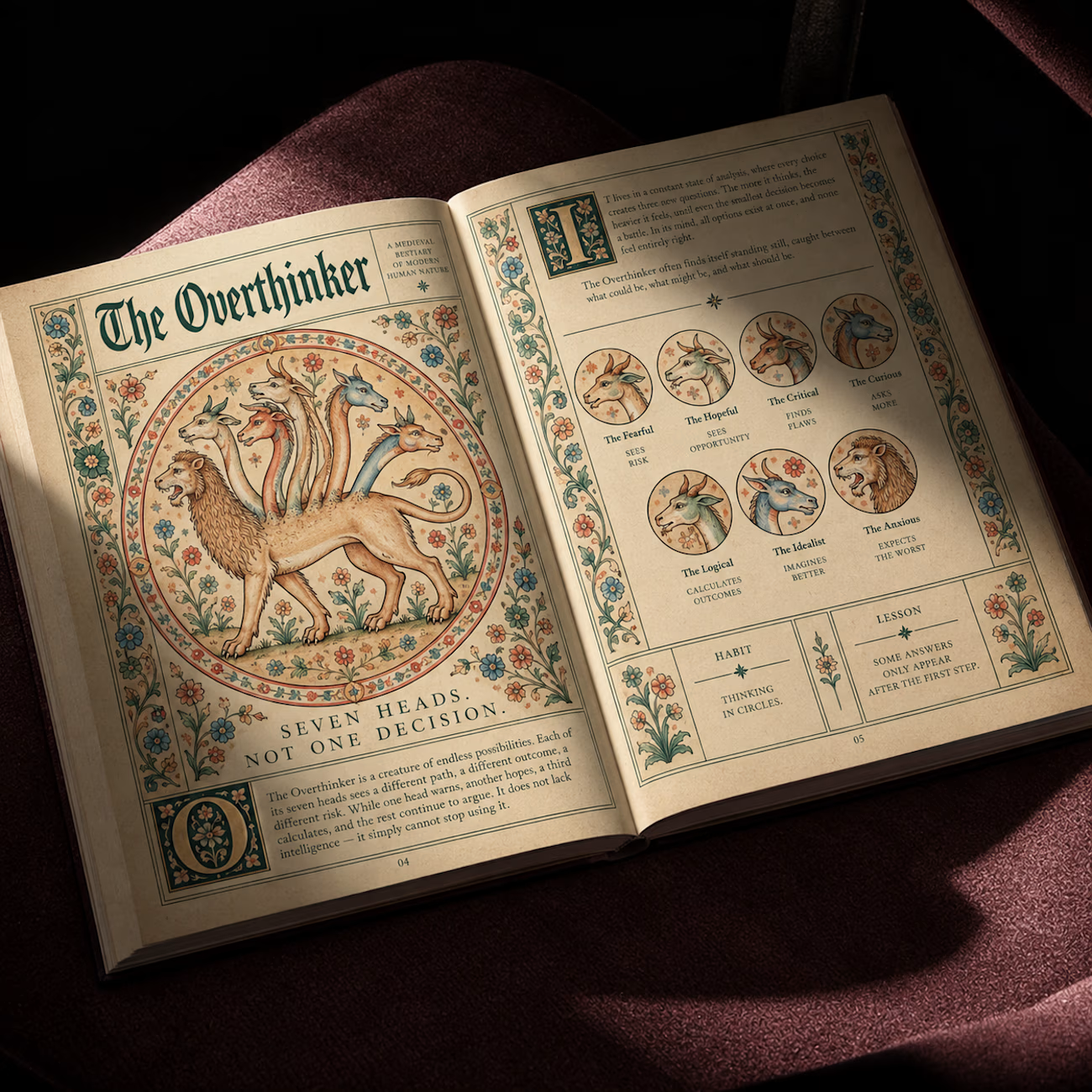
The New Book of Beasts
A Medieval Bestiary of Modern Human Nature
What if medieval bestiaries described the habits of modern people instead of mythical creatures?
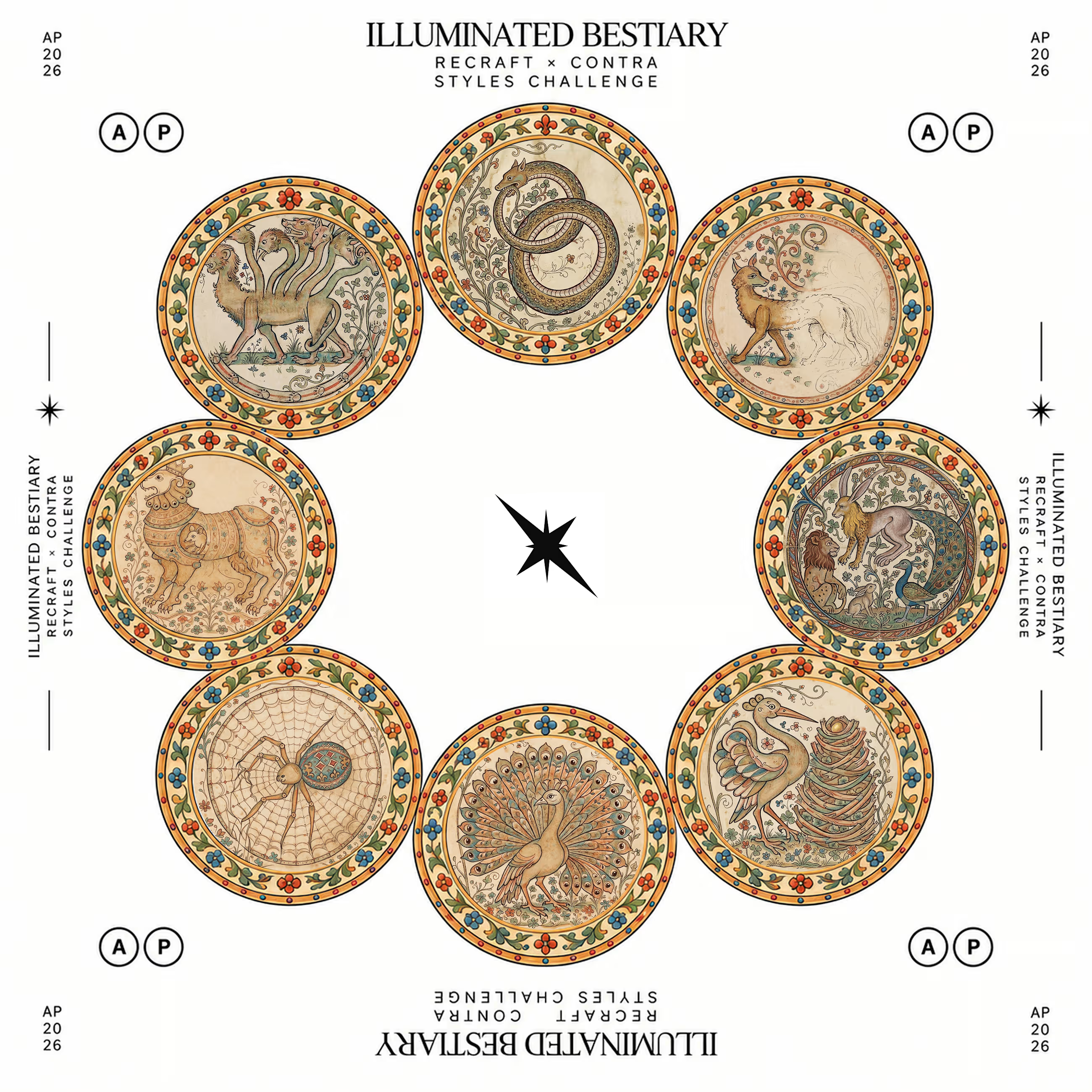
For the Recraft × Contra Styles Challenge, I created Illuminated Bestiary, a custom Recraft Style inspired by public-domain illustrations from 13th–15th-century manuscripts.
I used historical references from the Public Domain Image Archive to explore medieval animal anatomy, ornamental details, ink drawings, and muted natural pigments.
Then I applied the style to eight imaginary beasts, each representing a familiar modern behavior: overthinking, people-pleasing, doomscrolling, procrastination, ghosting, perfectionism, attention-seeking, and impostor syndrome.
The result is a collection of creatures that look like they belong in a centuries-old manuscript, even though their habits are very much our own.


Such a creative idea! Love how you’ve connected medieval art with modern human habits. The concept is both unique and relatable! 👏✨



Archive gems are the best! Love that you still love it after all this time - that's when you know it's timeless work. 👀

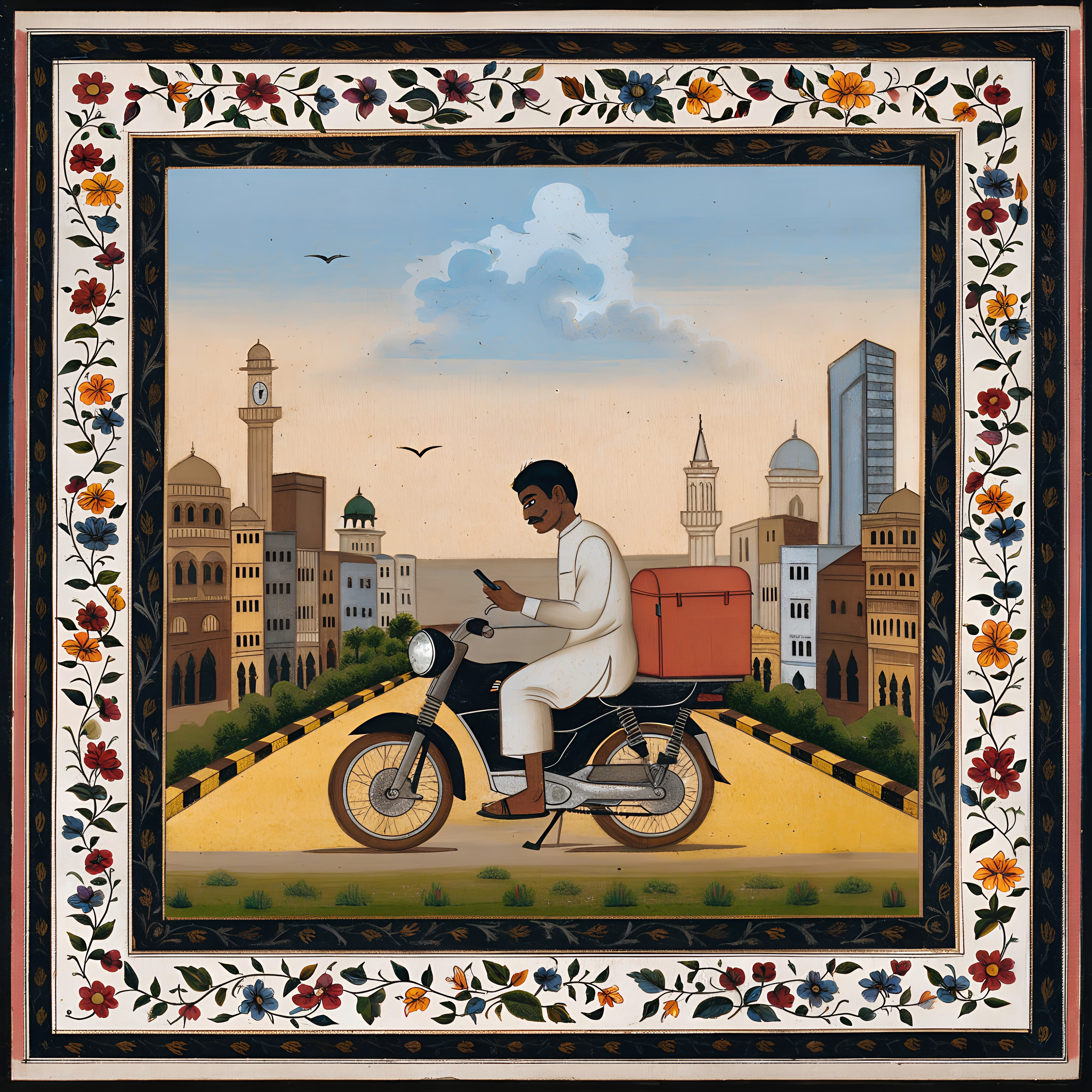
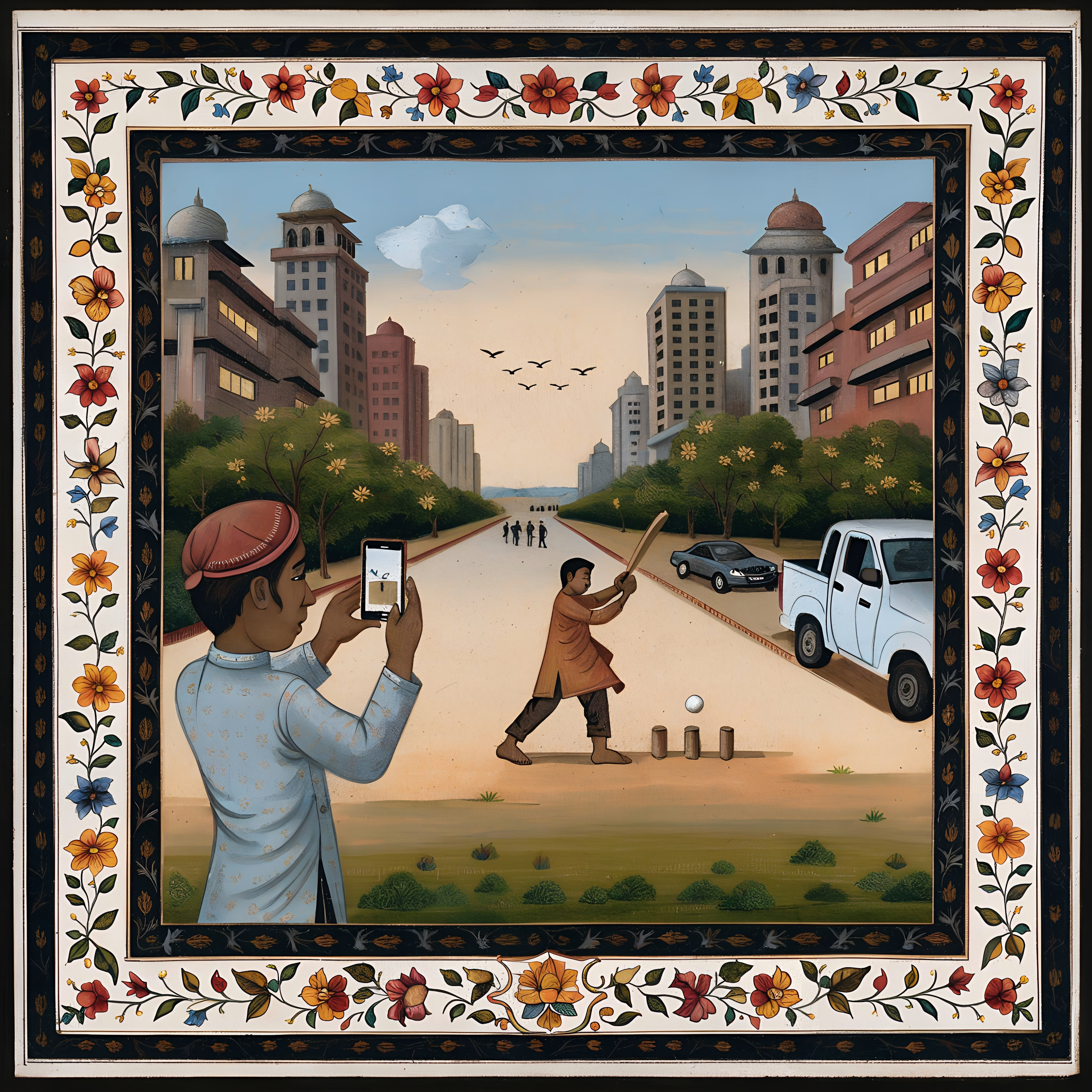
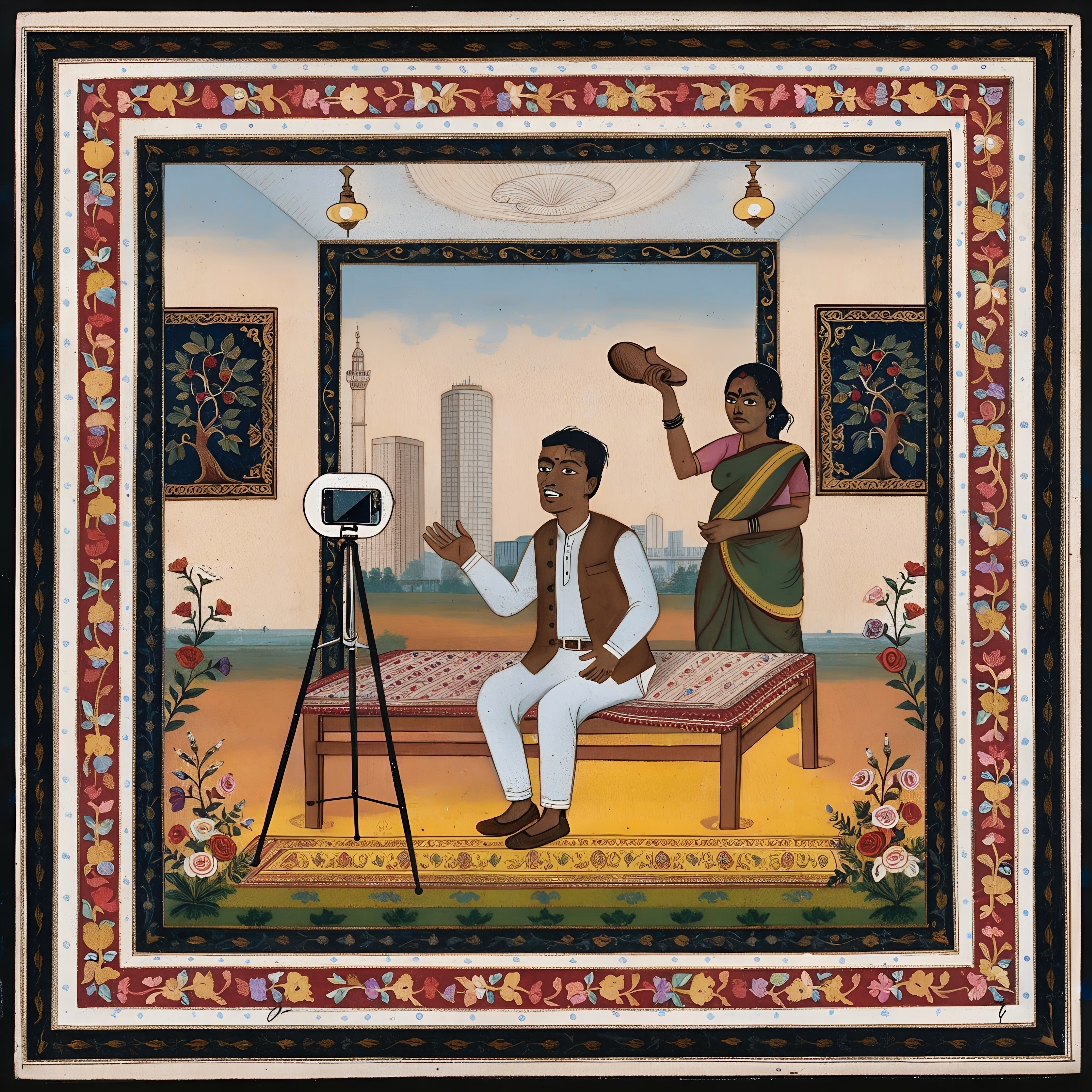
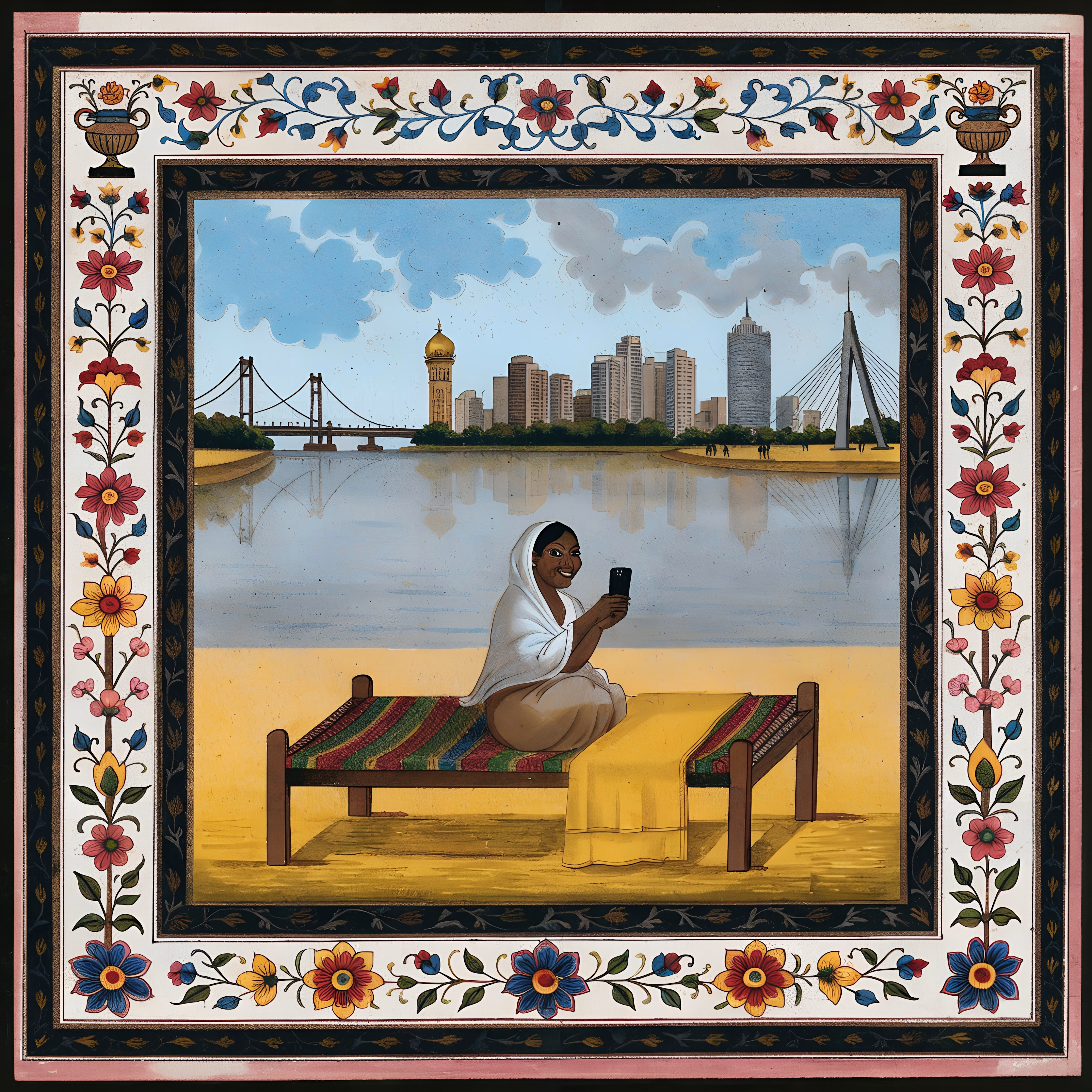
200 years ago, local artists painted the everyday people of the subcontinent: barbers, porters, chai wallas, knife sharpeners. Each one got a portrait, flat colours, a fancy border, total respect.
So I asked: what if those same painters time travelled to Lahore today?
I found their work in the Wellcome Collection’s public domain archive, trained a Recraft Style on it, and sent it to paint the new pesha of my city.
Same old painter, new Lahore. 😄

Love this. Giving chai wallas and porters that old portrait treatment again feels really respectful. The borders are beautiful.