The network for creativity
Join 1.25M professional creatives like you
Connect with clients, get discovered, and run your business 100% commission-free
Creatives on Contra have earned over $150M and we are just getting started
Back to feedPost
I spend most of my week building AI products. Agents, pipelines, evals. I genuinely love this stuff.
But the project I keep coming back to has almost nothing to do with any of it.
For four years, I've been the design partner for Bicycle Health, the largest provider of virtual opioid use disorder treatment in the US. More than 40,000 people have come through their digital doors. For most patients, the website is the first point of contact. They arrive in one of the hardest moments of their lives, often carrying shame, often after a healthcare system that judged them. They're deciding whether they can trust anyone with the most vulnerable part of themselves.
The design work there isn't clever. It's warm instead of clinical. Plain language instead of medical jargon. Certified accessible, because someone in crisis might be on an old phone with shaking hands. Nothing is pushing anyone faster than they're ready to go. If the site feels cold or complicated, they close the tab, and closing the tab can cost someone their shot at recovery.
We talk a lot about what AI will let us build next. We talk much less about the people who aren't having a great time right now, and what design can do for them today.


Yes, that's absolutely right! I believe people tend to focus only on beautiful visuals or advanced tech platforms, but true value lies at the intersection of both
The network for creativity
Join 1.25M professional creatives like you
Connect with clients, get discovered, and run your business 100% commission-free
Creatives on Contra have earned over $150M and we are just getting started








Related posts

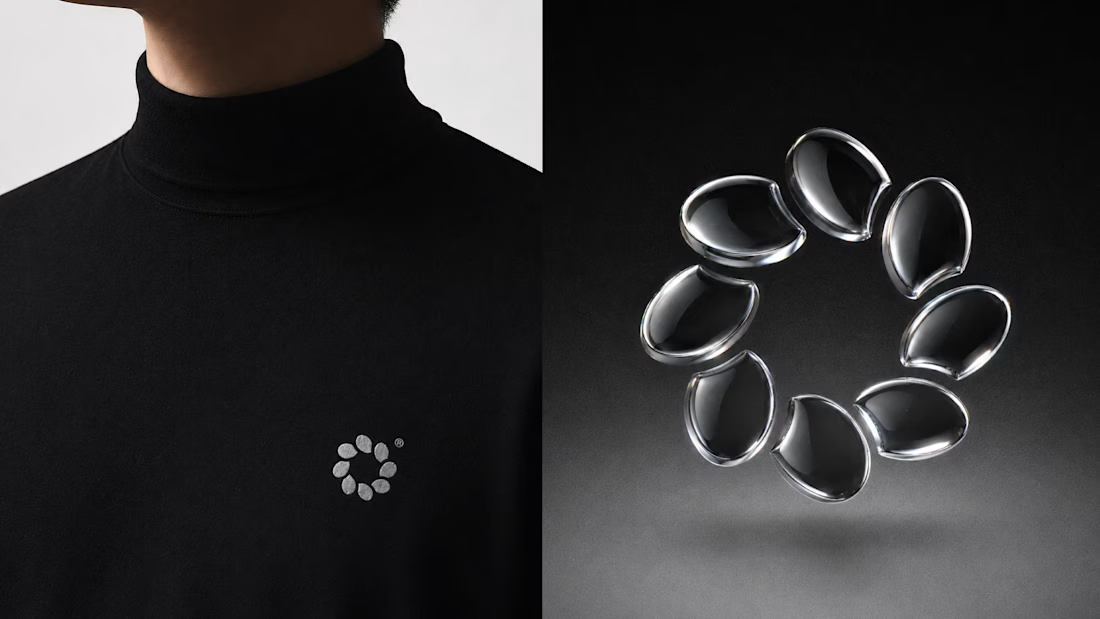
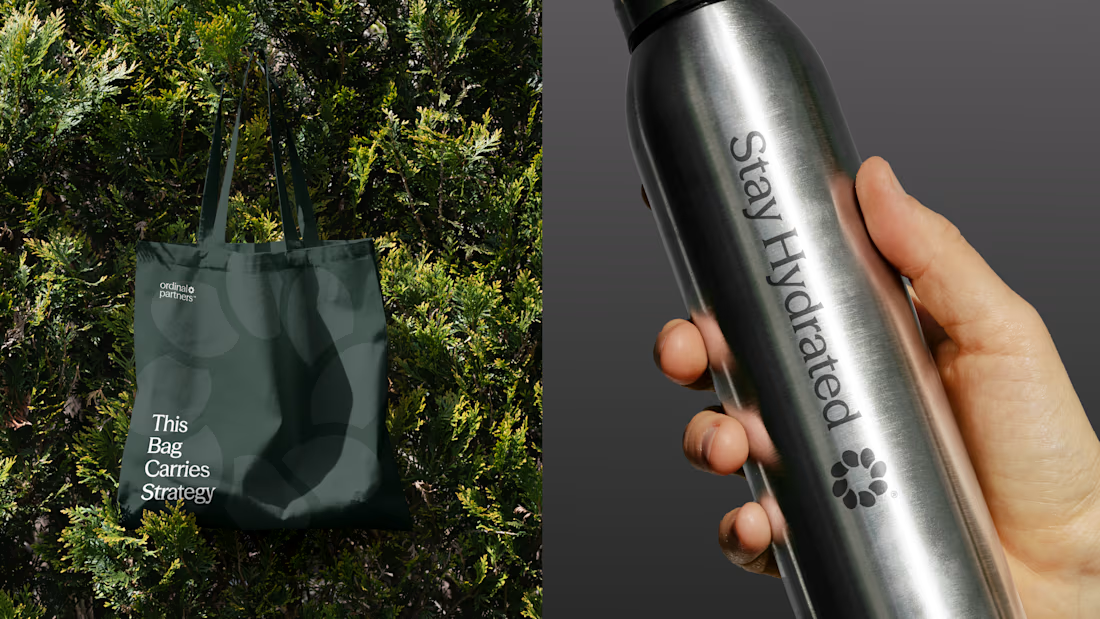
One brand, three different directions.
Sharing some of the logo exploration for Ordinal Partners.
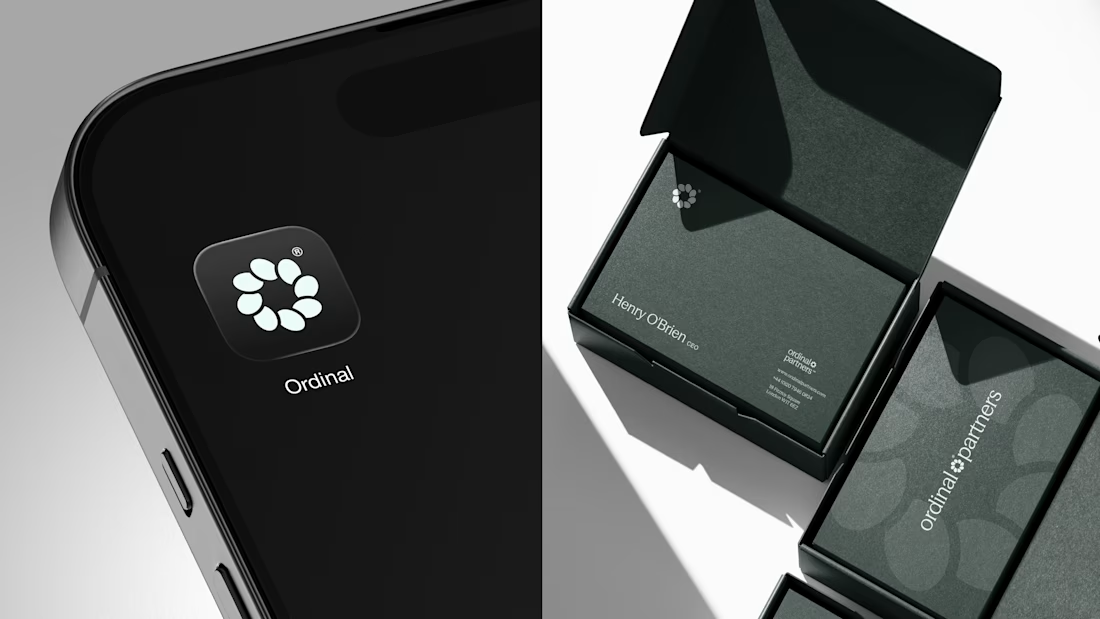
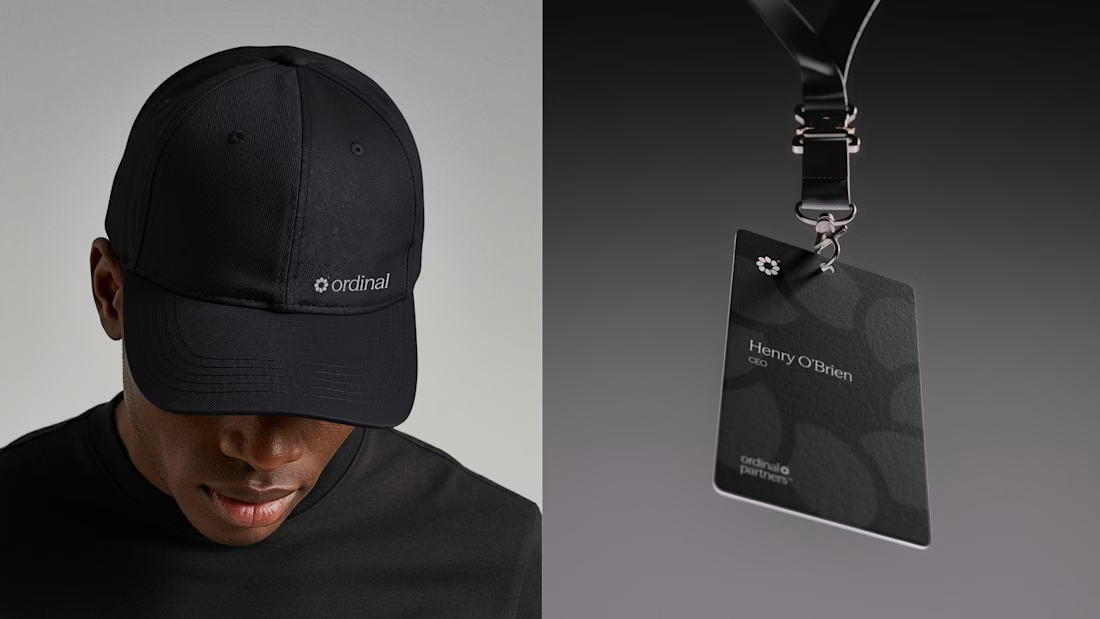

Visually appealing 🔥

🌸 A little more calm, a little less noise.
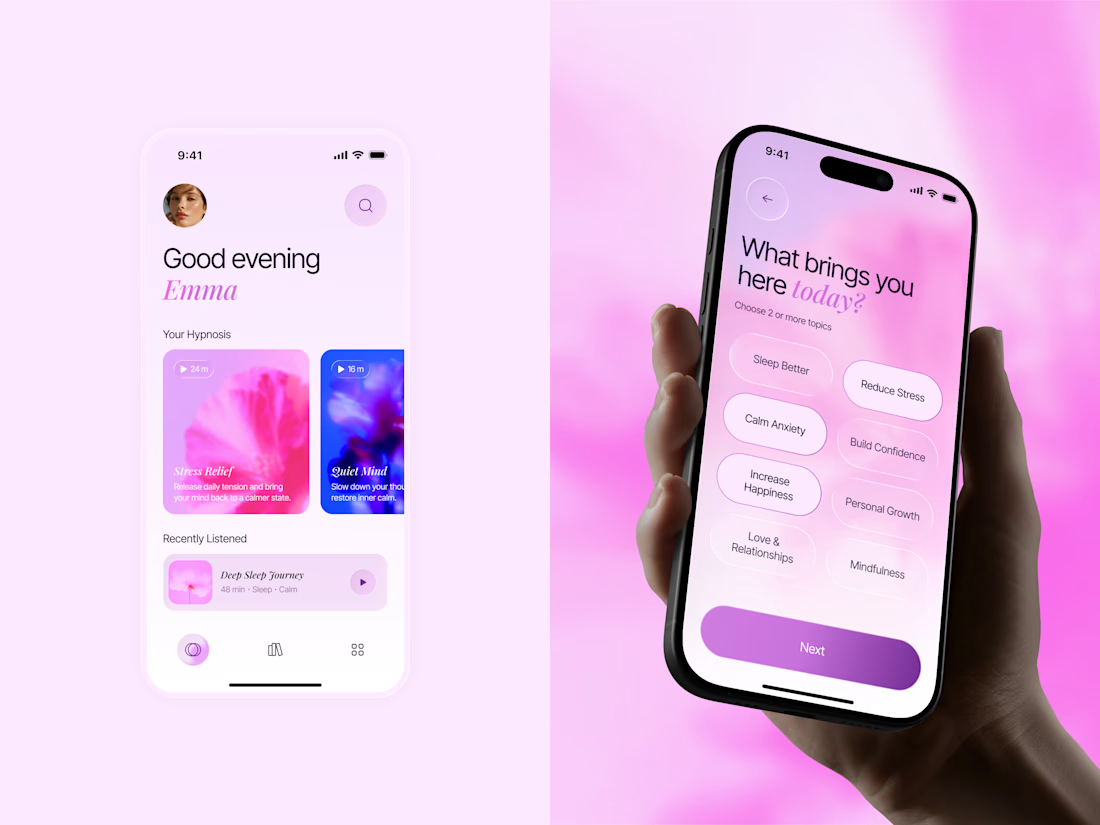
Meet Inner Bloom — a hypnosis app concept designed to help people sleep better, reduce stress, and feel more confident.
For this project, I explored a softer visual direction with dreamy pink and lilac tones, frosted glass, and floral imagery to create a calming experience that feels warm and personal.


Great concept with soft colors ❤️🎉

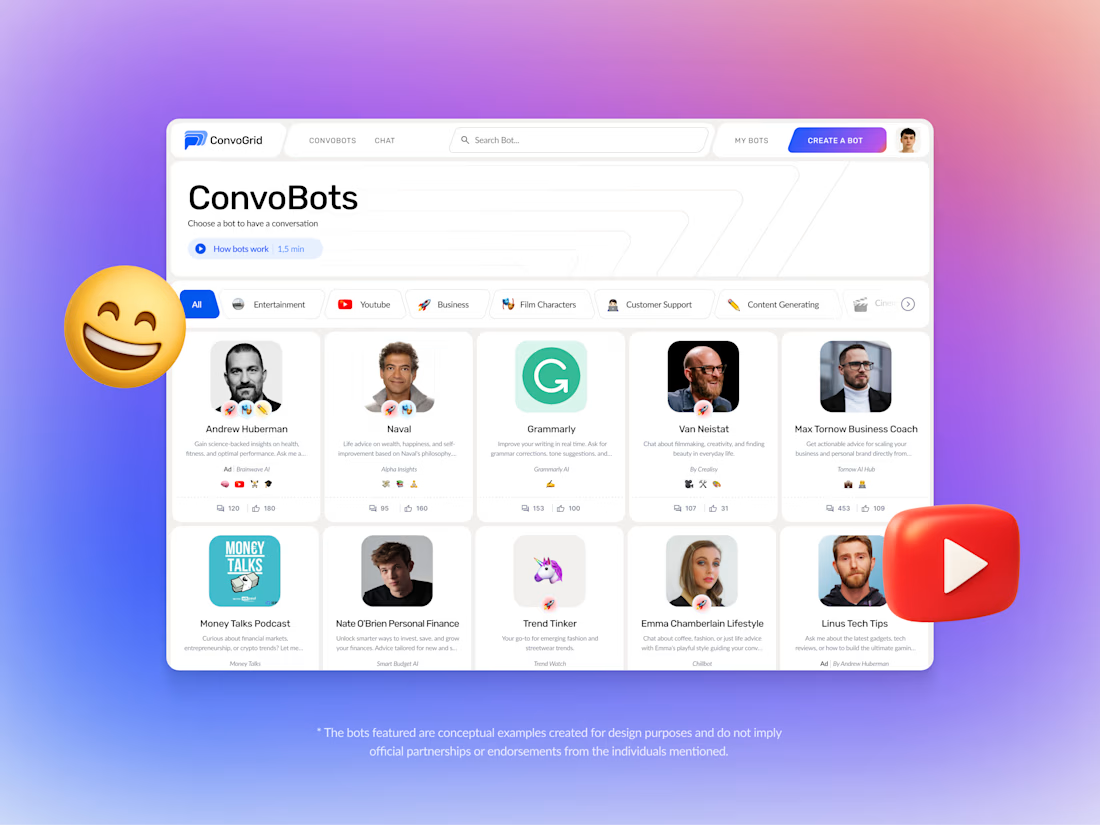
🚀 Introducing Convogrid — a new project in my portfolio.
Convogrid is a platform designed to make conversations and collaboration more structured and intuitive.
For this project, I worked through the design process from understanding the product and its core user needs to mapping user flows, exploring concepts, and crafting the final UI.
My focus was on simplifying complex interactions, creating a clear information hierarchy, and building a consistent interface that makes the overall experience easier to navigate.
Excited to share more projects and the thinking behind the design process!