The network for creativity
Join 1.25M professional creatives like you
Connect with clients, get discovered, and run your business 100% commission-free
Creatives on Contra have earned over $150M and we are just getting started
Back to feedPost

5 Common AI Prompting Mistakes That Lead to Generic Results
If AI keeps giving you generic answers, the problem might not be the model. It might be how you're prompting it.
AI tools like ChatGPT, Gemini, and Claude can help with writing, research, brainstorming, and business tasks. But the quality of their output depends partly on how clearly you communicate what you need.
Here are five common mistakes to avoid:
1. Being too vague.
“Write a good marketing email.”
Good for whom? About what? With what goal? The AI has to guess what you trully want, often leading to generic and/or false answers.
Clearly define the objective, audience, and desired outcome.
2. Leaving out context.
AI doesn't automatically know your business, brand voice, product, or situation. It can do a lot of thing, but it can't read minds... yet, maybe in the future. You should always provide the relevant background information it needs to produce a useful response.
3. Giving conflicting instructions.
Asking for a detailed explanation in 50 words, for example, can create competing demands. Prioritize your requirements and clarify what matters most when trade-offs are necessary.
Just imagine you're giving instructions to a toddler, you'd be surprised on how similar those two actually are. The core strategy is to say exactly what you want them to do using short, direct commands instead of asking questions or using negative phrases.
4. Forgetting to define the output format.
Need a table, email, checklist, or step-by-step guide? Say so. Specifying the format makes the result easier to use and reduces unnecessary restructuring.
We're trying to avoid you having to manually reformat a massive wall of text. You have a tool to do it for you, so use it.
5. Accepting the first answer without reviewing it.
Even a well-written prompt can produce inaccurate facts, weak reasoning, or unsuitable content. Review the output, verify important claims, and refine your instructions when necessary.
You'd never take something a toddler told you as law, and you should have the exact same behavior with AI.
The bigger lesson?
A prompt isn't about finding a magic phrase. It's about giving AI the information and direction it needs to do the job well, nothing more.
Better prompts won't guarantee perfect answers, but clear objectives, relevant context, and thoughtful iteration can make AI outputs more useful and consistent.
So, before switching models because you're unhappy with the results, try improving the instructions first.
Which of these prompting mistakes do you see most often?


The network for creativity
Join 1.25M professional creatives like you
Connect with clients, get discovered, and run your business 100% commission-free
Creatives on Contra have earned over $150M and we are just getting started







Related posts


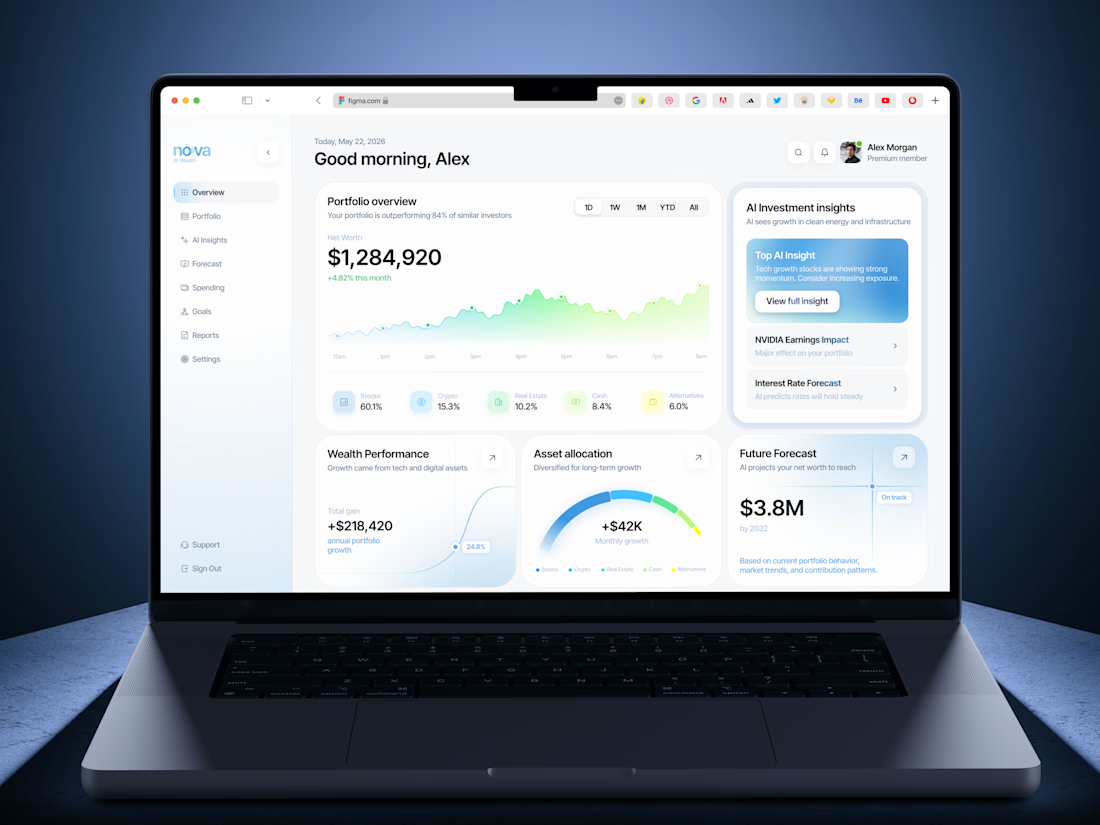
Insanely smooth and elegant dashboard concept! Love the color palette and typography. Outstanding work!


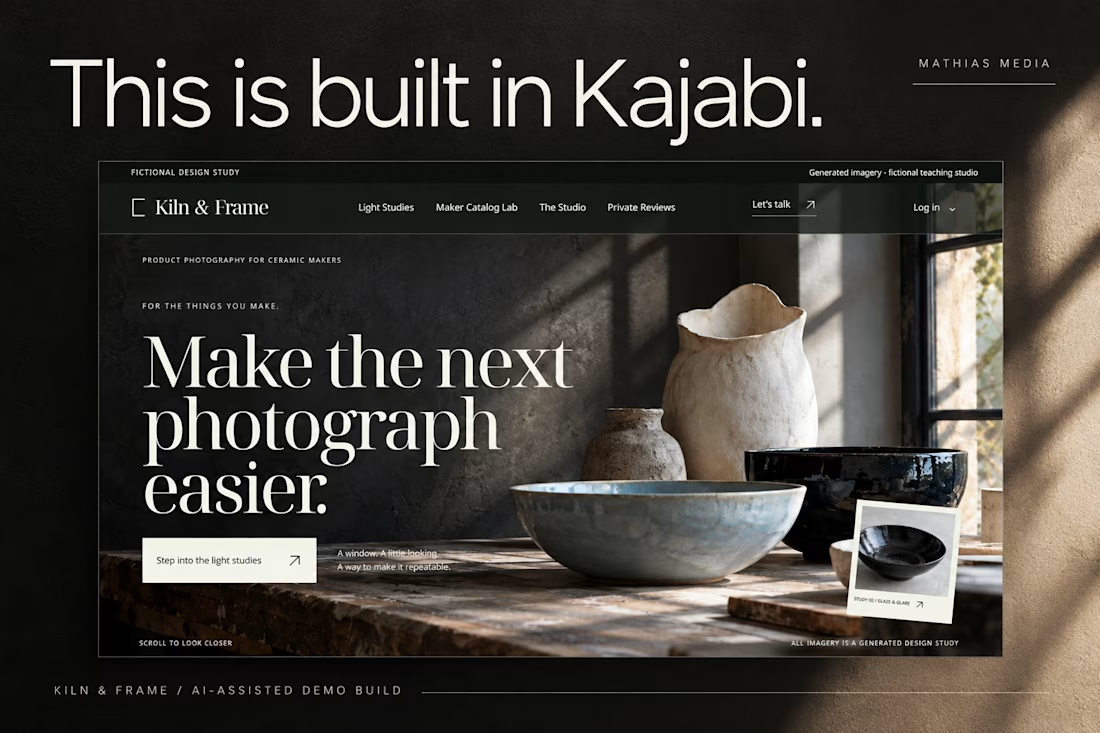
This is built in Kajabi.
Meet Kiln & Frame, a demo brand created to explore what a custom Kajabi website can look and feel like.
Editorial layouts. Rich imagery. Interactive details. And content that remains editable inside Kajabi.
Built through the AI-assisted process I’ve been developing and testing.
Pretty excited about this one.


love the editorial approach for kiln & frame. curious - how did you handle the image grids inside kajabi? i've struggled to make kajabi feel this custom without breaking the cms

DOT & KEY Skincare – Serum Packaging, Advertising & Branding Design Brand Design Product Design Label Design
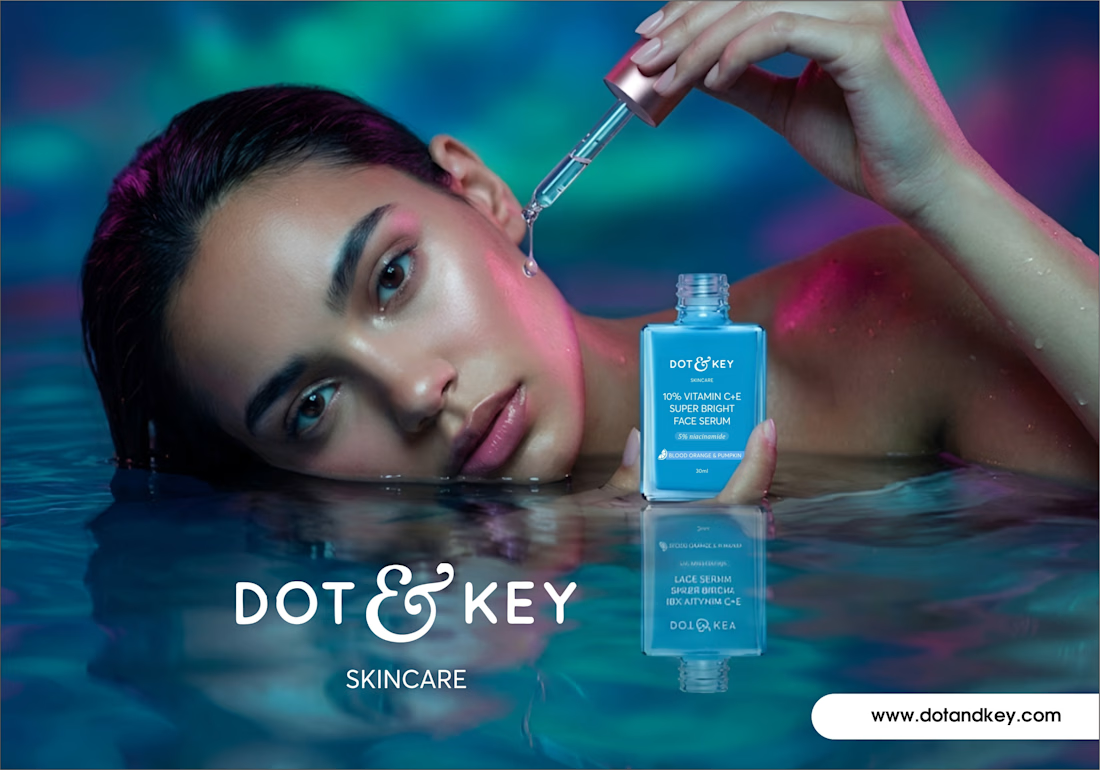
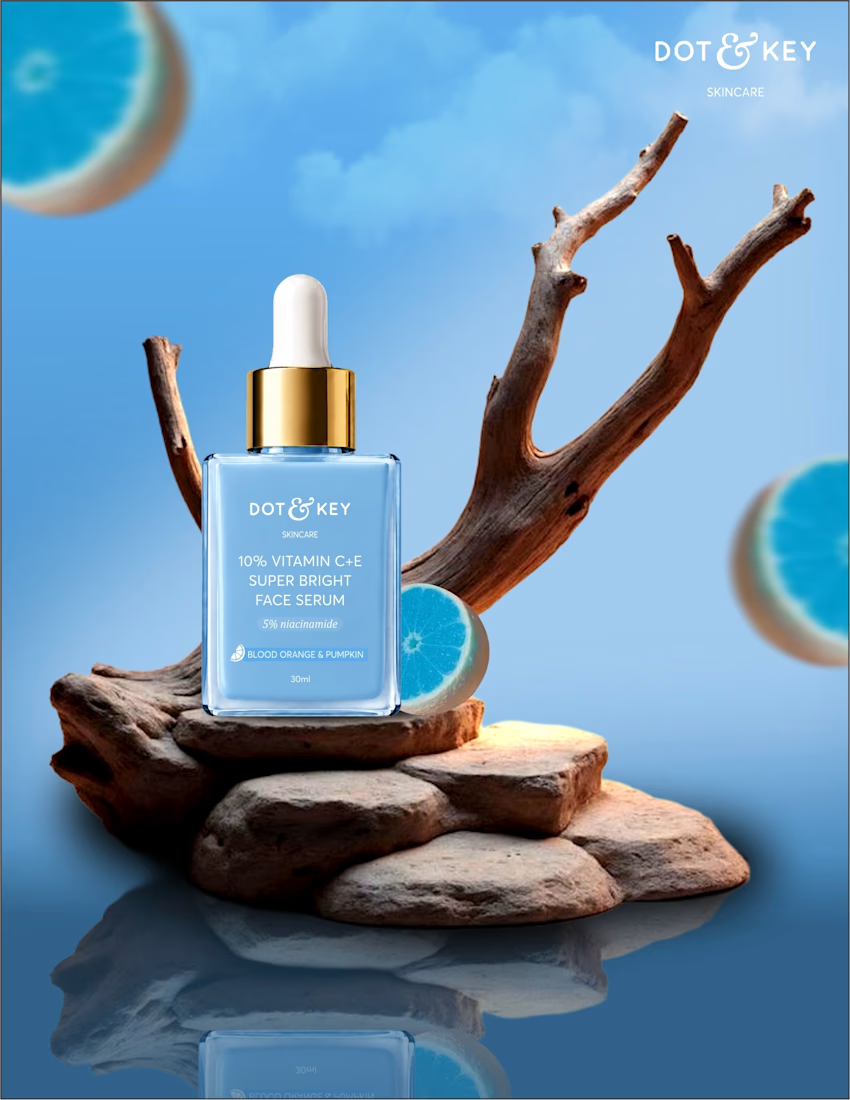
I redesigned the DOT & KEY 10% Vitamin C + E Super Bright Face Serum bottle and label with a fresh, modern, and premium visual approach. The project includes a custom product presentation, skincare campaign visuals, and realistic advertising mockups to create a cohesive brand experience.
1. Serum Bottle & Label Redesign
I redesigned the serum bottle and its label using a refreshing blue color palette, elegant gold detailing, and clean typography. The transparent glass bottle, white dropper, and premium finish create a sophisticated look while maintaining the product's skincare identity. I focused on label hierarchy, product readability, and visual balance to make the packaging look professional and appealing.
2. Skincare Campaign & Billboard Mockup
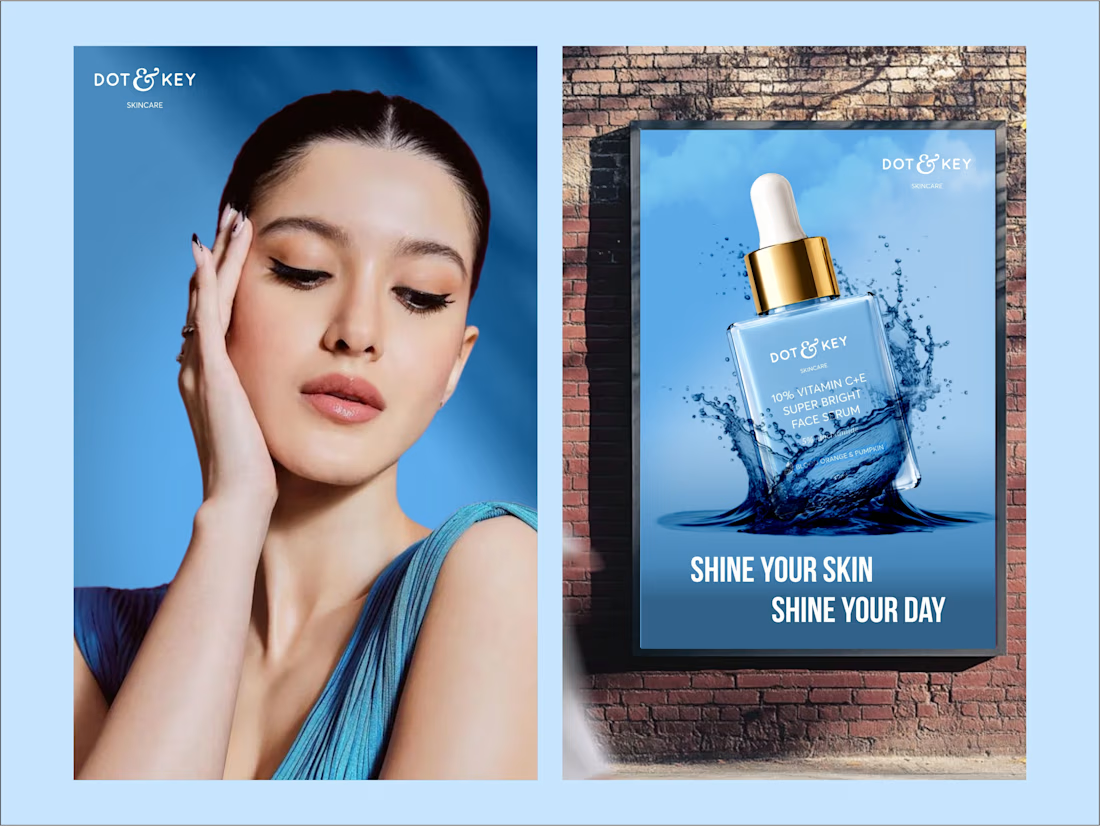
I created promotional visuals featuring beauty photography and a realistic outdoor billboard mockup. The serum bottle is highlighted with dynamic water splash effects, creating a fresh and radiant appearance. The blue background, bold headline, and carefully balanced composition help communicate the product's brightening-focused positioning.
3. Beauty Branding & Visual Identity
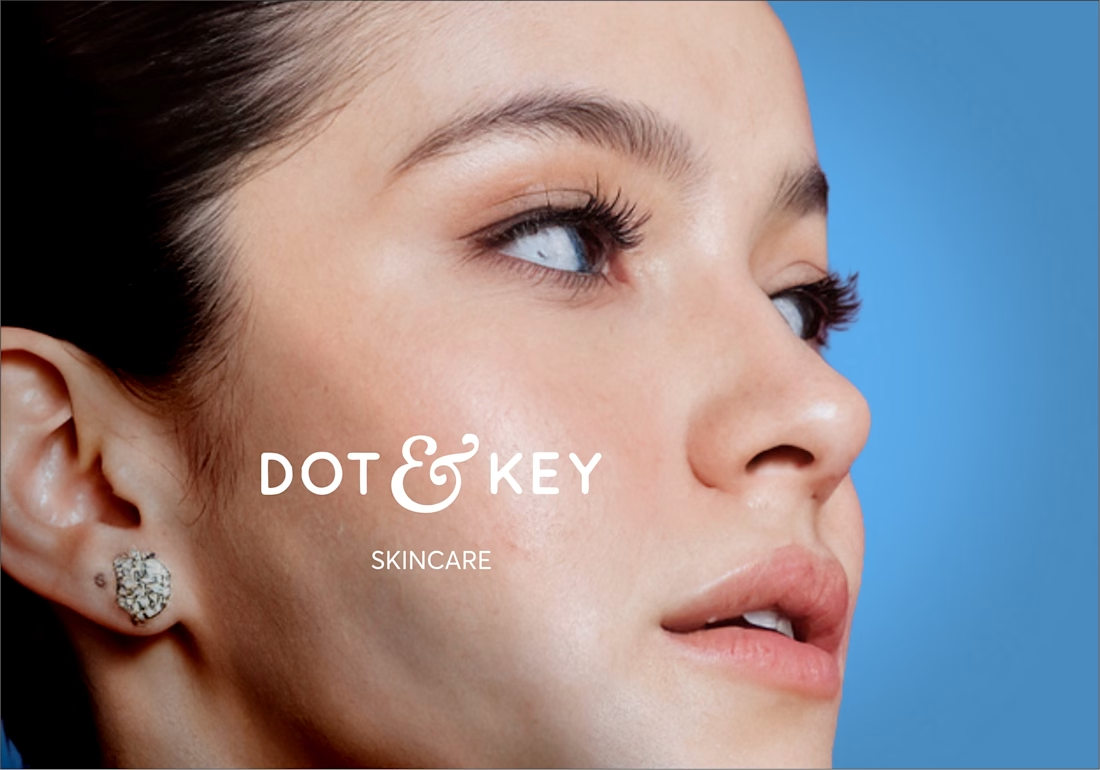
I designed a beauty-focused brand visual featuring a close-up model portrait, a clean blue background, and prominent DOT & KEY branding. The minimalist composition emphasizes skincare, beauty, and freshness while maintaining consistency with the redesigned serum packaging and advertising campaign.
Design Details
Project Type: Skincare Packaging & Advertising Design
Brand: DOT & KEY Skincare
Product: Vitamin C + E Face Serum
Packaging: Bottle and label redesign
Advertising: Billboard mockup and beauty campaign visuals
Design Style: Premium, modern, minimal, and photorealistic
Color Palette: Sky blue, aqua blue, white, and gold
Tools: Adobe Photoshop and product mockup techniques
Project Objective: To give the serum packaging a distinctive, premium appearance and develop a consistent visual identity across product packaging, beauty advertising, and outdoor promotional materials.