The network for creativity
Join 1.25M professional creatives like you
Connect with clients, get discovered, and run your business 100% commission-free
Creatives on Contra have earned over $150M and we are just getting started
Back to feedPost

FIRST TIME ON GROUND — a fashion film shot across Egypt, except nobody went to Egypt.
The reference: a real brand film that took 7 days of shooting across the country. I reverse-engineered its edit down to the frame — one 4.5-second opening hold, cuts accelerating from 1s to 0.5s, a one-second strobe burst on the drop, then two seconds of stillness to close. That rhythm is why those films feel expensive.
Then I rebuilt the whole thing from zero:
• 14 scenes, directed from a full shotlist before generating a single frame
• Keyframes in Nano Banana Pro — one locked style system (crimson-amber silhouettes + high-contrast B/W for negative flashes)
• Motion in Seedance 2.0 — one decisive camera move per shot, the cutting rhythm lives in the timeline, not the prompt
• Title cards generated too, projector flicker included, in a single multishot pass
• Graded and cut in Premiere
Solo. Zero flights. The edit does 60% of the work — the footage does 40%.
This is the production model I bring to launch films and brand films: a real location shoot's craft, without the location. If you're launching something and want a film like this, Lets Talk!
AI Content CreationAI Video ProductionVideo EditingAdobe Premiere ProHiggsfield AIClaudeaivideoaigold


Amazing
Thanks


Amazing
Thanks

The reverse-engineering the edit rhythm first is the part most people skip entirely. That 4.5s hold into accelerating cuts is exactly why the reference feels expensive, and you clearly get that. Curious, did you lock the shotlist to the edit rhythm from the start, or did the...
I locked the edit rhythm from the start

Wow 😍
Thanks
The network for creativity
Join 1.25M professional creatives like you
Connect with clients, get discovered, and run your business 100% commission-free
Creatives on Contra have earned over $150M and we are just getting started

Challenges
View all


Related posts

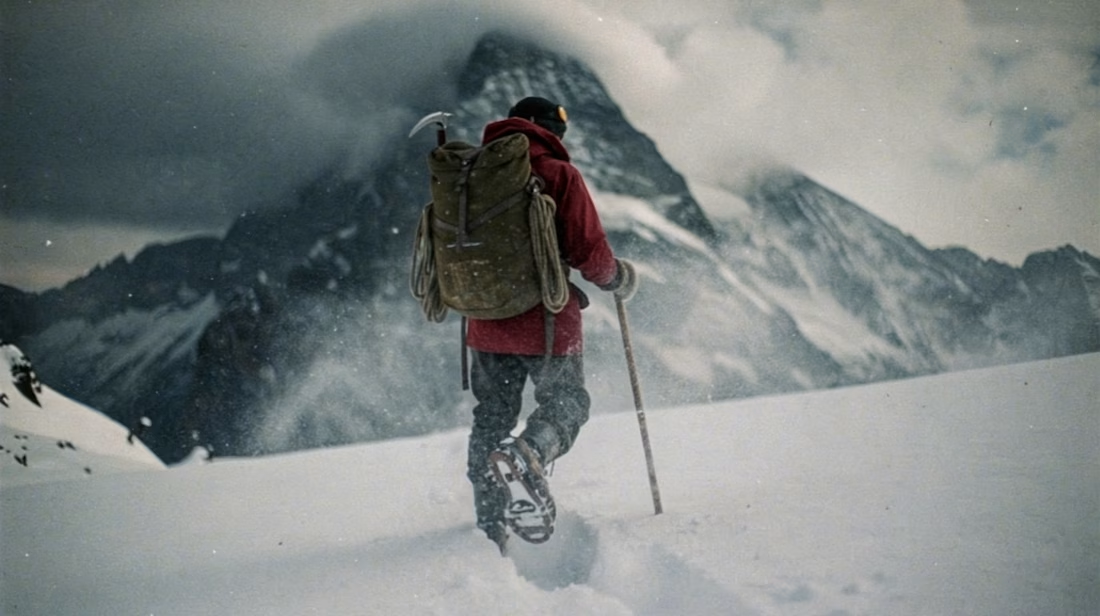
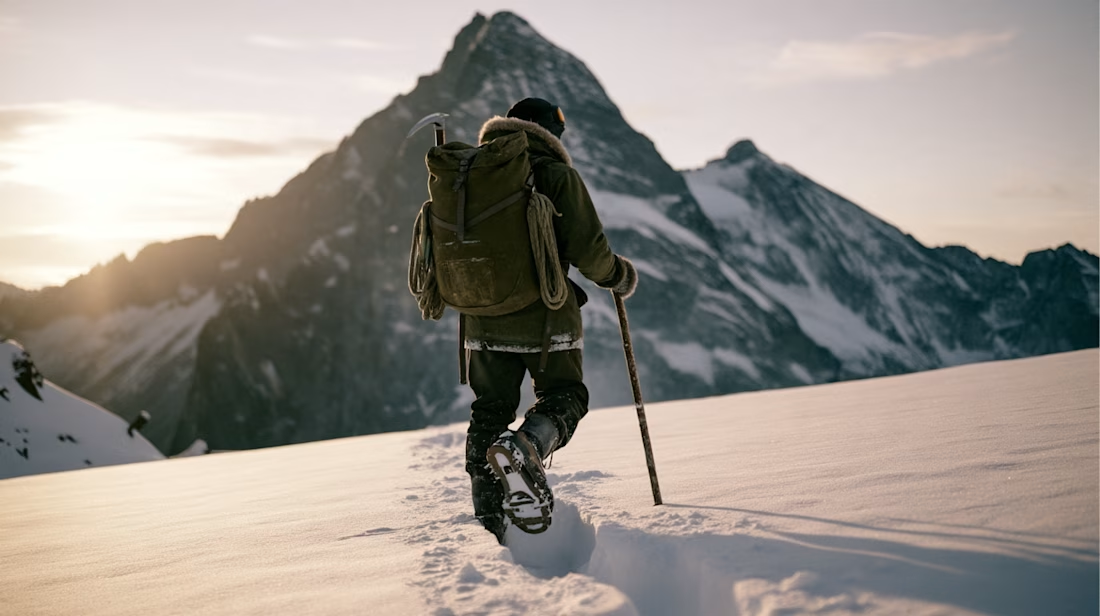
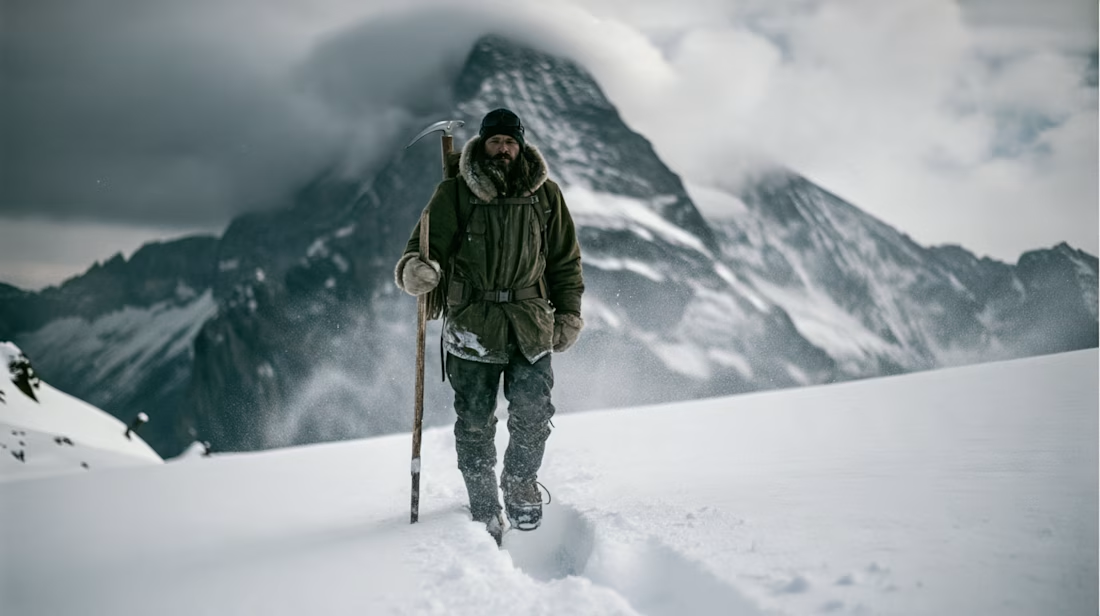
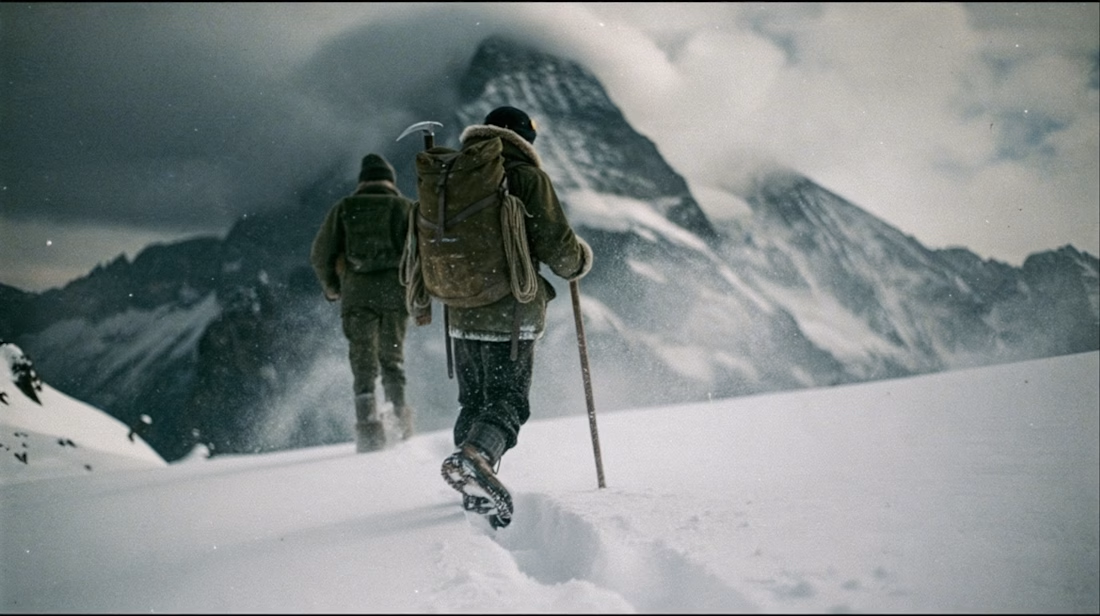
What happens when you take a hero frame from an AI-generated video and push it back into an image edit model?
This weekend I took a still from a recent Seedance 2.5 piece I made —depicting a solo mountaineer in a harsh alpine environment — and ran it through Midjourney's new v8.2 edit model to see how far I could iterate on a single frame without regenerating from scratch.
Tested wardrobe swaps, environment shifts, and style transfers.
Video walkthrough of the process coming in a separate post.


This looks cool


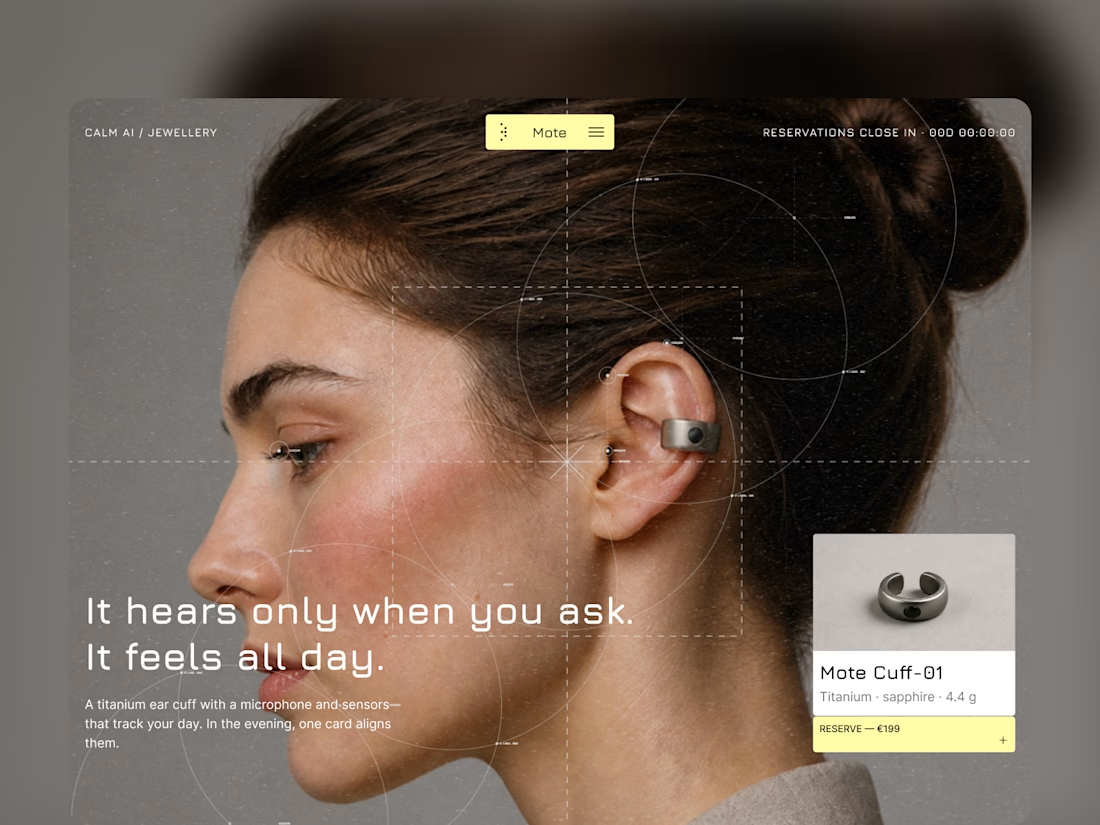
Mote is a pre-order landing page template for hardware and physical products, built in Framer.
It covers the whole run-up to a launch: a cinematic hero, a scroll-scrubbed product film, a spec table, a reservation countdown, two pricing options, FAQ and testimonials, plus a reserve page with a working form, a terms page and a 404.
Who it is for: hardware startups opening pre-orders, wearables and consumer electronics launches, limited runs, and agencies building launch pages for product clients.
You get the template as an instant Framer remix link, or the bundle with the Figma design file. $79 one time, $119 with Figma.
Live preview: mote.framer.ai



I noticed that you have not only named it purpose forbphysical products, but also made it actually feel like physical on the design too. Great approach and design!

My first digital product is here! 🔥
The Unique Characters (Vol. 1) is a collection of 17 original AI characters, each with a unique fashion wardrobe, multi-angle character sheets, and custom-designed voice.
https://contra.com/products/kcbvZ9NN-the-unique-characters-vol-1-17-ai-characters-for-filmfashion

