The network for creativity
Join 1.25M professional creatives like you
Connect with clients, get discovered, and run your business 100% commission-free
Creatives on Contra have earned over $150M and we are just getting started
Back to feedPost

A confusing letter can turn an everyday task into something overwhelming — especially when it concerns your child, your benefits, or your health coverage.
I built Letterstep to help people understand what a letter says, what it asks them to do, and where to start.
Paste a letter or import a .txt file, then ask questions in a conversational interface. Letterstep provides a plain-language explanation, separates deadlines from other dates, and connects suggested actions to the original wording. You can select the preparation tasks you want to keep and download or print them with supporting quotations.
FamilyCase brings related letters together, with fictional examples covering school meetings, Virginia SNAP preparation, and medical coverage. The goal is to help families prepare for a conversation — without making eligibility decisions or pretending to replace professional advice.
The walkthrough also previews a navigator handoff inside the same chat. Users review the context before continuing. This call is clearly labelled as a simulation; no live operator is contacted.
I designed the experience locally, then implemented and refined it with Codex and Base44. I tested the journey in Chrome, including mobile layouts, real text-file imports, live AI responses, source references, and selected-task exports.
My focus was making a stressful moment feel manageable: a calm interface, the original letter always within reach, and one clear next step.

The network for creativity
Join 1.25M professional creatives like you
Connect with clients, get discovered, and run your business 100% commission-free
Creatives on Contra have earned over $150M and we are just getting started



Related posts


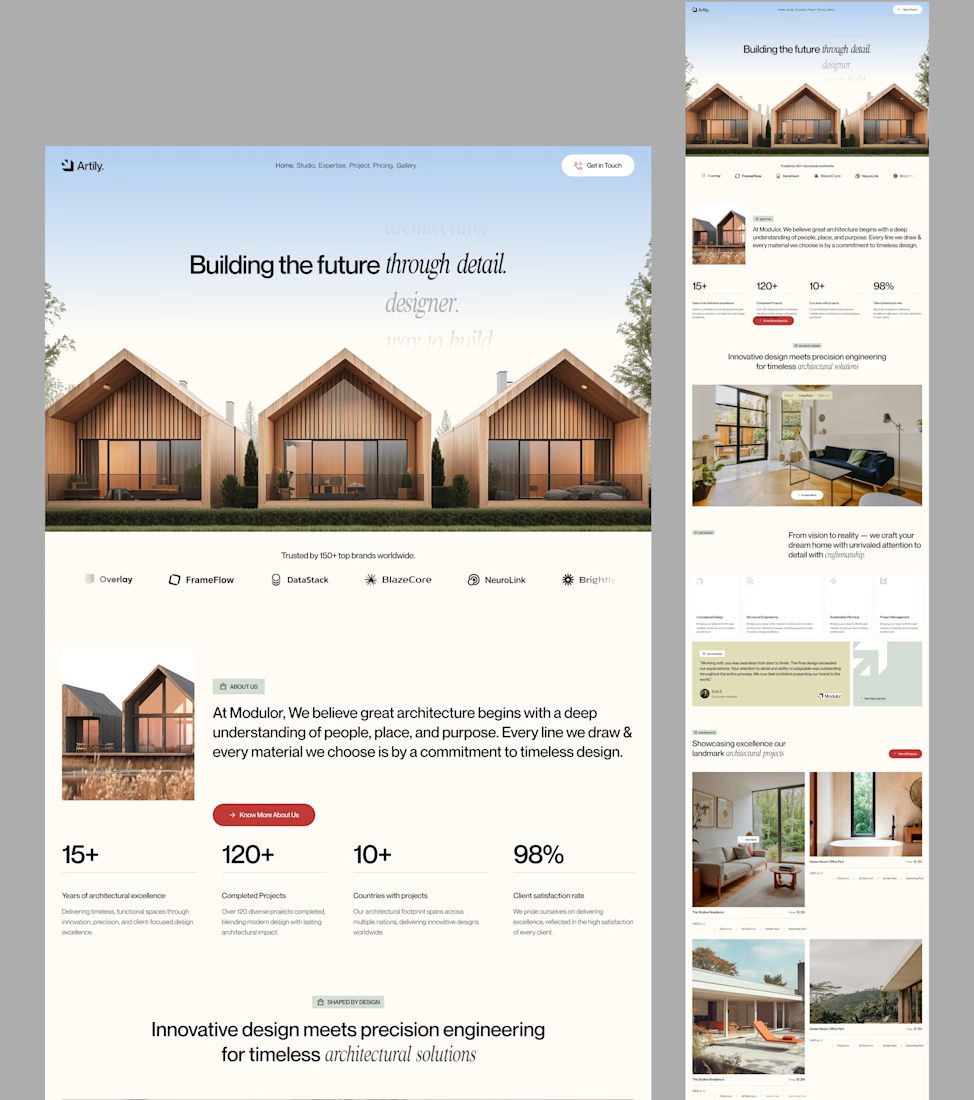
Modulor: a website template for architecture firms.
The stats row sits right under the hero, not buried on an about page.


Elegant and professional looking design👌

Where did your best idea go last month?
Not the one you finished. The one in a tab you closed, a note you can’t find, a draft you overwrote.
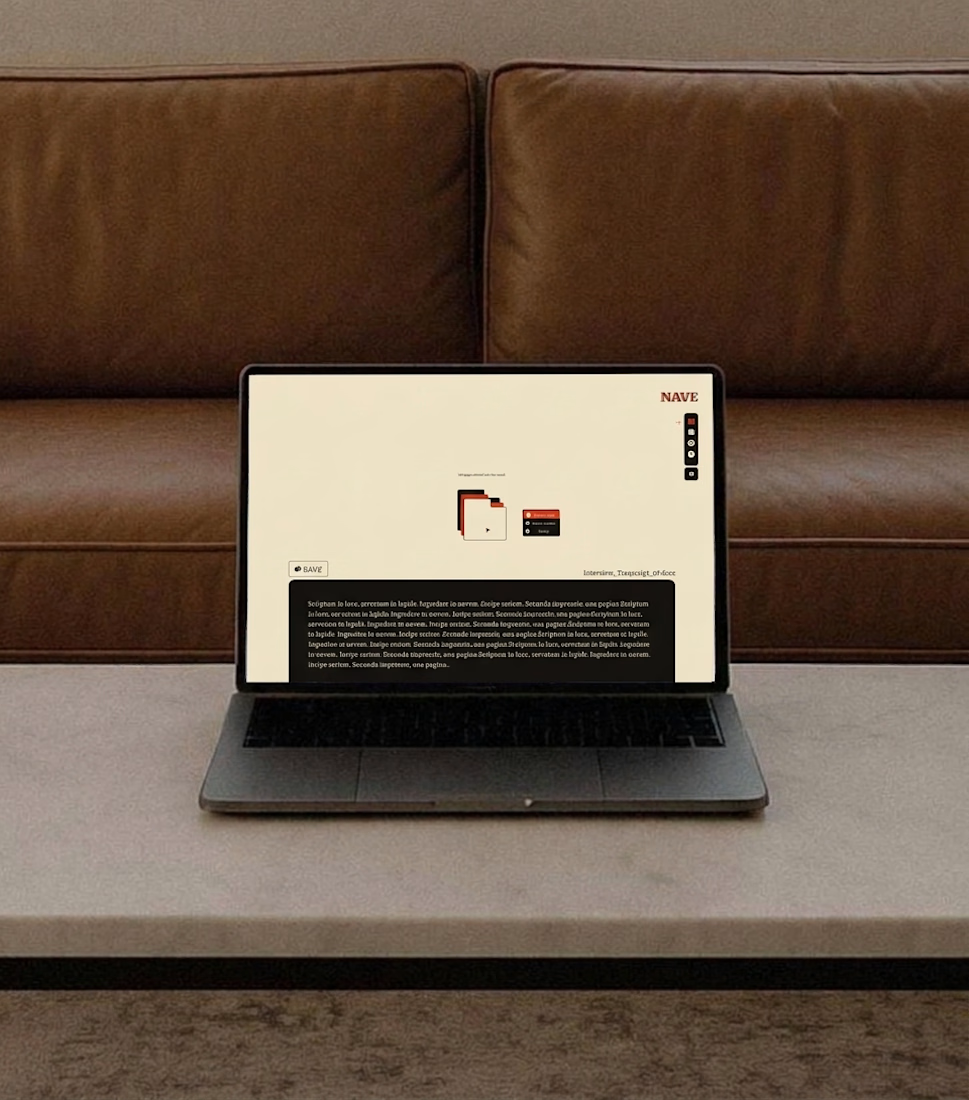
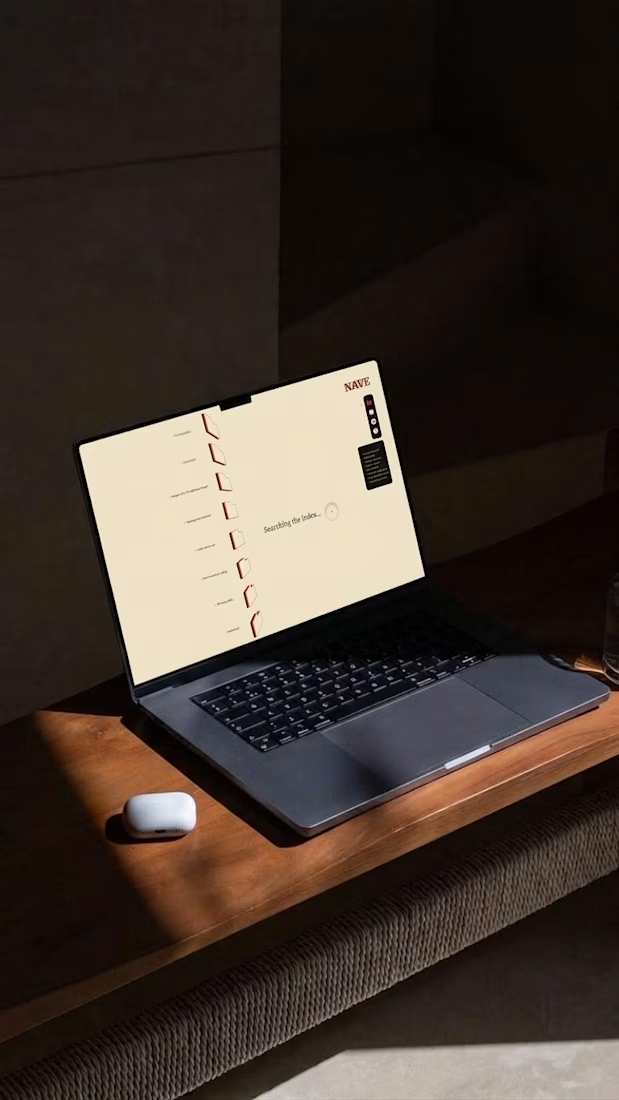
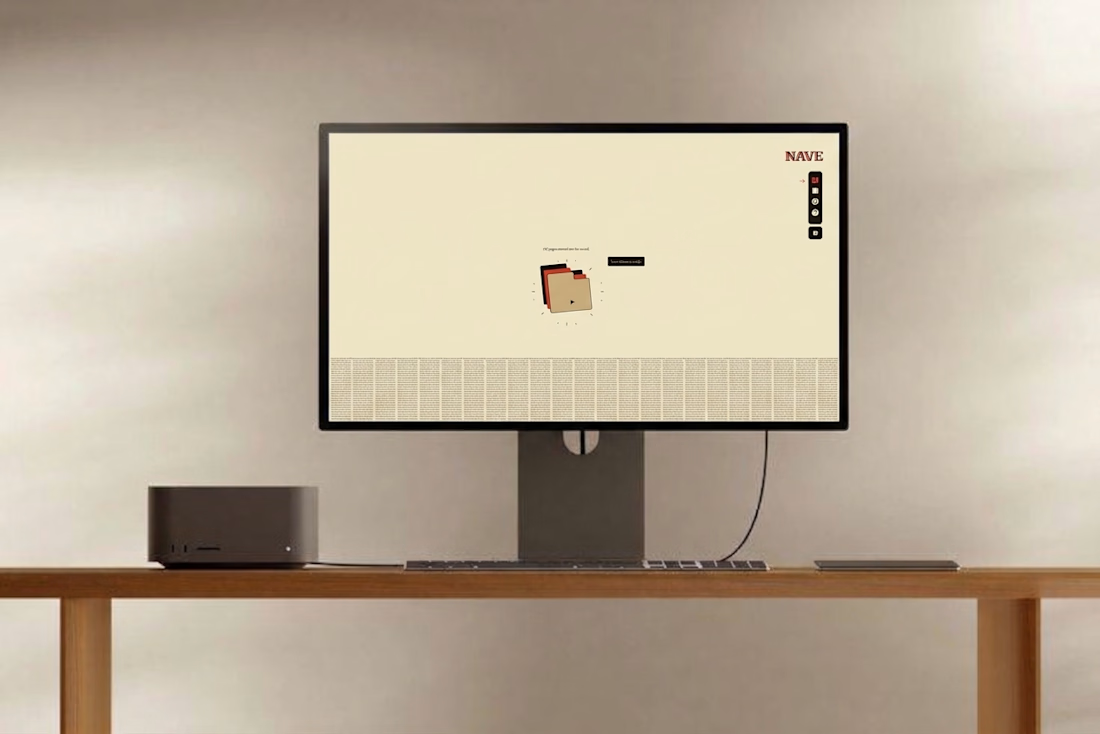
NAVE keeps all of it, every revision, searchable by whatever you half remember.
Written in light. Kept in stone.

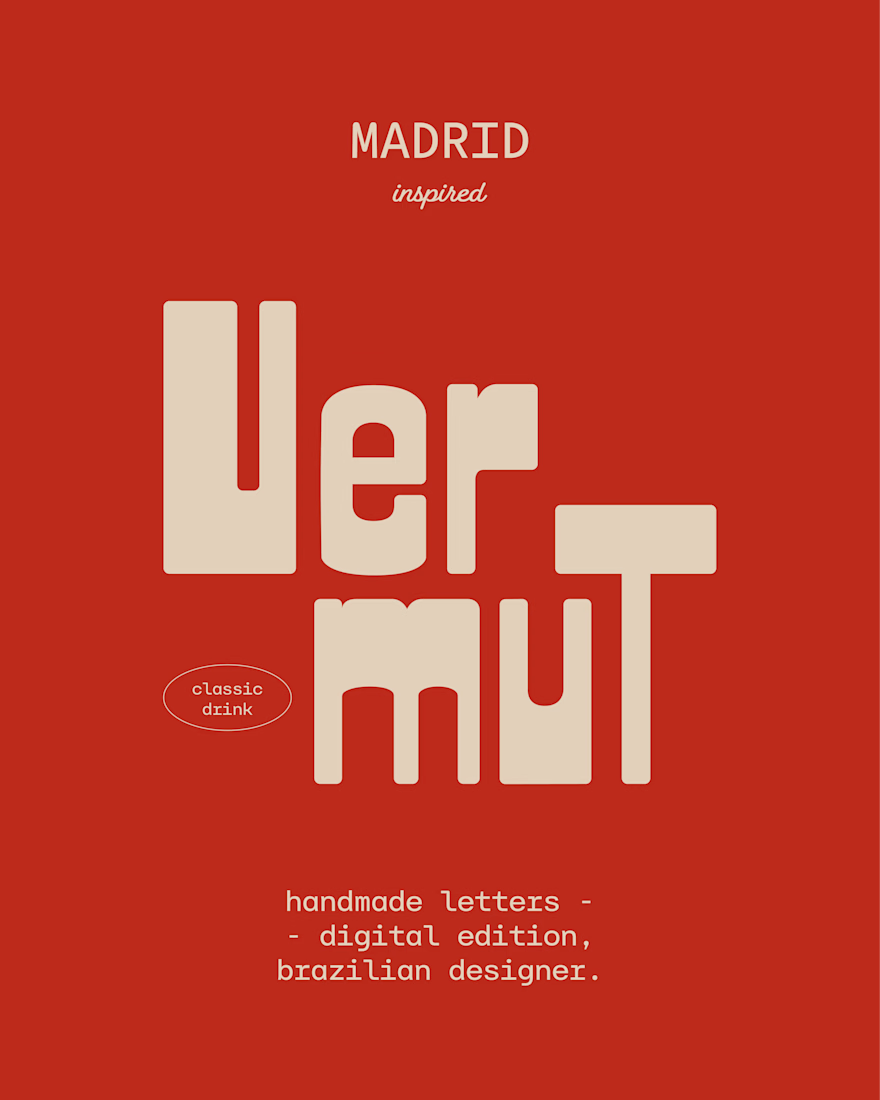
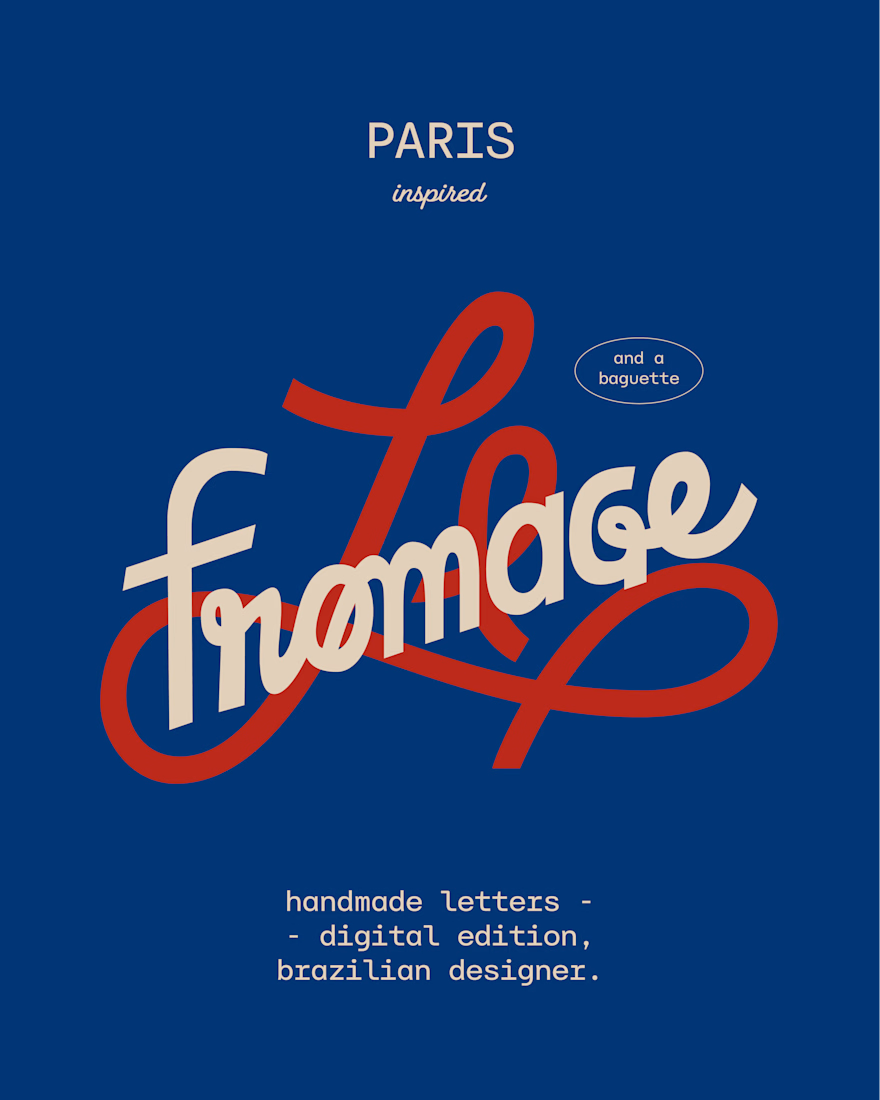
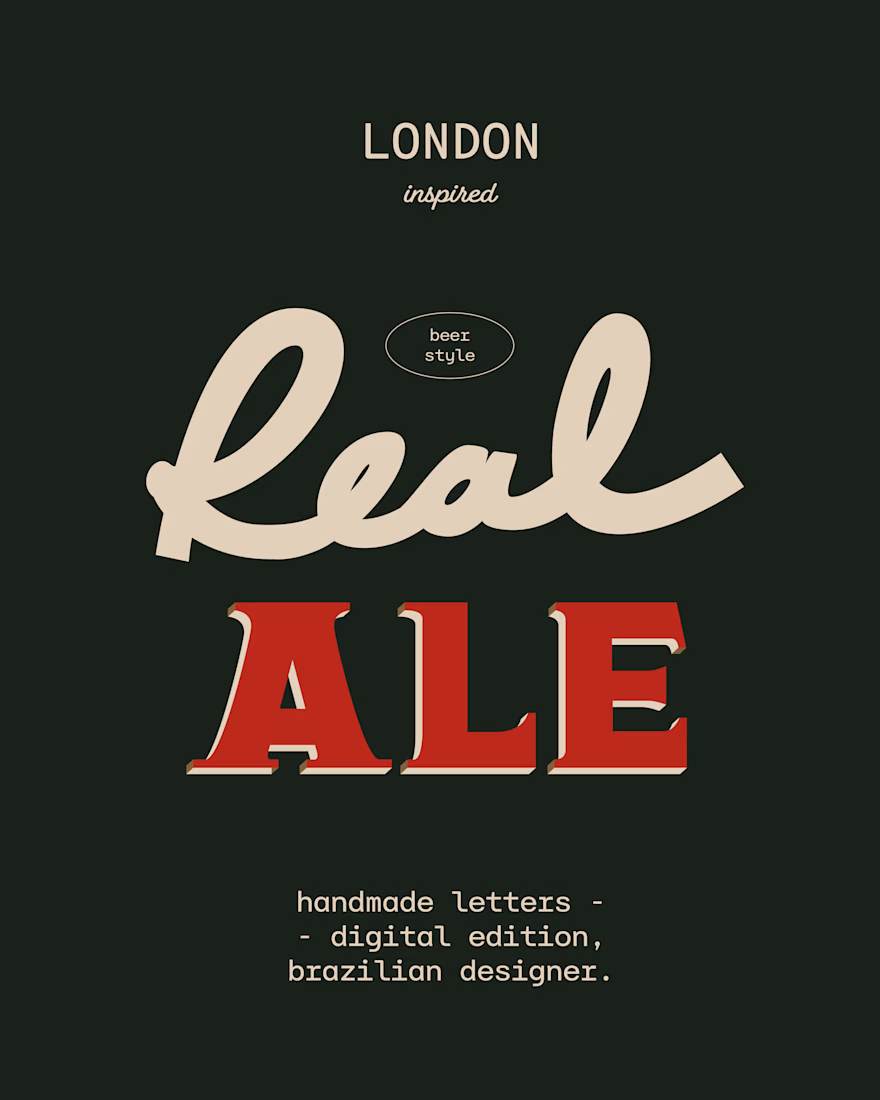
For nearly 10 years, I’ve made it a habit to create casual lettering pieces whenever I go on vacation. I started out using just pen and paper—no rough drafts—and have gradually "evolved" over the years.
During a long vacation trip these past few weeks, I ended up creating three pieces—one for each destination. This time, instead of using the names of the locations, I chose words and expressions directly connected to the local culture. The pieces relate to one another through a shared color palette and the specific typefaces I designed, intentionally steering clear of the usual clichés associated with each place.
I’ll admit that part of me still creates out of a sense of obligation—a feeling that I need to be producing something all the time—but the other part simply enjoys the process. I see it as an opportunity to explore creative paths that aren’t always feasible in my day-to-day projects—which is perhaps my favorite part of the whole experience :)