The network for creativity
Join 1.25M professional creatives like you
Connect with clients, get discovered, and run your business 100% commission-free
Creatives on Contra have earned over $150M and we are just getting started
Back to feedPost

Runway Review: House of Olé at SAFW
An immersive editorial critique published in the Wits Vuvuzela, analyzing House of Olé’s multidisciplinary "living gallery" showcase at South African Fashion Week.
This piece highlights my ability to dissect complex designer philosophies, garment tailoring, and structural choices on the runway for a digital audience.


The network for creativity
Join 1.25M professional creatives like you
Connect with clients, get discovered, and run your business 100% commission-free
Creatives on Contra have earned over $150M and we are just getting started
Related posts

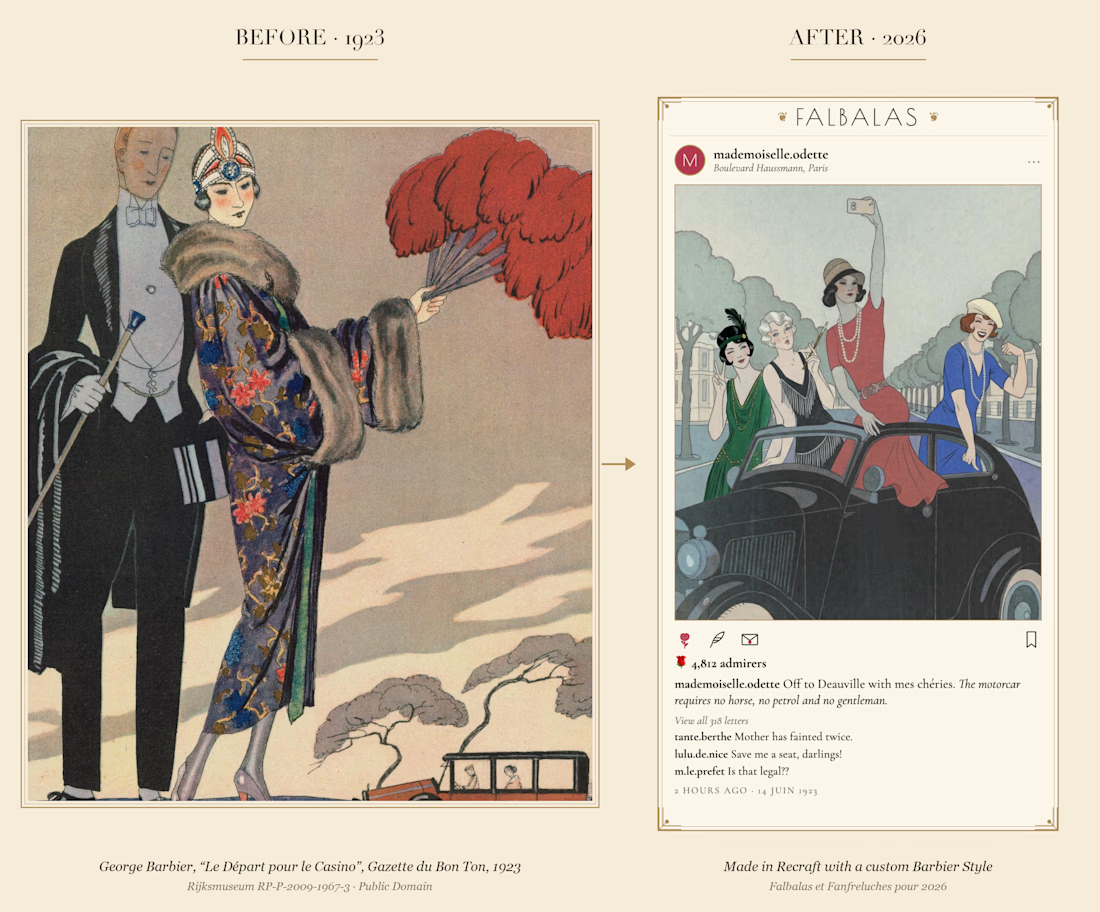
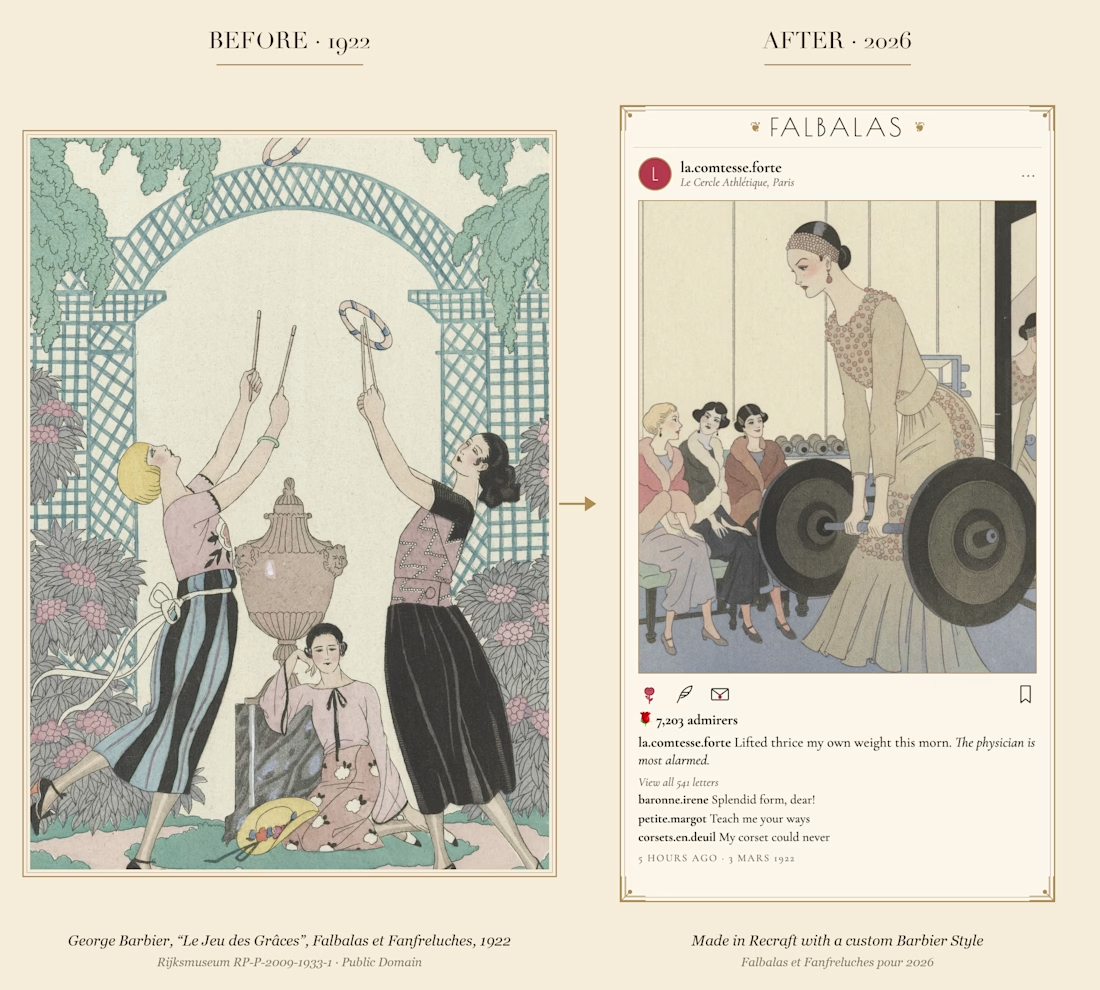
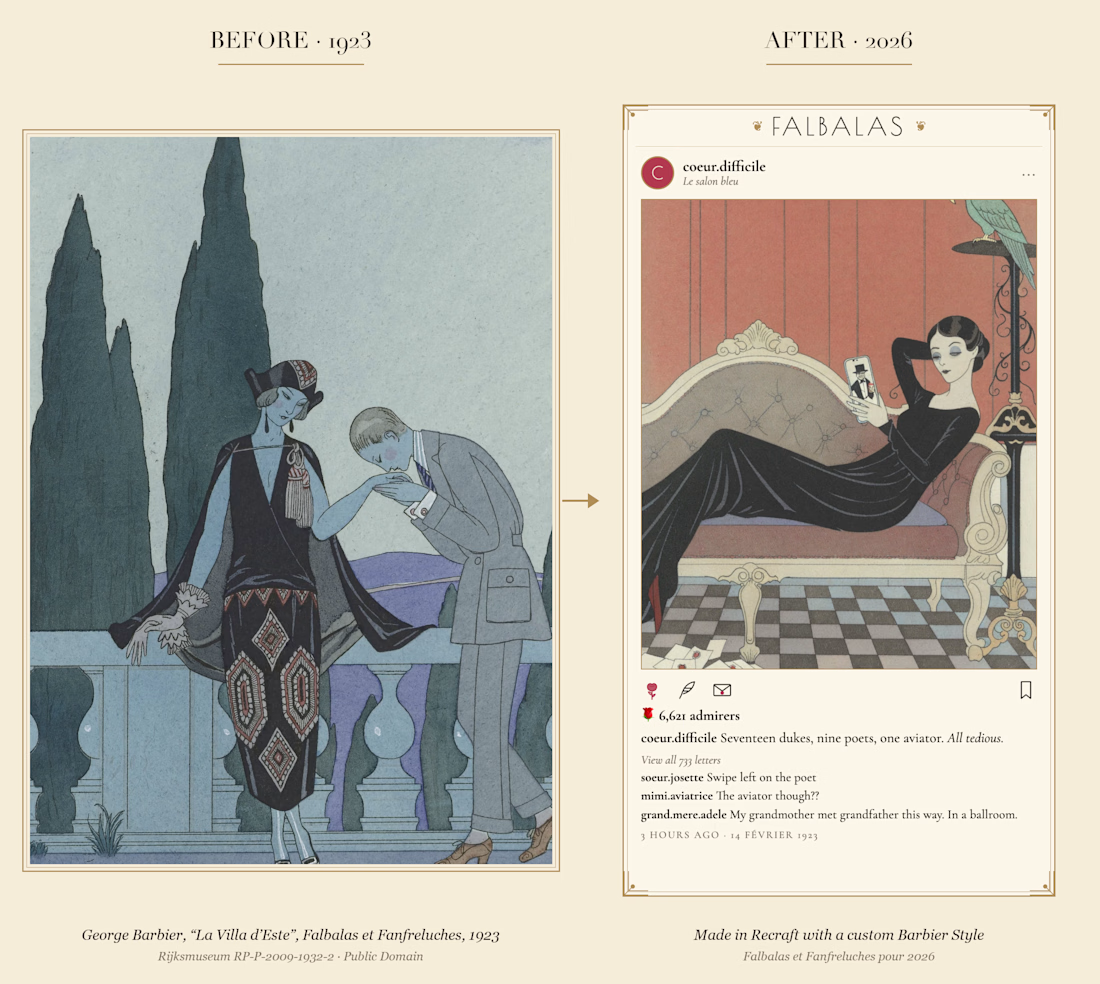
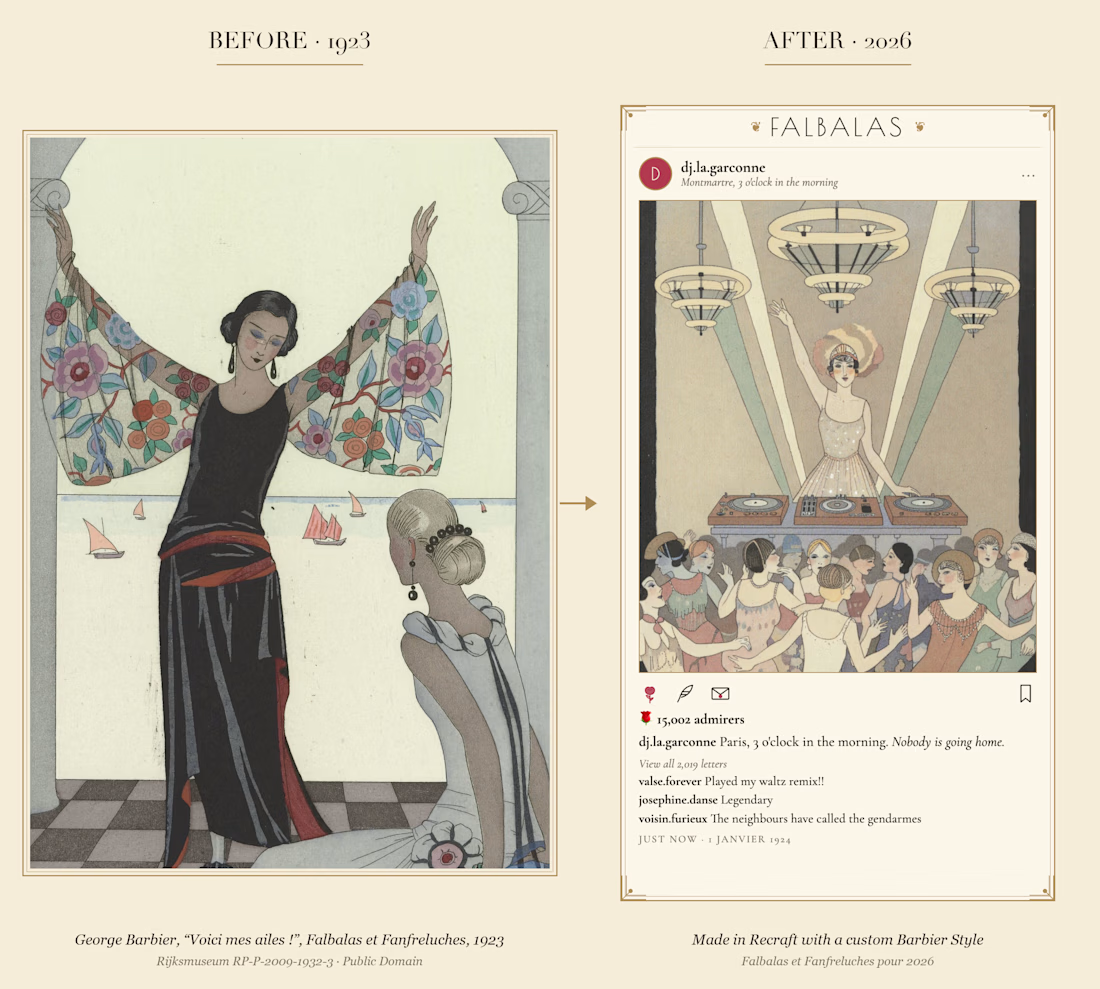
While digging through the Rijksmuseum's public domain collection, I found George Barbier's Falbalas et Fanfreluches, a 1920s almanac of hand-stenciled fashion plates that promised fashions "present, past & future."
I built a custom Recraft Style from 10 of his plates, cropping away captions and borders so only his jewel-toned colors, elegant linework, and
confident Parisiennes remained.
Then I gave Barbier the future edition he never got to make: his women deadlifting, running boardrooms, livestreaming makeup tutorials, swiping through suitors and DJing until dawn.
Each scene is presented as a post on Falbalas, an imaginary 1920s social feed where the admirers are many and the comments are scandalized.
It's a celebration of women taking up space, drawn in the style of an artist who always made them the most powerful people in the room.


Present, past, future..wow! All in one, amazing work!

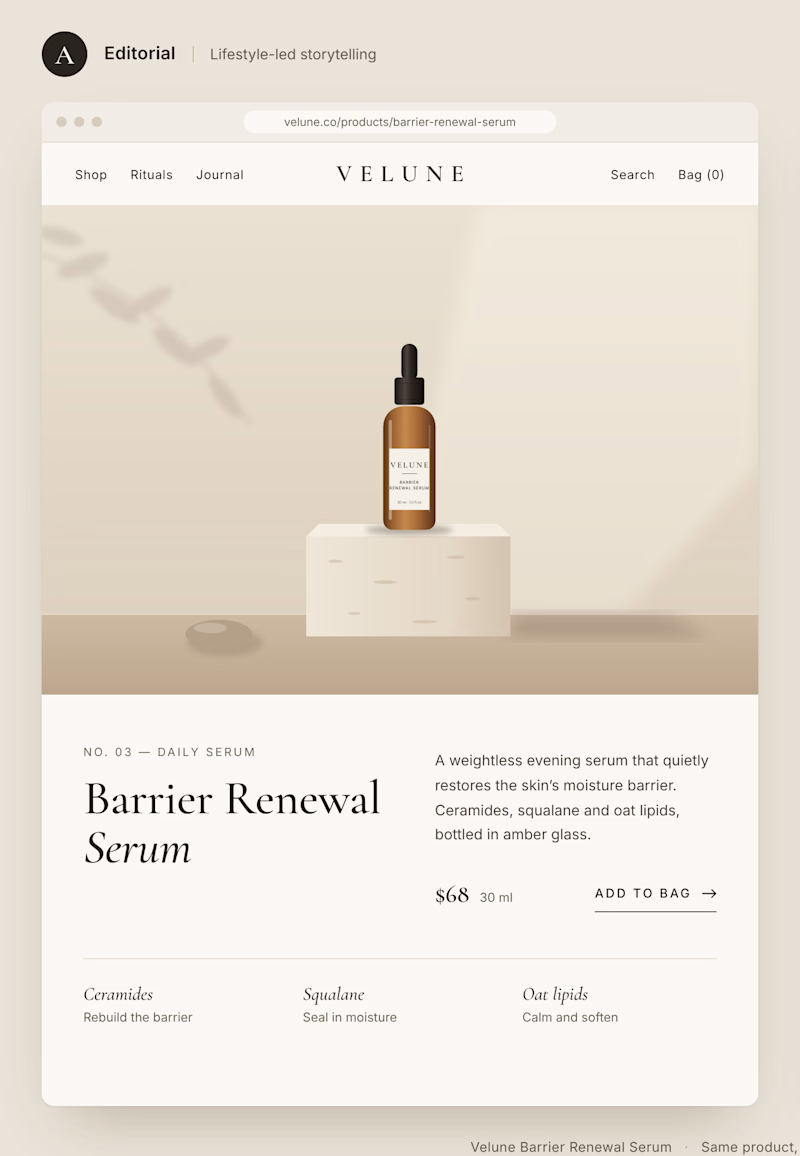
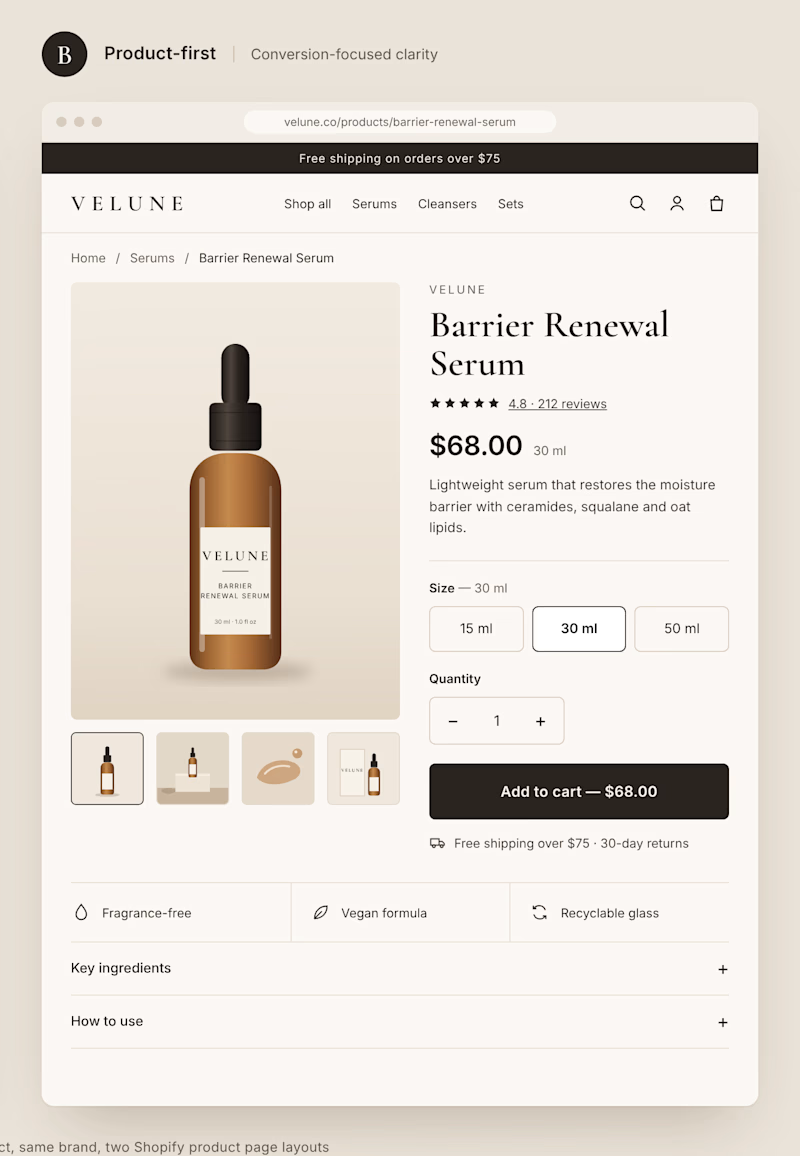
Two different approaches to the same Shopify product page.
Option A: Editorial layout. Large imagery, generous spacing, and a stronger focus on brand storytelling.
Option B: Product-first layout. Clear pricing, visible product options, and a prominent Add to Cart button.
Both can look great, but they create very different shopping experiences.
If you were building a premium DTC brand, which direction would you choose?
A or B? And why?
1 voted
11%
8 voted
89%
9 votes
Closed

Love the comparison! Option A feels more premium and brand-driven, perfect for this product. Option B is more direct for conversions. Both are solid!

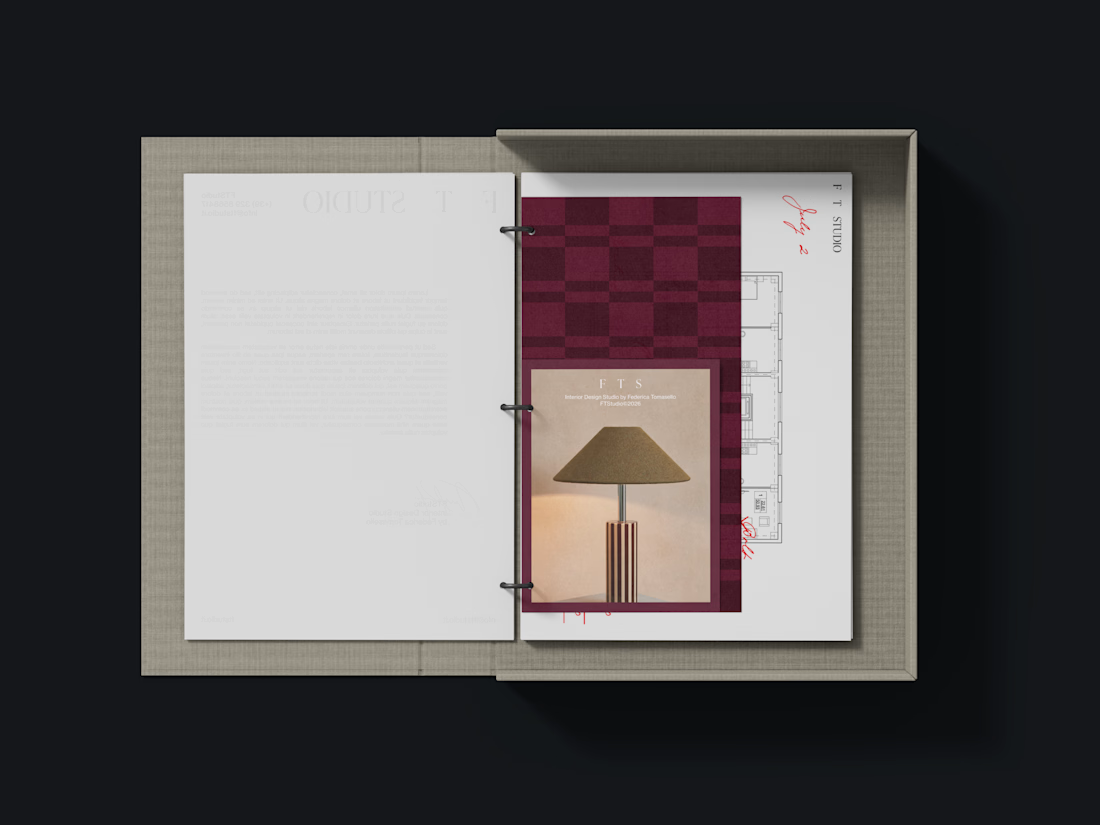
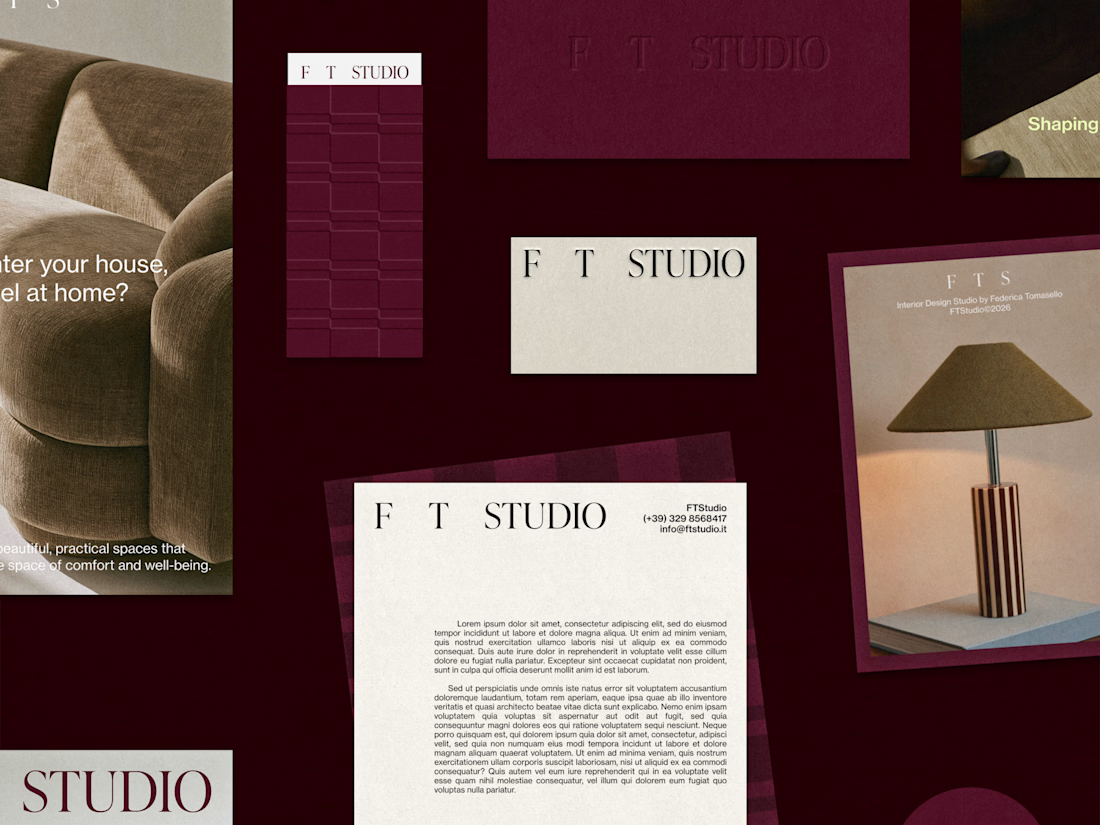
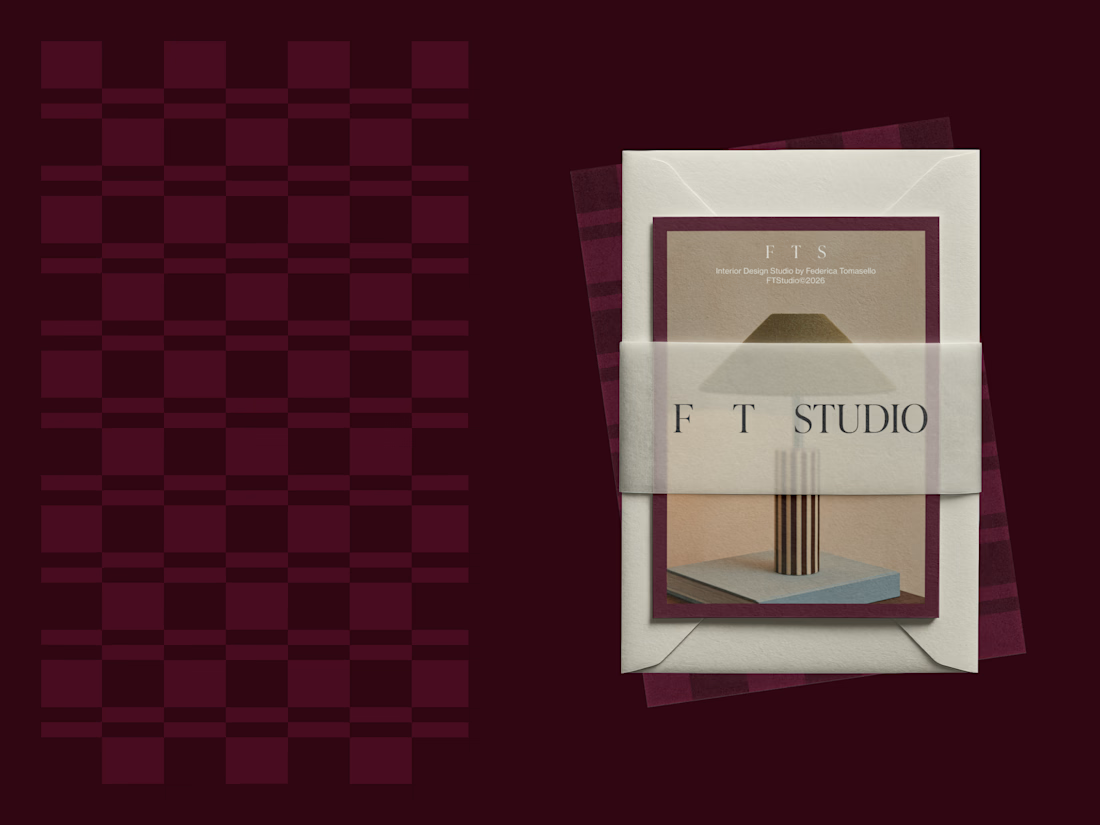
Good morning! It always is when it comes to designing ✨stationery✨.
My love for printed objects and, more generally, for editorial design finds peace in designing grids and layouts.
The set I designed for FT Studio, Interior Design Studio by Federica Tomasello, features a 6x9 grid and a pattern, both following the proportions of the logo.
Space, in this case the space of the page, is once again the protagonist of this brand identity.
If you'd like to read the full case study, you can find it at the link: Enjoy it!
Hope you like it!😊
alessia.


Great work!