The network for creativity
Join 1.25M professional creatives like you
Connect with clients, get discovered, and run your business 100% commission-free
Creatives on Contra have earned over $150M and we are just getting started
Back to feedPost
Taste Test

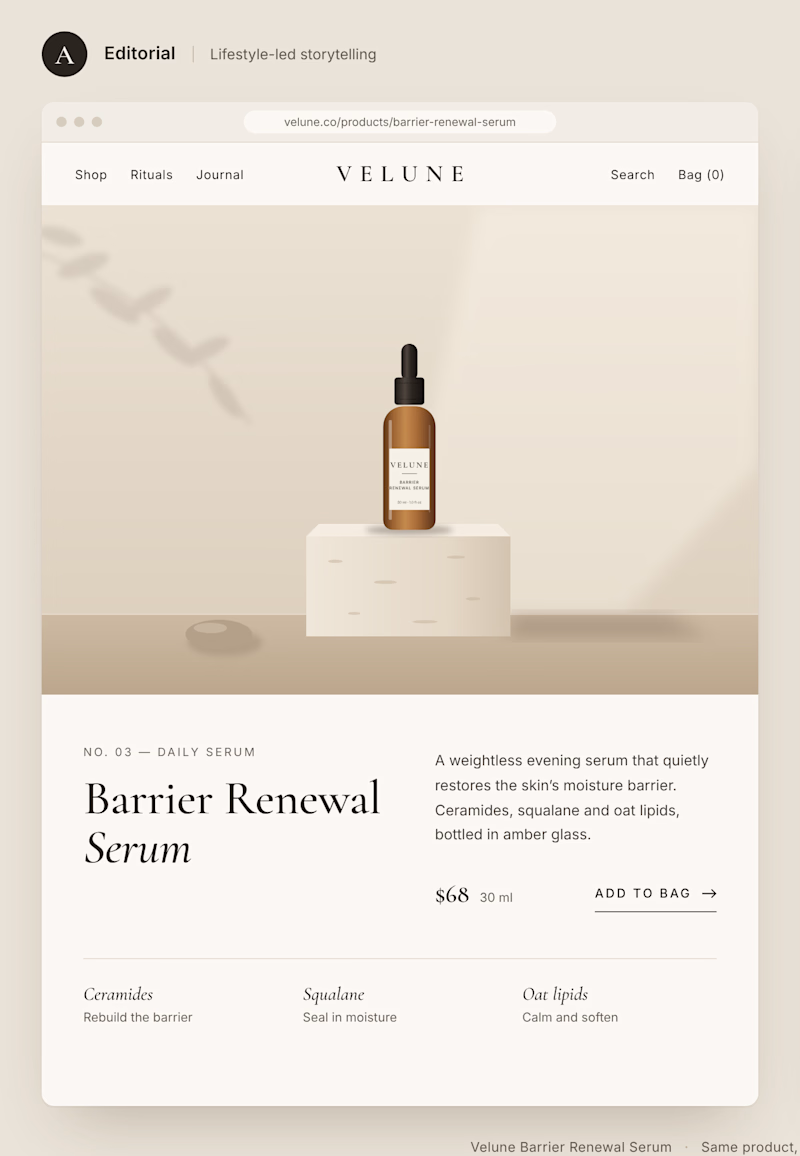
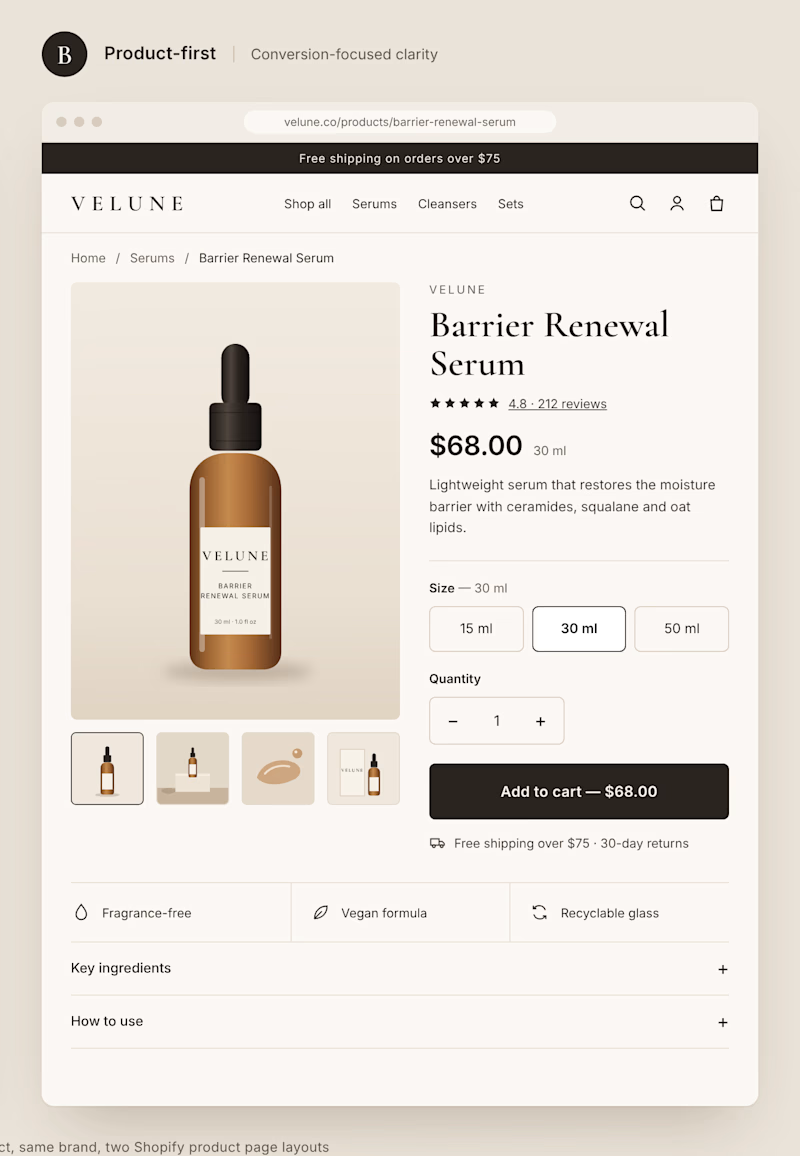
Two different approaches to the same Shopify product page.
Option A: Editorial layout. Large imagery, generous spacing, and a stronger focus on brand storytelling.
Option B: Product-first layout. Clear pricing, visible product options, and a prominent Add to Cart button.
Both can look great, but they create very different shopping experiences.
If you were building a premium DTC brand, which direction would you choose?
A or B? And why?
1 voted
11%
8 voted
89%
9 votes
Closed

That's a smart approach! Keeping the buying essentials visible while bringing in A's storytelling below gives customers both clarity and a stronger brand experience. Especially on mobile, that balance can make a big difference.

Nice choice! B keeps things simple and makes the buying process more straightforward. Sometimes that clarity is exactly what a product page needs.

Going with A for a premium DTC brand, but I would keep the Add to Cart sticky so the storytelling never costs you the cGoing with A for a premium DTC brand, but I would keep the Add to Cart sticky so the storytelling never costs you the conversion path. Option B feels more like...
Exactly! A sticky Add to Cart is a great way to balance both. You get the premium storytelling experience without making customers work harder to purchase. That's the sweet spot between strong branding and good UX.

Exactly. Product-first keeps the buying path clear, and the story can then add the context and emotion that helps close the decision.

Option B gets my vote. Skincare shoppers want quick facts clear sizes, reviews, ingredients and an obvious "Add to cart" button. Option A looks pretty like a magazine but a tiny text link makes buying harder than it needs to be.
That’s a strong point. For skincare, clarity around the product and purchase decision matters more than a purely editorial look. B makes the next step much easier.

I'd go with B and borrow A's photography. A premium product page can still tell a strong brand story, but people shouldn't have to scroll around just to find the price or buy button. I'd keep those essentials visible upfront and let the photography and storytelling do their work further down.
Exactly. B gives the buying journey the clarity it needs, while A’s photography can still bring in that premium brand feel without getting in the way of conversion.

Both approaches work really well in their own way! Option A has a beautiful editorial feel that's great for brand storytelling, while B makes exploring the product and purchasing much more straightforward. For a premium DTC product page, I'd lean toward B since it brings...
Yeap! That balance is what makes B stronger for me too. It keeps the premium feel, but the shopping path is much clearer and easier to act on.

Option A triggers purchase
The network for creativity
Join 1.25M professional creatives like you
Connect with clients, get discovered, and run your business 100% commission-free
Creatives on Contra have earned over $150M and we are just getting started


Related posts

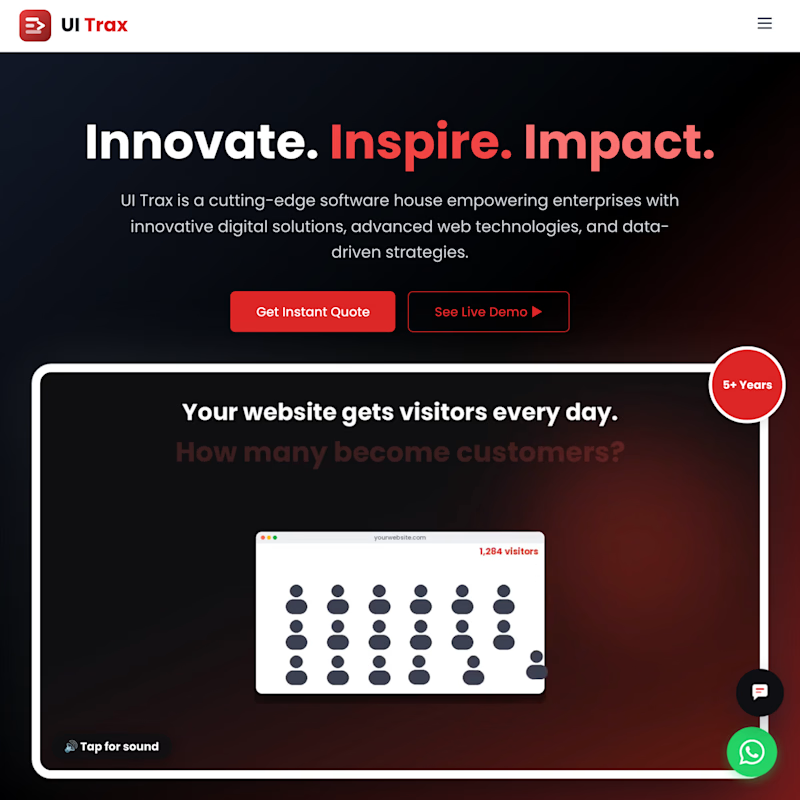
We rebuilt uitrax.com from scratch. Same company, same services. Which homepage would you trust with your project, and why? Your vote decides which style we use for our next client build.
0 voted
0%
8 voted
100%

8 votes
Closed

The "AFTER" Looks much better, much modern and much more interactive and actively passes the information about what you do at a glance

Which 3 seconds would sell you the ring?
I built ORBIT, a launch site for a fictional titanium health ring. Everything you see is live 3D running in the browser, not renders or pre-made video.
Left: as you scroll, the ring comes apart into its five layers, each one labeled.
Right: it turns to show the sensors, pulsing in time with a live heart-rate readout.
If a launch page only had room for one of these moments, which one makes you want to buy? Vote, then tell me why in the comments. The full scroll is in the case study on my profile.

16 voted
94%
1 voted
6%
17 votes
Closed

The teardown for me. Seeing the five layers come apart shows what I'm actually paying for, the heartbeat is cool but every ring brand does a version of it 😄 Love that it's all live three.js and not a video.

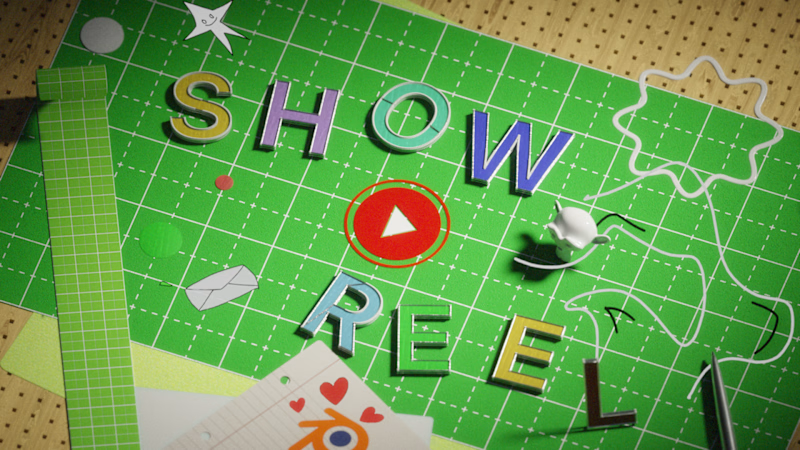
Same frame
Same scene,
Two different takes on color.
Which one looks better? Your call.
No AI used.
1 voted
25%
3 voted
75%
4 votes
Closed


orange feels warmer to me