The network for creativity
Join 1.25M professional creatives like you
Connect with clients, get discovered, and run your business 100% commission-free
Creatives on Contra have earned over $150M and we are just getting started
Back to feedPost


I always say that traditional banks are no longer competing only with fintechs.
In many cases, they are competing with their own legacy.
From my experience, legacy is not just a technology issue. It slows down product launches, increases technical debt, and makes compliance harder to manage.
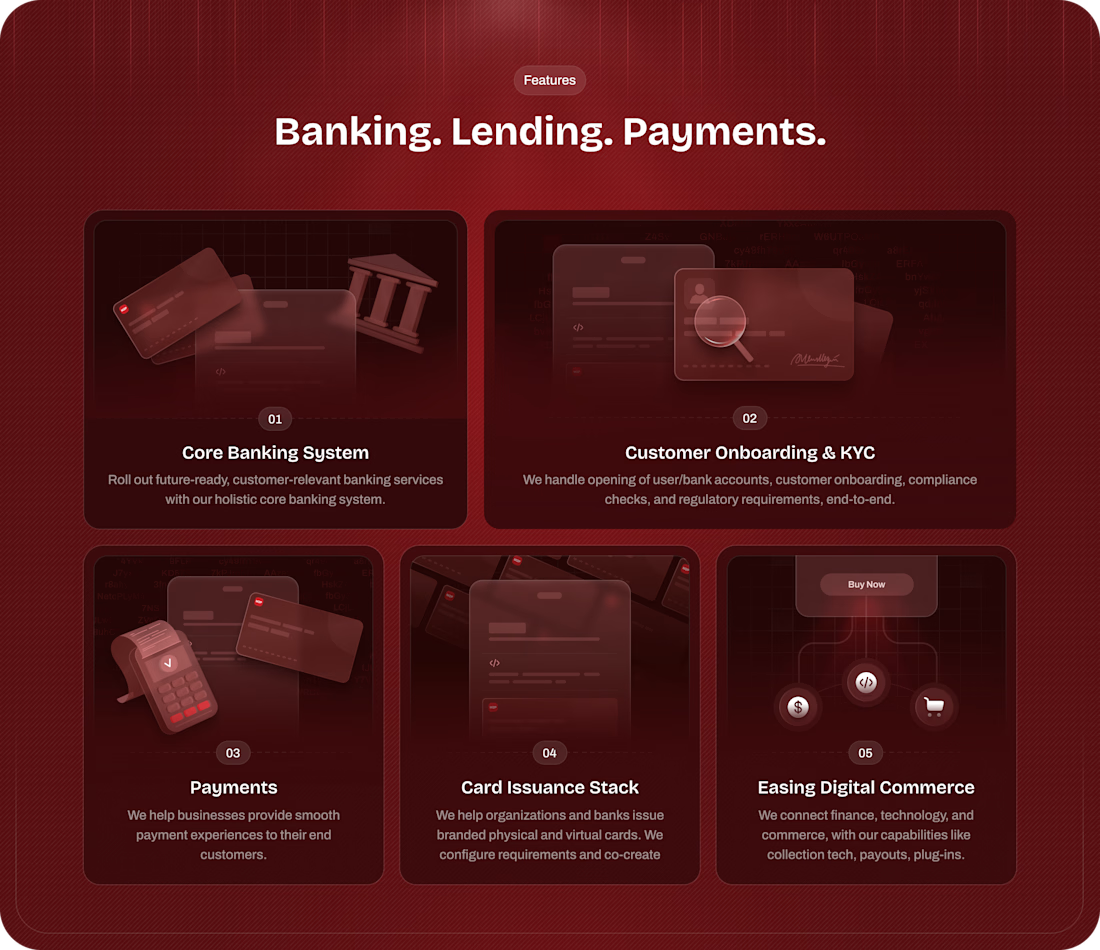
Recent reports from Deloitte and Capgemini point to the same trend: banks need stronger digital foundations, better data infrastructure, and more customer-focused digital experiences.
That is why core banking modernization is no longer just an IT project. It is a strategic business priority.
The real opportunity is not only to migrate old systems, but to build around modern architecture, API connectivity, and cloud-ready delivery.
At CodeGeeks Solutions, we have spent 15 years helping enterprises modernize legacy systems, design scalable solutions, and make digital transformation sustainable.
For 2026, the real question is how quickly banks can turn legacy modernization into a competitive advantage ❔
The network for creativity
Join 1.25M professional creatives like you
Connect with clients, get discovered, and run your business 100% commission-free
Creatives on Contra have earned over $150M and we are just getting started
Related posts



Business banking is already complex. The product shouldn’t make it feel even harder.
That was the thinking behind Bankora.
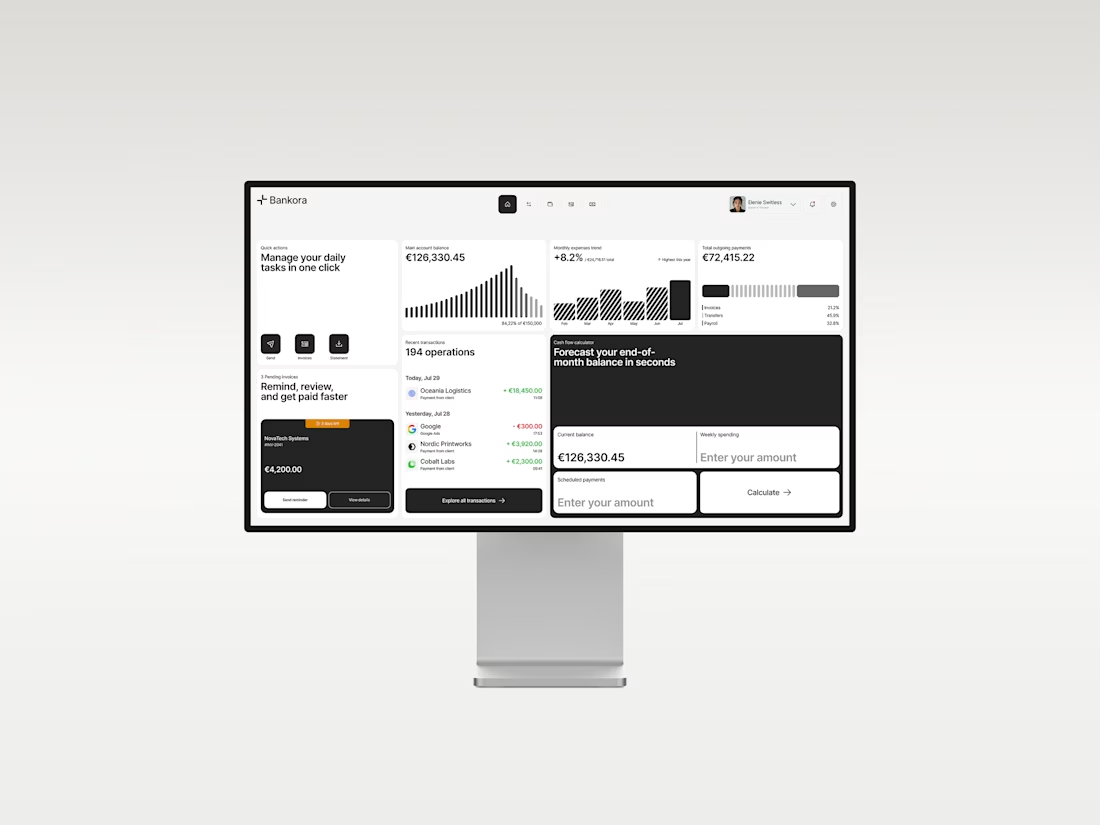
Payments, invoices, cash flow, financial overview. These are things business teams deal with constantly, yet many banking products still bury simple actions under dense data, long paths, and complicated navigation.
So I started with the workflows, not the screens.
I looked at the tasks people need to complete most often, where unnecessary steps appear, and what information actually needs attention first.
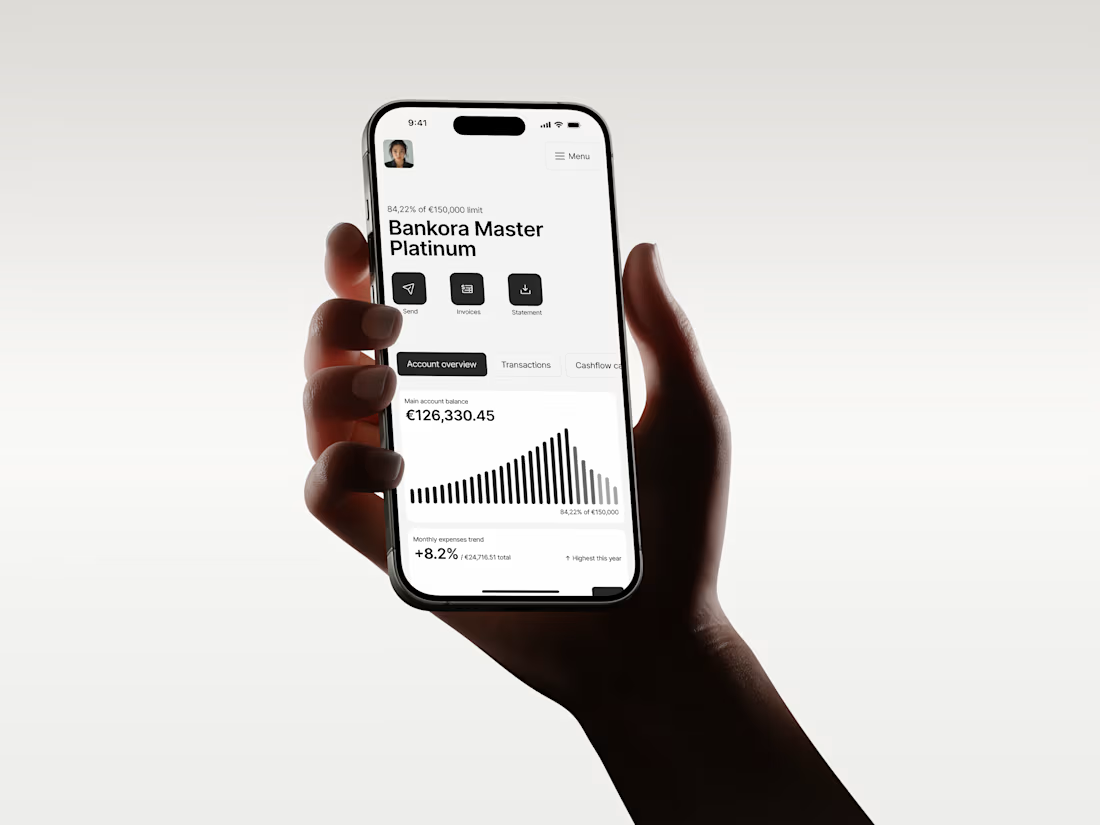
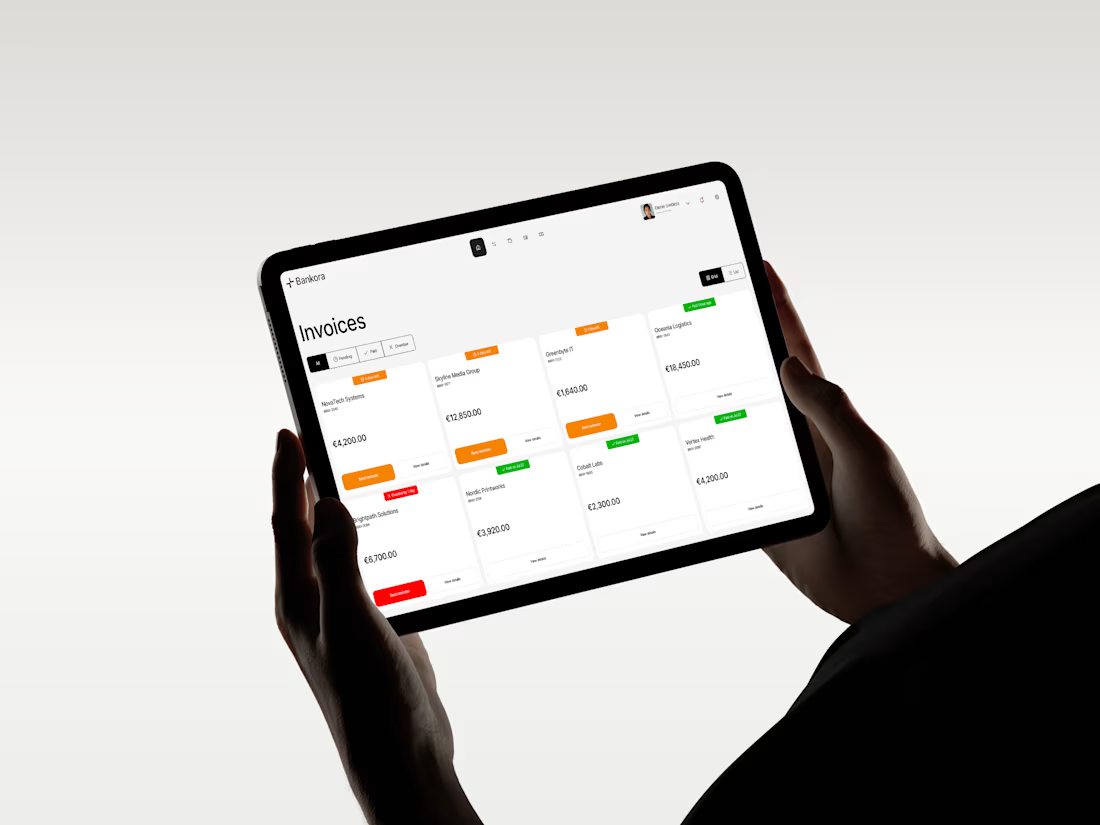
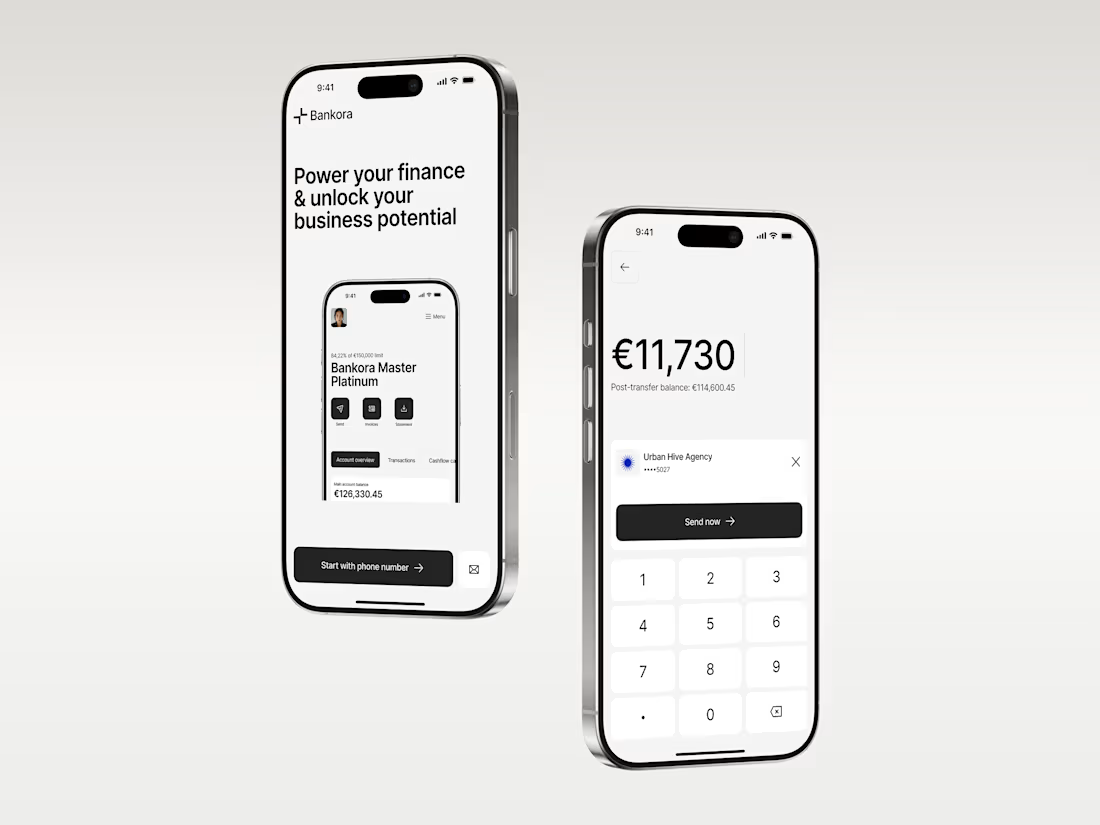
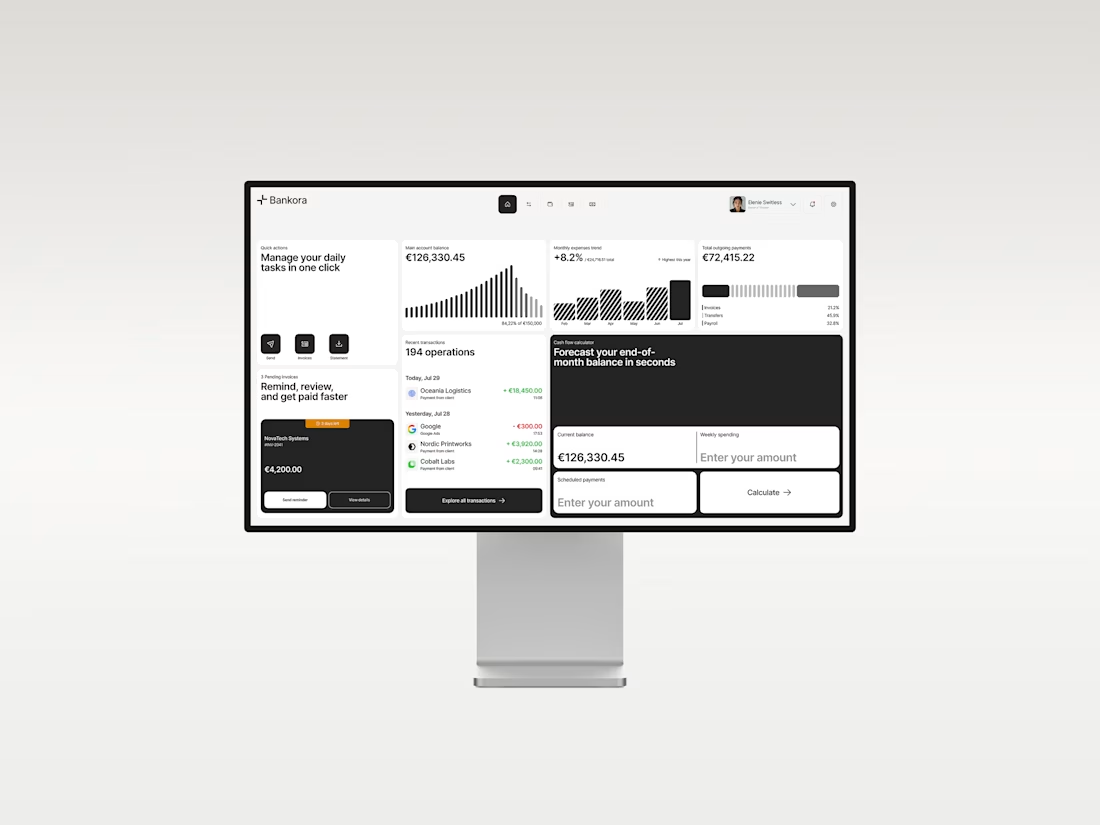
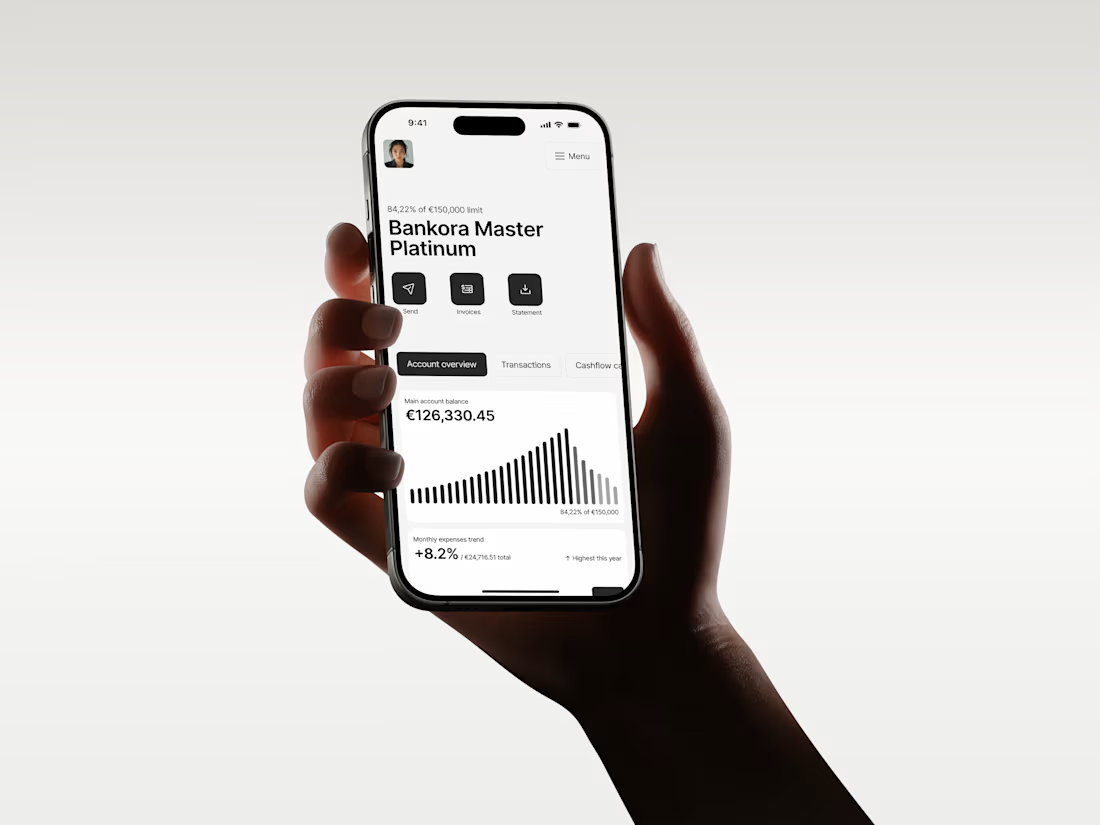
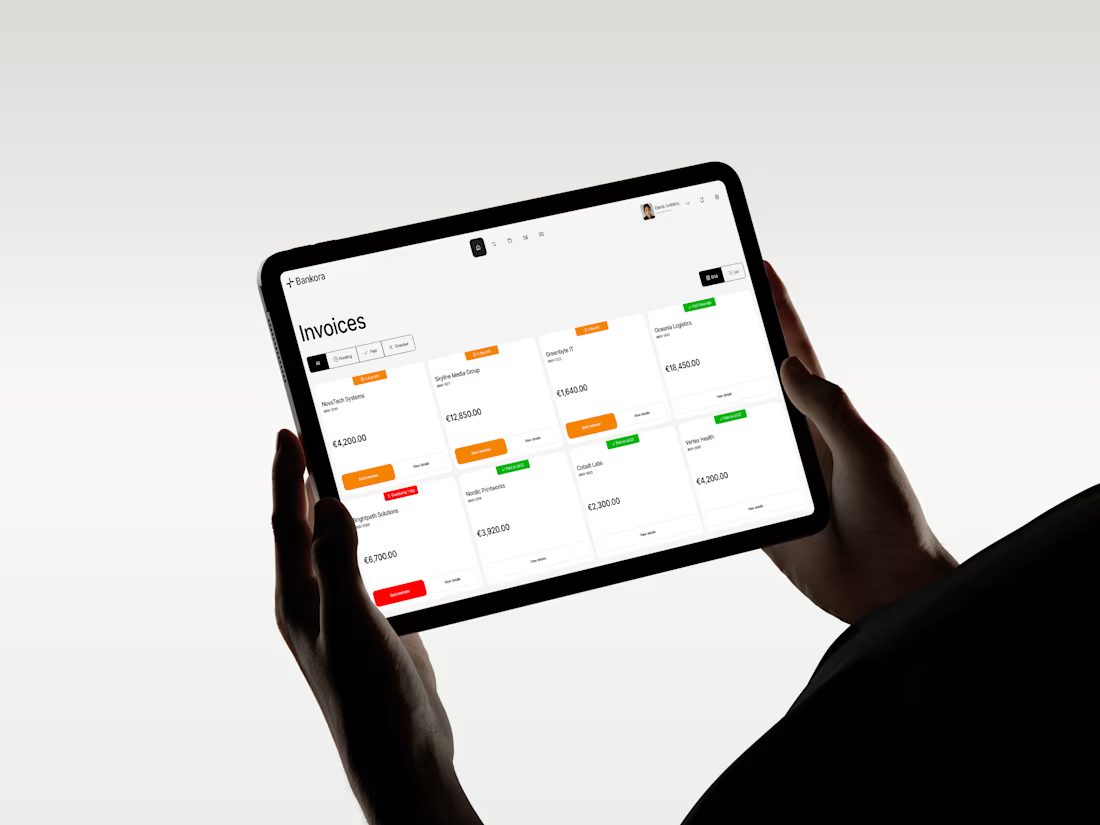
From there, I built the experience around clearer priorities: key actions available quickly, predictable navigation, structured financial data, and modular UI that makes things like pending and overdue invoices easier to understand at a glance.
I also designed an interactive cash flow calculator to help users see where the business may be heading, not just what has already happened.
The goal wasn’t to make financial operations simpler than they really are.
It was to make interacting with them feel simpler.
Less searching. Less cognitive load. More confidence in what to do next.
And it was especially nice to see Bankora later featured by Contra.
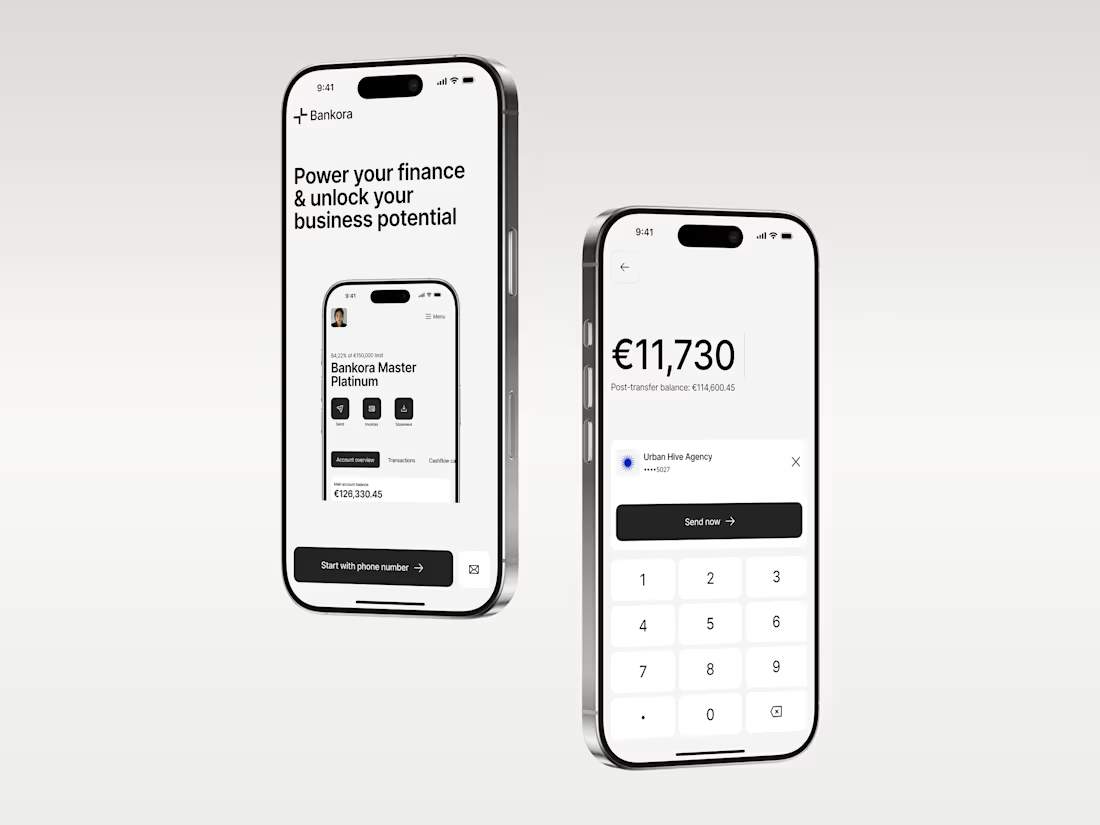
Business banking is already complex. The product shouldn’t make it feel even harder.
That was the thinking behind Bankora.
Payments, invoices, cash flow, financial overview. These are things business teams deal with constantly, yet many banking products still bury simple actions under dense data, long paths, and complicated navigation.
So I started with the workflows, not the screens.
I looked at the tasks people need to complete most often, where unnecessary steps appear, and what information actually needs attention first.
From there, I built the experience around clearer priorities: key actions available quickly, predictable navigation, structured financial data, and modular UI that makes things like pending and overdue invoices easier to understand at a glance.
I also designed an interactive cash flow calculator to help users see where the business may be heading, not just what has already happened.
The goal wasn’t to make financial operations simpler than they really are.
It was to make interacting with them feel simpler.
Less searching. Less cognitive load. More confidence in what to do next.
And it was especially nice to see Bankora later featured by Contra.