The network for creativity
Join 1.25M professional creatives like you
Connect with clients, get discovered, and run your business 100% commission-free
Creatives on Contra have earned over $150M and we are just getting started
Back to feedPost

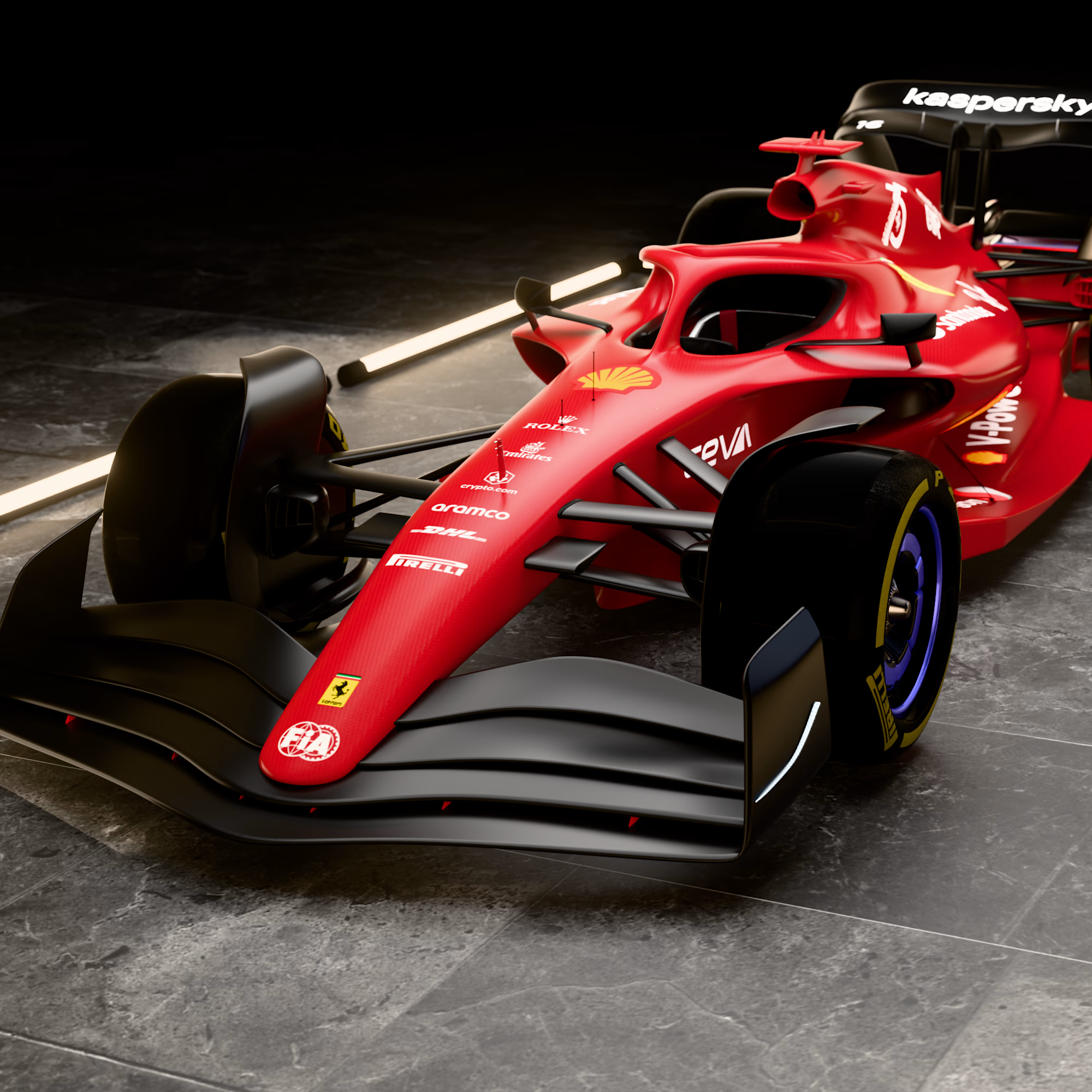
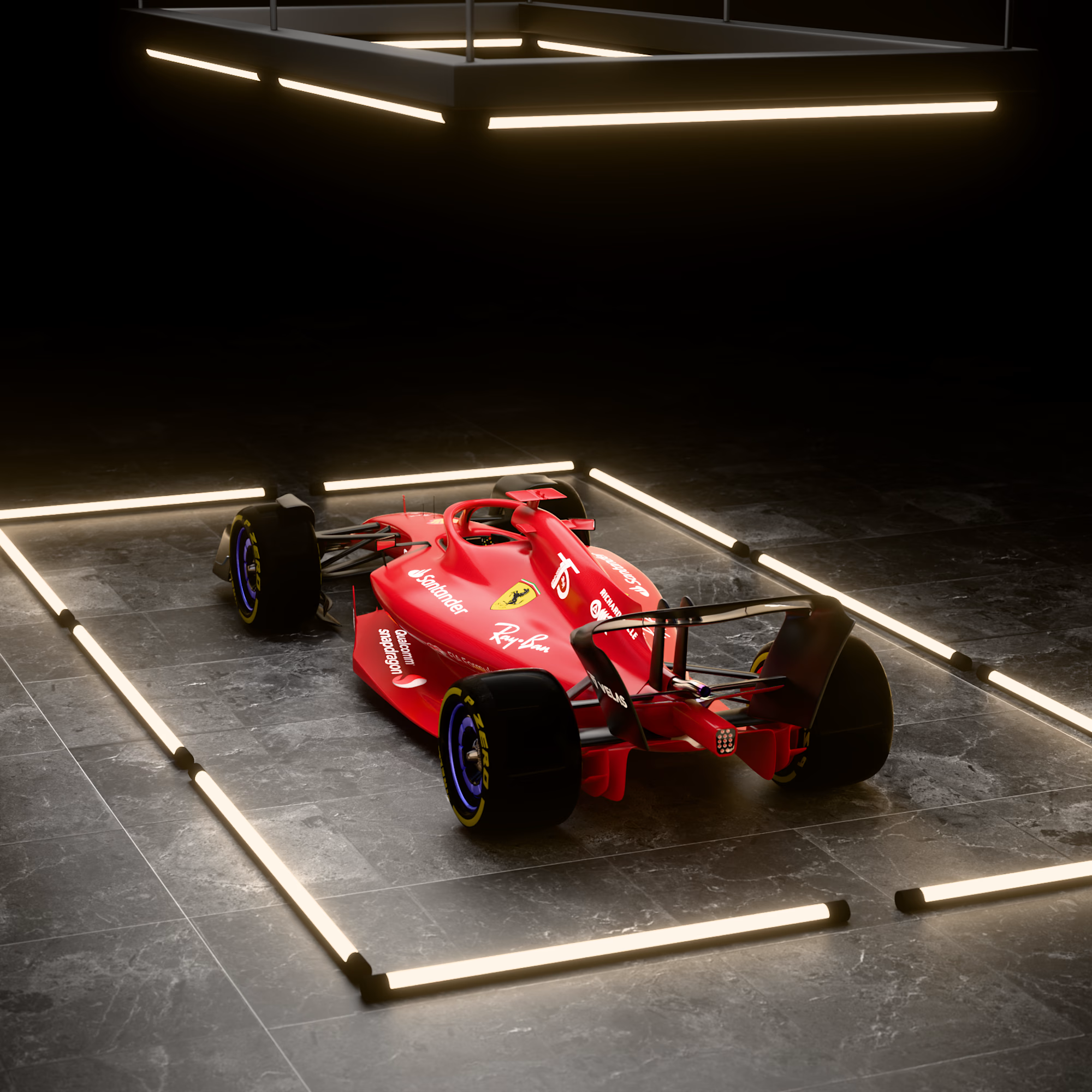
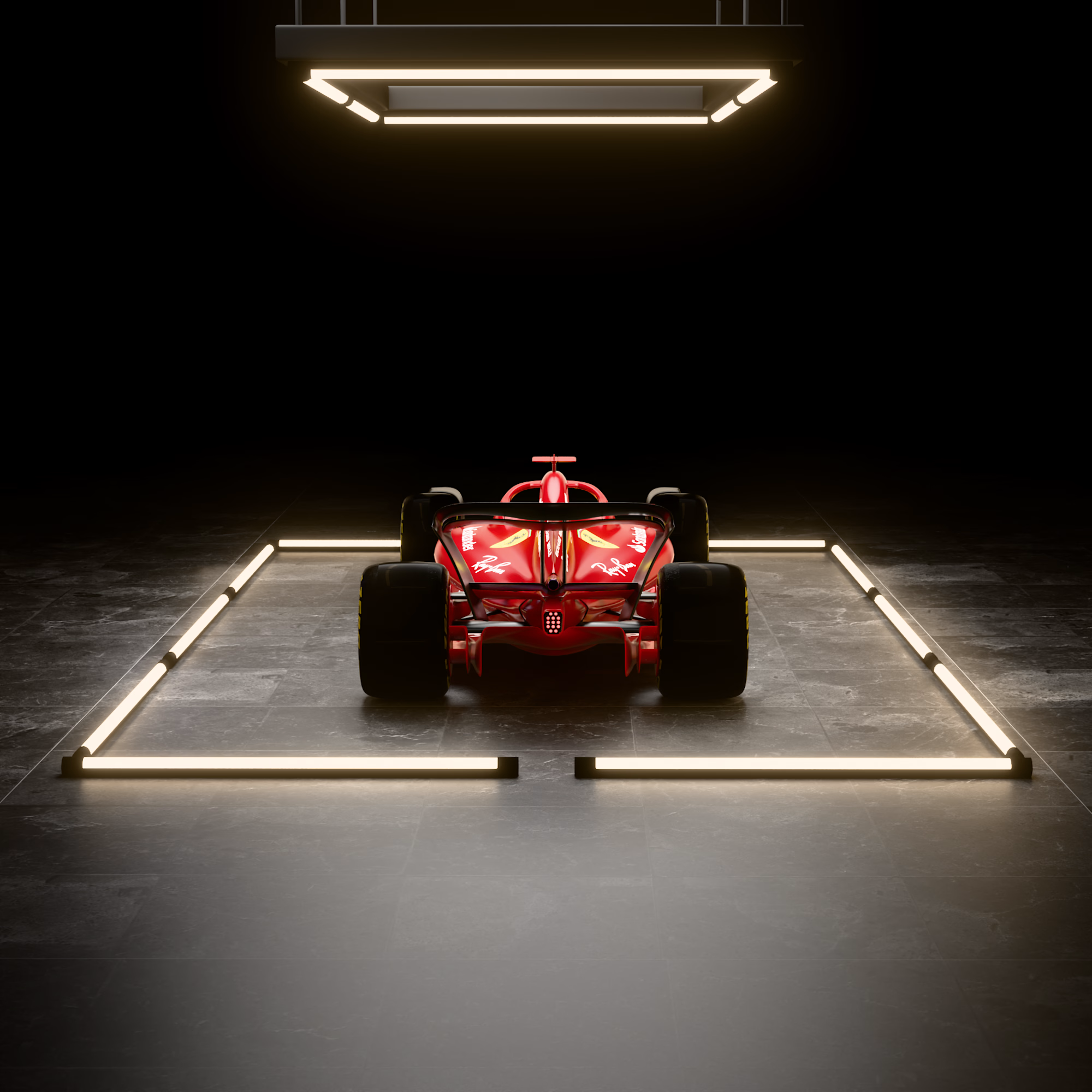
Taking the Formula 1-inspired race car from a clean clay model into a fully materialized asset.
This stage focuses on creating distinct materials for painted bodywork, carbon fiber, tires, metallic components and other mechanical surfaces while maintaining consistent visual detail across the vehicle.
Focus: 3D Texturing • Material Creation • Automotive Visualization • Hard Surface • 3D Rendering
#3D Texturing #Materials #Automotive 3D #3D Modeling
#Hard Surface #3D Visualization #3D Rendering #Automotive Visualization #CGI #Product Visualization

The network for creativity
Join 1.25M professional creatives like you
Connect with clients, get discovered, and run your business 100% commission-free
Creatives on Contra have earned over $150M and we are just getting started

Challenges
View all


Related posts


Most cookie packaging on shelf leans loud and cluttered — I wanted to see
what happens when you strip that back and let the product feel premium
instead of just sweet.
This project started as a redesign exercise on an existing cookie packaging
concept. I kept the product category and target shelf context the same,
then rebuilt the concept from scratch: new color story, new typography
system, new material direction.
What changed:
— Concept shifted from playful/busy to minimalist and premium
— Palette rebuilt around cream, charcoal, and a warm gold accent
— Custom logotype and clean geometric type system
— Matte textured finish to signal quality over sugar-rush energy
The result reads less like a snack and more like a gift — which is exactly
the shelf position a lot of artisanal food brands are chasing right now.
Open to redesign work like this for food, cosmetic, and skincare brands
looking to reposition their packaging. Let's talk about your product.
#Packaging Design, #Food Packaging, #Branding, #Product Design, #Label Design,#Package Mockup


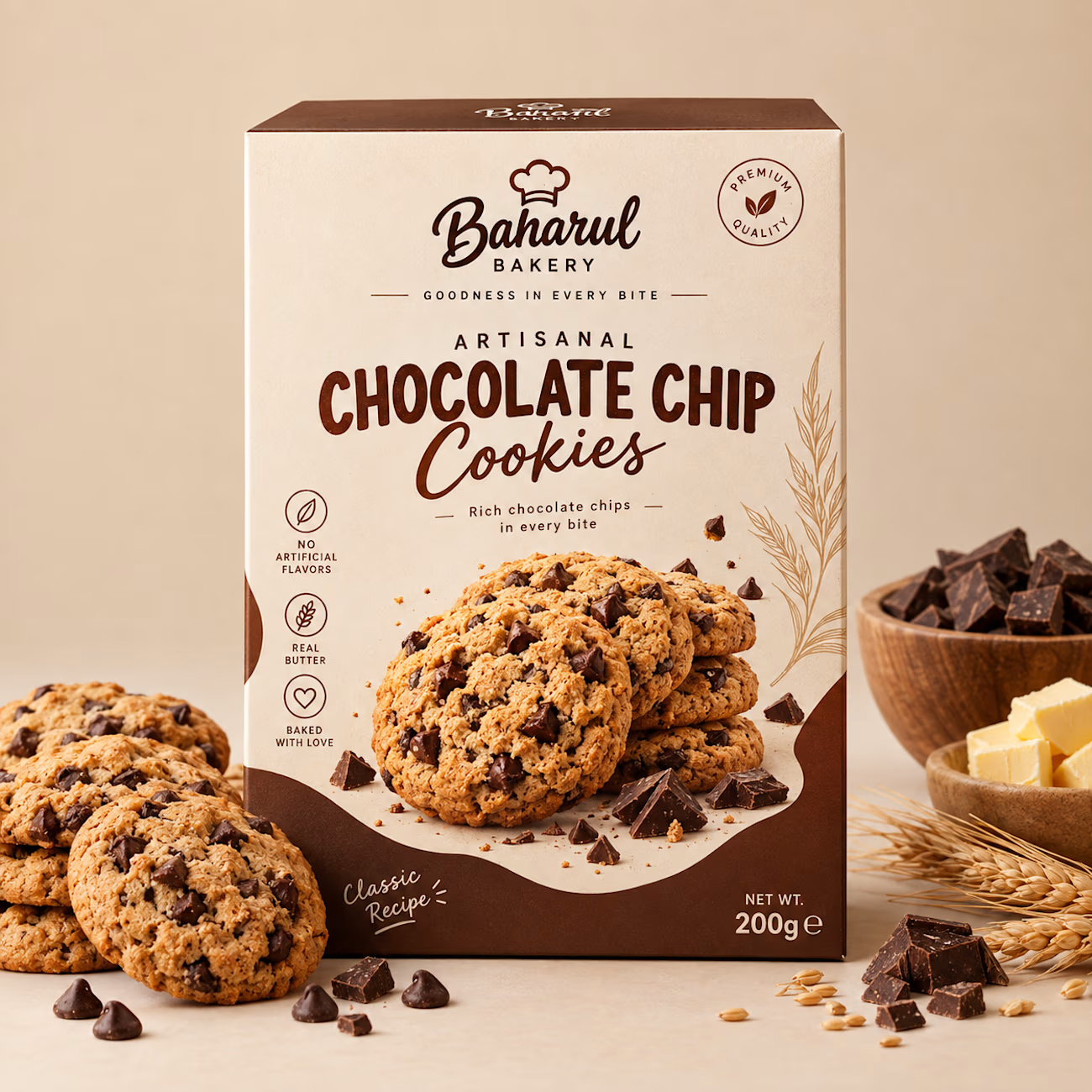

The restraint here really works—the warm chocolate palette and generous negative space make the pack feel premium without losing the product cue. The ingredient callouts are a nice touch for quick shelf scanning.

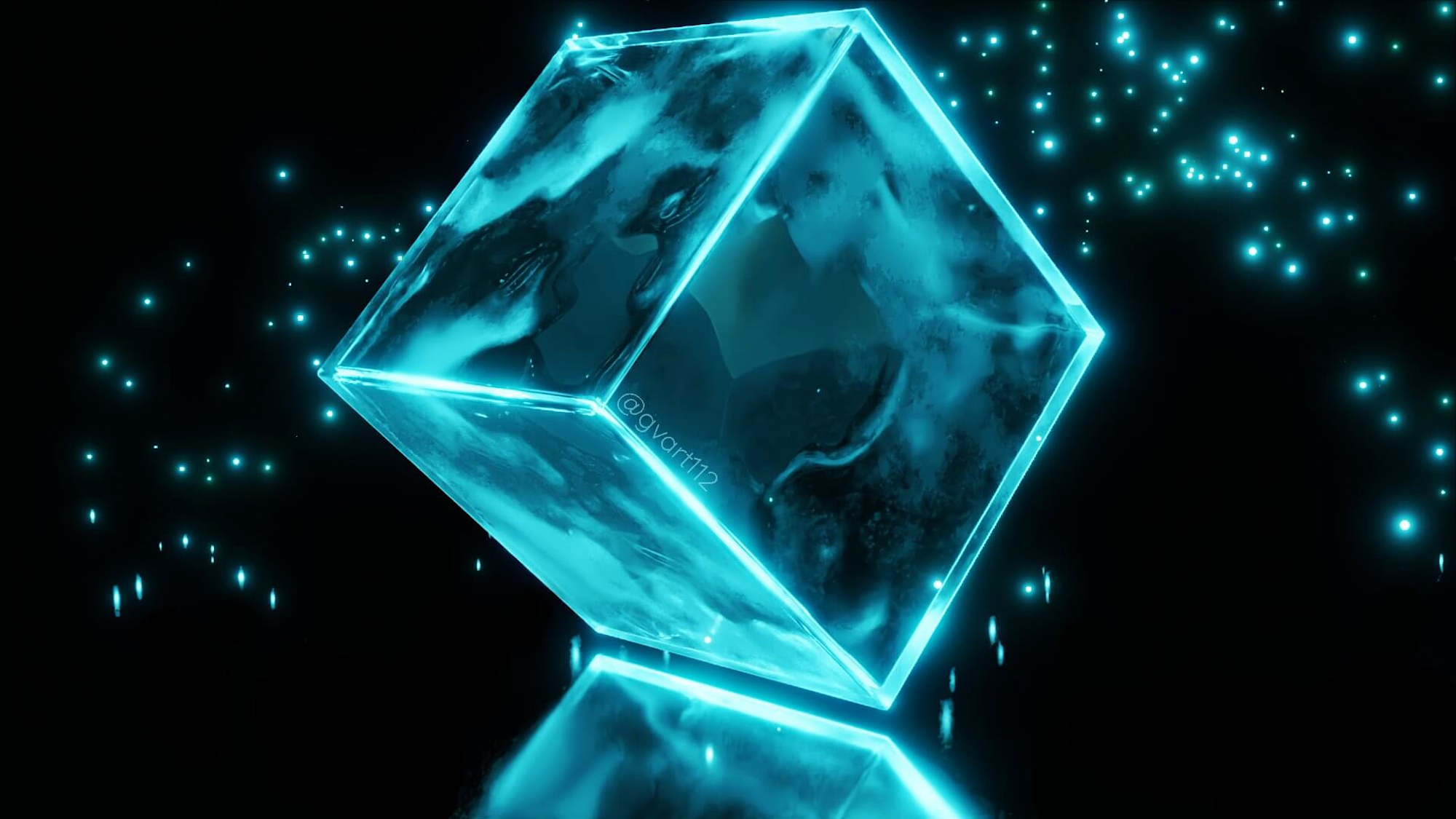
I made this neon energy cube in Blender because I wanted to create a simple 3D asset that could feel like something straight out of a sci-fi game.
It has a glowing emissive material, a pulsing energy animation, and a clean low-complexity shape that can work as a power-up, energy core, magical item, VFX prop, or just a cool detail inside a futuristic scene.
I built the model, materials, shaders, and animation myself in Blender. No AI was used.
I also tested it in both Eevee and Cycles to see how the glow behaves in different rendering setups.
The animated .blend file is available on Contra if you want to use it in your own projects, experiment with the materials, or take the animation apart and build something new from it.
I think it could be especially fun for game developers, 3D artists, motion designers, and anyone working on a sci-fi or fantasy project.

Beautiful visual effect.
Great! 👍

Check it out
ALETRA's website used to behave like a website.
Clean, contemporary, technically advanced. Sections followed sections. It showed capability, but not enough character.
The question became: how does a creative studio prove branding, web design and cinematic storytelling before anyone opens a case study?
The answer was not another interface. It was a world.
aletra.co is now a sequence of rooms. Instead of scrolling down a page, you move through them. Architecture creates chapters. Light sets the mood. A butterfly crosses between spaces, because not everything powerful has to be loud.
Ten chapters. Eight rooms. One story.
AI accelerated the making. Creative direction decided what was worth making.
Walk through it at aletra.co. The full case study is on Behance, link in bio.
#WebDesign #ImmersiveWebsite #ArtDirection #BrandWorld #3DDesign #InteractionDesign #CreativeStudio #Webflow #HospitalityBranding #Berlin #ALETRA


How simple but amazing motion!
Great job. 👍