The network for creativity
Join 1.25M professional creatives like you
Connect with clients, get discovered, and run your business 100% commission-free
Creatives on Contra have earned over $150M and we are just getting started
Back to feedPost

A Beautiful Design Is Only Half of a Successful Product
A product can look excellent in a design file and still become frustrating when people start using it.
The reason is simple: a design is often created around ideal conditions, while software has to handle everything that happens outside them.
What does the interface look like when a user has no data? What happens when an upload fails? How does a form behave when the input is invalid? What if the same page needs to work on a small mobile screen?
These questions can seem minor during the design phase. During development, they can lead to unexpected rework.
The gap between a mockup and a working interface
Consider a dashboard designed with a complete set of charts, statistics, and recent activity.
The mockup looks clear and balanced. But a first-time user has no activity yet. Another user has hundreds of records. A third has limited permissions and cannot access some of the data.
If these states weren't considered early, developers must make decisions that affect both functionality and visual consistency.
The result may be a technically correct interface that doesn't match the intended experience.
Better collaboration starts before implementation
A more effective design-to-development workflow includes:
Define interface states. Design the loading, empty, error, success, and permission-restricted states alongside the ideal view.
Agree on component behavior. Clarify validation rules, responsive behavior, interactions, and accessibility requirements before implementation begins.
Identify technical constraints early. If a design depends on live updates, complex animation, or large datasets, discuss the implementation implications before treating the mockup as final.
Review the working product together. A short review of the implemented interface can reveal problems that are difficult to spot in a static design file.
The purpose isn't to make designers responsible for technical decisions or developers responsible for visual design. It's to ensure both sides understand the experience they're building together.
Less rework, clearer expectations
Good collaboration doesn't eliminate every change. Requirements evolve, and some problems become visible only after implementation.
But when assumptions are discussed early, changes are more likely to be deliberate rather than expensive surprises.
A strong handoff is not simply a folder of design files. It's a shared understanding of how the product should behave in real situations.
Designers, developers, and product owners: which missing detail causes the most rework in your projects — edge cases, responsive behavior, unclear requirements, or late feedback?
The network for creativity
Join 1.25M professional creatives like you
Connect with clients, get discovered, and run your business 100% commission-free
Creatives on Contra have earned over $150M and we are just getting started


Related posts

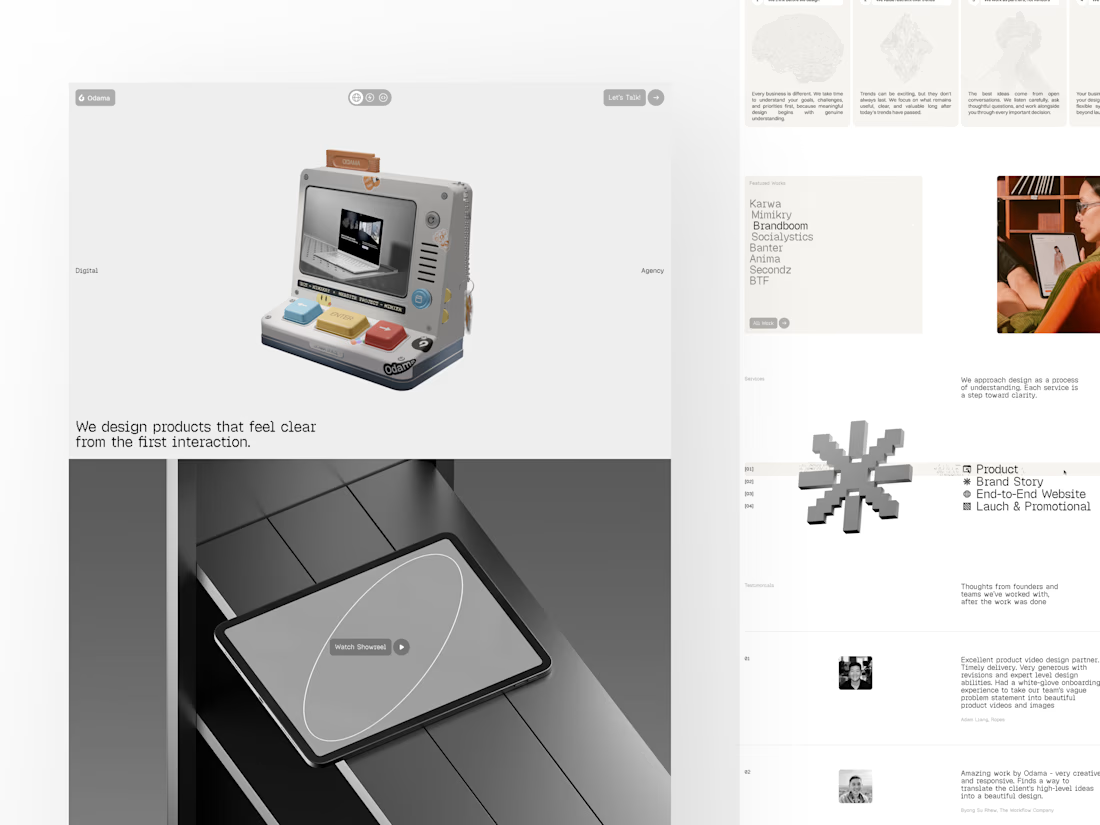
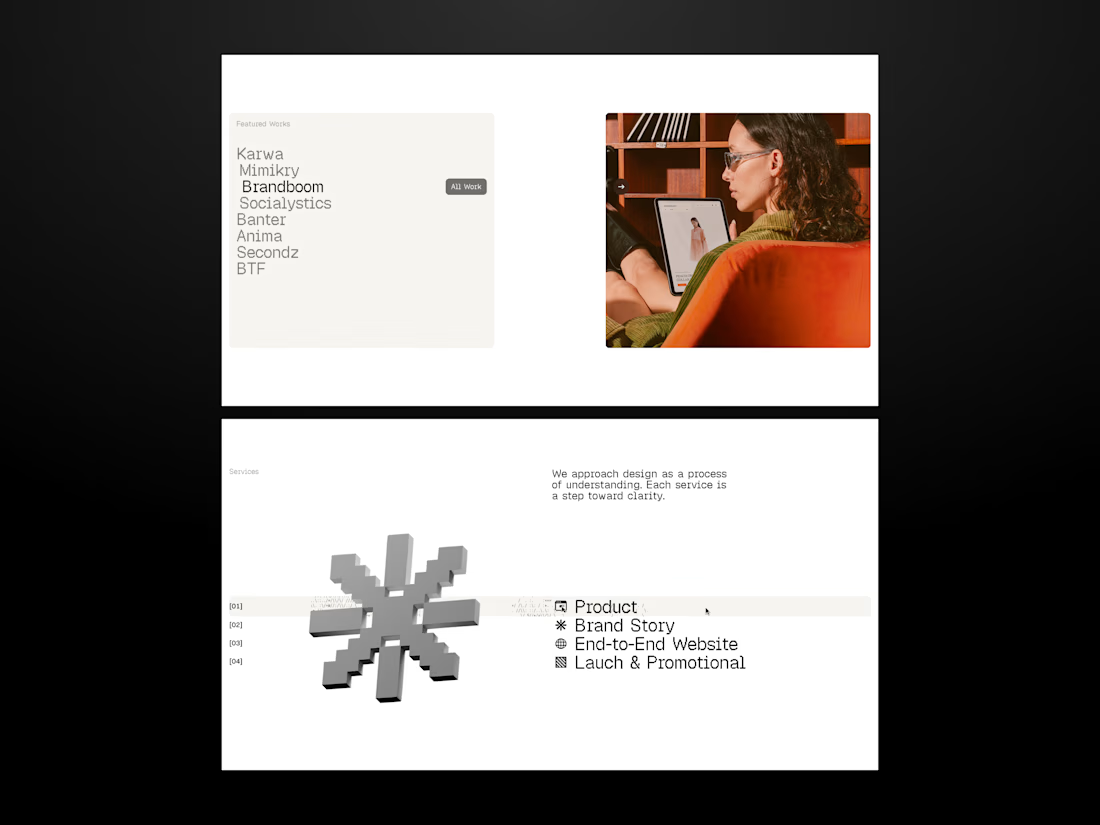
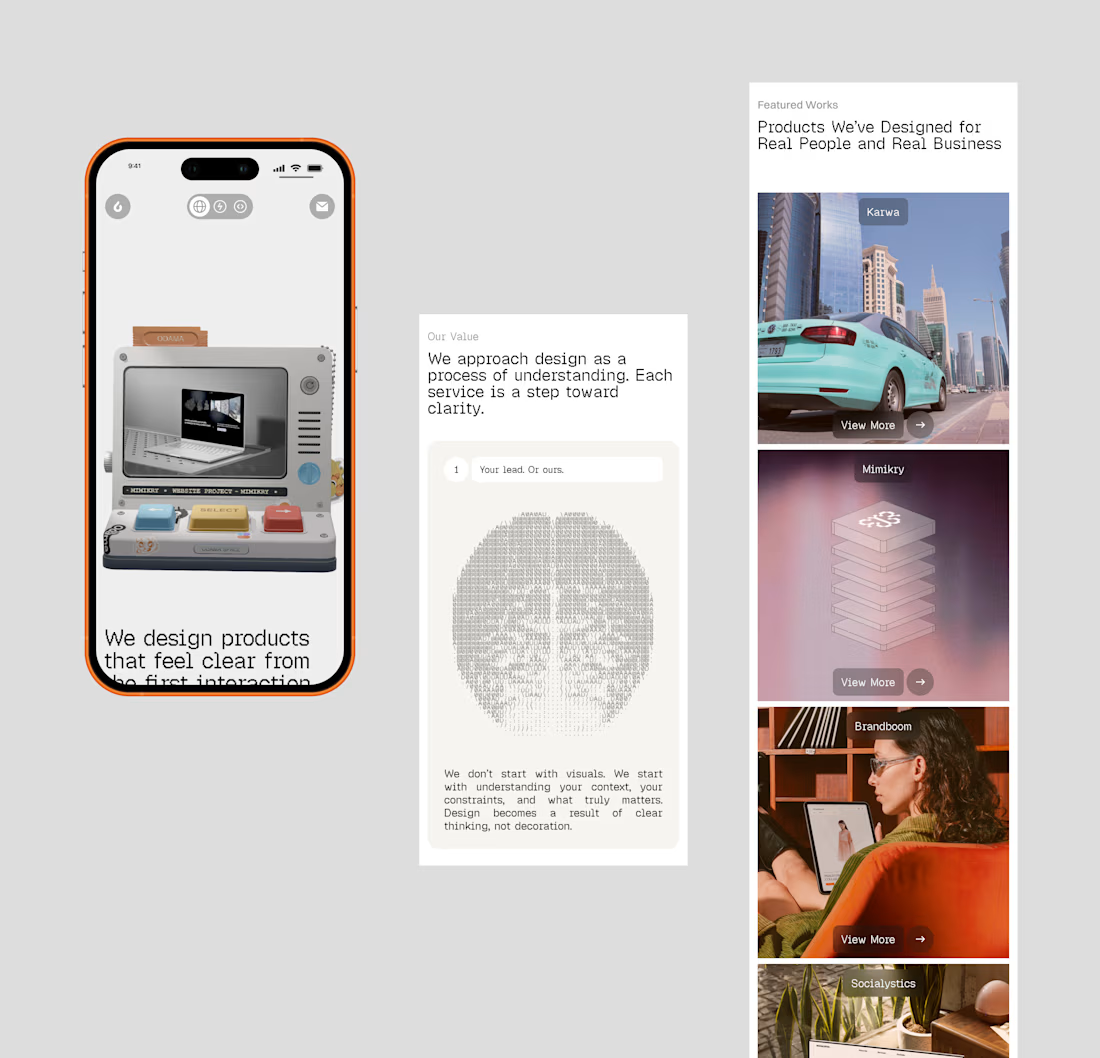
We’ve got a new website!
After 5+ years shaping digital products, we’ve brought our work and approach into one place—from product design and brand storytelling to end-to-end websites and launch creatives. The site tells that story through a retro-inspired experience.

Great work ⚡️


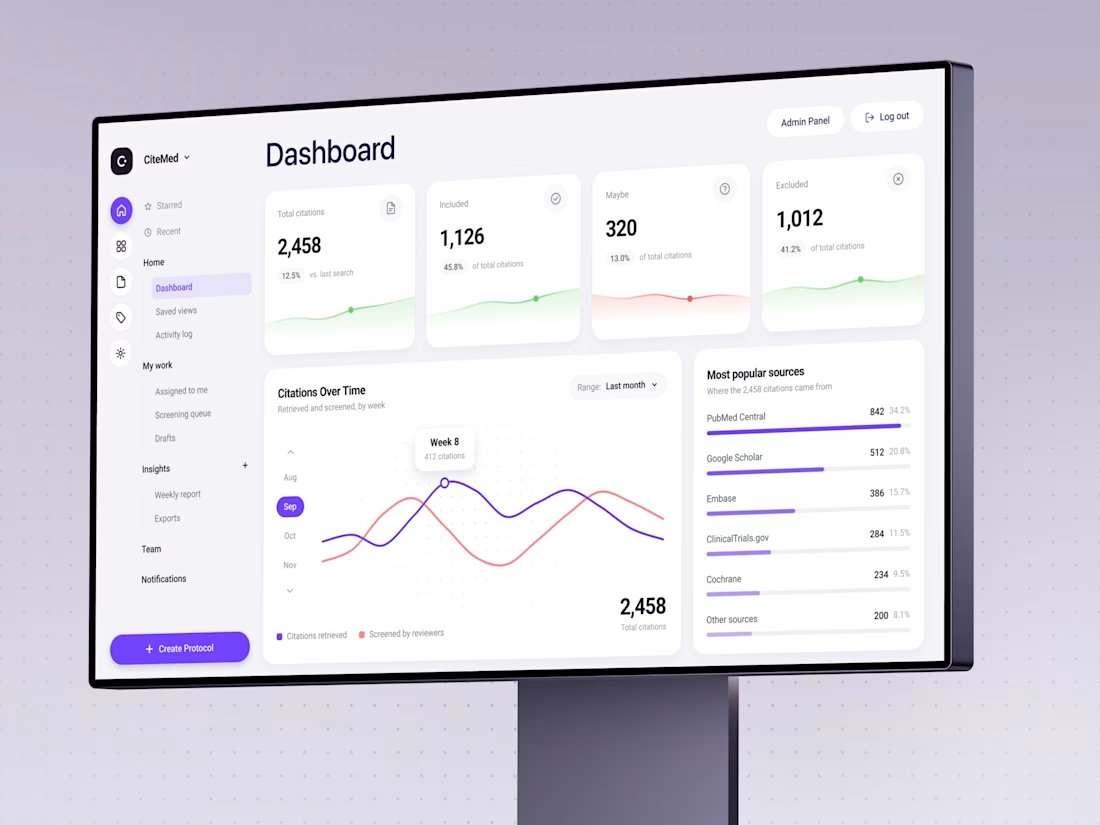
Trust me, nobody has ever said: “I can’t wait to screen 2,458 citations today.”
We designed CiteMed so the immense data to scan doesn't feel like a punishment. Clinical evidence, minus the headache.
Check the case
What’s the most boring task a good interface ever made you enjoy?


Founders, if you need a website done by someone who has already worked with YC, A16z backed startups...well, I’m here. Send me a message.
I will help you figure out how to present your product and get your message across to the right people.

Great work!