The network for creativity
Join 1.25M professional creatives like you
Connect with clients, get discovered, and run your business 100% commission-free
Creatives on Contra have earned over $150M and we are just getting started
Back to feedPost

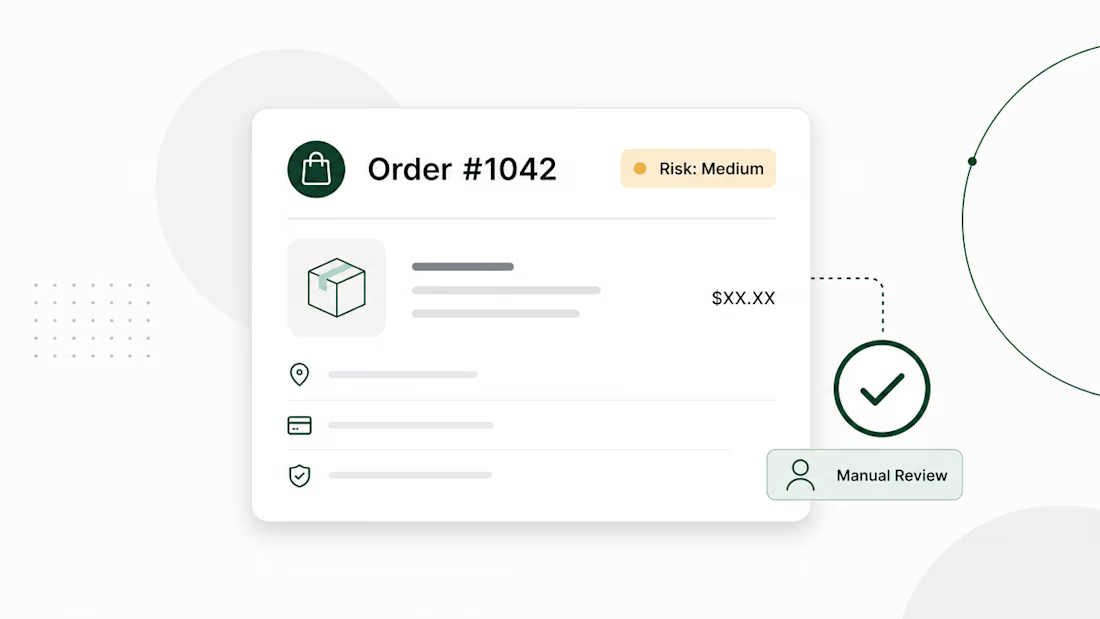
A client asked us this week why a cancelled order still showed a processing fee on their statement.
Shopify's fraud analysis gives every order a risk level (low, medium, high) based on signals like mismatched billing and shipping or unusual order patterns. That tag is informational only. It does not auto-cancel or auto-refund anything, so if an order slips through to fulfillment before anyone looks at the tag, the processing fee is already spent even after the buyer is refunded.
The fix we set up for clients: a saved order search filtering risk:medium and risk:high, checked before anything ships, added as a step in the daily fulfillment routine. No app required, just native Shopify.
Five-minute self-check: open Orders, search risk:medium OR risk:high, and see how many of your last 20 orders would have been caught before they shipped.
Ecom Swift LLC

The network for creativity
Join 1.25M professional creatives like you
Connect with clients, get discovered, and run your business 100% commission-free
Creatives on Contra have earned over $150M and we are just getting started







Related posts

A business owner shared a Shopify website she built with AI assistance and I couldn't resist doing a quick audit.
The site looked fancy, but..
The homepage was slow
No FAQs or reviews on the product page,
Important policy pages were still templates,
The brand contact email was a Gmail etc..
E-commerce is not so forgiving.
It's not just about what looks good. It's about what looks premium, builds trust, and actually helps people buy.
If you knew the cost of a poor website could be thousands of dollars in missed revenue, would investing in a proper one still feel expensive?

Absolutely agree. AI can speed up the Shopify development process, but a successful e-commerce store needs more than just a good-looking design. Performance, trust, UX, policies, and conversion-focused details all matter. Great audit! 👏

Hi Contra! I’m Daniyal, an SEO specialist working with e-commerce and service businesses.
Lately, I’ve been focusing on a problem I see often: businesses publish more content, but the pages that could bring in customers still have technical issues, weak internal links, or unclear search intent.
My work starts with finding those gaps, then fixing the pages that matter most. I work across technical SEO, content strategy, and Shopify and WordPress sites.
If you’re working on an online store or a service website, what’s your biggest SEO challenge right now? I’d be happy to share a practical suggestion.

Great approach. Fixing the right pages can make a big difference in SEO.

This project was an instant yes!
I got to work with the dreamiest new brand and photography to translate into a more editorial Shopify experience for a beauty subscription brand. Even better, the new site helped increase subscriptions and hit the brand's goal after launch. ✨ Check it out.

So cool!