The network for creativity
Join 1.25M professional creatives like you
Connect with clients, get discovered, and run your business 100% commission-free
Creatives on Contra have earned over $150M and we are just getting started
Back to feedPost

In content strategy, attention and trust serve different purposes.
Attention can generate visibility.
Trust creates credibility, client confidence, and long-term opportunities.
Many creators focus on reach, impressions, and short-term engagement.
But the strongest brands focus on consistency, clarity, and audience trust.
Attention may open the door.
Trust is what builds lasting business relationships.
The goal is not just to be seen.
The goal is to be remembered—and chosen.

The network for creativity
Join 1.25M professional creatives like you
Connect with clients, get discovered, and run your business 100% commission-free
Creatives on Contra have earned over $150M and we are just getting started

Challenges
View all


Related posts

A useful way to evaluate a brand identity: place the business card, packaging, and social posts side by side.
Do they feel like they belong to the same business—even when the logo isn’t prominent?
That’s what I look for in a visual system. Typography creates hierarchy. Color builds recognition. Patterns and layout give the brand a character that can carry across different formats.
For business owners reviewing a new identity, ask your designer to show how it works in the places your customers will actually encounter it. Those applications can reveal more than a logo presentation alone.
Which touchpoint is hardest to keep consistent in your brand?

That's great visuals and motion graphics Great job Mohammed

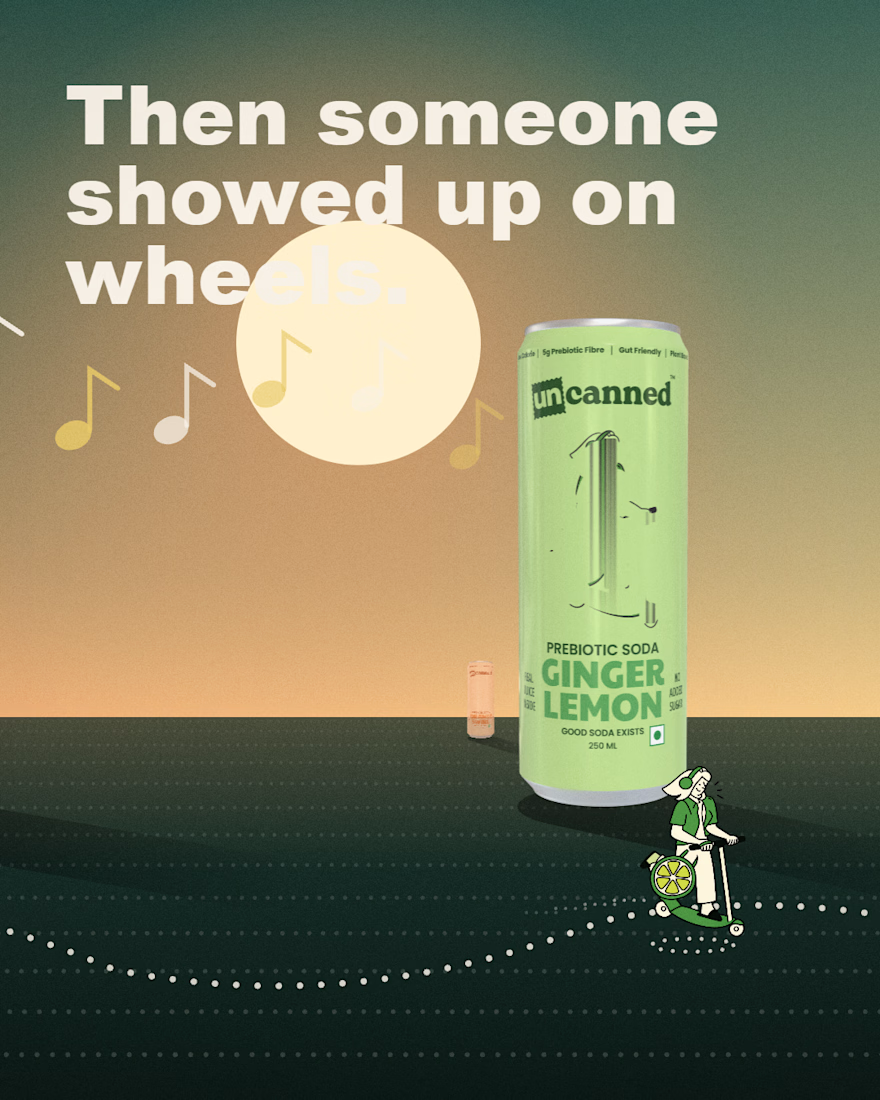
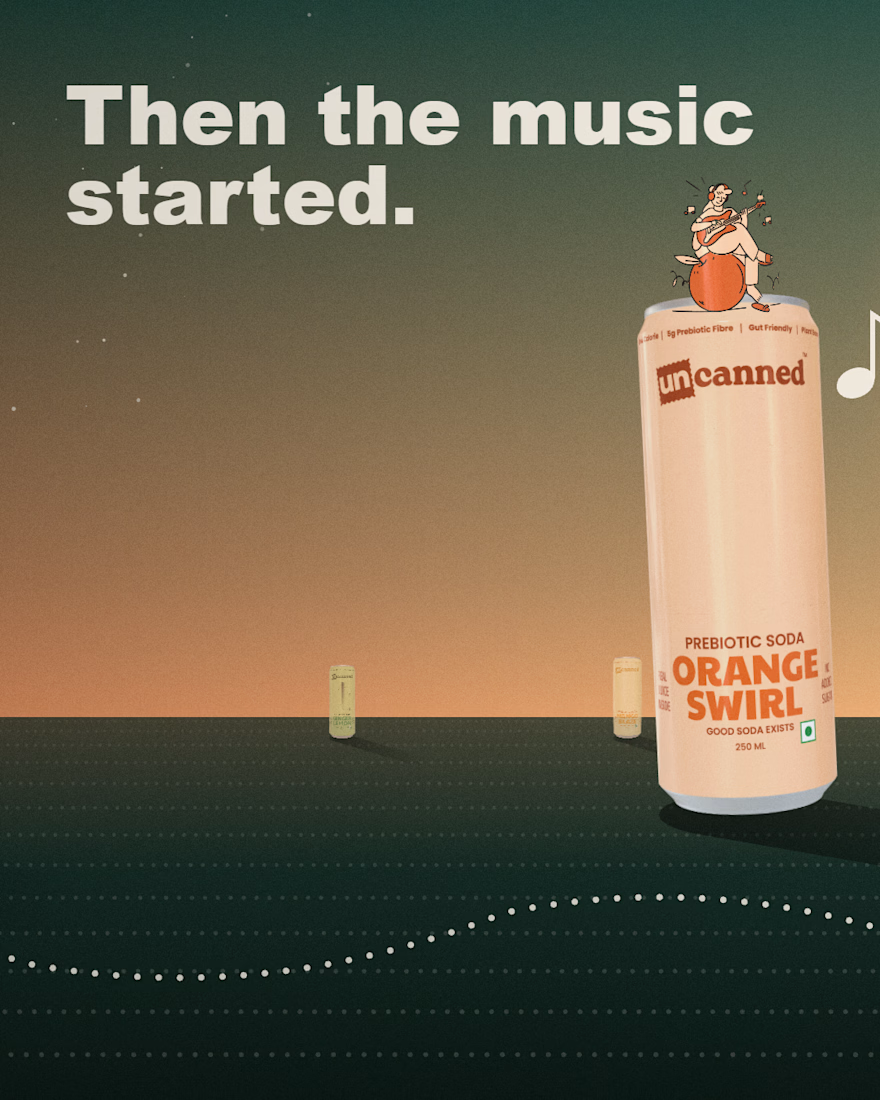
A product is more than what you sell. It's the story people remember.
I love how strong visual storytelling can turn an everyday product into an entire world — combining product photography, illustration, movement and atmosphere to make a brand feel memorable.
When developing content for a brand, I think about three things:
The hook: What makes someone stop scrolling?
The story: What makes them interested?
The visual identity: What makes the brand memorable?
I'm exploring how creative concepts and repeatable content systems can help brands show up more consistently across social media.
Always interested in connecting with founders, creative studios and brands building something interesting.
#CreativeDirection #BrandStorytelling #SocialMediaContent #ContentStrategy




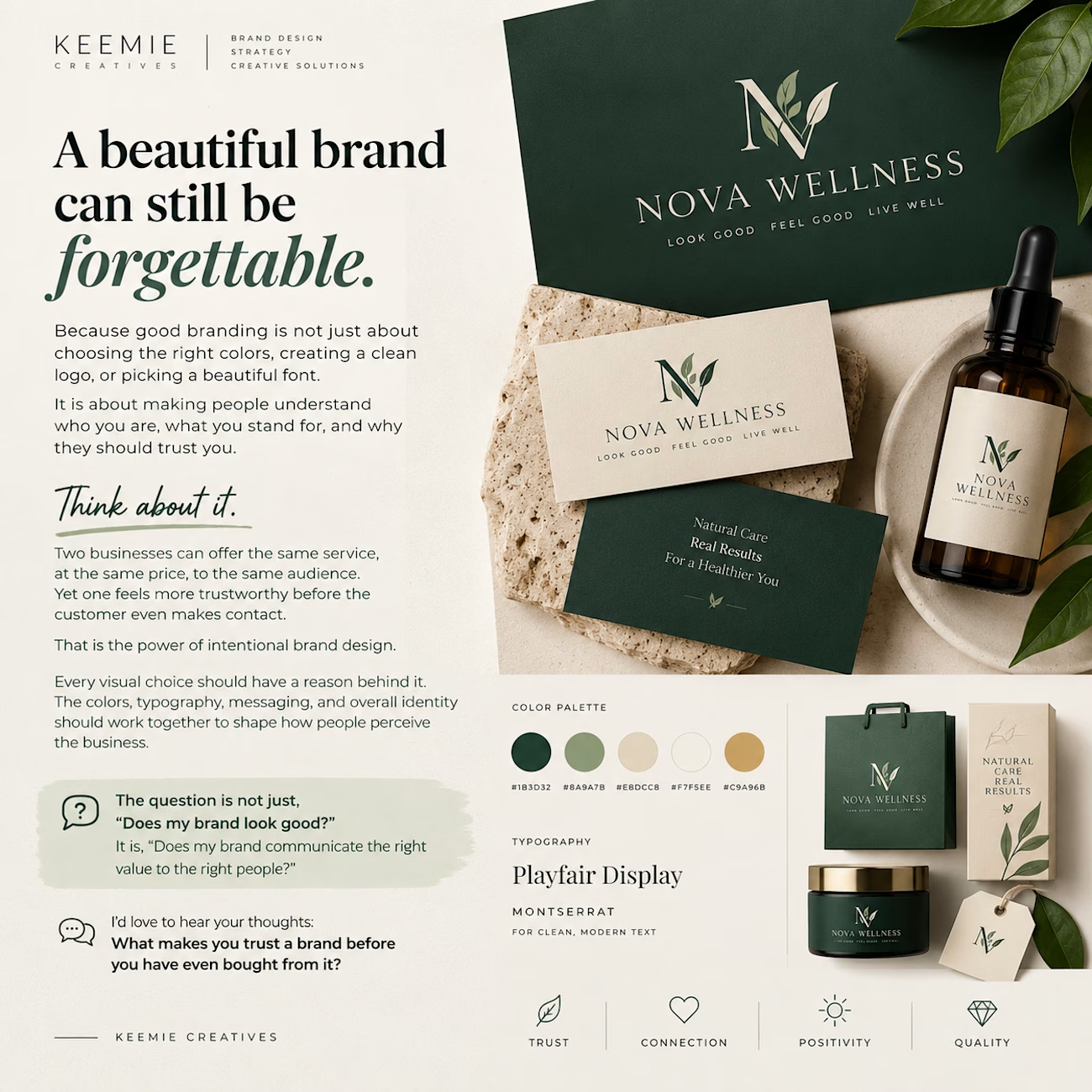
A beautiful brand can still be forgettable.
Because good branding is not just about choosing the right colors, creating a clean logo, or picking a beautiful font.
It is about making people understand who you are, what you stand for, and why they should trust you.
Think about it.
Two businesses can offer the same service, at the same price, to the same audience. Yet one feels more trustworthy before the customer even makes contact.
That is the power of intentional brand design.
Every visual choice should have a reason behind it. The colors, typography, messaging, and overall identity should work together to shape how people perceive the business.
The question is not just, “Does my brand look good?”
It is, “Does my brand communicate the right value to the right people?”
I'd love to hear your thoughts: What makes you trust a brand before you have even bought from it?