The network for creativity
Join 1.25M professional creatives like you
Connect with clients, get discovered, and run your business 100% commission-free
Creatives on Contra have earned over $150M and we are just getting started
Back to feedPost

Built 130+ engineering calculators spanning 13 disciplines — process, pipeline, mechanical, civil, electrical, instrumentation, safety, operations, rotating equipment, tanks, utility, piping, and general.
Originally deployed as an internal tool with a hosted dashboard for a midstream oil and gas operator. Now rebuilt as interactive web calculators in Catalyst OS, running client-side with React and TypeScript.
Each calculator features validated inputs with unit handling, real-time computation, results export, and responsive design. Includes financial tools (debt payoff, FIRE number), health tools (TDEE, sleep debt, burnout risk), and engineering tools (pipe flow, heat transfer).
Tech: React 19, TypeScript, Tailwind CSS. No backend calls — all math runs locally in the browser.


The network for creativity
Join 1.25M professional creatives like you
Connect with clients, get discovered, and run your business 100% commission-free
Creatives on Contra have earned over $150M and we are just getting started

Related posts

Line is a Video.js v10 skin that turns a video into a transit map. Chapters are stations, the progress bar is a metro route, and a small train is the playhead. It docks and opens its doors at each station, and a tick marks every stop you’ve reached.
I built it because a chapter list is the one part of a player people rarely use. A route makes the structure of a video visible at a glance and makes jumping around feel like travelling.
It’s made to be used by everyone: a real ARIA slider, full keyboard control (arrows, Home/End, PageUp/PageDown for chapters), spoken announcements at each station, reduced-motion support and 44px touch targets. It has three line colours (Sunset Express, Metro Blue, Forest Green) and works on desktop, tablet and phone. Built with @videojs/react and Mux. Apache 2.0.

Super!

400 renders. Zero manual errors. 🚀
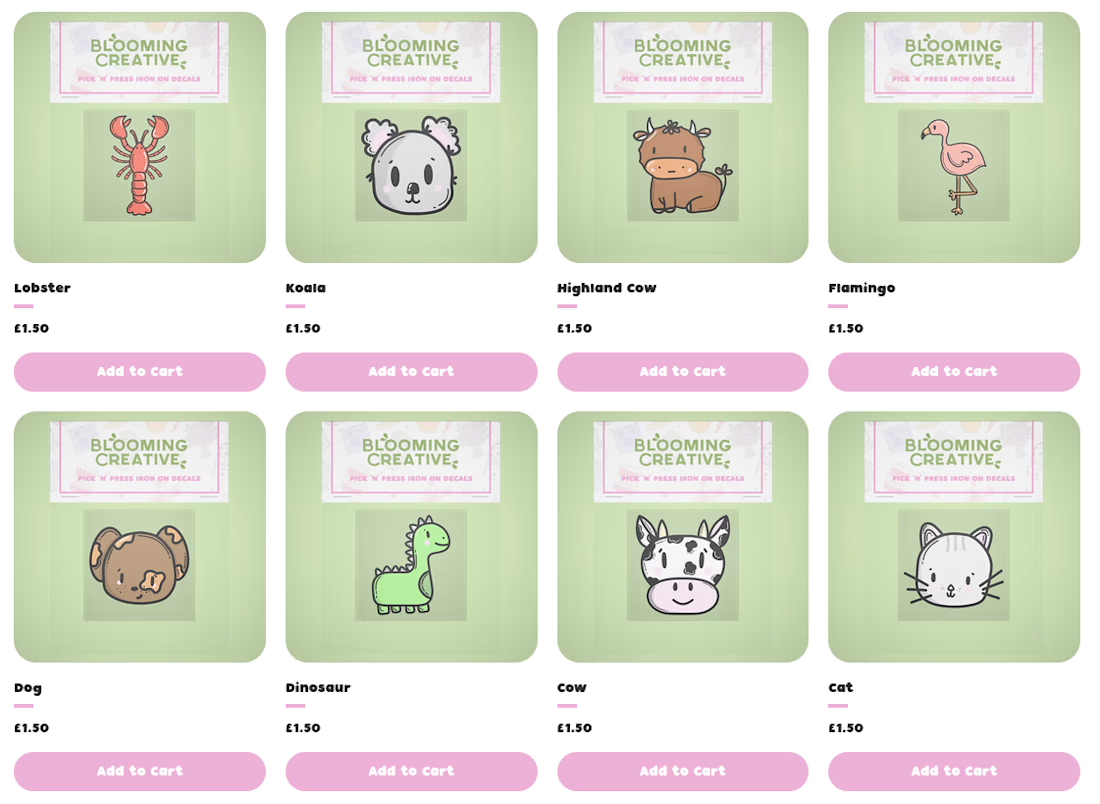
A recent client needed 400 product variants for their Wix store. The problem? Wix randomizes filenames on upload, making bulk organization a nightmare.
I solved this by building a procedural pipeline in Blender to handle the volume and using a strict SKU-based naming system for the files. To bypass the Wix glitch, I hosted the images on a temporary static site to serve them by their original names.
The result: a perfectly synced store and a process that turned days of manual data entry into a seamless technical win.


Hi Zak, let's connect. Useful approach, thanks. Where did you host them? Cloudflare or Cloudinary? Or maybe something else?

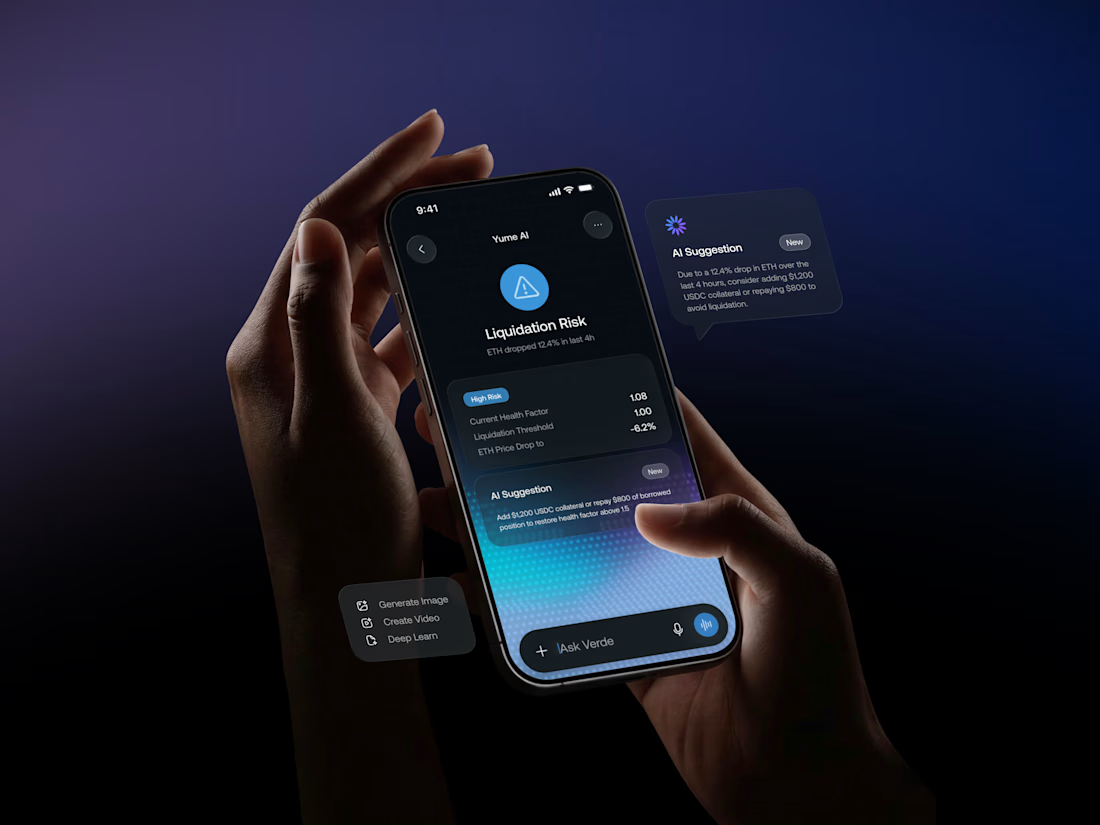
Verde brings real-time DeFi risk insights into one intuitive dashboard with a clean, dark interface.
Want to create something like this?
Let's Talk!


Good one!