The network for creativity
Join 1.25M professional creatives like you
Connect with clients, get discovered, and run your business 100% commission-free
Creatives on Contra have earned over $150M and we are just getting started
Back to feedPost

I think startups sometimes treat community like decoration.
Like something you add after the “serious” things are done.
Product first.
Website first.
Content first.
Launch first.
Maybe community later, when there are enough people to gather.
I used to think like that, too.
Community felt like a place you build:
• A Slack group
• A Discord
• A WhatsApp group
• A newsletter audience
• A comment section
• A place where people “engage”
But I think that definition is too neat.
Because most communities already exist before the brand enters.
People are already talking in Reddit threads, WhatsApp groups, comment sections, niche forums, Quora answers, student circles, founder groups, customer reviews, DMs, and random conversations nobody is screenshotting into a strategy deck.
They are already saying:
💬 “This is confusing.”
💬 “I don’t trust this.”
💬 “Has anyone tried this?”
💬 “Is this worth paying for?”
💬 “Why is nobody solving this properly?”
💬 “I wish there was an easier way.”
💬 “This brand gets it.”
💬 “This one feels fake.”
That is the gold mine.
Not the engagement.
Not the follower count.
Not the cute community name.
The gold mine is the unfiltered language.
👉 The complaints
👉 The repeated questions
👉 The emotional hesitation
👉 The tiny phrases people use before they know they are in a buying journey
And this is where startups lose so much without realising it.
They build messaging from inside the company.
Then they wonder why the market does not immediately understand.
They write content from assumptions.
Then they wonder why it feels flat.
They build features from internal logic.
Then they wonder why adoption is slow.
They run campaigns to “create demand.”
But they skipped the place where demand was already whispering.
That is what I am unlearning.
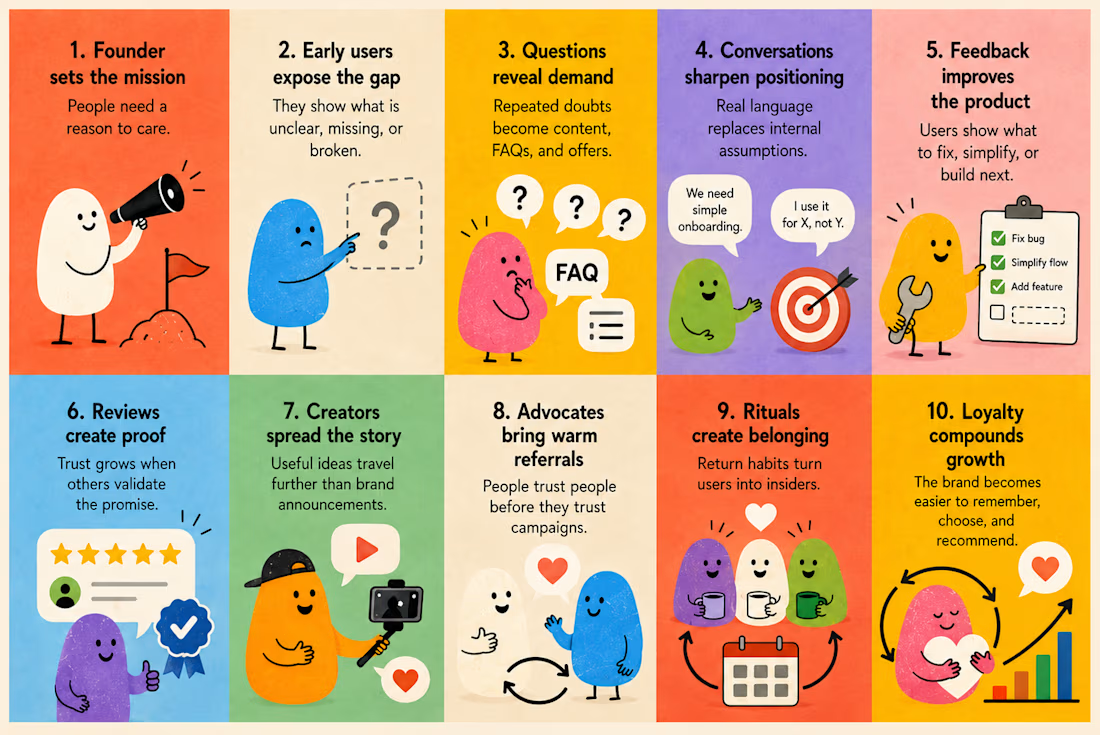
Community marketing is not just about building a community.
It is about getting close enough to the market that your positioning no longer sounds invented.
👉 Your content starts sounding familiar.
👉 Your proof starts answering real doubts.
👉 Your product starts reflecting real behaviour.
👉 Your brand starts feeling less like a pitch and more like a place people recognise.
And eventually, that becomes loyalty.
Not because you forced people into a funnel.
But because they felt understood before they were sold to.
Field note:
A startup that ignores community is not just missing a marketing channel.
It is building its brand with the market muted.
The network for creativity
Join 1.25M professional creatives like you
Connect with clients, get discovered, and run your business 100% commission-free
Creatives on Contra have earned over $150M and we are just getting started






Related posts

How can branding make people feel part of a community?
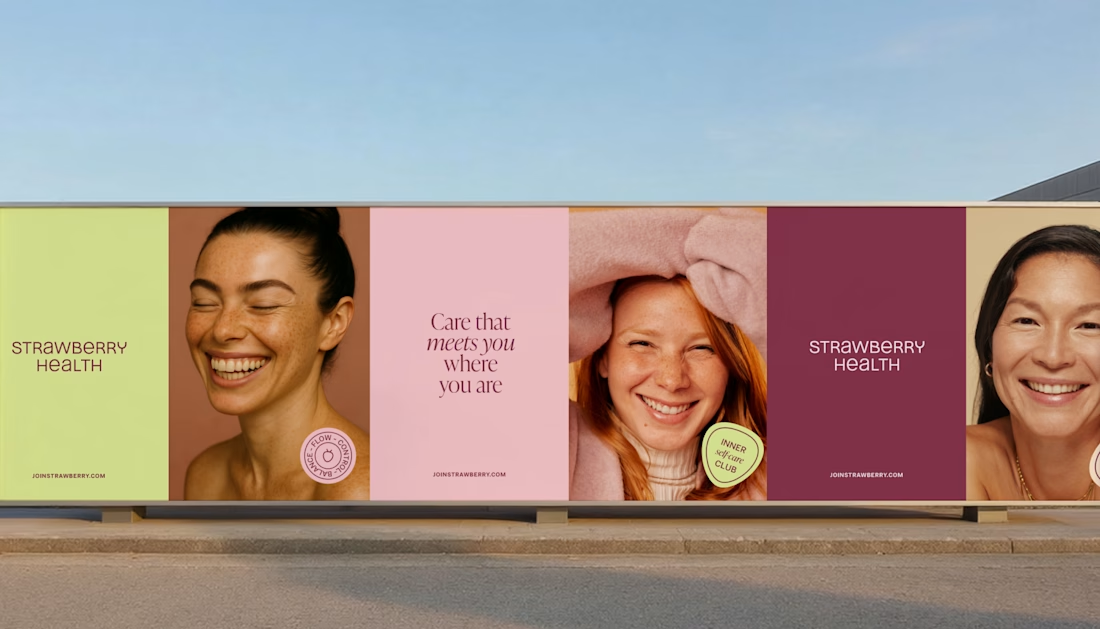
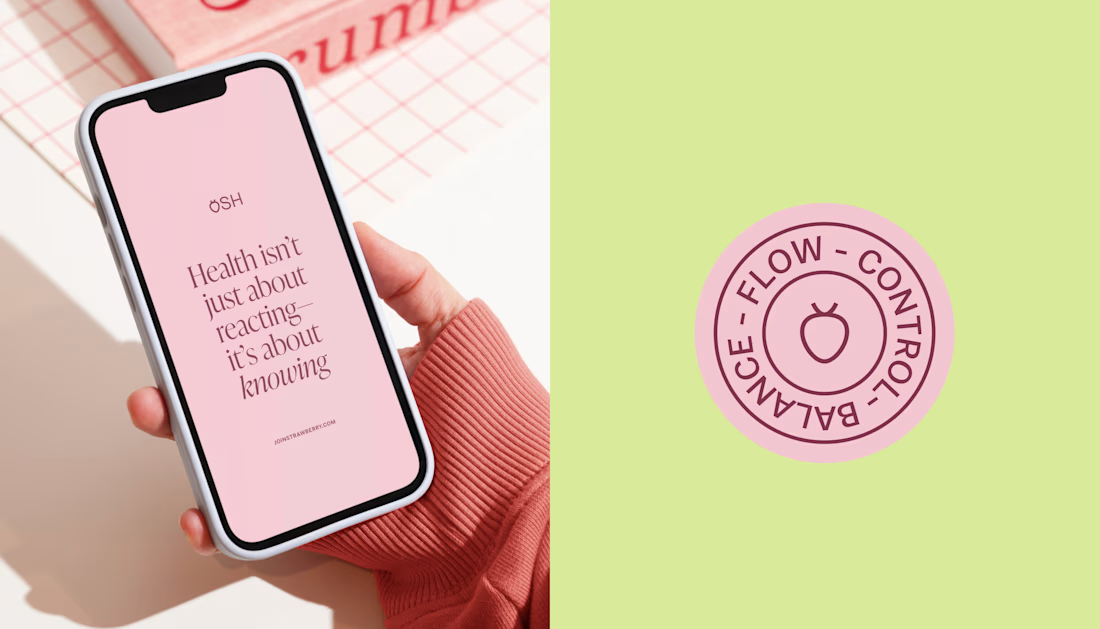
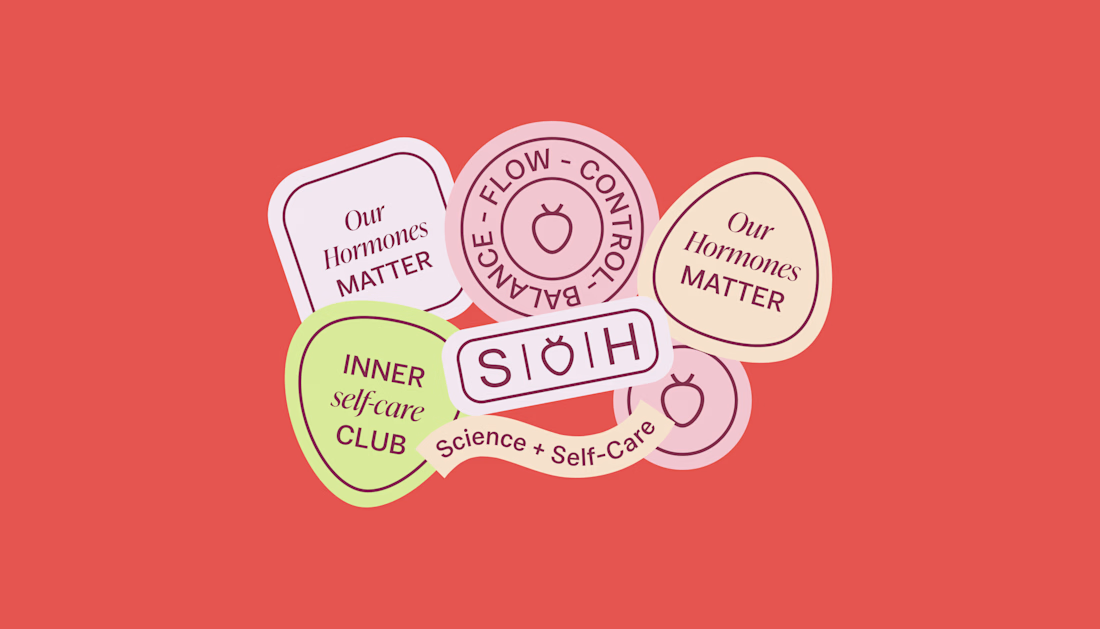
When working on Strawberry Health, we explored how visual identity could make women’s health feel more approachable and collective.
One of the ways was through supporting brand elements: stickers, badges and phrases that could live beyond the logo and become expressions of belonging.
These elements turned the identity into something people could interact with, share and make their own.
It’s a small detail, but I think it’s an important part of building brands around communities: the identity shouldn’t only identify the brand. It should give people something to identify with.
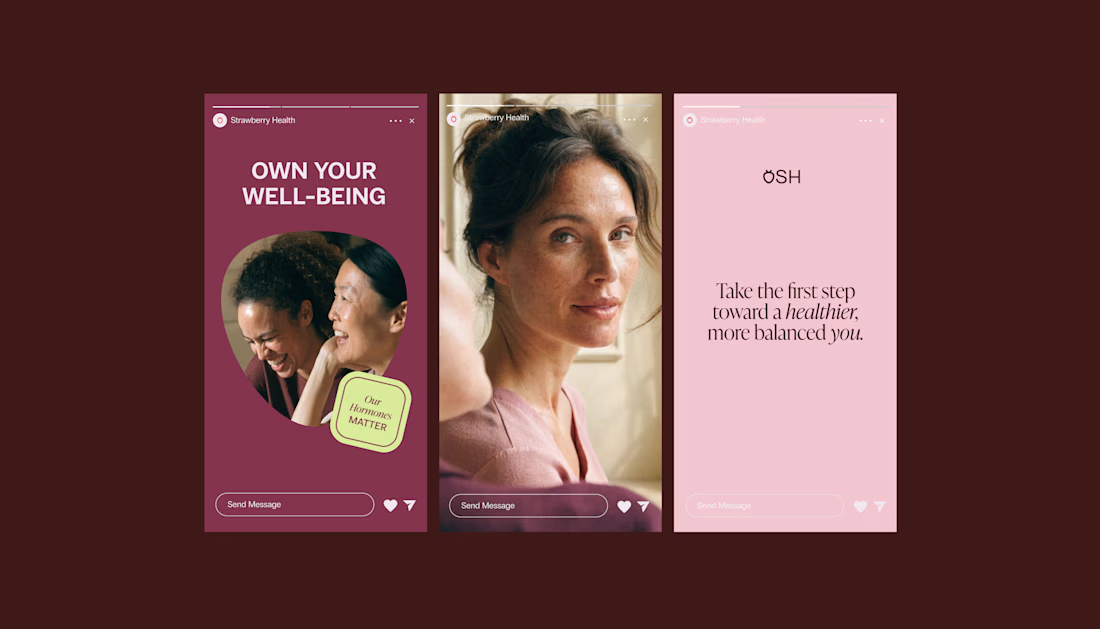

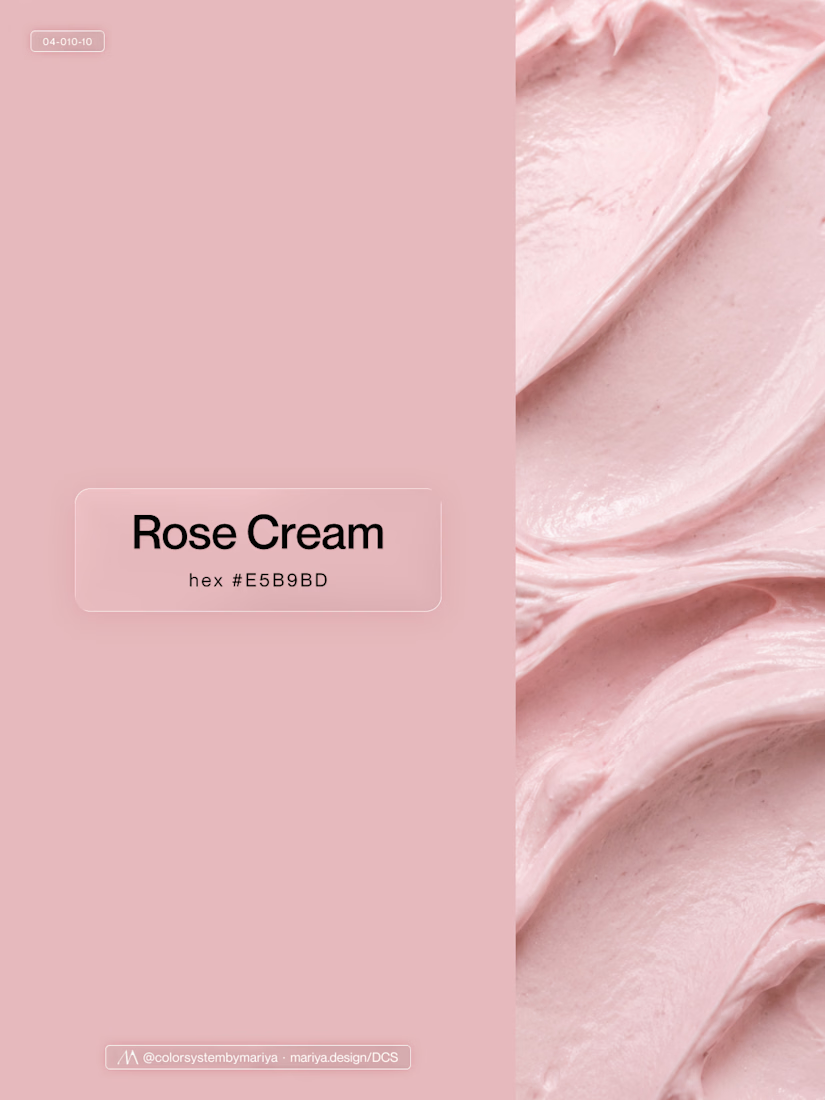
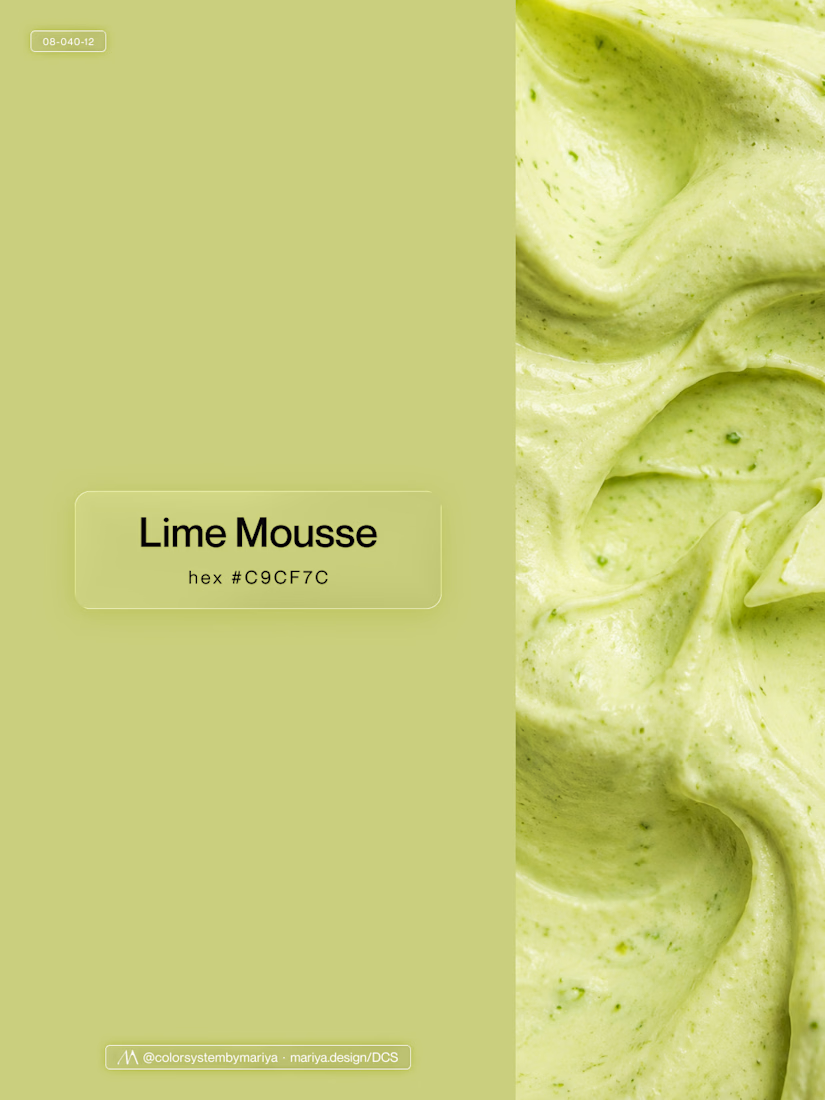
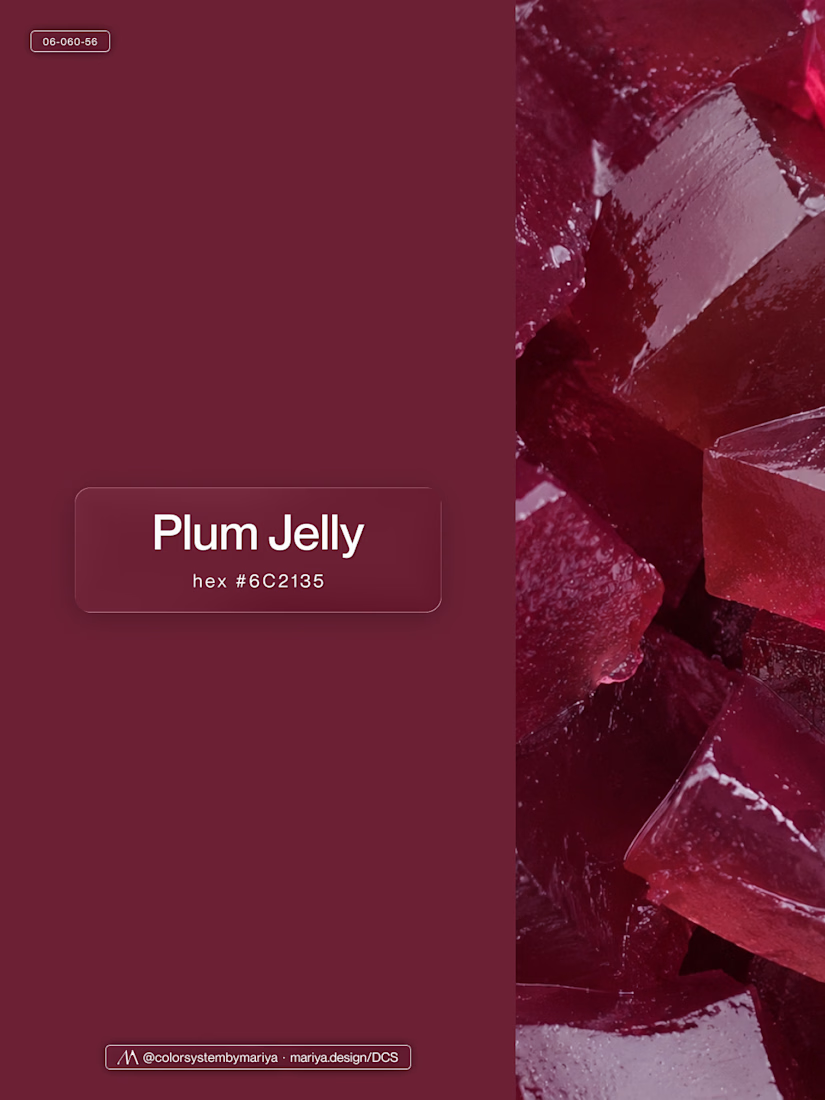
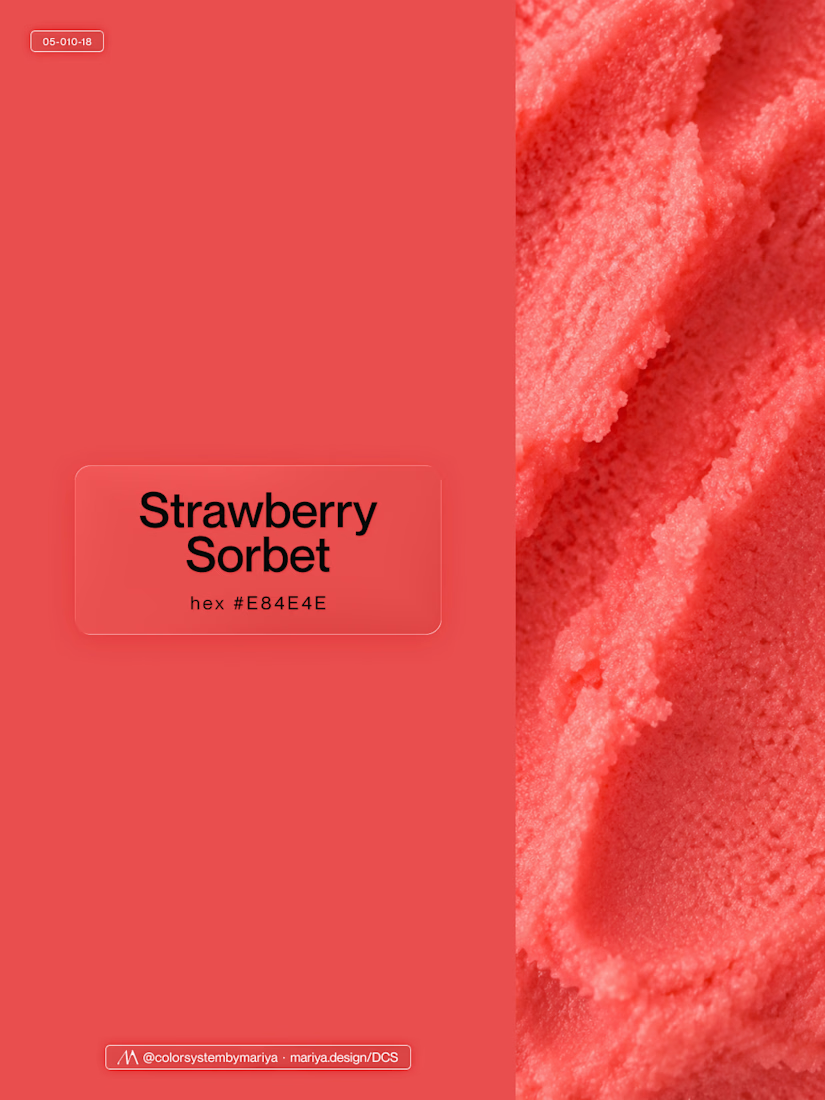
Love, love, love the colors. My mind goes: Rose Cream, Lime Mousse and Plum, hmmmm, which Plum... Plum Jelly. And of course, Strawberry Sorbet.
Let me match the vibe using my delicious swatches 😊

I built an agent that scopes app ideas. Fed a typical studio owner's wishlist, the first thing it cut was the AI. Once people can book on their own, the DMs stop coming.

Beachwood Canyon — a wellness hub in the canyon. I built the full brand ecosystem: a hub site with a few doors (Studios, Club, Bible Studies), a marketing & live events site, the logo, sign-up forms that file straight into a Google Sheet, Instagram branding, and promo content for the first event. Websites, apps, branding, content, AI chatbots — I can do a lot more. Let's build yours.


