The network for creativity
Join 1.25M professional creatives like you
Connect with clients, get discovered, and run your business 100% commission-free
Creatives on Contra have earned over $150M and we are just getting started
Back to feedPost

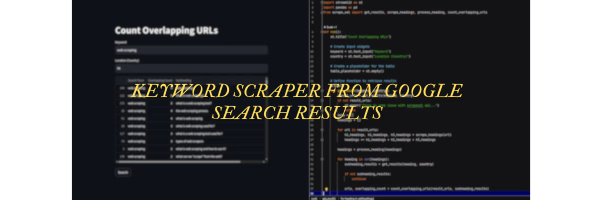
Developed a Python-based Google search scraper to automate keyword research and URL collection. The tool extracts search-result URLs, identifies overlapping URLs across multiple keywords, and presents the results in a structured interface for efficient analysis.


The network for creativity
Join 1.25M professional creatives like you
Connect with clients, get discovered, and run your business 100% commission-free
Creatives on Contra have earned over $150M and we are just getting started



Related posts

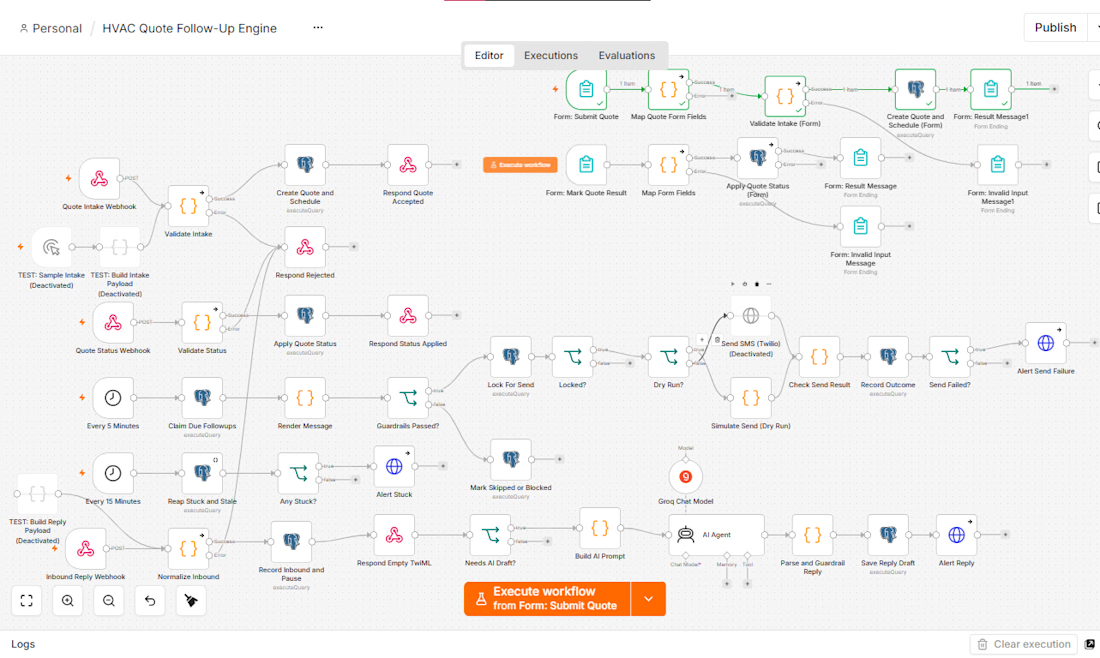
Quote Follow-Up Automation for HVAC & Plumbing
Most home-service quotes don’t get rejected, they just go quiet. I built a system that follows up on them automatically.
What it does
Takes each quote through a simple form
Schedules up to 8 timed texts over 30 days
Stops instantly on a reply, a STOP, or a booked/lost update
Uses AI to draft replies to objections, with a human approving every one
Built with safety first
No duplicate texts, even when processes overlap
Only contractor-approved wording is sent
Texts go out only during local business hours
Opt-outs are honored immediately
Stack: n8n, Postgres, Groq, Docker, Twilio
Status: built and tested end to end, ready to pilot.
I build automation systems like this for service businesses. Message me if you’d like one for yours😊 .



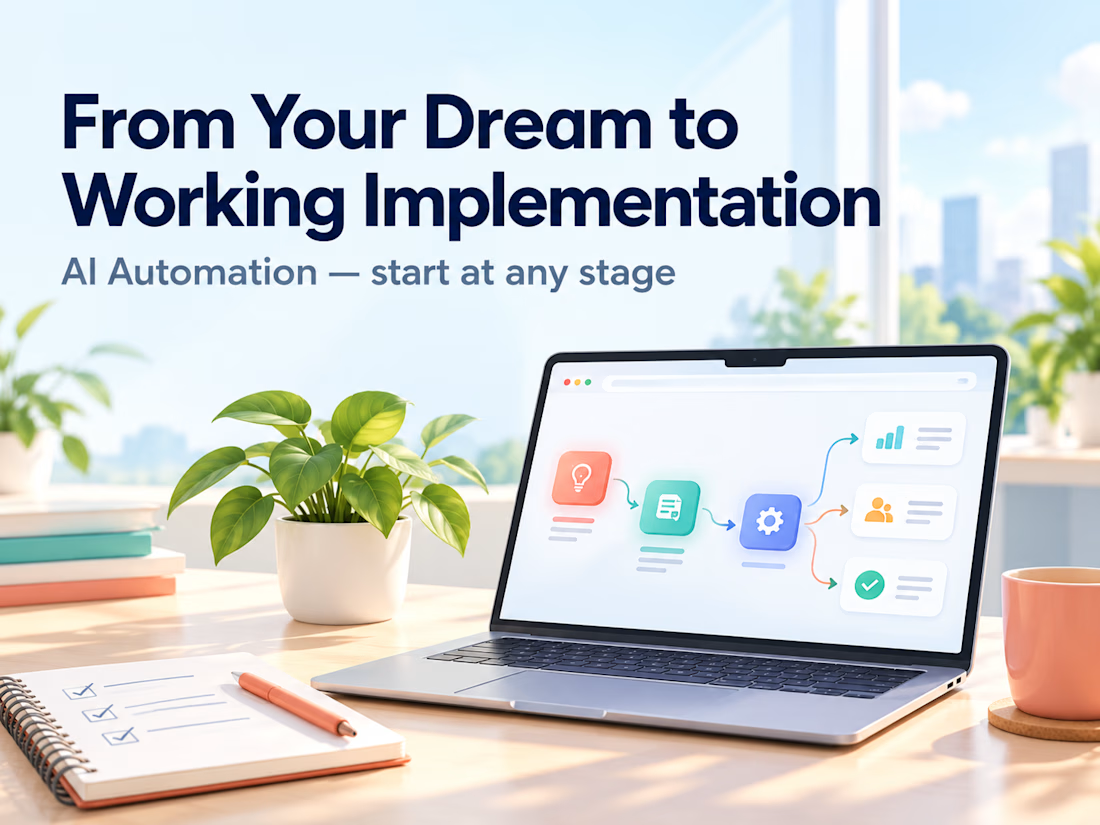
Clients often start with the same request: "Let's build an AI agent."
My counter-question is always: which manual process actually costs you time, errors, or money right now?
My selection rule: remove it first. If it can't be removed, simplify it. If it's still needed, automate it with a plain script. Only then add an integration or an agent. Often the best result is the process that no longer exists.
Safe automation means real scenarios, error handling, and alerts. Without alerts, a workflow can silently lose data for weeks. I always define what stays with a human and what goes to the system.
Question for you: which process would you automate first, and why is it still manual?
Service for audit and implementation: https://contra.com/s/BmWLbgFU-ai-automation-from-your-dream-to-working-implementation?r=auto_booster


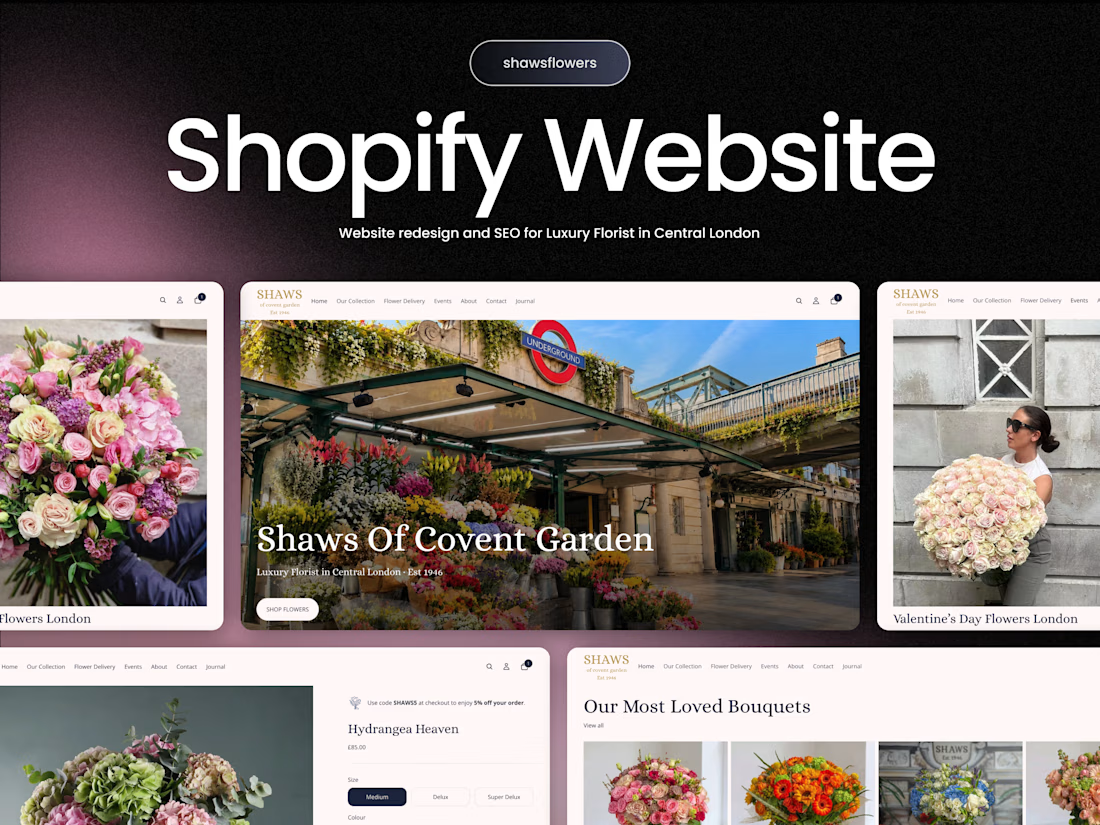
London florists have serious competition. 🌸
So seeing our client, Shaws of Covent Garden, ranking on Google's first page for searches like “luxury florist central London” feels pretty special!
We redesigned and developed their Shopify website, with SEO built in from day one.
Same family business since 1946. A fresh digital presence. And now, more visibility where it matters.
Good design gets attention. Good SEO gets you found.

Building SEO in from day one rather than bolting it on later is what makes a result like this possible. First page for luxury florist in central London is a tough ranking, nice work.