The network for creativity
Join 1.25M professional creatives like you
Connect with clients, get discovered, and run your business 100% commission-free
Creatives on Contra have earned over $150M and we are just getting started
Back to feedPost
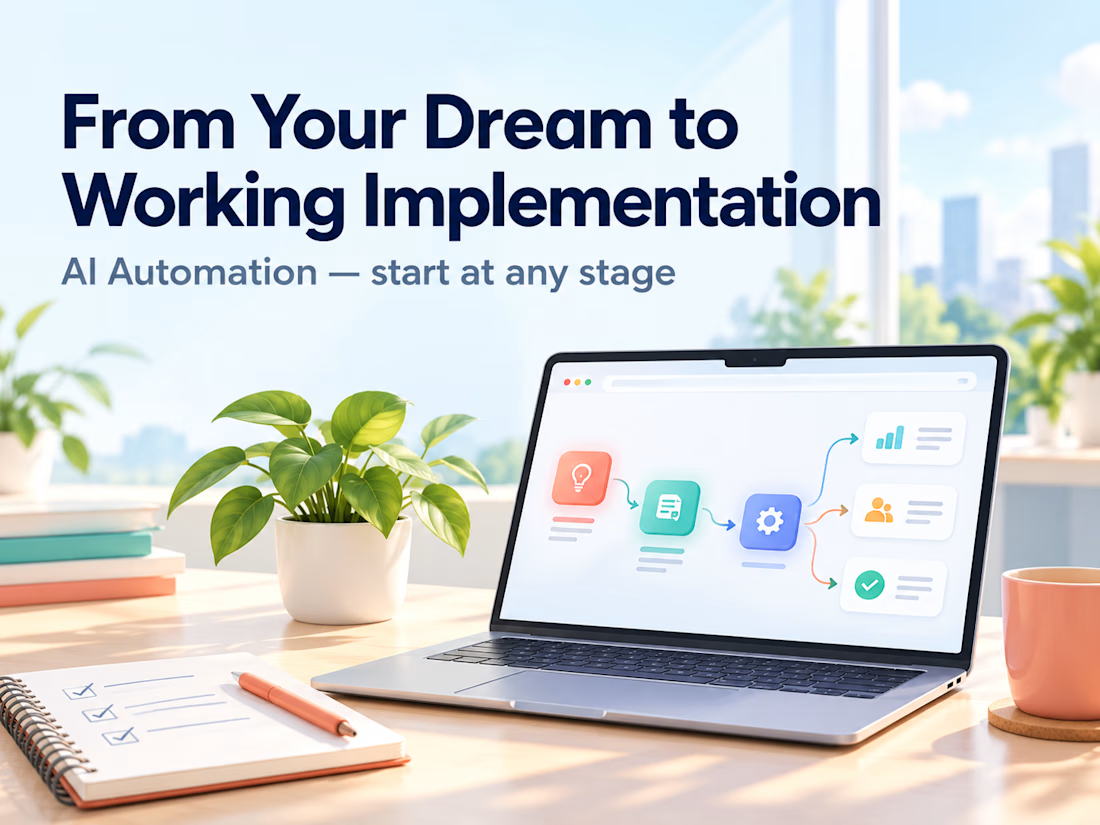
Clients often start with the same request: "Let's build an AI agent."
My counter-question is always: which manual process actually costs you time, errors, or money right now?
My selection rule: remove it first. If it can't be removed, simplify it. If it's still needed, automate it with a plain script. Only then add an integration or an agent. Often the best result is the process that no longer exists.
Safe automation means real scenarios, error handling, and alerts. Without alerts, a workflow can silently lose data for weeks. I always define what stays with a human and what goes to the system.
Question for you: which process would you automate first, and why is it still manual?
Service for audit and implementation: https://contra.com/s/BmWLbgFU-ai-automation-from-your-dream-to-working-implementation?r=auto_booster


You proved the point beautifully — a self-healing service is only half the job if nobody knows it healed something. 😄
My rule for small workflows: go tiered. Anything that stops the workflow or silently drops data → a channel that buzzes in your pocket: Telegram or Slack....

Not yet: the deploy demo only checks that the service comes back. Your rule about a separate channel is the part I'll keep. If the server is down, an alert sent from that same server never arrives. My price monitor demo already sends its alerts with a Telegram bot, so that's probably the next step for the deploy demo too.
Yes, exactly — if the server is down, an alert sent from that same server never arrives. In that case the standard approach is an external watchdog service (healthchecks.io is one example, there are several). The exact setup depends on how the workflow runs:
On a schedule — the...

The "remove it first" rule is a useful filter. When you do keep a process and automate it, how do you decide what the failure alert should contain, and who gets it, so a silent data loss gets caught and not just logged?
Great follow-up — that's the question that separates "has alerts" from "actually catches silent data loss."
I template every failure alert with four fields: what (workflow + exact step name), what I saw (the real error or value, never just "failed"), when, and what to check...
The network for creativity
Join 1.25M professional creatives like you
Connect with clients, get discovered, and run your business 100% commission-free
Creatives on Contra have earned over $150M and we are just getting started
Related posts


You need a strong starting point for a sales-tech brand without trying too hard.
A generic SaaS template won’t work in this case.
What you need are:
• Sales-focused product UI
• Personalized outreach with follow-up and reply intelligence
• Pricing, testimonials, FAQs, and integrations
• CMS for blog posts, feature pages, and case studies
• Clear paths to demos and trials
That’s how we designed Avina, our new Framer template.
Built for AI sales products, outbound automation tools, and sales-focused SaaS products.
Avina is designed around a real outbound sales journey.
So visitors understand quickly.
Check the link in the comment.


What I like here is the focus on the actual sales journey, not just the visual design. For AI sales tools, showing how outreach, follow-ups, and reply handling connect to real outcomes can make a big difference. Curious how you approached that in Avina?

From packed boxes to a shipment the client can track.
This TechFoundry IMS demo reuses box details, retrieves UPS rates, creates shipping labels, and keeps tracking connected to the client order. A practical example of the AI and automation workflows we build into business software.
Watch the client shipping demo:
https://www.youtube.com/watch?v=8ohniU08JAA
#AI #Automation #SoftwareDevelopment #Shipping
I like that the shipment stays tied to the client order instead of living in a separate carrier tab. When box details get edited after the UPS rate is retrieved, does the system re-quote before creating the label, or lock the original rate? I'd be curious how you handle that mismatch on the tracking side.

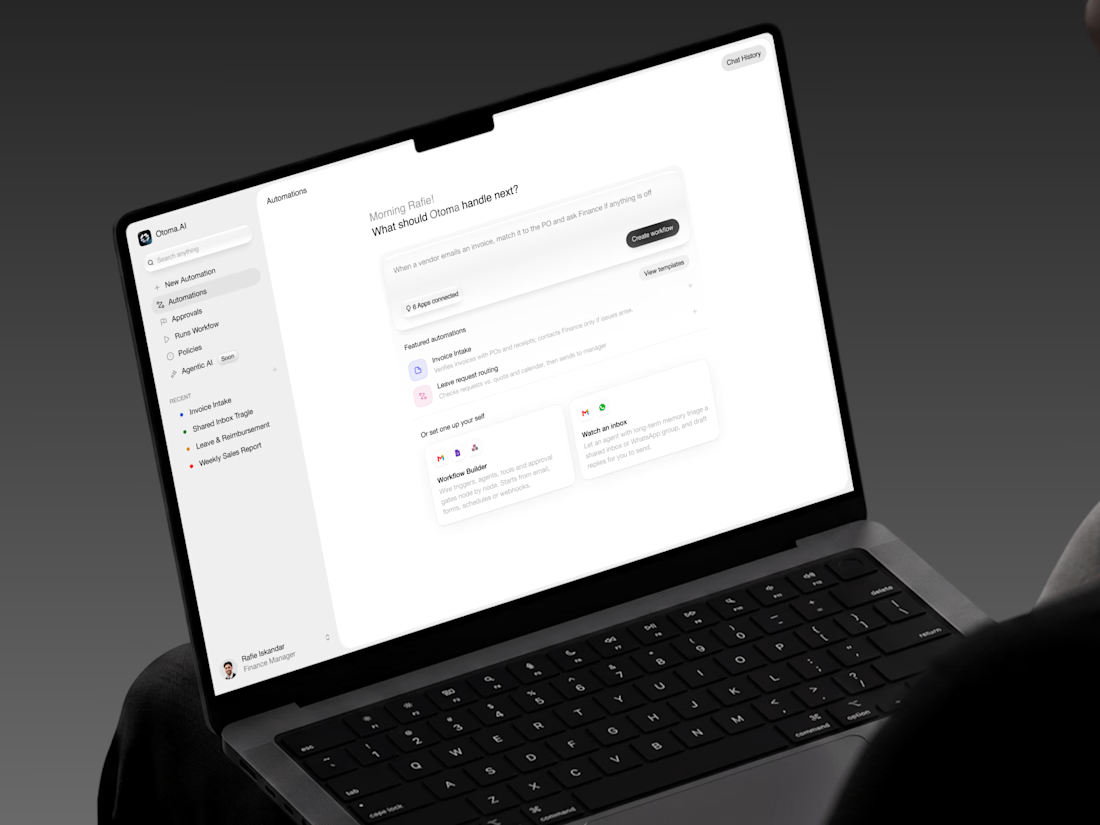
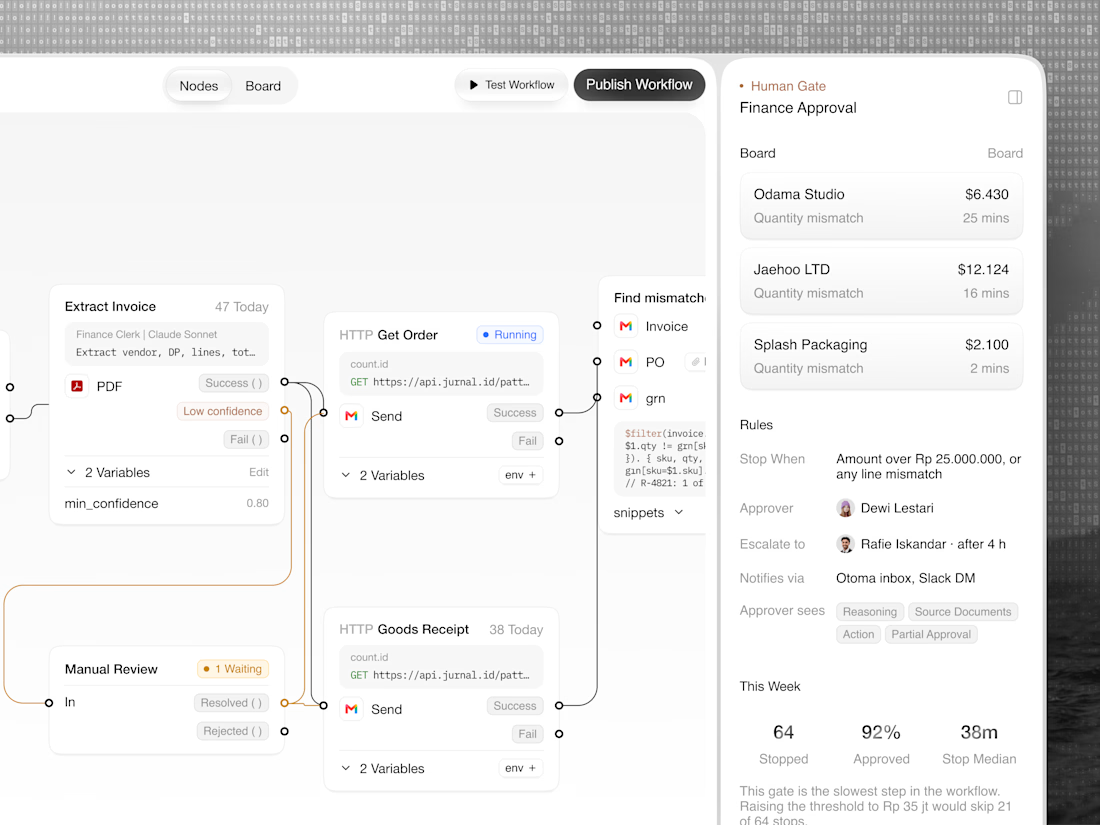
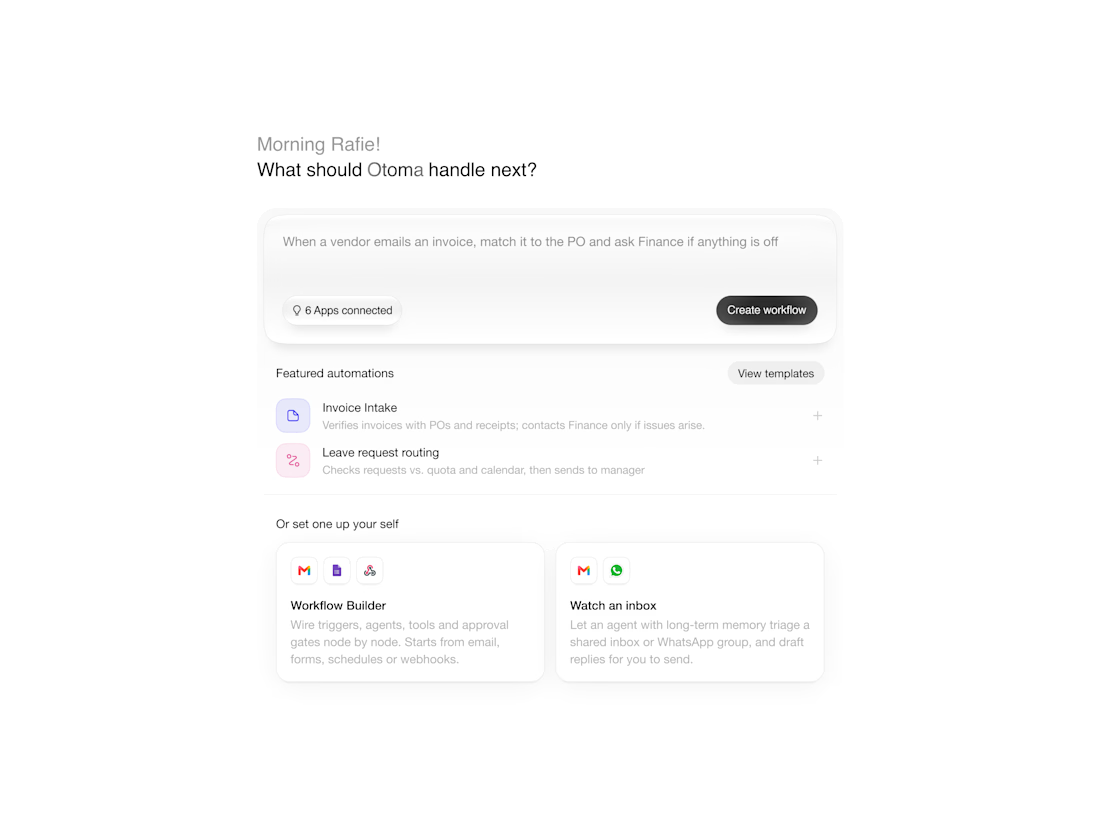
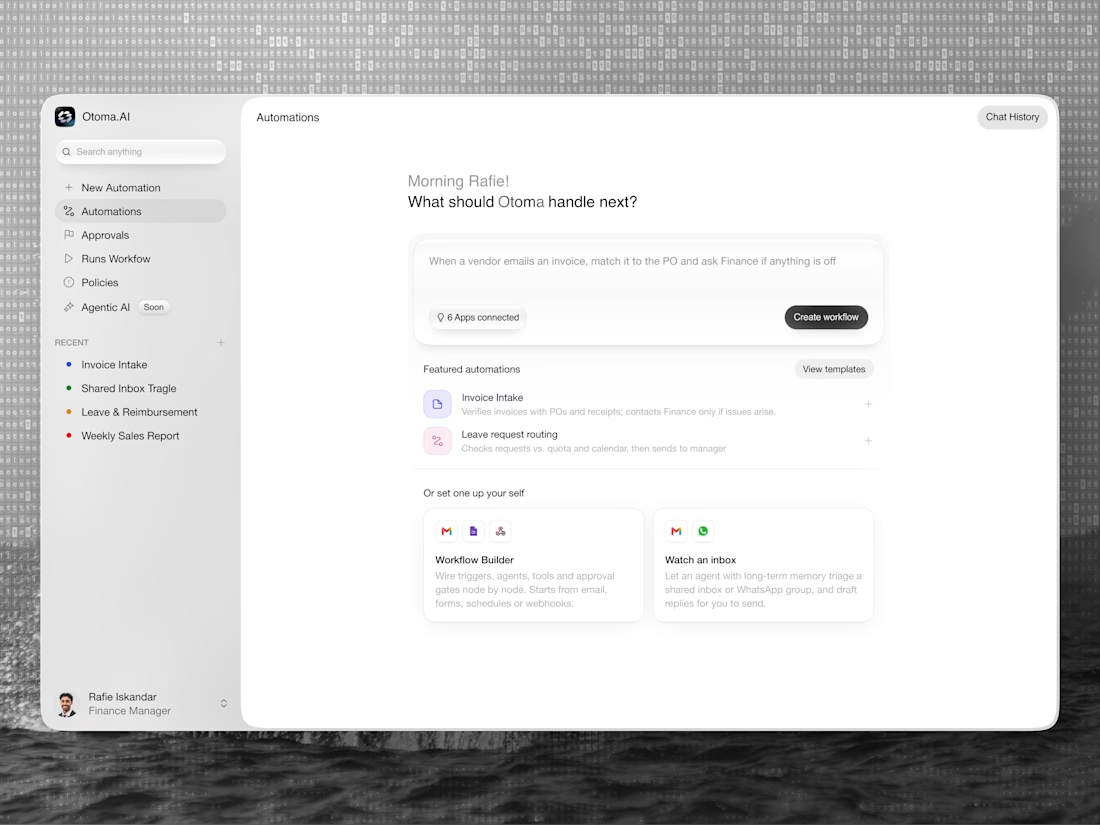
Otoma. AI — AI-Powered Workflow Automation Design
A simpler way to build workflows.
Otoma. AI turns plain-language instructions into working automations, helping finance and operations teams handle repetitive tasks while staying in control.