The network for creativity
Join 1.25M professional creatives like you
Connect with clients, get discovered, and run your business 100% commission-free
Creatives on Contra have earned over $150M and we are just getting started
Back to feedPost

Great content deserves to be found. 🚀
Creating content is only half the job. The real impact comes when your audience can actually find it.
SEO helps your content rank higher, while quality content builds trust, answers questions, and turns visitors into loyal customers. When these two work together, your brand doesn't just grow—it stands out.
✨ Remember:
✔️ Write for people first, then optimize for search engines.
✔️ Focus on value, not just keywords.
✔️ Consistency always beats shortcuts.
What do you think is more challenging: Writing great content or Ranking it on Google? Let me know in the comments. 👇
#SEO #ContentWriting #DigitalMarketing #SEOTips #ContentStrategy #GoogleRanking #ContentMarketing #OrganicTraffic #SmallBusiness #GrowOnline

The network for creativity
Join 1.25M professional creatives like you
Connect with clients, get discovered, and run your business 100% commission-free
Creatives on Contra have earned over $150M and we are just getting started
Challenges
View all


Related posts

𝗧𝗵𝗲 𝟱 𝗙𝗮𝘁𝗮𝗹 𝗦𝗘𝗢 𝗠𝗶𝘀𝘁𝗮𝗸𝗲𝘀 𝗕𝗲𝗴𝗶𝗻𝗻𝗲𝗿𝘀 𝗠𝗮𝗸𝗲 𝗶𝗻 𝗪𝗼𝗿𝗱𝗣𝗿𝗲𝘀𝘀 (𝗔𝗻𝗱 𝗛𝗼𝘄 𝘁𝗼 𝗙𝗶𝘅 𝗧𝗵𝗲𝗺)
Having a great WordPress site means nothing if nobody finds it on Google. 𝗧𝗵𝗲 𝟱 𝗺𝗼𝘀𝘁 𝗰𝗼𝗺𝗺𝗼𝗻 𝗦𝗘𝗢 𝗯𝗹𝘂𝗻𝗱𝗲𝗿𝘀:
Leaving default permalinks as plain IDs.
Ignoring Image Alt Tags and compression.
Missing XML Sitemaps in Google Search Console.
Having multiple H1 tags per page.
Not setting canonical URLs.
𝗕𝗼𝗼𝗸𝗺𝗮𝗿𝗸 𝘁𝗵𝗶𝘀 𝗰𝗵𝗲𝗰𝗸𝗹𝗶𝘀𝘁 𝘁𝗼 𝗮𝘂𝗱𝗶𝘁 𝘆𝗼𝘂𝗿 𝘀𝗶𝘁𝗲 𝗯𝗲𝗳𝗼𝗿𝗲 𝗹𝗮𝘂𝗻𝗰𝗵𝗶𝗻𝗴!


Good list. I'd add a 6th: the "Discourage search engines from indexing this site" box under Settings → Reading. It often stays ticked after a staging launch and adds noindex to every page. Small note on #4: multiple H1s aren't a problem on their own for Google; a clear heading structure matters more.

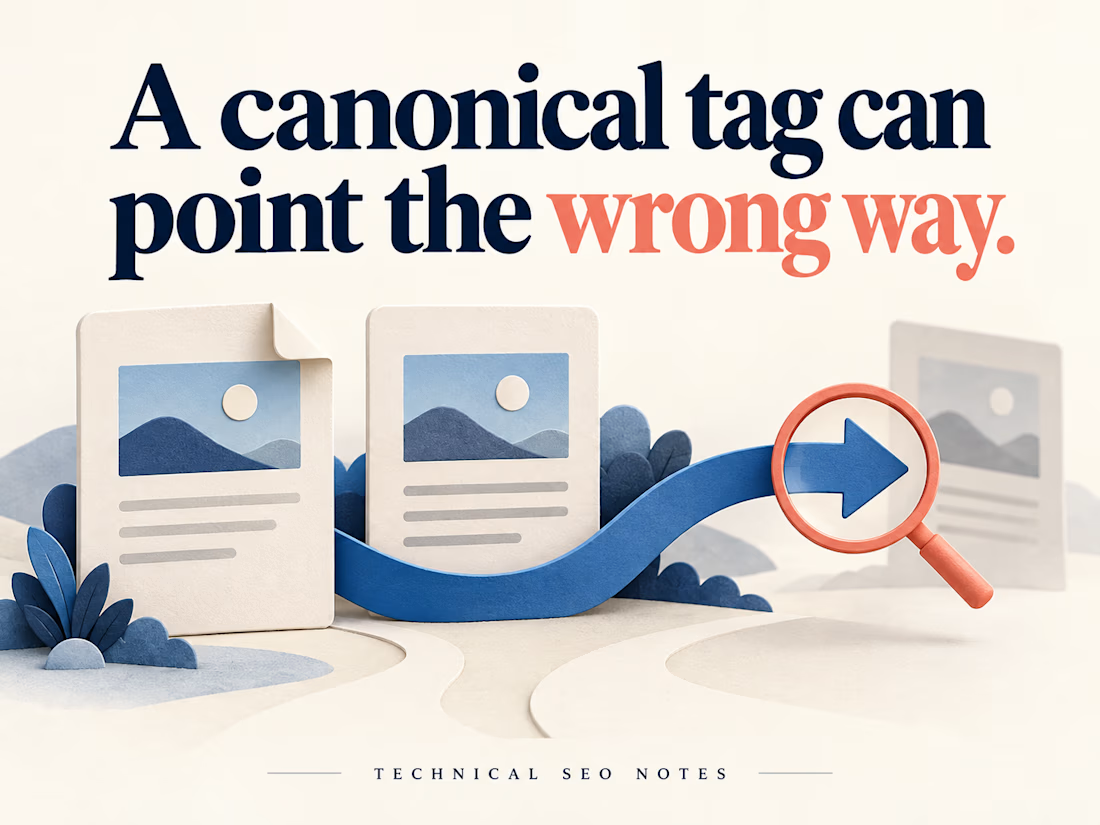
A Canonical Tag Can Be Present and Still Point to the Wrong Page
A redesigned page can look right while its canonical tag points to an old URL. A check that only asks whether the tag exists will miss that mistake.
Before signing off the release, define which URL should represent each page, then check what the deployed website actually declares.
For example, imagine a workshop page available at both its clean address and a newsletter URL with tracking parameters. If they show the same workshop, both should declare the agreed clean URL. A separate workshop with different content needs its own decision.
For each page type, check:
• The expected canonical is written down before testing.
• The declaration in the initial HTML points to that URL, and JavaScript does not replace it with a different one.
• The target opens the intended page, with suitable crawl and indexing settings.
• Internal links, redirects and sitemap entries support the same preferred address.
A correct value in the CMS settings is only part of the evidence. Test the public page, including any alternate URLs that visitors actually use. Include another page built from the same template to see whether the problem repeats.
Keep the handoff short: requested URL, expected canonical, actual declaration, target response and the person responsible for correcting it. That gives a developer enough information to reproduce the problem and QA a specific condition to retest.
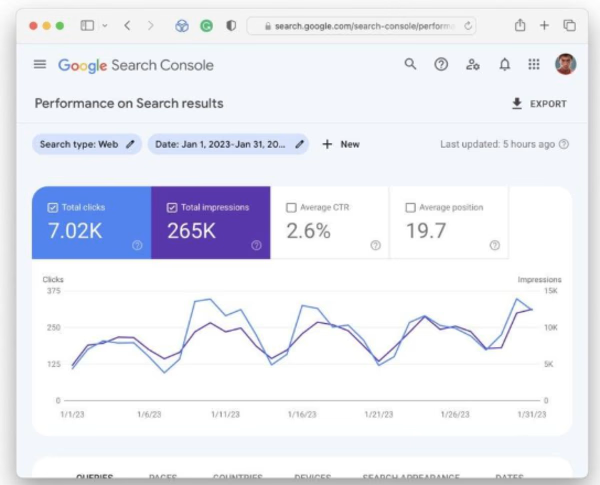
Then compare the implementation with Search Console's indexed record. Check the crawl date before using an older result to judge a new deployment. Google's selected canonical is a separate observation; a correct declaration does not guarantee that Google will choose it, and the live test cannot predict that choice.
The release check can establish that the website sends the intended signals. Record Google's later selection separately so the team can distinguish a deployed defect from an indexing decision.
I put together the implementation checks and examples in the full guide on Technical SEO Notes:
https://technicalseonotes.org/canonical-tags-purpose-examples-and-implementation-checks/
Projects and client work: NikoCodes
https://nikocodes.com/





Greate Results