The network for creativity
Join 1.25M professional creatives like you
Connect with clients, get discovered, and run your business 100% commission-free
Creatives on Contra have earned over $150M and we are just getting started
Back to feedPost


I run a credit startup and an automation engineering practice — simultaneously, with a small team. This is the OpenClaw setup that makes it possible: 8 workflows, a hardened security architecture, and one Windows machine doing the work of three people. Full case study now live.


The network for creativity
Join 1.25M professional creatives like you
Connect with clients, get discovered, and run your business 100% commission-free
Creatives on Contra have earned over $150M and we are just getting started






Related posts

Can you build a fully automated e-commerce platform with zero monthly SaaS costs? Yes. 🛠️
I just dropped my new case study detailing how I engineered a self-sustaining data architecture for Oz Golden Rush. By combining Framer, Make.com, and Airtable, I automated their entire inventory, dynamic pricing, and social feeds—all wrapped in a custom vector UI.
Take a look at the project to see how I bridged the gap between zero-code automation and frontend engineering!
https://contra.com/p/cEbebMRL-automated-data-architecture-for-oz-golden-rush


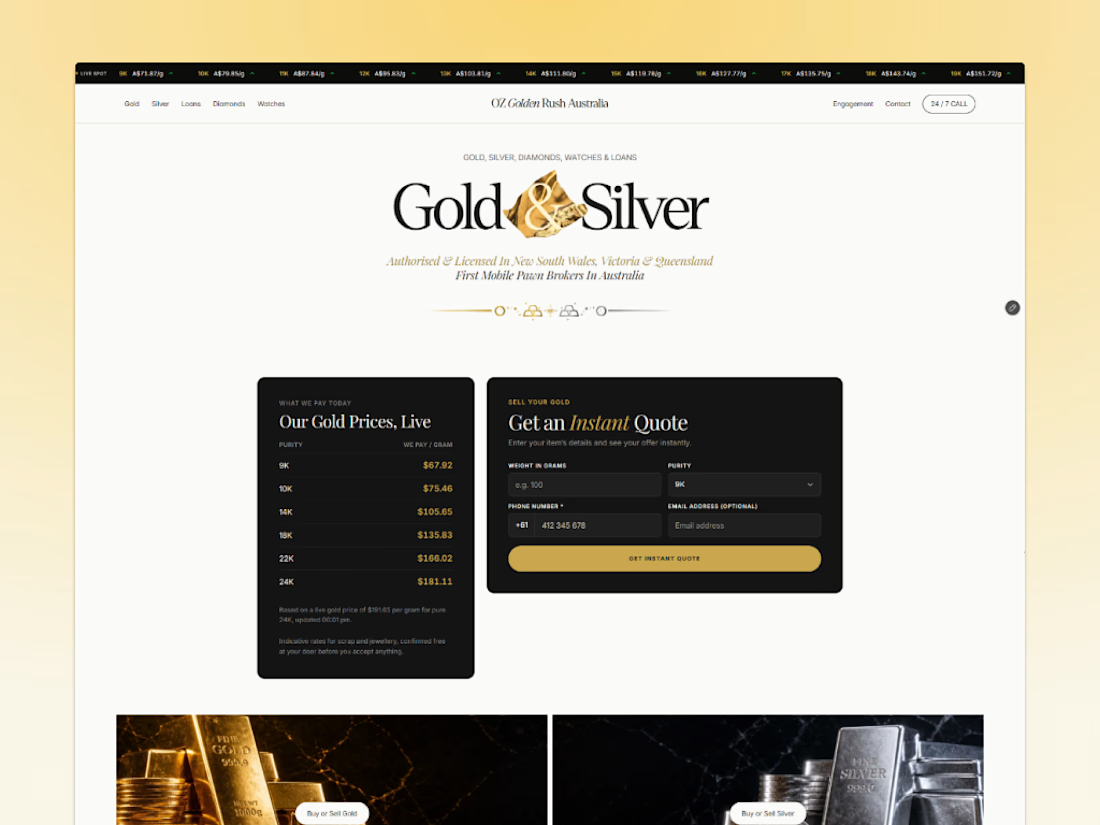

Linking inventory changes straight to dynamic pricing removes the manual lag and keeps the storefront responsive.

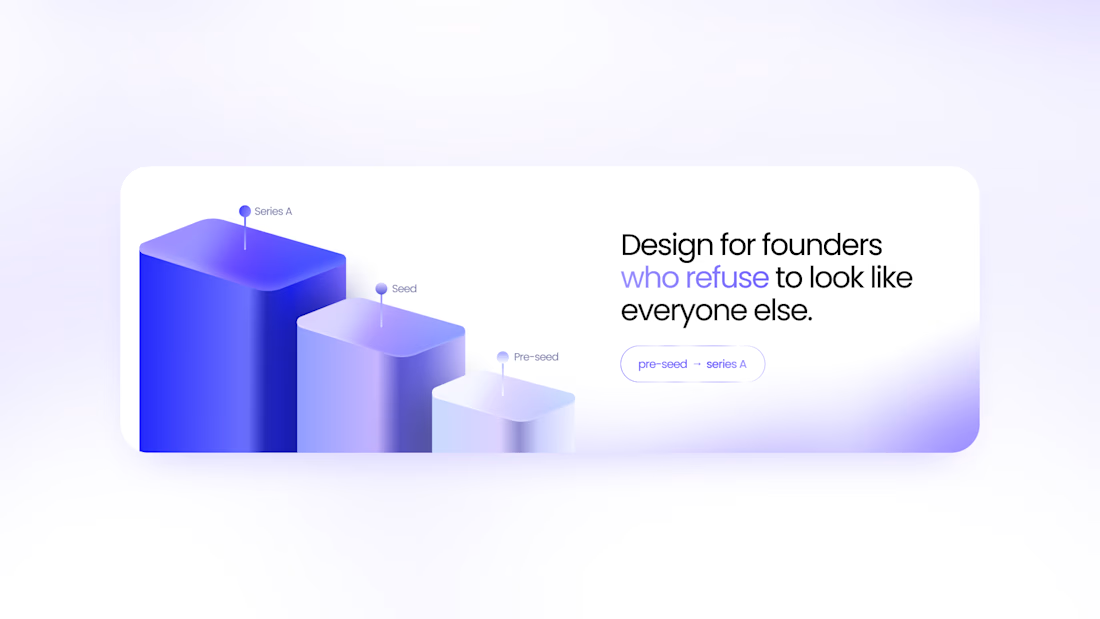
New X banner live as a first look into our rebrand 🔥
the full studio rollout is gonna be insane.
thoughts on the look? 👀

Like the execution

Designed a modern AI Automation Agency Landing Page.
A sleek dark interface with a glowing blue glass cube and bold, clean typography for a futuristic first impression.
Glossy 3D visuals, clear service cards, founder testimonials, and simple pricing plans make AI automation feel easy to understand. Balance


Love the clean hierarchy and glowing accents! 🔥