The network for creativity
Join 1.25M professional creatives like you
Connect with clients, get discovered, and run your business 100% commission-free
Creatives on Contra have earned over $150M and we are just getting started
Back to feedPost

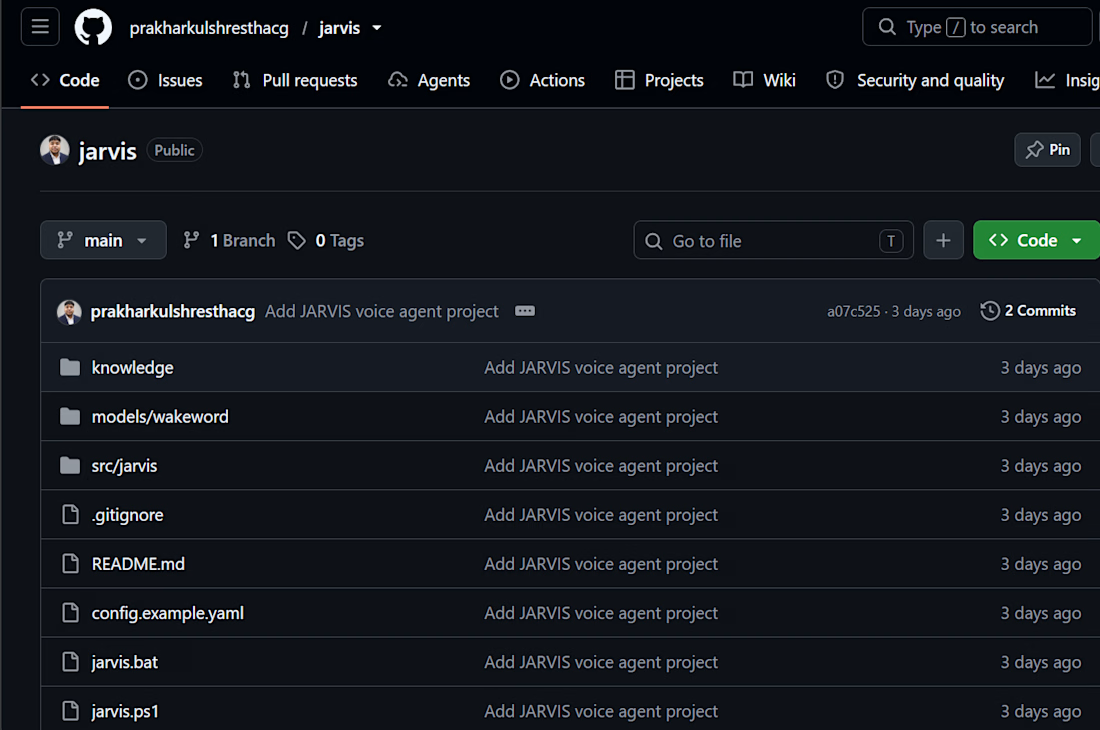
an accurate api used INTELLIGENCE system i build for my pc


The network for creativity
Join 1.25M professional creatives like you
Connect with clients, get discovered, and run your business 100% commission-free
Creatives on Contra have earned over $150M and we are just getting started








Related posts

CRAG — Self-Correcting Research Assistant
Overview
A research-assistant project exploring how AI applications can retrieve information and improve the quality of their responses through a self-correction workflow.
Project focus
Python-based AI application development.
Retrieval and research workflow design.
Improving answer reliability through evaluation and correction.
Technologies: Python, AI, retrieval-augmented generation.

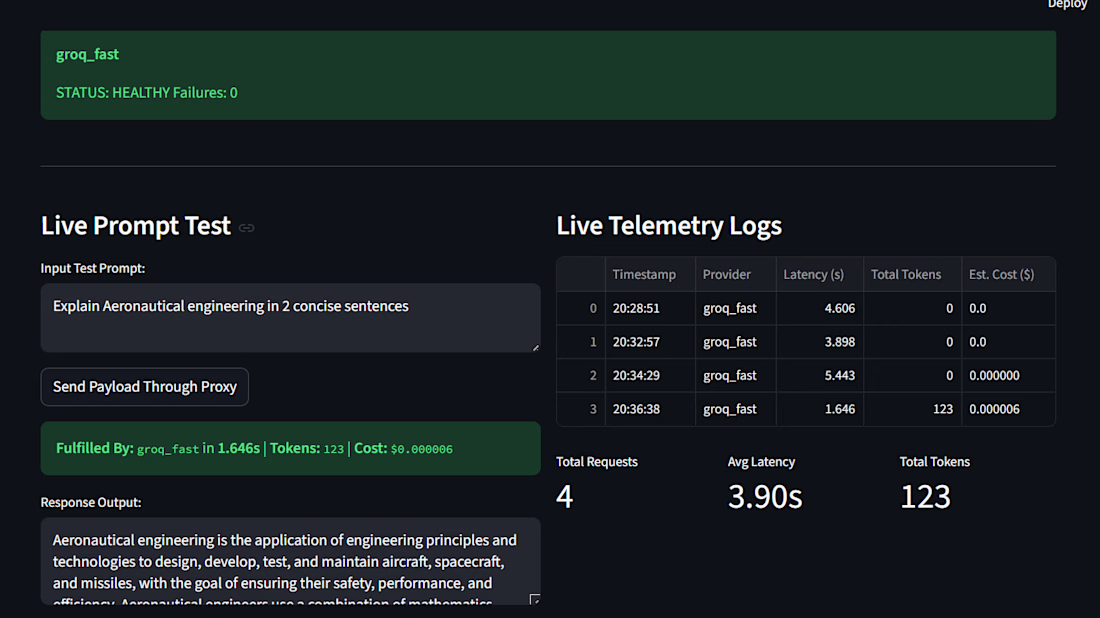

Self-correcting retrieval is the upgrade RAG has needed, Daniel. Most systems stop at the first retrieval and hope for the best, so building evaluation and correction into the workflow is a real reliability win. The live telemetry dashboard makes it feel production-ready.

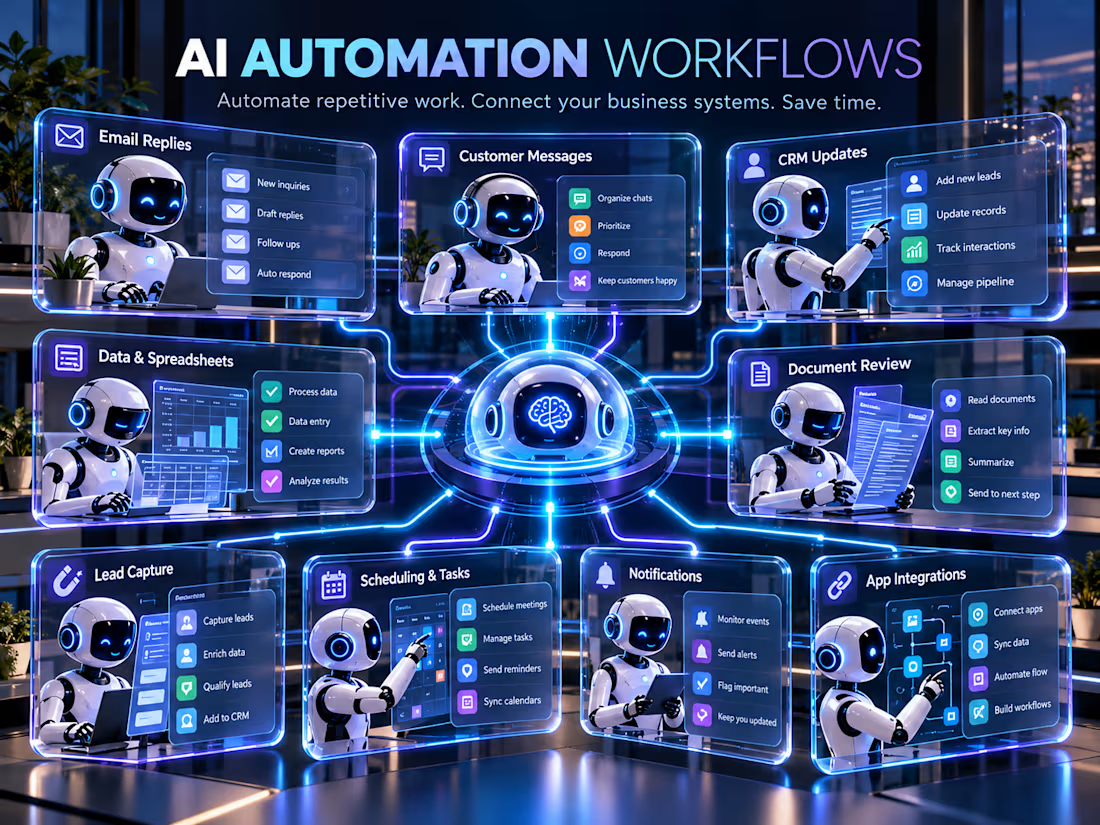
𝗬𝗼𝘂𝗿 𝗕𝘂𝘀𝗶𝗻𝗲𝘀𝘀 𝗗𝗼𝗲𝘀𝗻'𝘁 𝗡𝗲𝗲𝗱 𝗠𝗼𝗿𝗲 𝗠𝗮𝗻𝘂𝗮𝗹 𝗪𝗼𝗿𝗸. 𝗜𝘁 𝗡𝗲𝗲𝗱𝘀 𝗦𝗺𝗮𝗿𝘁𝗲𝗿 𝗦𝘆𝘀𝘁𝗲𝗺𝘀.
Think about how much time you spend every week doing the same things.
Replying to customer emails.
Following up with potential clients.
Updating spreadsheets.
Managing leads.
Moving information between applications.
Sending reminders and notifications.
Now ask yourself:
𝗛𝗼𝘄 𝗺𝘂𝗰𝗵 𝗼𝗳 𝘁𝗵𝗶𝘀 𝗮𝗰𝘁𝘂𝗮𝗹𝗹𝘆 𝗻𝗲𝗲𝗱𝘀 𝘁𝗼 𝗯𝗲 𝗱𝗼𝗻𝗲 𝗺𝗮𝗻𝘂𝗮𝗹𝗹𝘆?
Many repetitive business tasks can be automated, yet businesses continue spending valuable hours doing them manually.
𝗧𝗵𝗲 𝘁𝗼𝗽 1% 𝗺𝗶𝗻𝗱𝘀𝗲𝘁 𝗶𝘀𝗻'𝘁 𝗮𝗯𝗼𝘂𝘁 𝘄𝗼𝗿𝗸𝗶𝗻𝗴 24 𝗵𝗼𝘂𝗿𝘀 𝗮 𝗱𝗮𝘆. 𝗜𝘁'𝘀 𝗮𝗯𝗼𝘂𝘁 𝗯𝘂𝗶𝗹𝗱𝗶𝗻𝗴 𝘀𝘆𝘀𝘁𝗲𝗺𝘀 𝘁𝗵𝗮𝘁 𝗺𝗮𝗸𝗲 𝘆𝗼𝘂𝗿 𝗯𝘂𝘀𝗶𝗻𝗲𝘀𝘀 𝗺𝗼𝗿𝗲 𝗲𝗳𝗳𝗶𝗰𝗶𝗲𝗻𝘁.
Imagine a workflow where:
• A customer submits an inquiry, and their details are automatically recorded.
• Incoming emails are categorized, and relevant replies are drafted for review.
• New leads are added to your CRM without manual data entry.
• Important tasks trigger notifications and reminders automatically.
• Your business applications exchange information without constant copying and pasting.
• AI helps process documents, organize information, and handle repetitive administrative work.
𝗗𝗶𝗳𝗳𝗲𝗿𝗲𝗻𝘁 𝘁𝗮𝘀𝗸𝘀. 𝗗𝗶𝗳𝗳𝗲𝗿𝗲𝗻𝘁 𝗮𝗽𝗽𝗹𝗶𝗰𝗮𝘁𝗶𝗼𝗻𝘀. 𝗢𝗻𝗲 𝗰𝗼𝗻𝗻𝗲𝗰𝘁𝗲𝗱 𝗮𝘂𝘁𝗼𝗺𝗮𝘁𝗶𝗼𝗻 𝘀𝘆𝘀𝘁𝗲𝗺.
That's what I help businesses build.
I've launched my new service on Contra:
𝗖𝘂𝘀𝘁𝗼𝗺 𝗔𝗜 𝗔𝘂𝘁𝗼𝗺𝗮𝘁𝗶𝗼𝗻 𝗪𝗼𝗿𝗸𝗳𝗹𝗼𝘄𝘀 𝗳𝗼𝗿 𝗬𝗼𝘂𝗿 𝗕𝘂𝘀𝗶𝗻𝗲𝘀𝘀
I build workflows using n8n, Python, and APIs to connect business applications, reduce repetitive work, and simplify daily operations.
My approach is simple:
• Understand your existing business process.
• Identify the repetitive tasks taking up your time.
• Build an automation workflow around your actual needs.
• Test the workflow and make sure it performs as intended.
𝗔𝘂𝘁𝗼𝗺𝗮𝘁𝗶𝗼𝗻 𝘀𝗵𝗼𝘂𝗹𝗱𝗻'𝘁 𝗺𝗮𝗸𝗲 𝘆𝗼𝘂𝗿 𝗯𝘂𝘀𝗶𝗻𝗲𝘀𝘀 𝗺𝗼𝗿𝗲 𝗰𝗼𝗺𝗽𝗹𝗶𝗰𝗮𝘁𝗲𝗱. 𝗜𝘁 𝘀𝗵𝗼𝘂𝗹𝗱 𝗺𝗮𝗸𝗲 𝗿𝘂𝗻𝗻𝗶𝗻𝗴 𝗶𝘁 𝗲𝗮𝘀𝗶𝗲𝗿.
You don't have to automate everything overnight. Sometimes, solving just one repetitive problem is the best place to start.
Your time should go toward growing your business, not repeating tasks that a system could handle.
Explore my service:
Business owners and founders: What's one repetitive task you wish you could automate today?
#AIAutomation #BusinessAutomation #WorkflowAutomation



Well said! 🙌 Automating even one repetitive task can save valuable time and help businesses focus on growth.

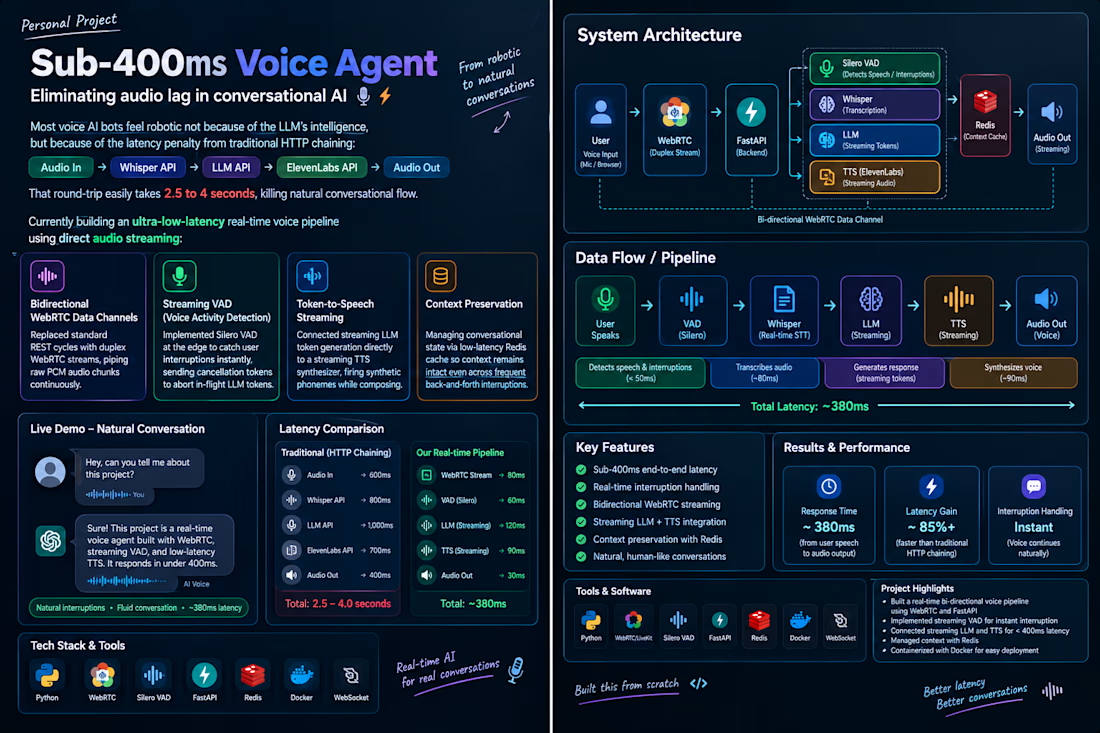
Sub-400ms voice agent: Eliminating audio lag in conversational AI 🎙️⚡
Most voice AI bots feel robotic not because of the LLM's intelligence, but because of the latency penalty from traditional HTTP chaining: Audio In ➔ Whisper API ➔ LLM API ➔ ElevenLabs API ➔ Audio Out. That round-trip easily takes 2.5 to 4 seconds, killing natural conversational flow.
Currently building an ultra-low-latency real-time voice pipeline using direct audio streaming:
Bidirectional WebRTC Data Channels: Replaced standard REST request-response cycles with duplex WebRTC streams, piping raw PCM audio chunks continuously.
Streaming VAD (Voice Activity Detection): Implemented Silero VAD at the edge to catch user interruptions instantly, immediately sending cancellation tokens to abort in-flight LLM token generation.
Token-to-Speech Streaming: Connected streaming LLM token generation directly to a streaming TTS synthesizer, firing synthetic phonemes while the sentence is still being composed.
Context Preservation: Managing conversational state via low-latency Redis cache so context remains intact even across frequent back-and-forth interruptions.
Achieving natural, fluid interruptions and dropping perceived latency down to human conversational speeds (~380ms).
Architecture flow and latency breakdown below! 👇
#VoiceAI #WebRTC #Python #FastAPI #AudioEngineering #GenerativeAI #BuildInPublic