The network for creativity
Join 1.25M professional creatives like you
Connect with clients, get discovered, and run your business 100% commission-free
Creatives on Contra have earned over $150M and we are just getting started
Back to feedPost

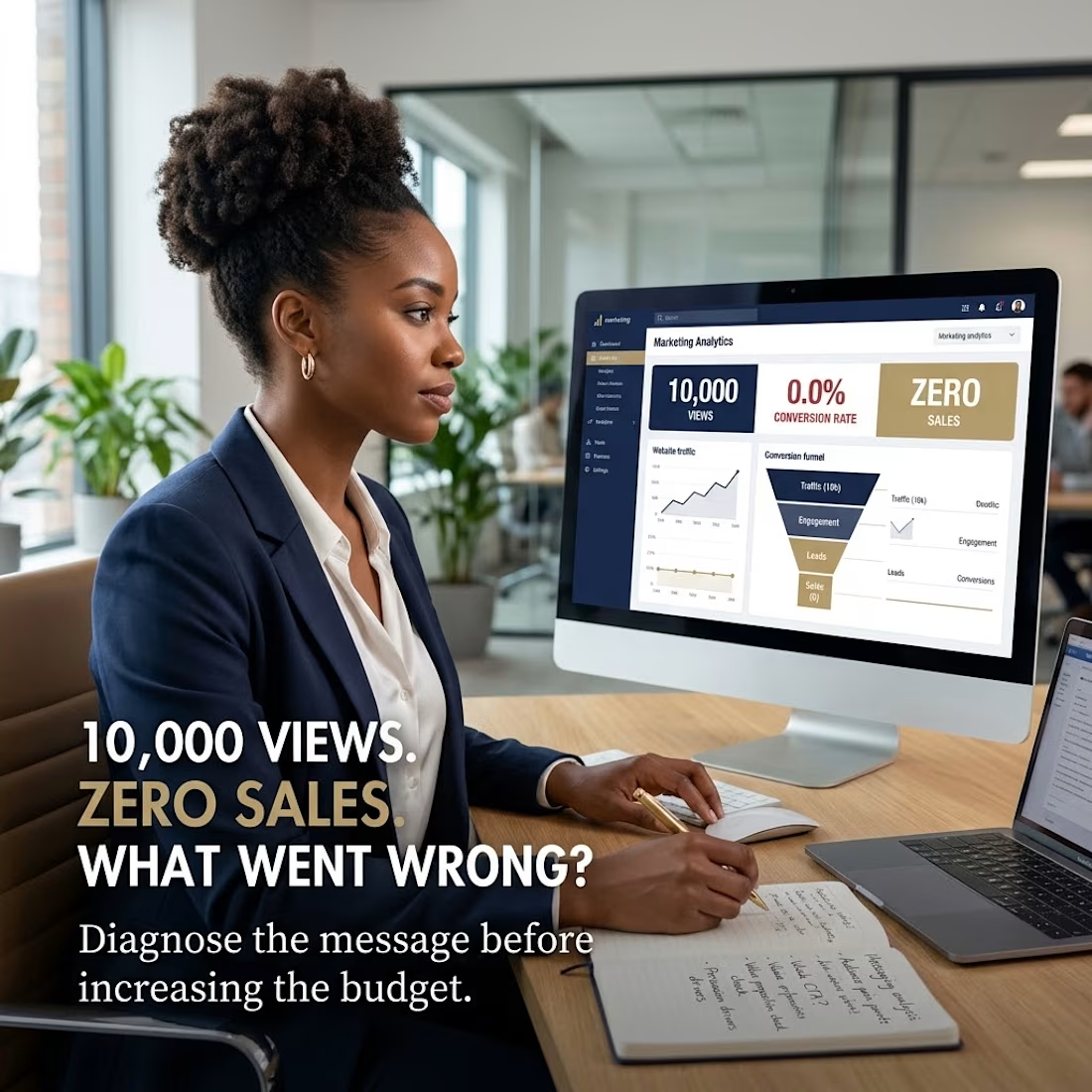
YOUR CUSTOMERS AREN’T BUYING. HERE’S WHY.
Imagine spending ₦500,000 promoting a product, getting thousands of views, and still struggling to make sales.
What went wrong?
Was it the product?
The price?
The audience?
Or the message?
Here’s something many businesses overlook:
Attention gets people to notice you. Persuasion gives them a reason to take action.
As a copywriter, I don’t just see a product and start writing catchy headlines.
I ask deeper questions:
🔍 1. Who is the target audience?
You cannot persuade everyone with the same message. You must understand who you’re speaking to, what they want, and what problems they’re trying to solve.
🧠 2. What is stopping them from buying?
Perhaps they don’t trust the brand. Maybe they don’t understand the value. Or perhaps the offer doesn’t feel worth the price.
Great copy doesn’t ignore these objections. It addresses them.
💡 3. Are we selling features or communicating value?
Customers may not care that your product has 15 features. They want to know how those features make their lives easier, solve a problem, or help them achieve a desired outcome.
🤝 4. Why should they trust you?
Persuasive copy needs more than bold promises. Depending on the product, testimonials, demonstrations, credible evidence, and clear guarantees can help reduce uncertainty.
🎯 5. Is the next step clear?
A compelling message can still lose potential customers if they don’t know what to do next.
Every part of your copy should work together to guide the reader toward a clear, relevant action.
Here’s the challenge I want to leave you with:
If your business received 10,000 views tomorrow but generated zero sales, would you immediately increase your advertising budget, or would you investigate your messaging first?
I would start by examining the customer journey, the quality of the traffic, the offer, and the copy before deciding what to change.
Because sometimes, the problem isn’t that people aren’t seeing your business.
It’s that something is stopping them from taking the next step.
As I continue growing my skills in copywriting, I’m learning to look beyond words and think about the strategy behind them.
Good copywriting isn’t just about making a product sound attractive. It’s about understanding the customer well enough to communicate genuine value.
I’d love to hear your perspective.
👇 Business owners and marketers: What’s the biggest challenge you face when trying to convert interested prospects into paying customers?
Let’s discuss it in the comments.
#Copywriting #ConversionRateOptimization #DigitalMarketing #MarketingStrategy #CustomerPsychology
The network for creativity
Join 1.25M professional creatives like you
Connect with clients, get discovered, and run your business 100% commission-free
Creatives on Contra have earned over $150M and we are just getting started






Related posts

Don't Be Funny in Your Copy
While in his Scientific Advertising Hopkins demands us never to be funny in our advertising efforts, many copywriters have embraced humor as a way to stand out, attract more attention, and make more sales.
Although being funny is not always a bad strategy in your copy, I'm here to tell you that you should never be funny.
And I'm not saying this because I'm a grumpy guy, but for two important reasons why it is better long-term to be sober, focused, and factual in your copywriting efforts.
You Don't Know Each and Every Prospect of Your Copy
That means that you don't know how each and every individual will react to your humor.
Humor is something personal & subjective. While some--if not most of them--of your readers will enjoy a laugh and maybe even be persuaded to make a purchase by your humor, others will get offended.
Not only will they not understand your humor, but they will also close the page, get offended, and even tell others not to buy from you.
Don't take the risk, even if these prospects are in the minority.
Slippery Slopes in Advertising
The second reason for you to stay away from humor has to do with the long-term tendency of becoming a copywriting clown. What do I mean by that?
You may end up in a slippery slope of jokes & humor. You may end up focusing on being funny & witty so much that you forget that you as a copywriter must inform & persuade potential clients.
You end up writing stuff to sound funny for the sake of being funny. That is a recipe for disaster.
Do you use humor in your copy? In that case, you should be careful when, why, and how you go about being funny.

I'd split it by channel. In ad copy for cold readers, I agree: a joke that misses costs you the sale. In email to people who already bought from a brand, a light line in the subject or P.S. often fits the voice they signed up for. Where would you draw the line: cold traffic only, or everywhere?

I help B2B SaaS brands fix trust leaks.
You have traffic. You have a good product. But people visit, read, and leave without booking a call.
That's not a lead problem. That's a trust problem.
I fix it in your:
Homepage
Pricing page
Landing pages
Onboarding emails
So the story matches everywhere, and buyers feel safe to say yes.
If your copy sounds good but isn't converting, let's find the leak.
Available for new projects.
#B2BSaaS #SaaS #Copywriting #B2BCopywriter #Trust #ConversionCopywriting #FreelanceCopywriter #Contra