The network for creativity
Join 1.25M professional creatives like you
Connect with clients, get discovered, and run your business 100% commission-free
Creatives on Contra have earned over $150M and we are just getting started
Back to feedPost

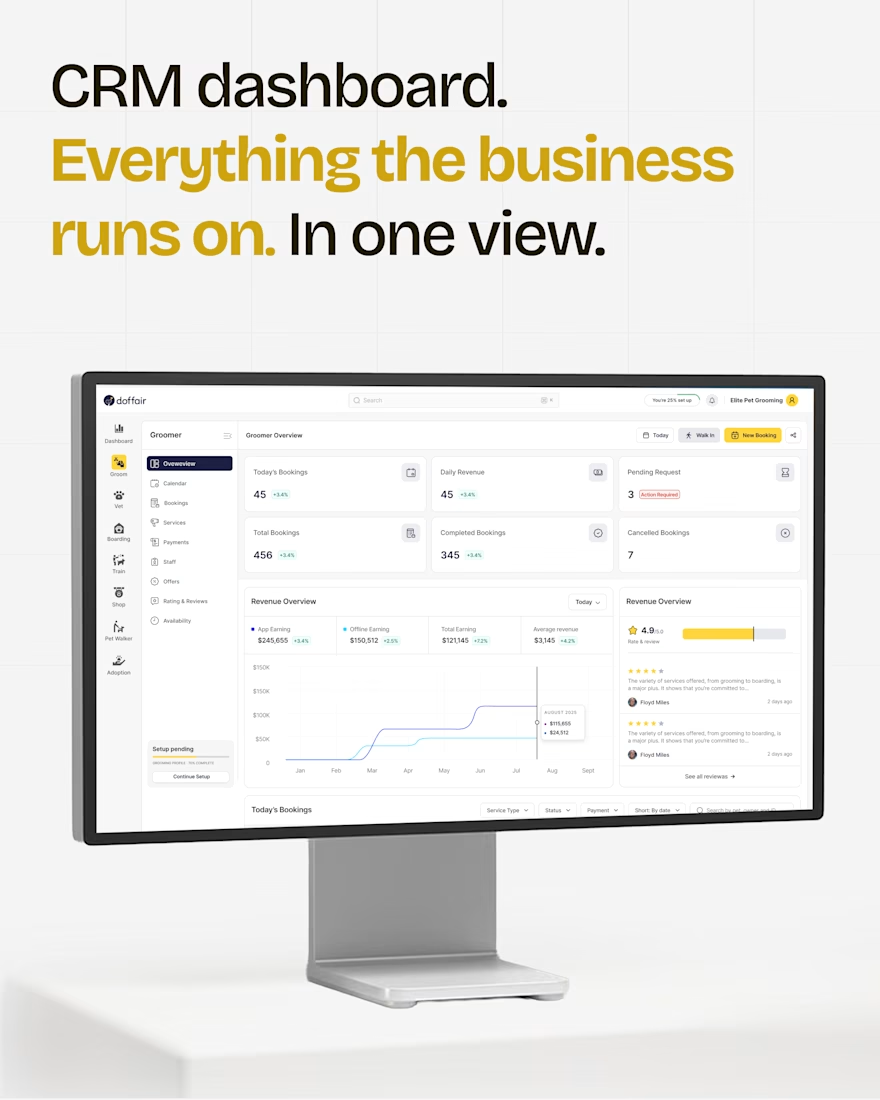
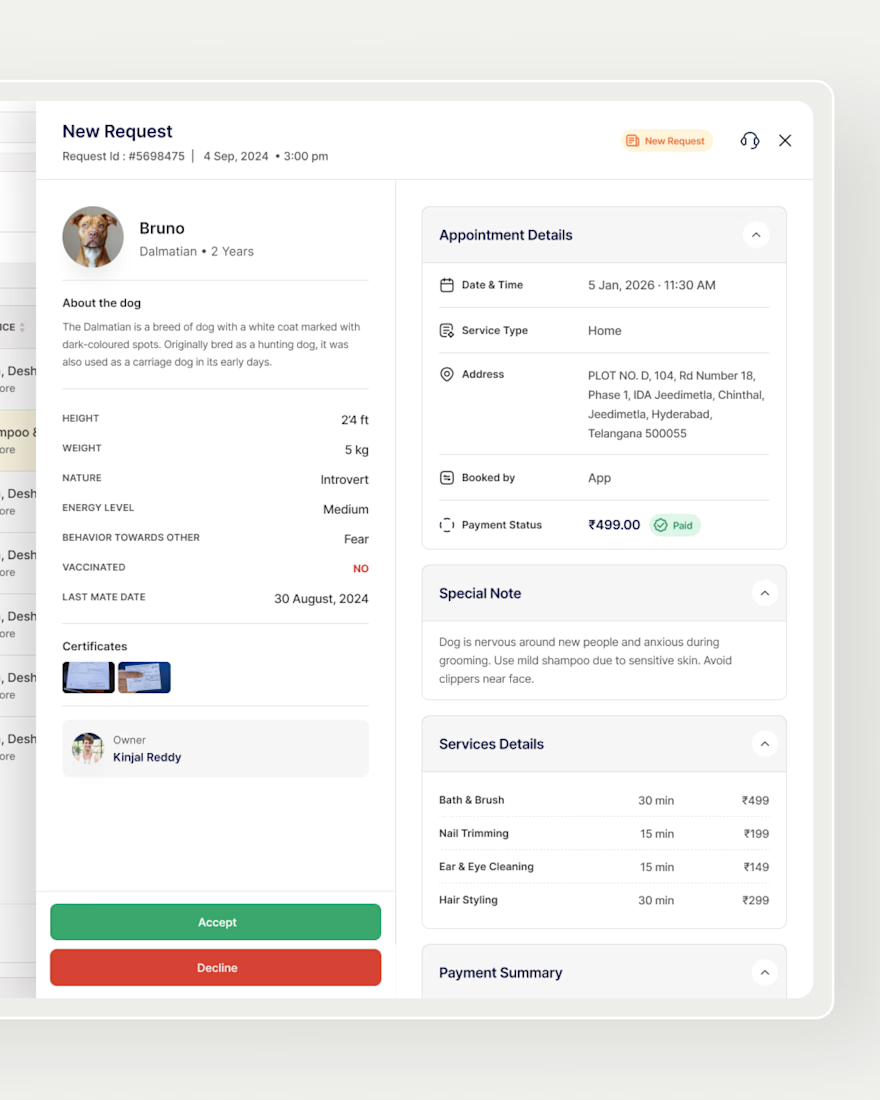
A vet, a groomer, a pet store, a dog walker. Four
different businesses, all starting the morning with the
same three questions. What's booked, what's owed, who's
working.
Most CRMs are built for one industry. This one handles
seven: grooming, vet, boarding, training, walking, shop
and adoption.
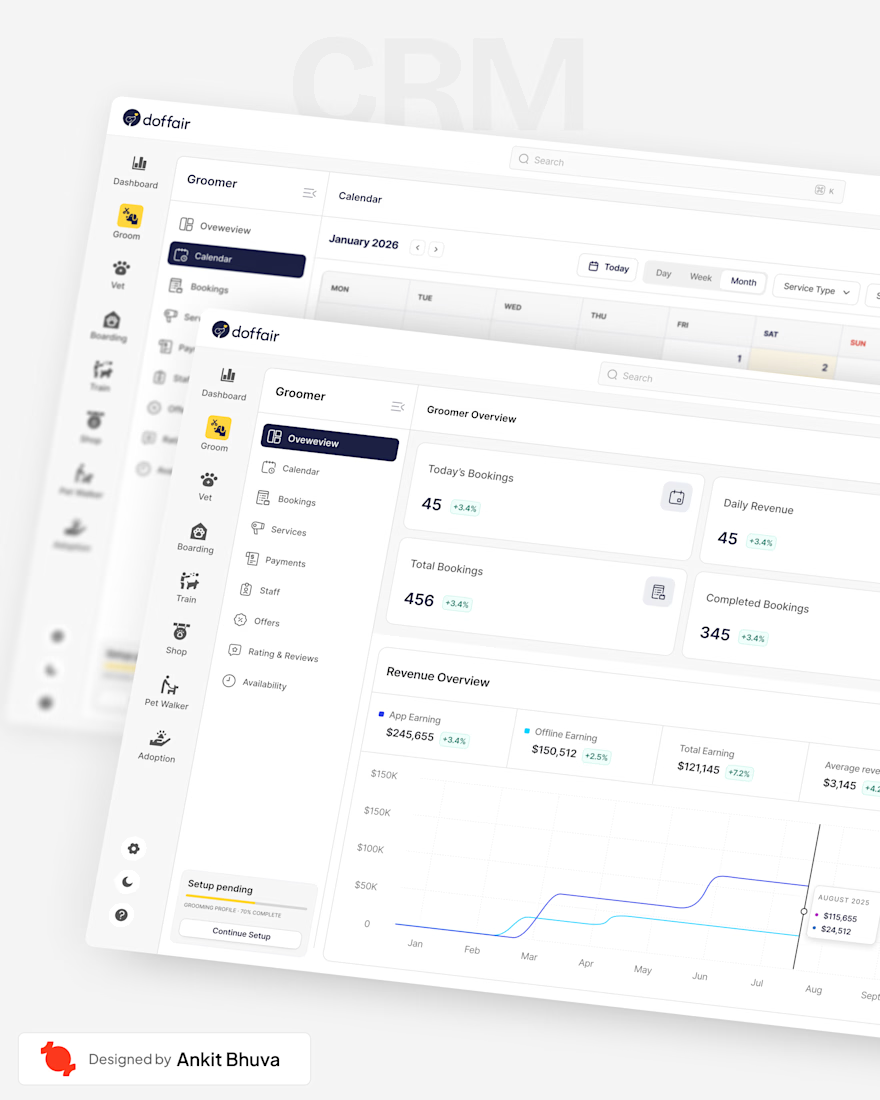
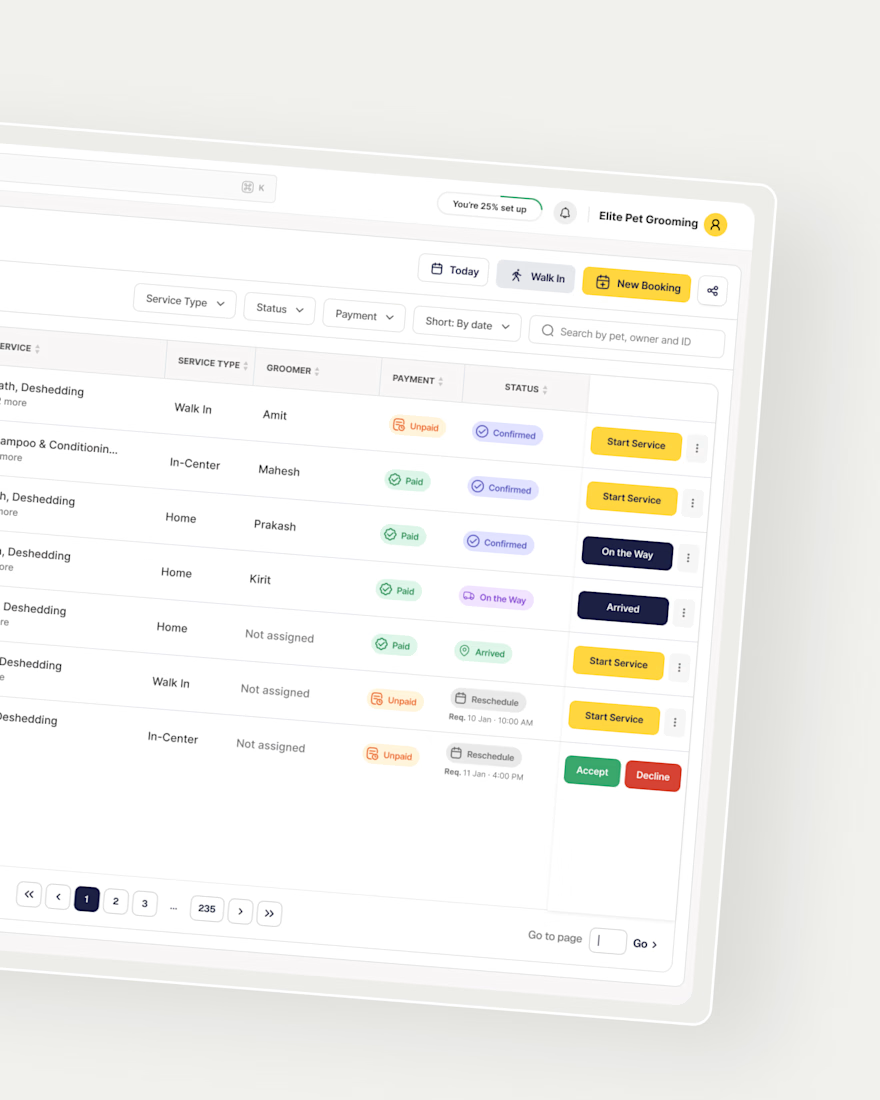
Not seven versions of the same product. One system, the
same morning view for everyone, with the details
changing depending on the business running it.
CRM dashboard design for a pet services platform.
Designed and developed by us, currently in development.
Open to new CRM, dashboard and web app work.
The network for creativity
Join 1.25M professional creatives like you
Connect with clients, get discovered, and run your business 100% commission-free
Creatives on Contra have earned over $150M and we are just getting started






Related posts

Dashboard design for AllWays Holiday.
Clarity is what makes a good dashboard.
Every section, metric and action should help users understand what's happening and what needs their attention.
Designed to make managing travel operations easier.

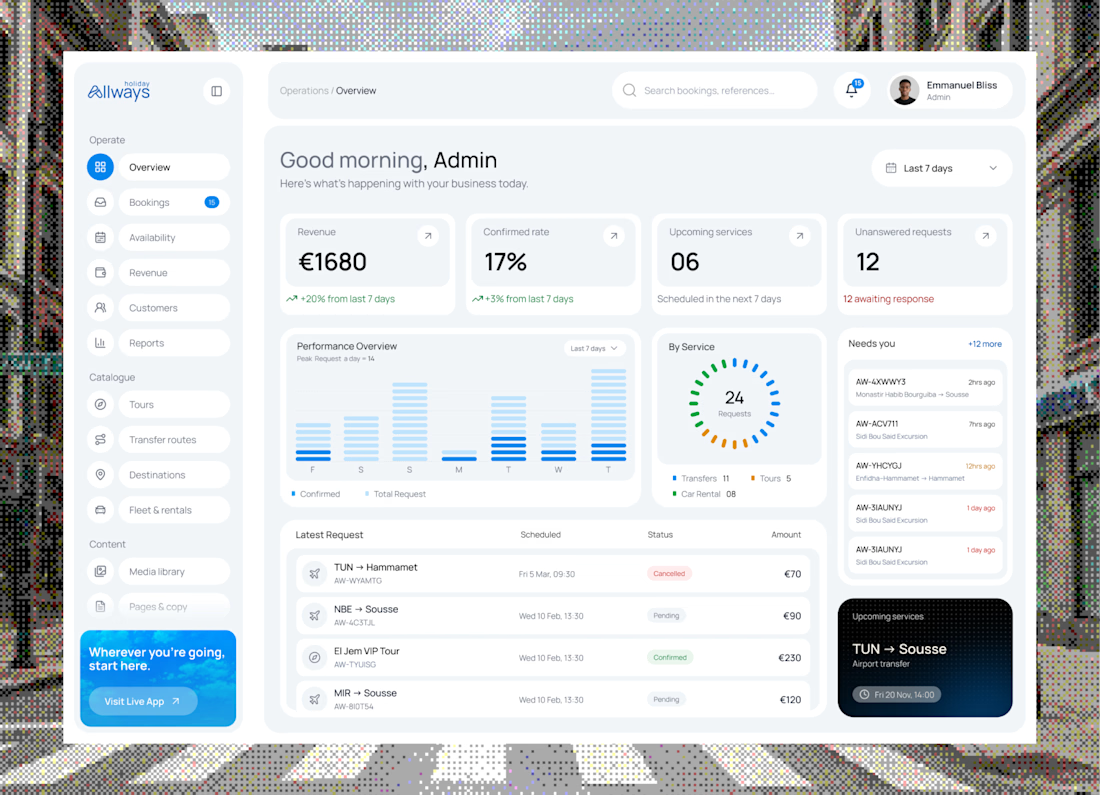

"What needs their attention" is the part most dashboards miss. Clean KPI cards up top, then the list below makes it easy to act. Did you consider pulling urgent bookings or issues into their own highlighted block, so ops teams see problems before they scroll?


ProBuilder: a website template for construction companies.
One word of the headline is set in orange italic to carry the brand.
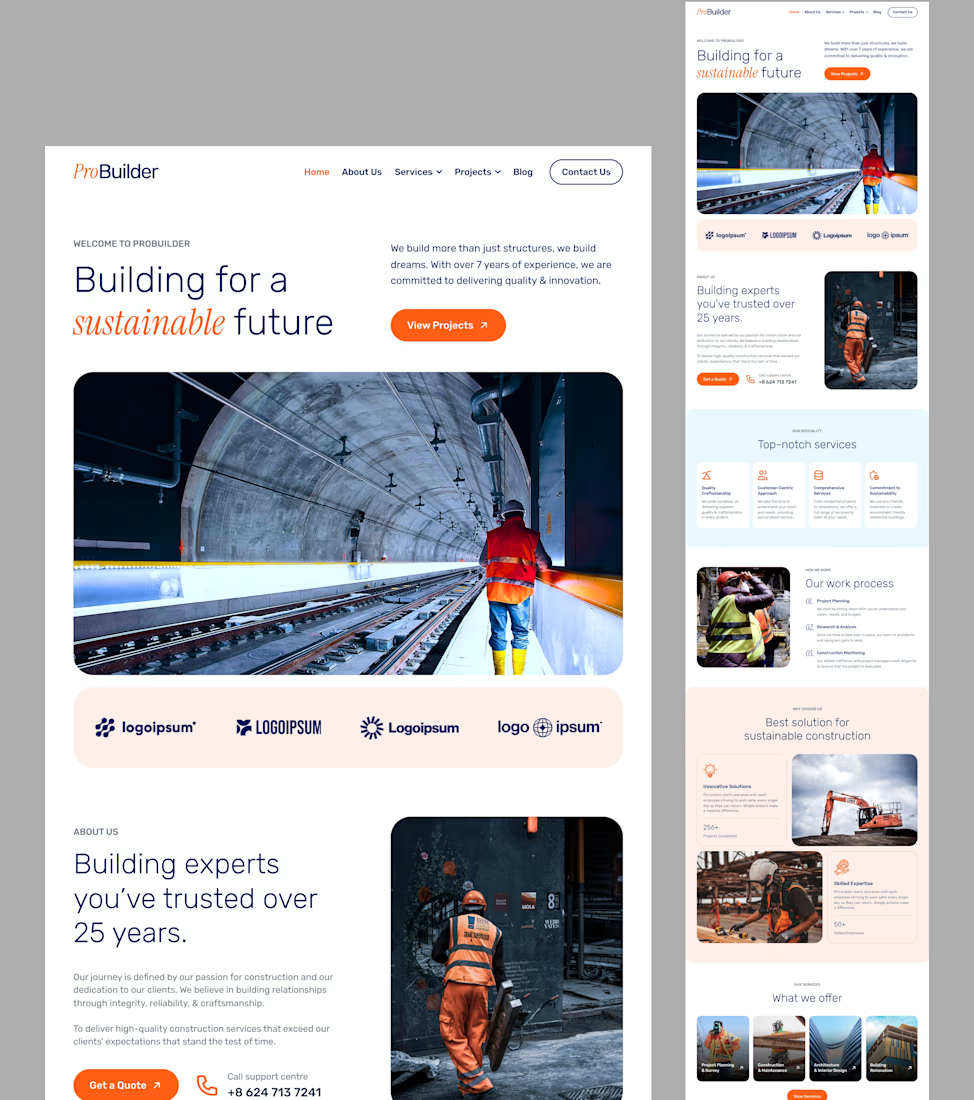

Lovely hero for a construction site.

The challenge:
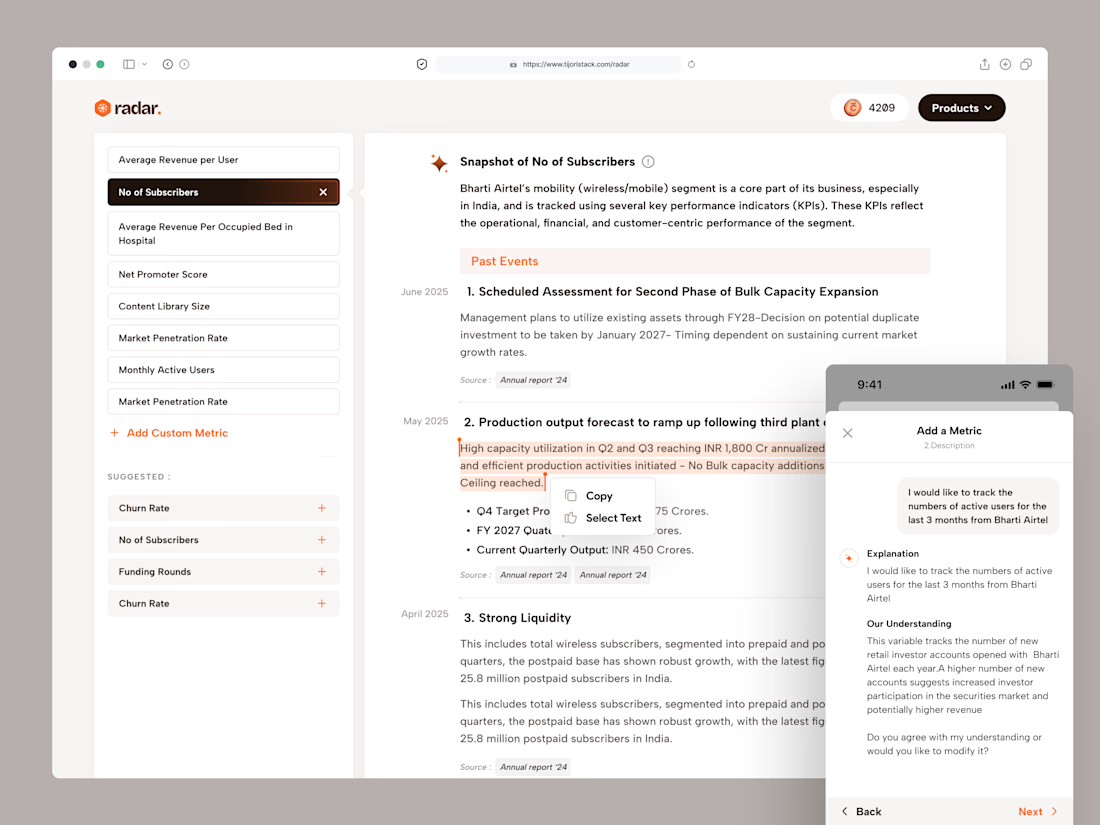
The KPIs that move a stock — subscribers, ARPU, capacity utilisation — are buried in annual reports and earnings calls. Screeners only show generic ratios. Tijoristack wanted investors to ask for any metric and get it back with dates and sources.
What I did:
As lead product designer, I ran research with investors, analysts and the founders, mapped the "add a metric" and "read a snapshot" journeys, and designed the web and mobile experience. I then worked with Tijoristack's developers through the build.
Key decisions:
• The AI restates its understanding of a new metric before tracking it, so one misread doesn't spoil every snapshot after it.
• Snapshots read as a dated timeline of events, not a lone number.
• A source chip on every claim, because investors won't act on what they can't trace.
Result
Shipped and live at tijoristack.ai/radar.
Building an AI or fintech product? I design complex workflows people actually get. Book a 30-min call
Check it out
The AI restating its understanding before tracking a metric is such a smart trust move. I design a GenAI analytics assistant and we hit the same problem: one silent misread and users stop trusting every answer after it. Did investors ever edit that restatement, or mostly just confirm it?