The network for creativity
Join 1.25M professional creatives like you
Connect with clients, get discovered, and run your business 100% commission-free
Creatives on Contra have earned over $150M and we are just getting started
Back to feedPost

Writing Clean Architecture isn't just about logic; it's about empathy.
It's about writing code for the future you and the next dev to run and maintain without the cognitive load.
When you decouple the service layer from the framework, you aren't just following a pattern. You’re ensuring that the system remains a "ledger of facts" that anyone can audit, understand, and scale. 🏗️
The network for creativity
Join 1.25M professional creatives like you
Connect with clients, get discovered, and run your business 100% commission-free
Creatives on Contra have earned over $150M and we are just getting started



Related posts

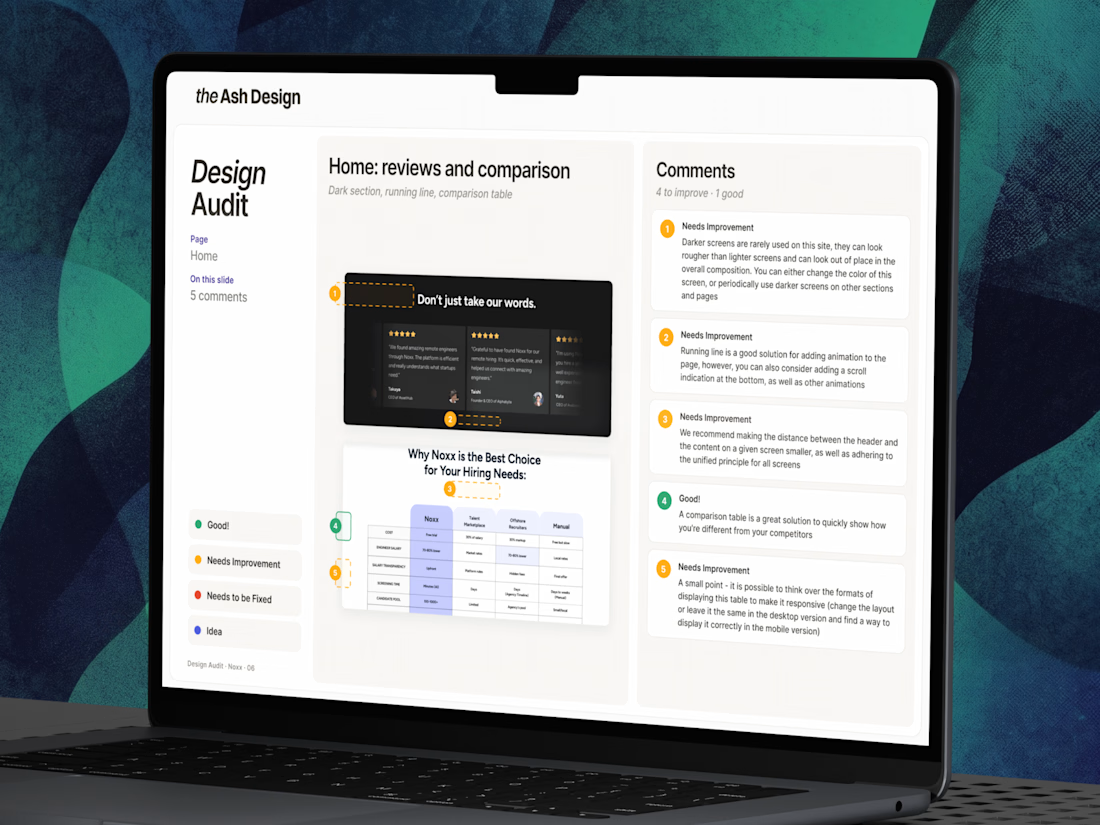
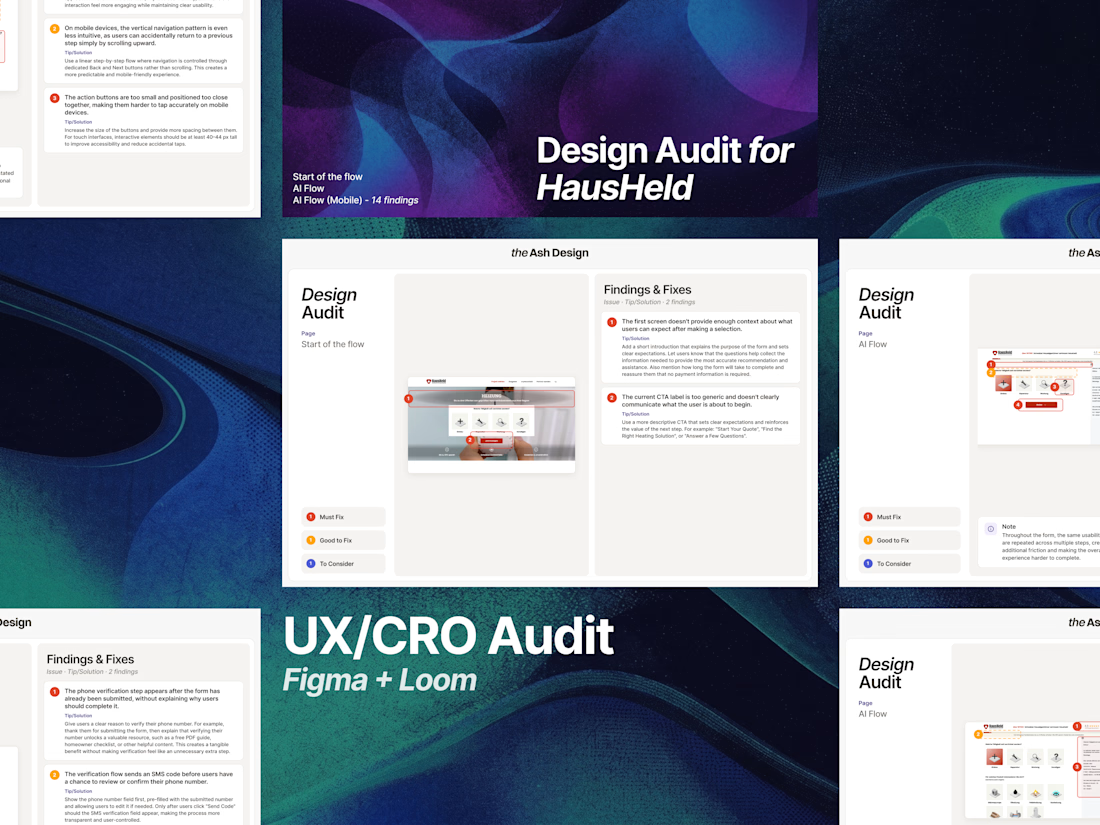
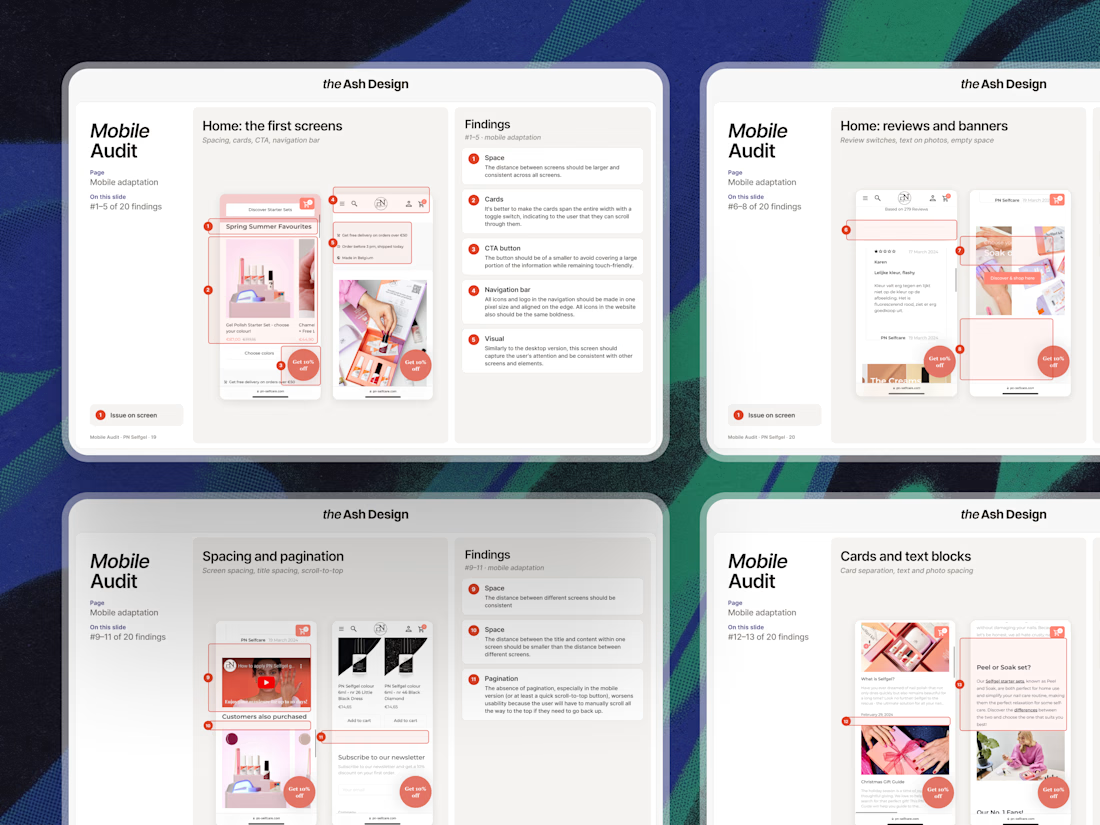
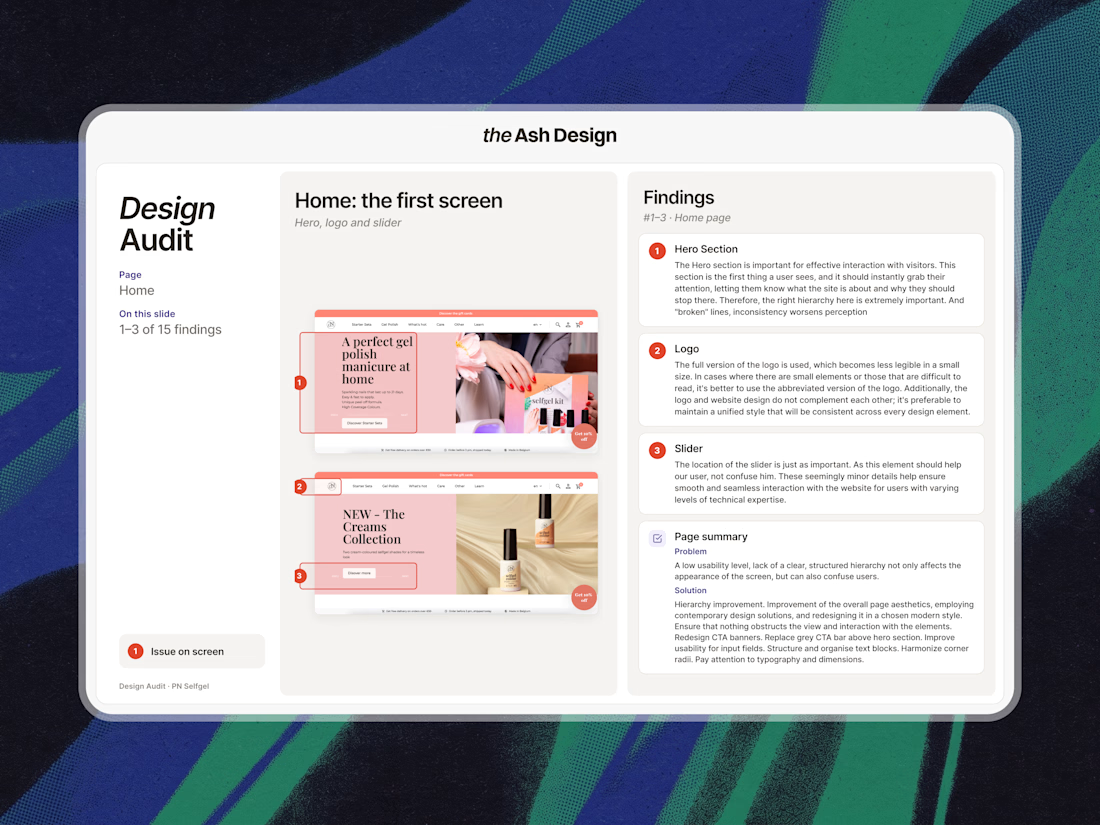
Not every redesign needs to start with a redesign.
Quite often, clients come to me with an existing product, MVP, or website and pretty much the same concern:
“We know something isn’t working, but we’re not exactly sure what”
And in cases like this, I almost always suggest starting with an audit.
It doesn’t have to be a huge 30-page document. It really depends on what the product needs. Sometimes it’s a full product or website audit. Sometimes it’s a quick landing page review, a deep dive into a specific flow, or simply looking at where users are dropping off and why.
What I like about starting with an audit is that it quickly turns “we need to improve something” into a clear list of actual problems, hypotheses, and next steps.
From there, everything gets easier. We know what’s actually worth changing, what the scope looks like, and what should come first. And if there’s a lot to improve, we can prioritize it and break the work into manageable iterations.
It also means much less back and forth once we get into design, because we’re not trying to figure out the core problems along the way.
So if you already have a working product or website but aren’t quite sure where to start improving it, you might not need a redesign just yet.
You might need a good audit first.
And if you need a fresh pair of eyes on your product, website, or a specific flow - feel free to DM me!


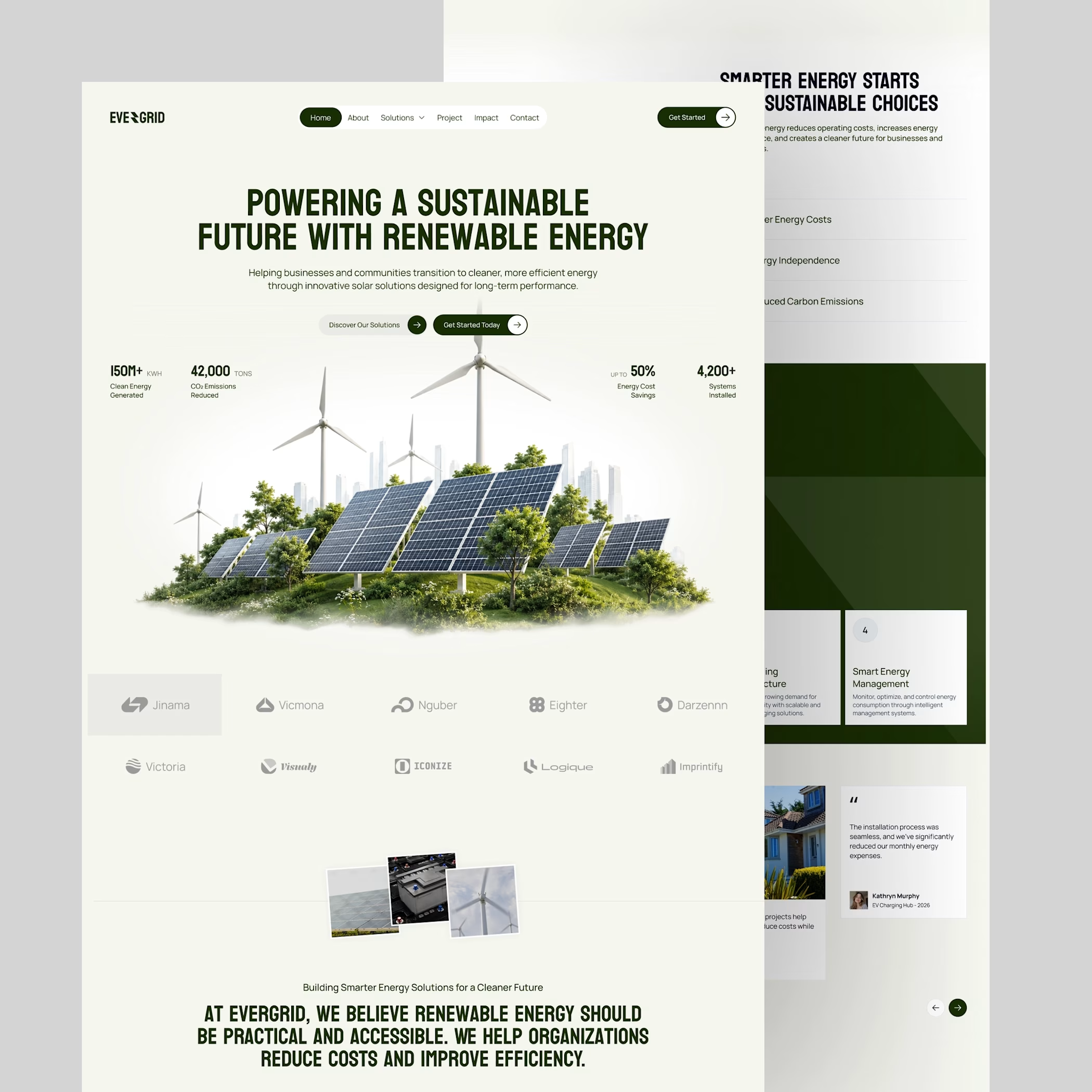
A closer look at the choices behind a cleaner future: lower energy costs, greater energy independence, and fewer emissions. Keeping the story simple while making the impact easy to understand.

🤔 Why choose between building visually and coding with AI when you can use BOTH? 😂
There are two interesting ways to build apps with AI:
🎨 Lovable: Prompt your idea, watch the app come to life, and refine it visually.
💻 AI coding tools: Describe the changes you need and let AI work directly with your code.
Here's where things get interesting: You can start with Lovable, sync your project with GitHub, and continue development using tools like Cursor or Claude Code. 🚀
One helps you bring the idea to life visually. The other gives you more flexibility to work directly with the code.
💬 Developers, do you prefer seeing your app come together visually, or letting AI work directly in your codebase? Or do you combine both? 👇



lovable.dev
Blog - Lovable
Insights, updates, and stories from the Lovable team


how stable is the code after?