
Chris Greg
API system builder, from blueprint to built.


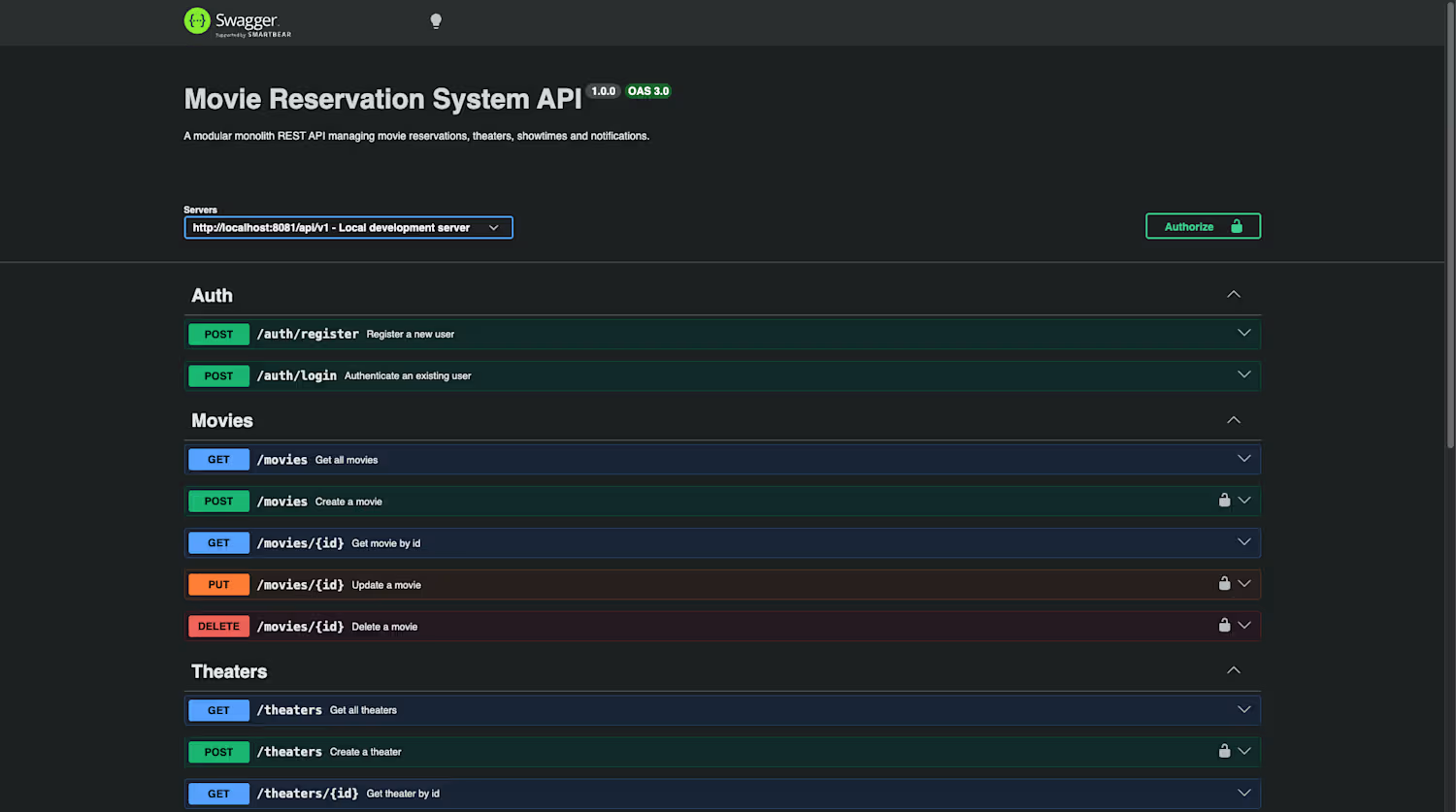
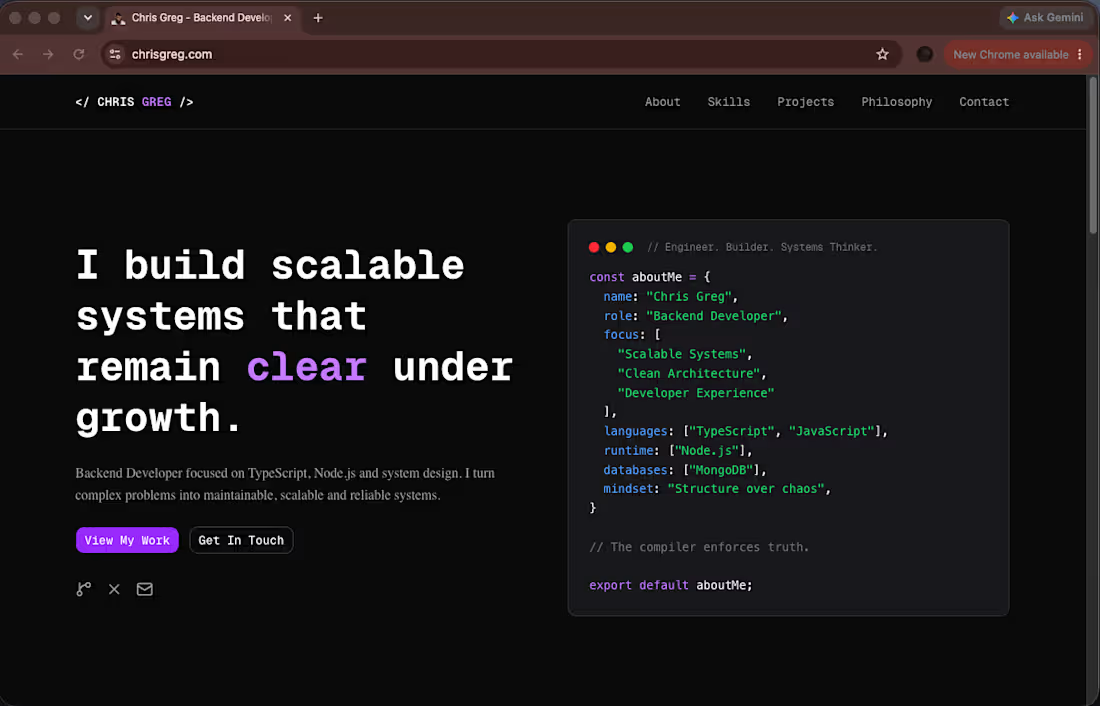
I usually build backend systems, but I wanted my site to reflect the same clarity and structure.
5
343
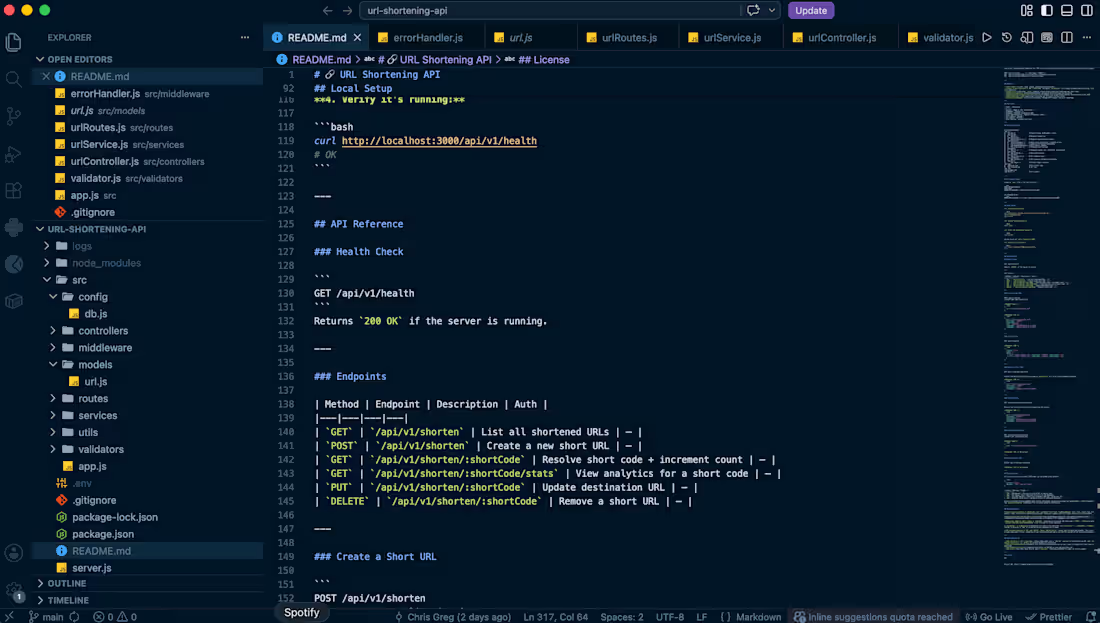
The URL Shortening API exemplifies the move toward Clean Architecture by separating business logic into a dedicated services directory.
Technical Breakdown
Structured Routing: The API is versioned (/api/v1) and utilizes a clean directory structure with separate folders for config, controllers, middleware, models, routes, and services.
Service Layer Pattern: Business logic is decoupled from the controller (e.g., urlService.js), allowing for more testable and maintainable code.
Comprehensive Documentation: The project includes a detailed README.md featuring a full API Reference, health check endpoints, and a structured table for CRUD operations (GET, POST, PUT, DELETE).
Data Integrity: Includes dedicated models and validators to ensure that every URL shortened meets strict data standards before entering the database.
3
561

The Journey: From Interface to Infrastructure
Every architect has a beginning. Mine started here: building visual experiences like this Shea Butter manufacturer on WordPress.
While WordPress taught me the importance of the user journey and market-specific solutions, it also sparked a deeper curiosity. I didn't just want to manage themes; I wanted to build the logic, the data, and the metal beneath it.
The Evolution:
Then: Drag-and-drop interfaces and managed CMS.
Now: Clean Architecture, Dockerized microservices, and self-hosted Node.js backends.
I still value the "purpose-driven" design of these early projects, but today, I ensure that purpose is backed by scalable infrastructure and code sovereignty.
2
427
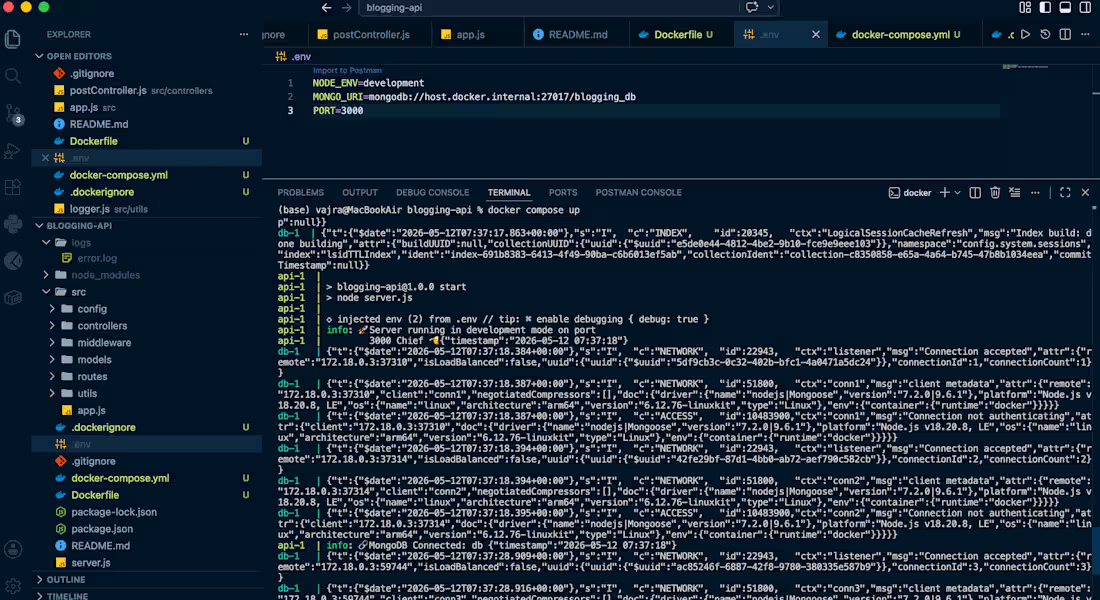
Core Implementation
The system is orchestrated using Docker and Docker Compose to ensure a consistent, reproducible environment for both the application and its database.
Backend Stack: Built using Node.js and Express.js.
Infrastructure: Features a fully containerized setup where the API and MongoDB instances are managed as isolated services.
Architecture: Follows a strict separation of concerns with a directory structure organized into controllers, middleware, models, and routes.
Functional Goals
The environment is configured for active development, utilizing Nodemon for real-time updates and Postman for API testing. This setup reflects a commitment to building scalable, "ledger-accurate" backends that can be easily transitioned from local development to self-hosted Linux VPS environments.
1
435