The network for creativity
Join 1.25M professional creatives like you
Connect with clients, get discovered, and run your business 100% commission-free
Creatives on Contra have earned over $150M and we are just getting started
Back to feedPost

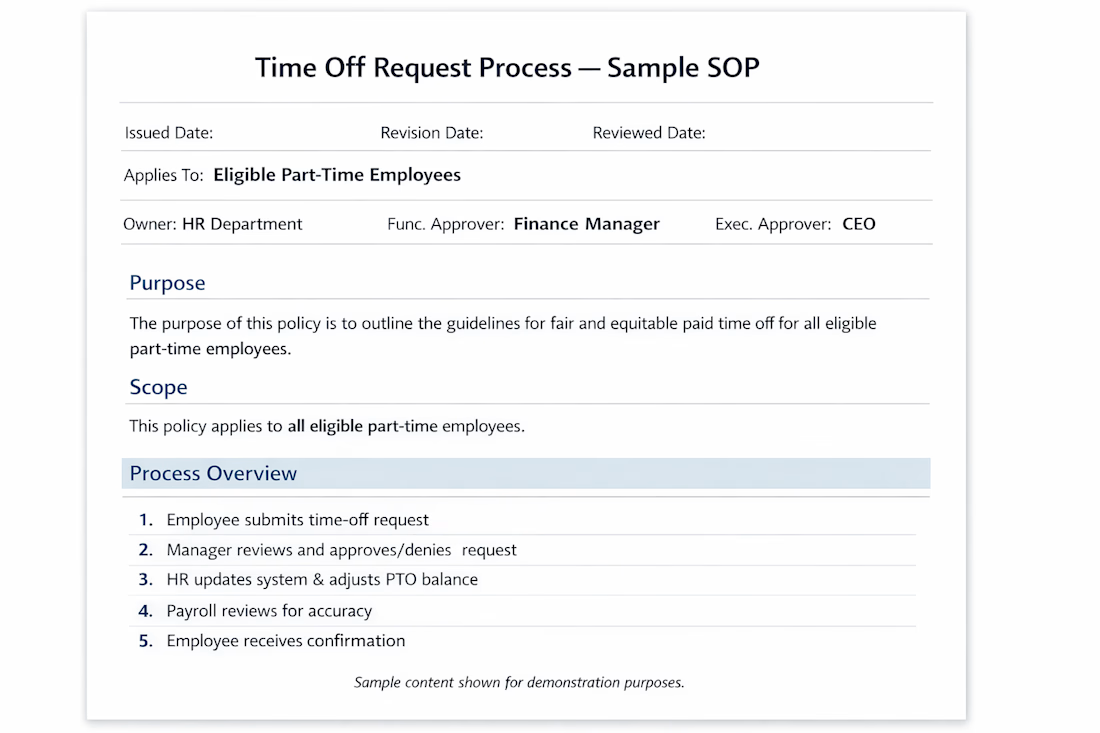
This sample SOP demonstrates how I document and structure a time-off request process to ensure consistency, clarity, and proper ownership across teams.
The process outlines eligibility, approval steps, and cross-functional handoffs between managers, HR, and payroll, helping reduce errors and confusion while supporting fair and timely time-off management.
I design SOPs like this to create repeatable, scalable people processes that are easy for managers and employees to follow.

The network for creativity
Join 1.25M professional creatives like you
Connect with clients, get discovered, and run your business 100% commission-free
Creatives on Contra have earned over $150M and we are just getting started





Related posts

Title: SmartAI Factory: AI-Powered Industrial Machine Monitoring
Factory downtime is expensive, and most teams only find out about a problem after a machine fails. For my Final Year Project, I built SmartAI Factory, a platform that lets teams see problems coming and fix them early.
It streams live temperature, vibration, and current data from industrial machines to a real-time dashboard that flags anomalies as they happen. An Autoformer-based AI model then forecasts machine behavior 15, 30, 45, and 60 minutes ahead, each with a confidence score.
What I built:
Live monitoring dashboard with anomaly-marked charts and status badges
AI forecasting across 4 time horizons
Secure device onboarding: unknown machines stay Pending until an admin approves them
Per-machine alert thresholds with in-app and email notifications
Role-based access, user management, and light/dark mode
My role: Full-stack development, UI/UX design, and AI model integration, end to end.
Result: A complete predictive-maintenance workflow, from onboarding a device to getting an alert, in one clean interface.
Open to freelance work on AI dashboards, IoT monitoring systems, and full-stack web apps. Let's talk.


ON IT — You do the work. We’re on it.
Client: Van Rooij Dakwerken, a fictional roofing business in Eindhoven, the Netherlands.
Problem: Turn incomplete roofing inquiries into suitable inspection appointments while the owner stays on the job.
A roofer’s customer rarely starts with a neatly defined service. They start with a problem:
“Water has been coming through near our dormer since last night. Can someone come and look?”
Before an appointment can be arranged, someone has to ask what is happening, collect photos, check the address, assess which type of visit is appropriate and find a suitable time. For a small roofing business, that work repeatedly interrupts the person doing the roofing.
I built ON IT in Lovable to handle that front-desk workflow.
The working demo follows a dormer leak inquiry. ON IT identifies information already provided, asks focused follow-up questions about visible damage and the amount of water, collects a photo and customer details, checks the service area and presents inspection slots. The customer selects a time and receives a confirmed appointment.
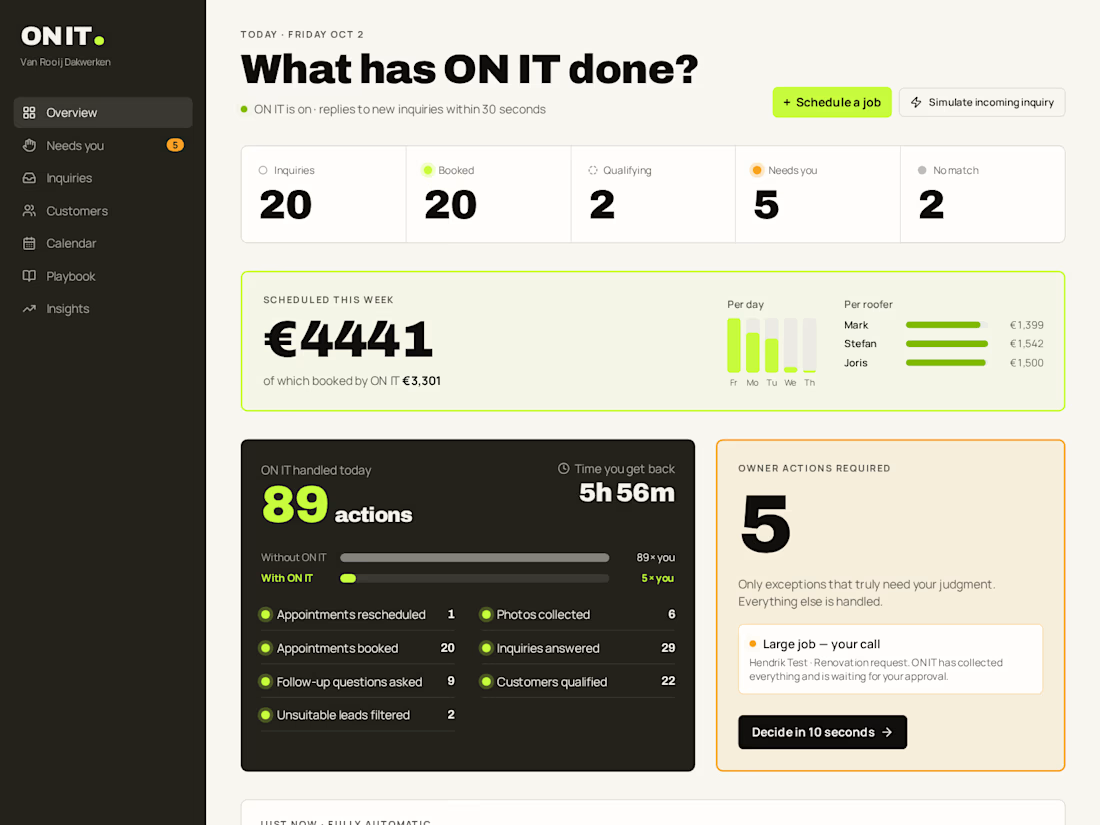
On the owner’s side, the same inquiry appears with its photo, assessment, assigned roofer and a timeline of the steps handled. In this demonstrated booking, no owner action is required.
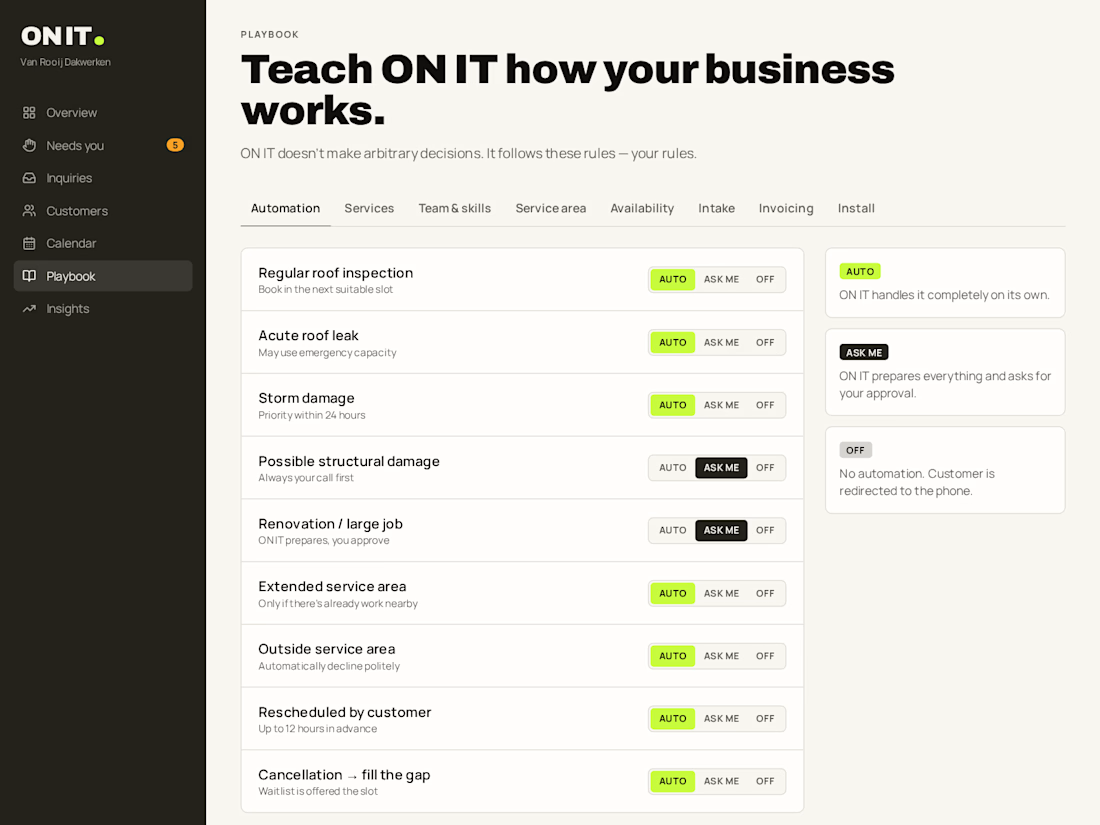
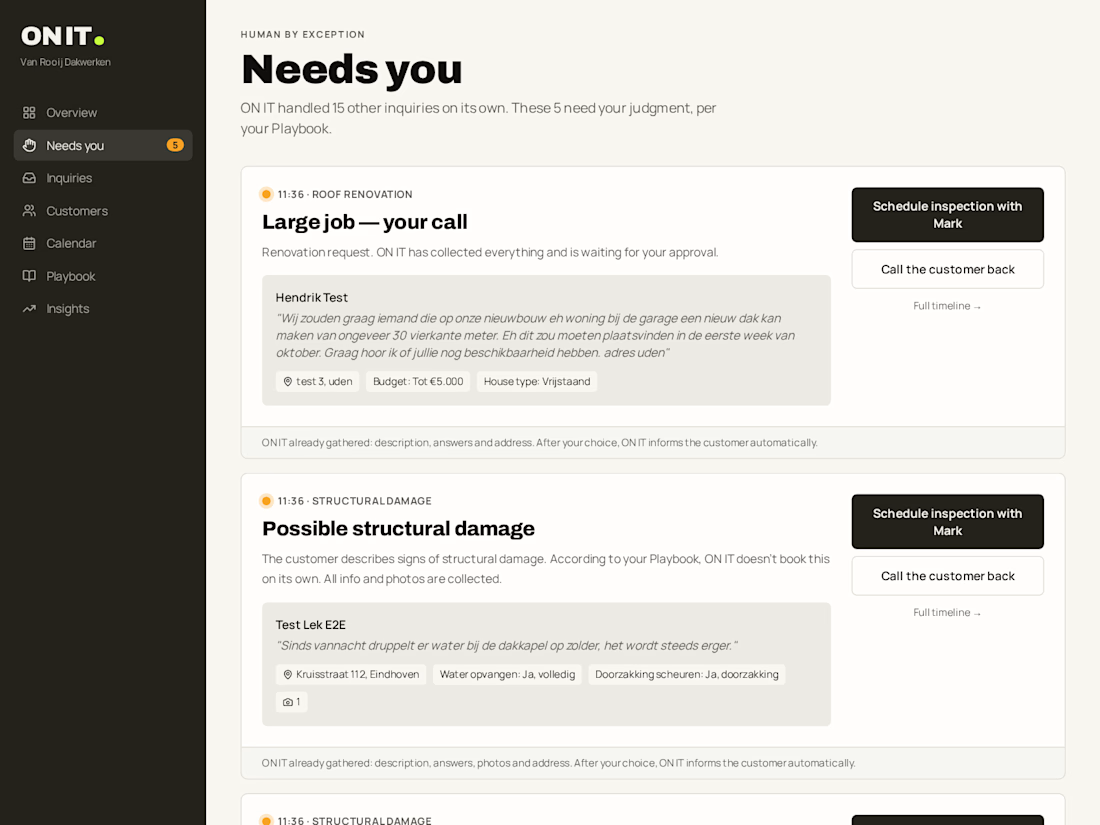
The business also has a Playbook: services, team skills, service area and automation permissions. AUTO, ASK ME and OFF make the intended level of delegation explicit. The exception view shows cases such as possible structural damage, with the collected information and the reason the owner’s judgment is needed.
The design focuses on reducing effort on both sides. Customers describe their problem in ordinary language and answer targeted questions. The owner receives an organized inquiry rather than another conversation to reconstruct. An embeddable script brings the intake into an existing website.
The before-and-after is practical: fewer interruptions, less information chasing and a clearer next step for the customer.
Automation by default. Human by exception.


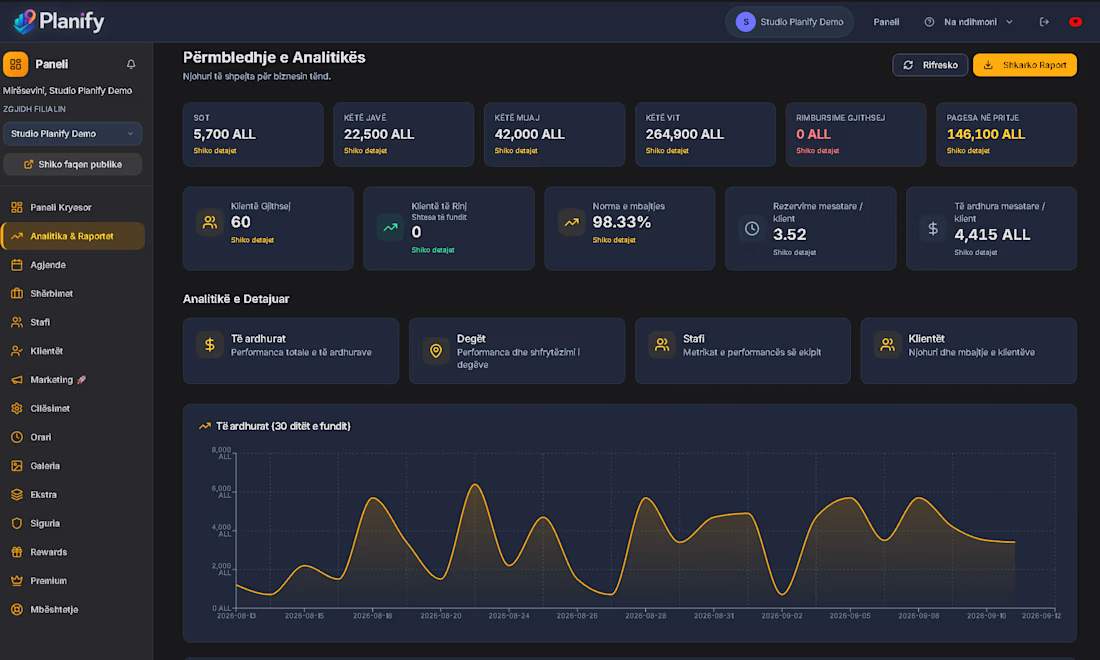
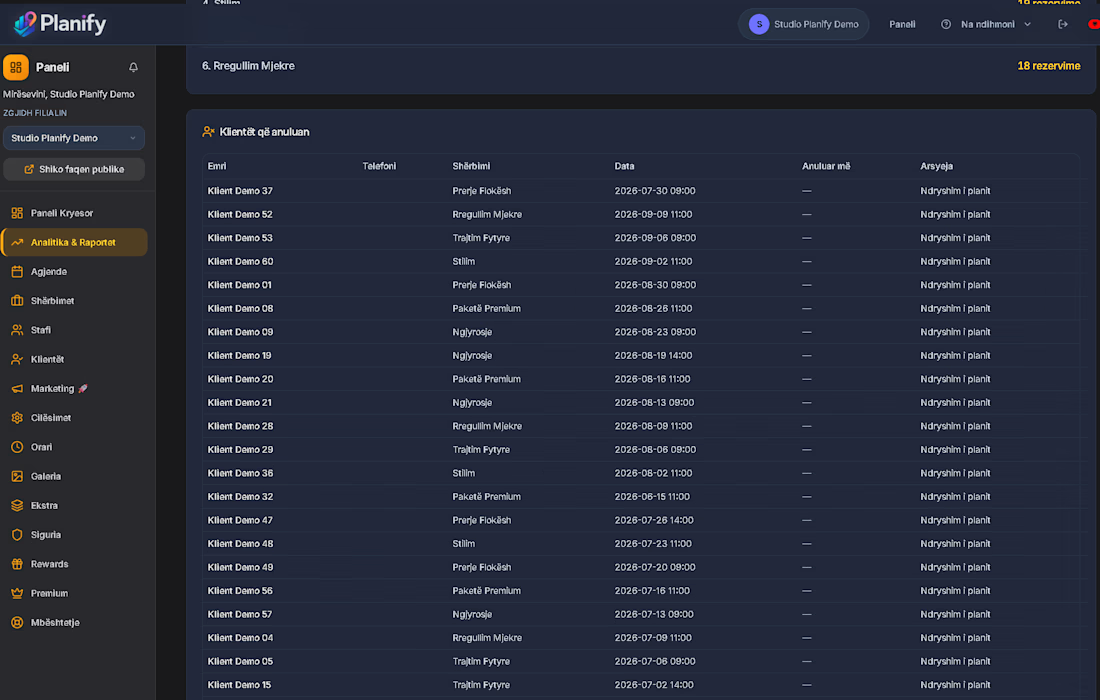
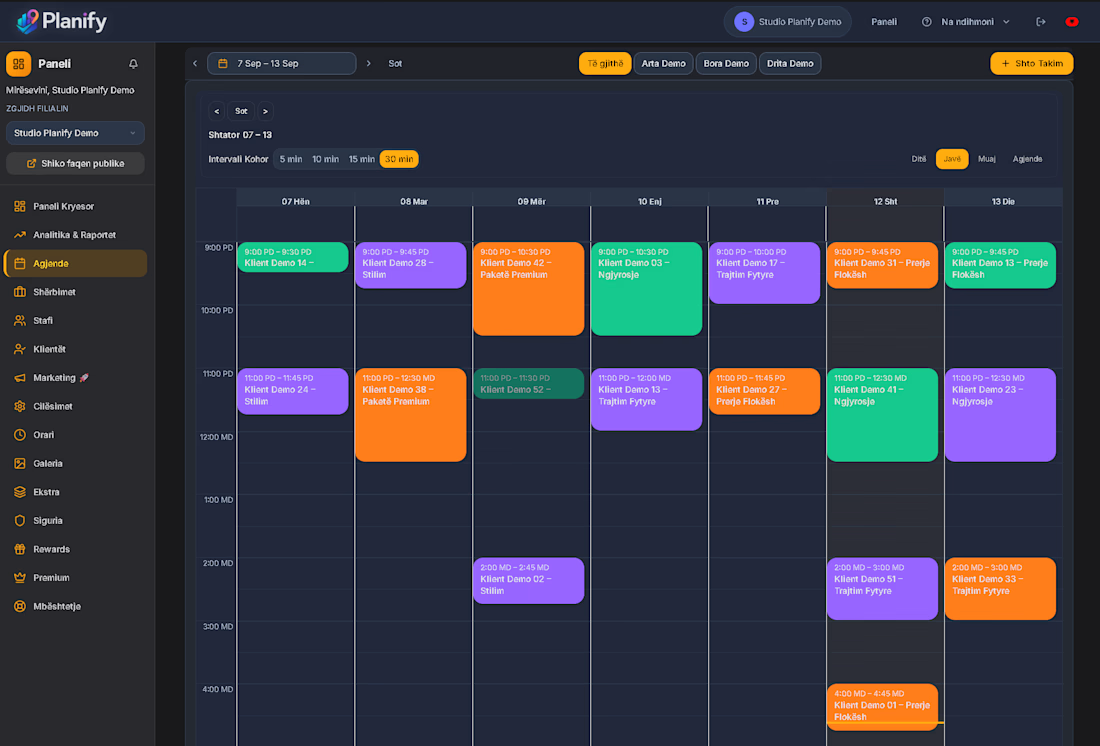
Built Planify, a full-stack booking and business management platform for service-based businesses.
I worked across frontend and backend development, including appointment scheduling, staff and service management, authentication, role-based access, notifications, APIs, database workflows, testing, debugging, and deployment.
Tech: Next.js, React, TypeScript, Node.js, MongoDB.