The network for creativity
Join 1.25M professional creatives like you
Connect with clients, get discovered, and run your business 100% commission-free
Creatives on Contra have earned over $150M and we are just getting started
Back to feedPost

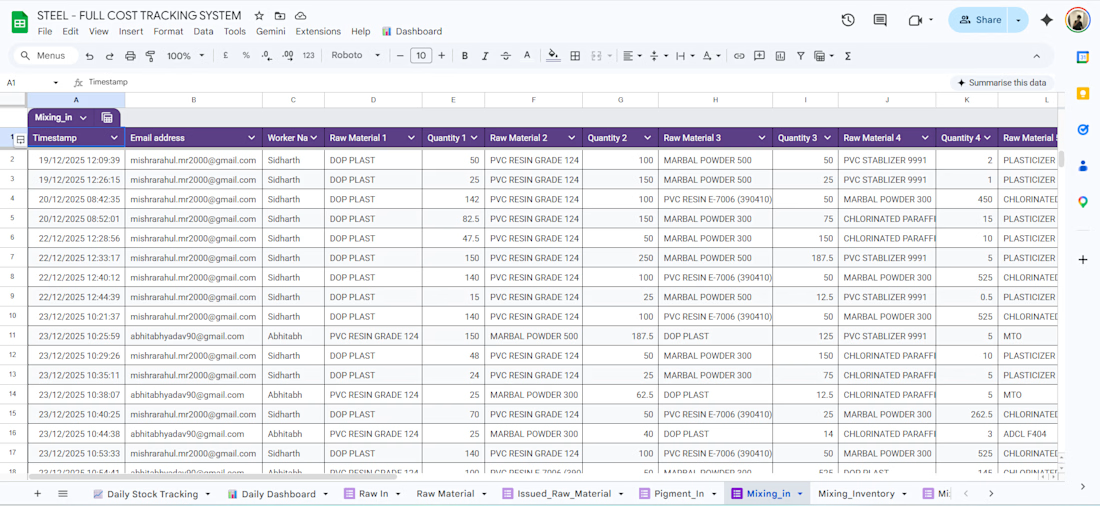
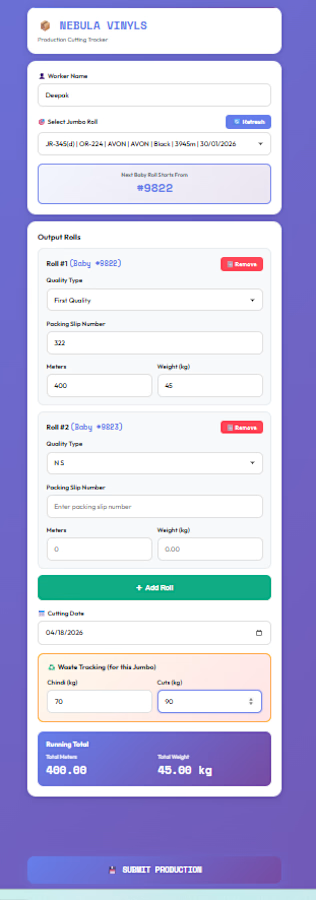
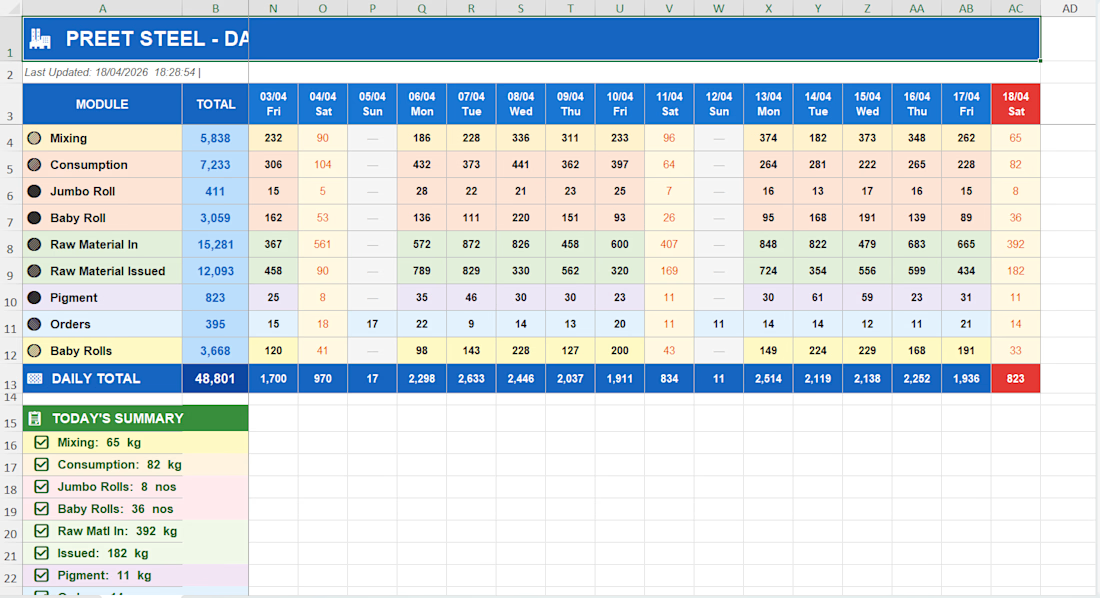
27-Module Production ERP - Google Sheets and App Script


The network for creativity
Join 1.25M professional creatives like you
Connect with clients, get discovered, and run your business 100% commission-free
Creatives on Contra have earned over $150M and we are just getting started











Related posts

CA Firm Automation Suite — Complete. 5 Stages. 9 Days.
Started with a problem. Finished with a system.
✅ Stage 1 — Client onboarding: form to folder in seconds
✅ Stage 2 — FBR & SECP alerts: 7, 3, 1 day warnings, every client
✅ Stage 3 — Invoice follow-ups: 3 escalating reminders, auto-stop on payment
✅ Stage 4 — Tax data collection: automated document requests with checklist
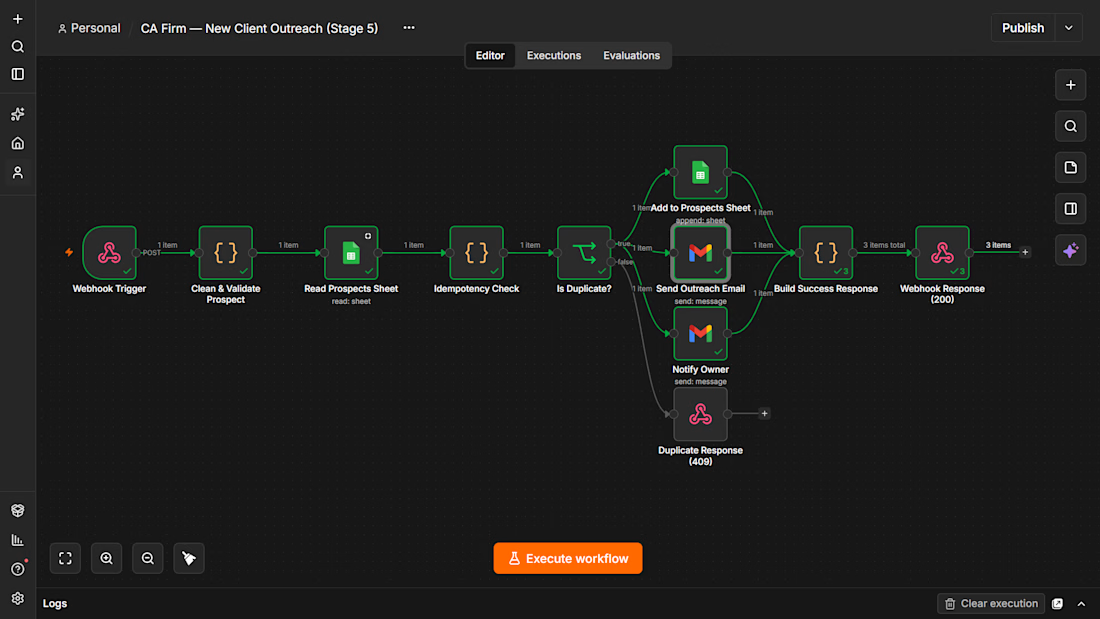
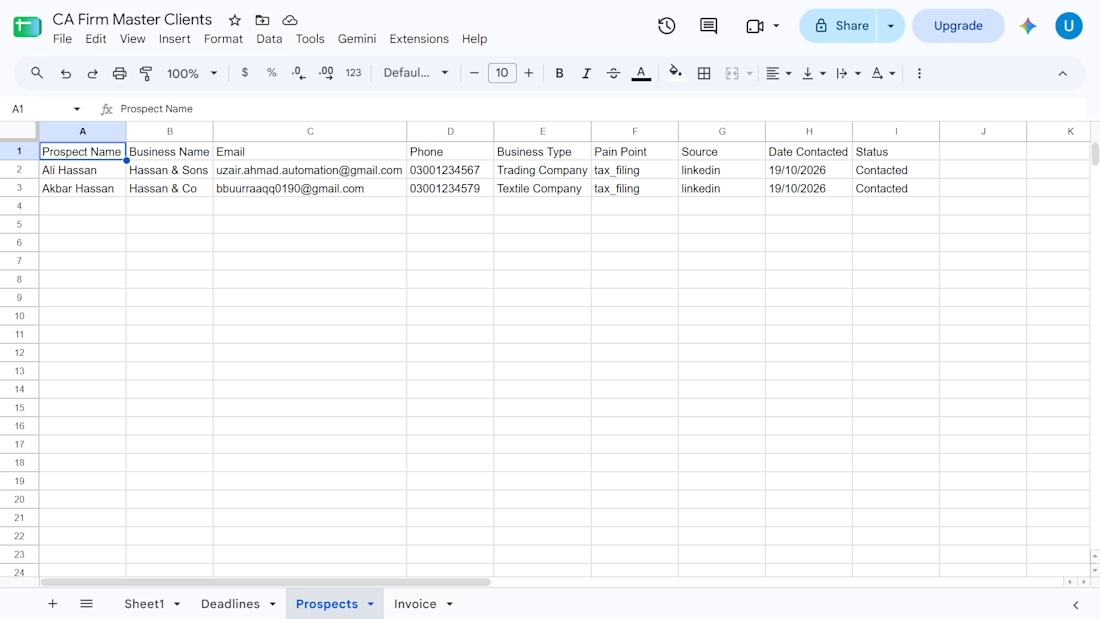
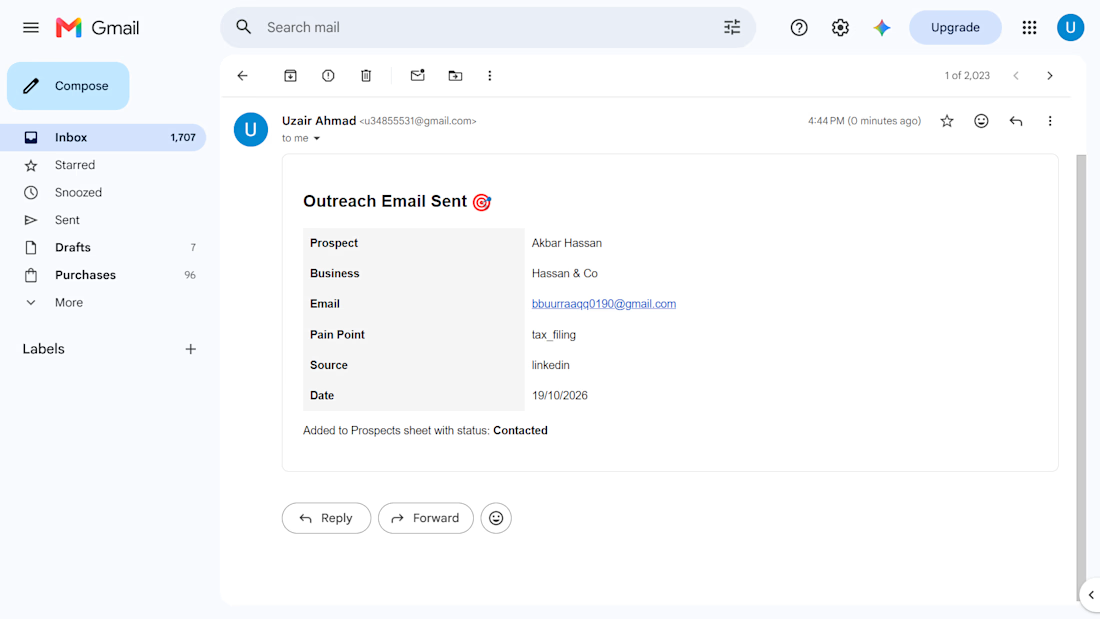
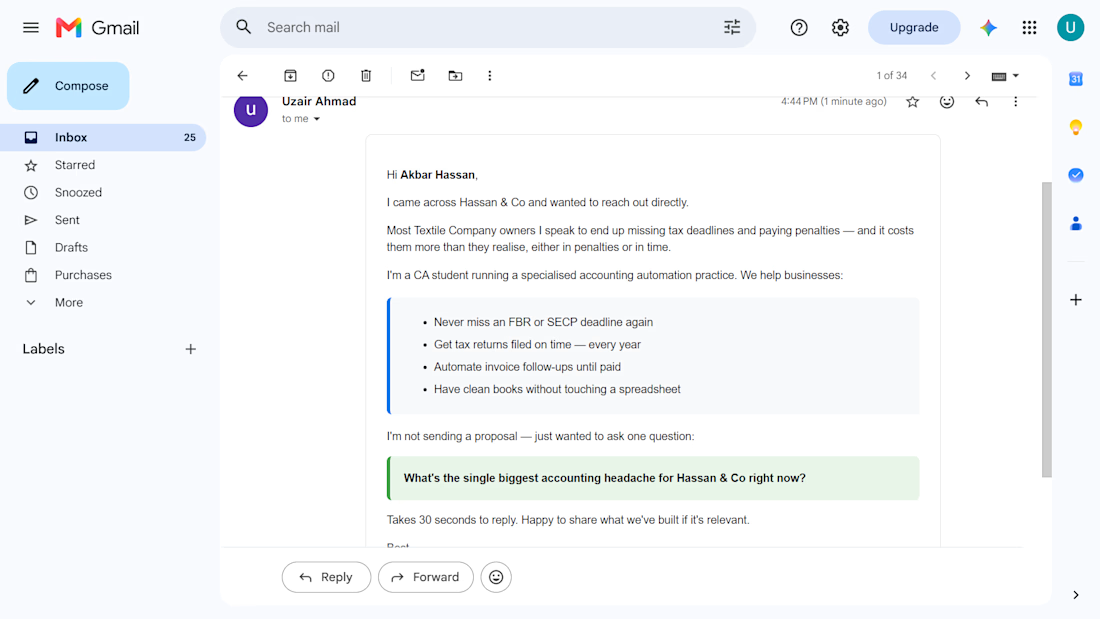
✅ Stage 5 — New client outreach: personalised emails based on pain point
Built by a 20-year-old CA student who knows this industry from the inside.
Zero per-month cost. Runs free on n8n + Railway.
Looking for the first CA firm to implement this. If that’s you — let’s talk.



For the tax document checklist, I'd match uploads to both the client and tax period before marking an item complete. How do you handle a client uploading last year's statement or a replacement after the checklist has already cleared?

Stop writing emails and manually tracking follow-ups.
You can automate most of this with n8n and Google Sheets.
Here's how it works:
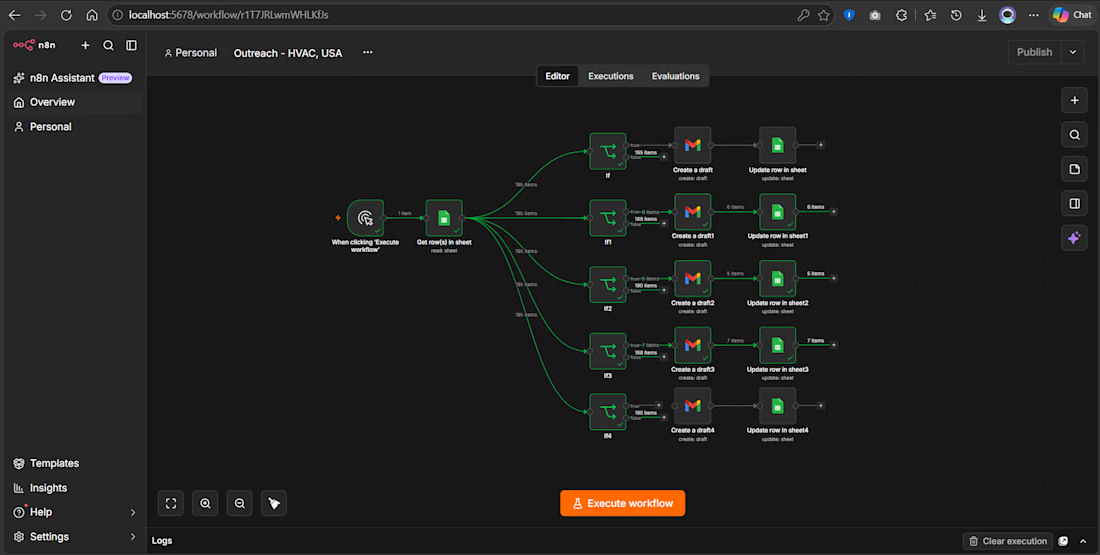
Add your leads to a Google Sheet.
Connect your Google Sheets and Gmail accounts to n8n.
Set up your email templates and follow-up rules.
Execute the workflow to create email drafts automatically.
Review each email and send it manually.
The workflow updates each lead's status, so you know who is ready for the next follow-up.
No need to create every email from scratch or track every follow-up manually.
Want to build this automation?


Great automation idea! Saving time on drafting and tracking follow-ups lets you focus more on building relationships with leads. 🙌

A small experiment with a more cinematic AI video.
30 seconds, one story, one prompt: a girl crosses a ruined city to find medicine for her younger sister. The ending doesn’t go exactly as planned.
The goal here was not just action, but:
realistic cinematography, tension, clear storytelling, and an emotional ending.
What do you think about this format?

