The network for creativity
Join 1.25M professional creatives like you
Connect with clients, get discovered, and run your business 100% commission-free
Creatives on Contra have earned over $150M and we are just getting started
Back to feedPost

One of my clients, age 41, had built a good amount of savings.
Income: ₹1.8L/month
FD + Savings: ₹35L
Mutual Funds: ₹6L
SIP: ₹25K/month
No loans.
He was saving well.
Then came an important question:
What if part of that money was invested in a rental property?
Let's take a simple real estate investment example.
₹20L goes toward the down payment on a rental property.
The property generates ₹45,000 in monthly rental income.
That is ₹5.4L in rent per year.
At first, ₹5.4L sounds like a good return.
But rent collected is not the same as profit.
This is where real estate bookkeeping shows the full picture.
Annual rental income: ₹5.4L
Mortgage interest: ₹1.4L
Property tax: ₹35K
Repairs & maintenance: ₹45K
Insurance: ₹20K
Other property expenses: ₹30K
After these expenses, around ₹2.7L remains before principal payments, income taxes, depreciation, vacancies, and major capital expenses.
Now the investor can ask better questions.
How much did I invest in this property?
How much rental income did it generate?
How much did the property cost to operate?
How much cash am I actually keeping?
And is this rental property performing the way I expected?
This is why bookkeeping matters for real estate investors.
Buying a rental property puts your money to work.
Good bookkeeping shows you how that money is actually working.
If you own rental properties, do you know what each property is really generating after expenses?
#RealEstateInvesting #RealEstateBookkeeping #RentalProperty #Bookkeeping #CashFlow
The network for creativity
Join 1.25M professional creatives like you
Connect with clients, get discovered, and run your business 100% commission-free
Creatives on Contra have earned over $150M and we are just getting started





Related posts

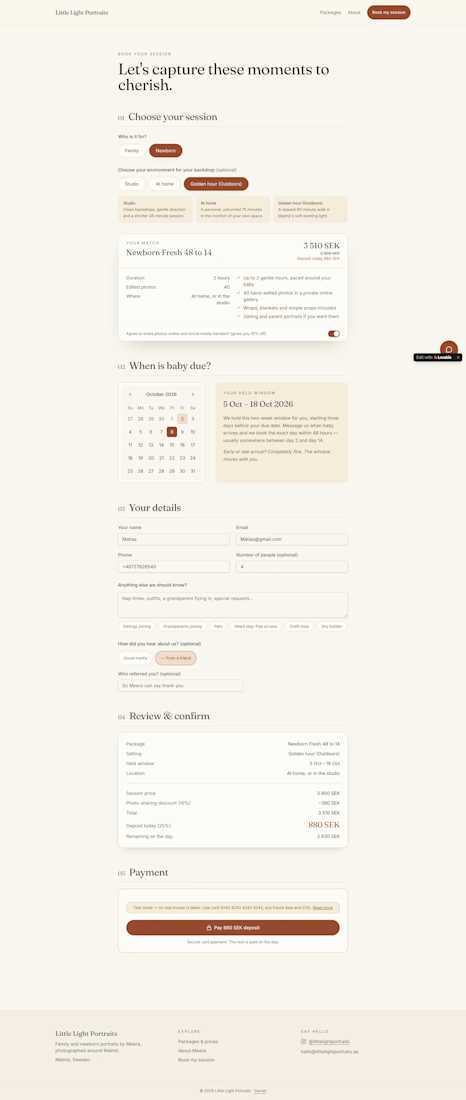
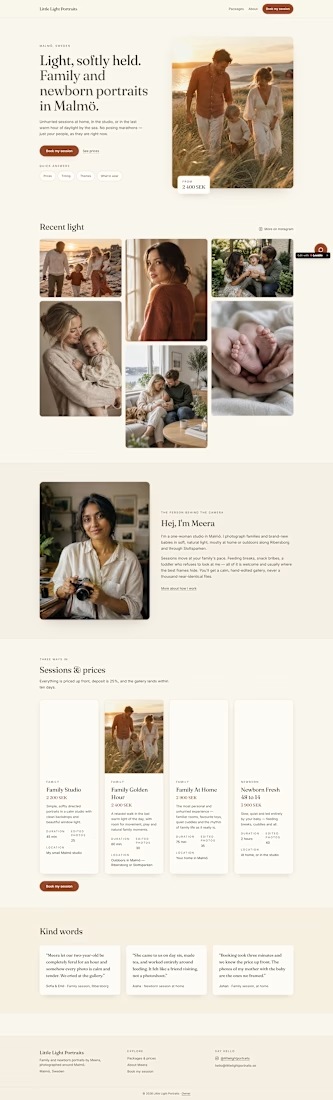
Business name: Little Light Portraits, a family and newborn photographer in Malmö, Sweden.
Problem: Meera runs a one-woman studio, and almost every lead arrives as an Instagram DM from a follower or a friend of a past client. Each one asks the same four things: how much, when are you free, what are the themes, and what should we wear. She answered each by hand, mostly in the evenings and at weekends when she's also shooting. That time came straight out of shooting and editing.
What I built: One link in Meera's Instagram bio opens a single booking page. Clients pick a session, tap a real date and time, and pay a deposit. Reminders and a waitlist run automatically, so no-shows get refilled. Her dashboard shows everything in one place.
Result: Meera no longer answers booking DMs, and her time goes back to shooting and editing.

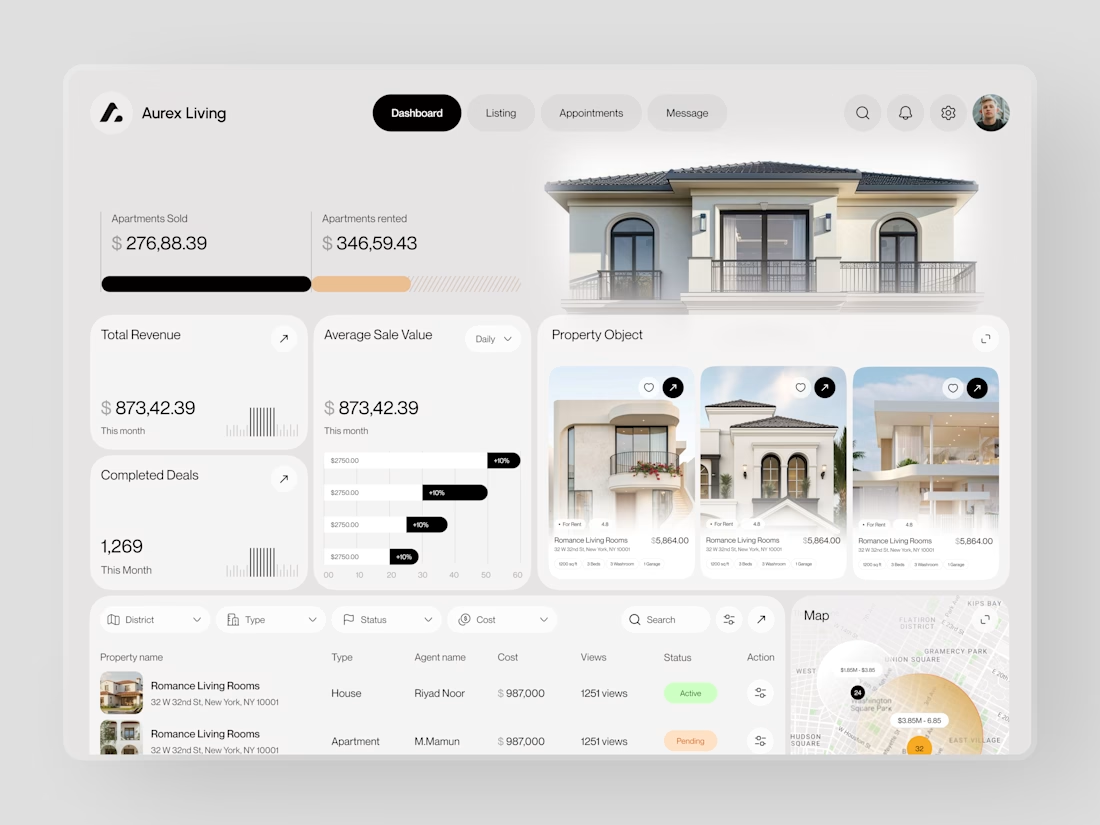
Real estate dashboards are usually built for data entry. Aurex Living was built for decision-making.
$873,42.39 total revenue. 1,269 completed deals this month. $276K sold, $346K rented. Property cards, agent tracking, map view, average sale value trending +10% - every number a real estate operator actually needs, on one clean white canvas.


Built an AI-Powered Real Estate Automation System 🏠🤖
Real estate businesses often lose leads because of slow responses, manual follow-ups and scattered customer data.
I built a system that automates the complete lead journey:
✅ AI Chat Assistant — answers FAQs & qualifies leads
✅ AI Lead Capture — collects customer requirements
✅ CRM Automation — automatically saves leads
✅ Appointment Booking — schedules site visits
✅ Google Calendar Integration
✅ Automated Email Notifications
✅ Automated Lead Follow-ups & Reminders
✅ AI Voice & Chat Support
The goal:
Capture more leads → Respond faster → Automate follow-ups → Book more appointments → Manage everything from one system.
I also build custom AI automation systems for real estate agencies, clinics, gyms, salons and other service businesses.
📩 Looking to automate your business? Let's talk.
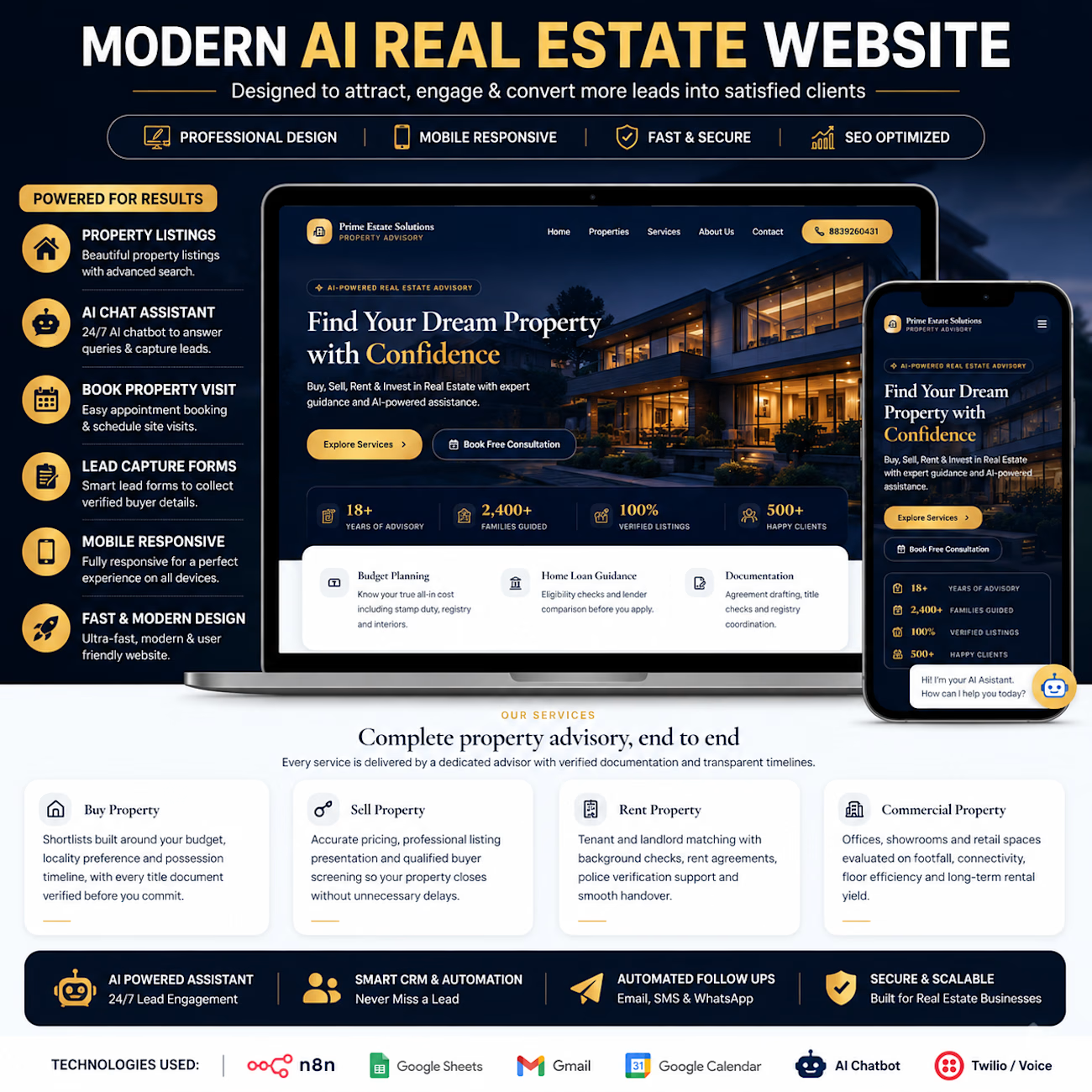
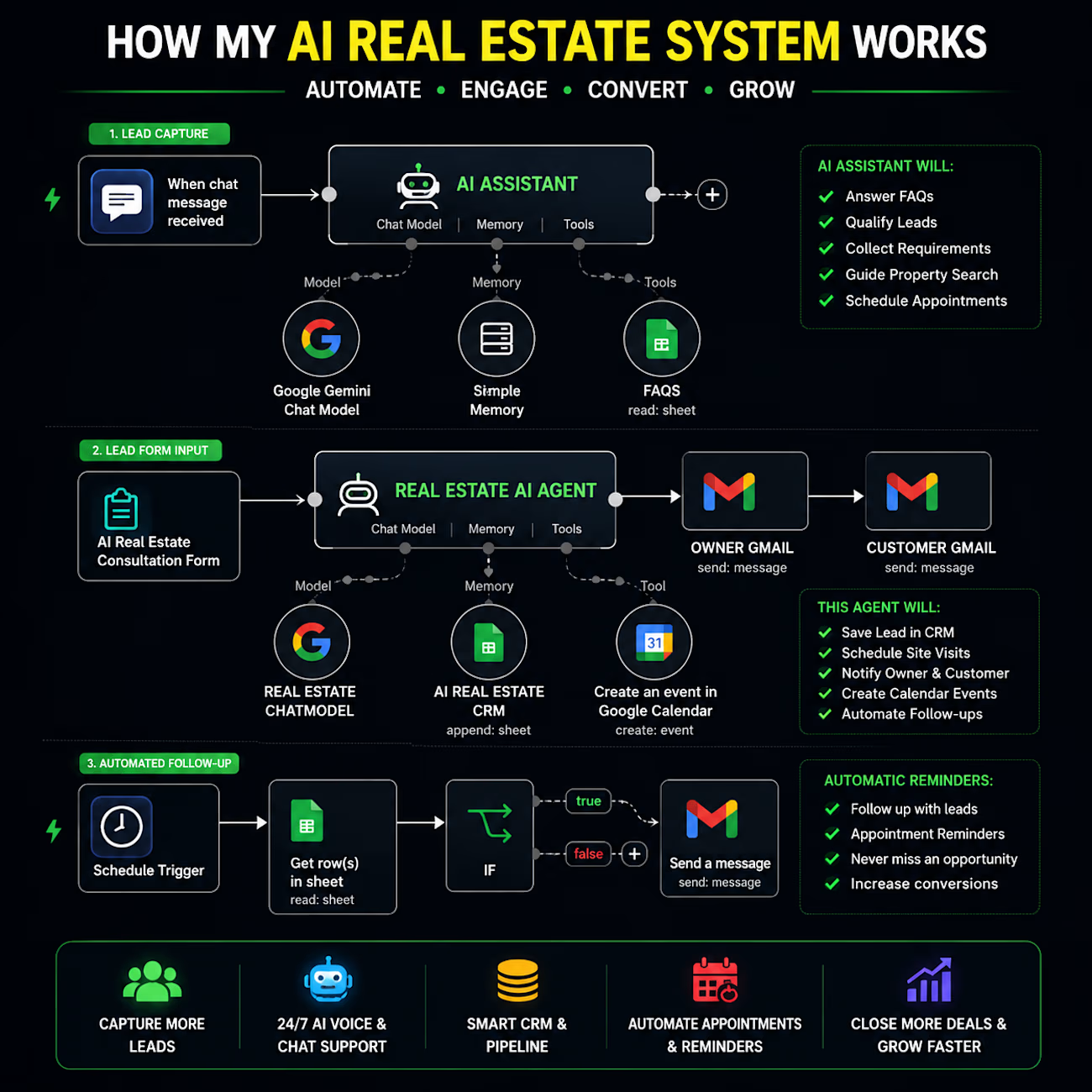

The AI chat assistant handling FAQs and qualifying leads removes a lot of manual back and forth for agents. Syncing the lead capture straight into the CRM keeps data tidy.