The network for creativity
Join 1.25M professional creatives like you
Connect with clients, get discovered, and run your business 100% commission-free
Creatives on Contra have earned over $150M and we are just getting started
Back to feedPost

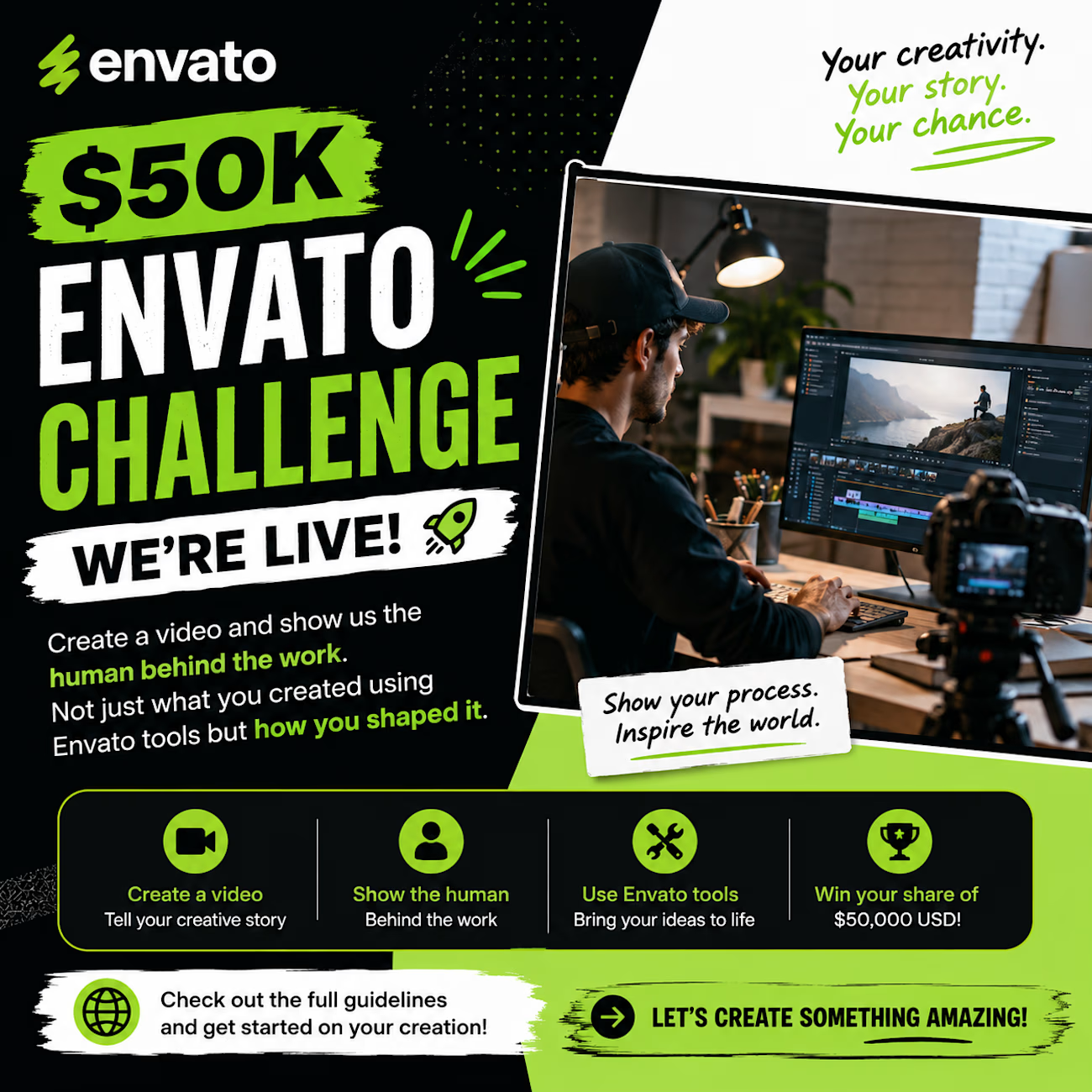
🚀 Excited to see the $50K Envato Challenge officially live!
This challenge is about more than just creating amazing content—it's about showing the creative process and the person behind the work. Every project tells a story, and every creator brings a unique perspective.
I'm looking forward to creating something meaningful using Envato tools and sharing the journey from idea to final result.
Wishing the best of luck to everyone participating! Let's inspire each other with creativity and innovation.
#EnvatoChallenge #Envato #ContentCreation #VideoCreation #Creativity #Design #Freelancer #DigitalCreator #CreativeJourney

The network for creativity
Join 1.25M professional creatives like you
Connect with clients, get discovered, and run your business 100% commission-free
Creatives on Contra have earned over $150M and we are just getting started





Related posts

CINÉRA is a great example of cinematic storytelling for a brand. The 3D gallery and booking flow is so smooth!
Building similar experience-driven ads for DTC brands with AI. Love this direction.

I wanted to make a photography website that felt more like an experience than a portfolio.
So I built CINÉRA — a cinematic photography studio website with a 3D gallery, interactive archive, real availability, and a complete booking flow.
You can explore the work, pick a date and...

Appreciate it! That’s actually a big part of what I was going for — making the experience itself part of the brand. Your DTC work sounds interesting too, would love to see what you’re building.

Day 3 🎃
Let's go!!
What's new:
- New enemy models (still WIP)
- Zombie and skeleton body parts now break apart and scatter on the ground
- Scene lighting and a glow effect
- Slide and camera control


Awesome dude

One-take cinematic AI film production
This is an FPV drone flight through a city during a solar eclipse.
The camera moves from a crowded square to a football stadium without any cuts or transitions. I wanted to show how people react when something unusual happens, and routine...