The network for creativity
Join 1.25M professional creatives like you
Connect with clients, get discovered, and run your business 100% commission-free
Creatives on Contra have earned over $150M and we are just getting started
Back to feedPost

Most scope arguments inside a startup are not really about facts. Two directions are on the table, both defensible, and everyone in the room has enough experience to make a serious case for one of them. So the meeting runs long, and the tie gets broken by whoever has the most seniority or the most patience. Then you spend a quarter building the winner and learn from the analytics whether the room was right.
I have been on the winning side of that argument and still been wrong.
What changed is the cost of finding out. With AI-assisted prototyping I can build both versions of the disputed flow and put them on two deployed links inside a week. Not both products. Just the eight or ten screens the argument is actually about, real enough that someone can click through them without being talked through them. Then a handful of people who resemble your customers use each one, and the room stops guessing.
The outcome is rarely a clean win for one side. More often both prototypes stall at the same step, and it is a step nobody had been arguing about. That finding on its own usually pays for the week.
The version that loses gets thrown away, which is the point. It cost days instead of a quarter, and nobody has to defend a decision they lost.
In my MVP sprints this now sits between the definition workshop and the release-1 backlog. The backlog gets written from what people did with the prototype, not from what we agreed in the meeting where we picked a direction.
The network for creativity
Join 1.25M professional creatives like you
Connect with clients, get discovered, and run your business 100% commission-free
Creatives on Contra have earned over $150M and we are just getting started



Related posts

Friday app: Understudy
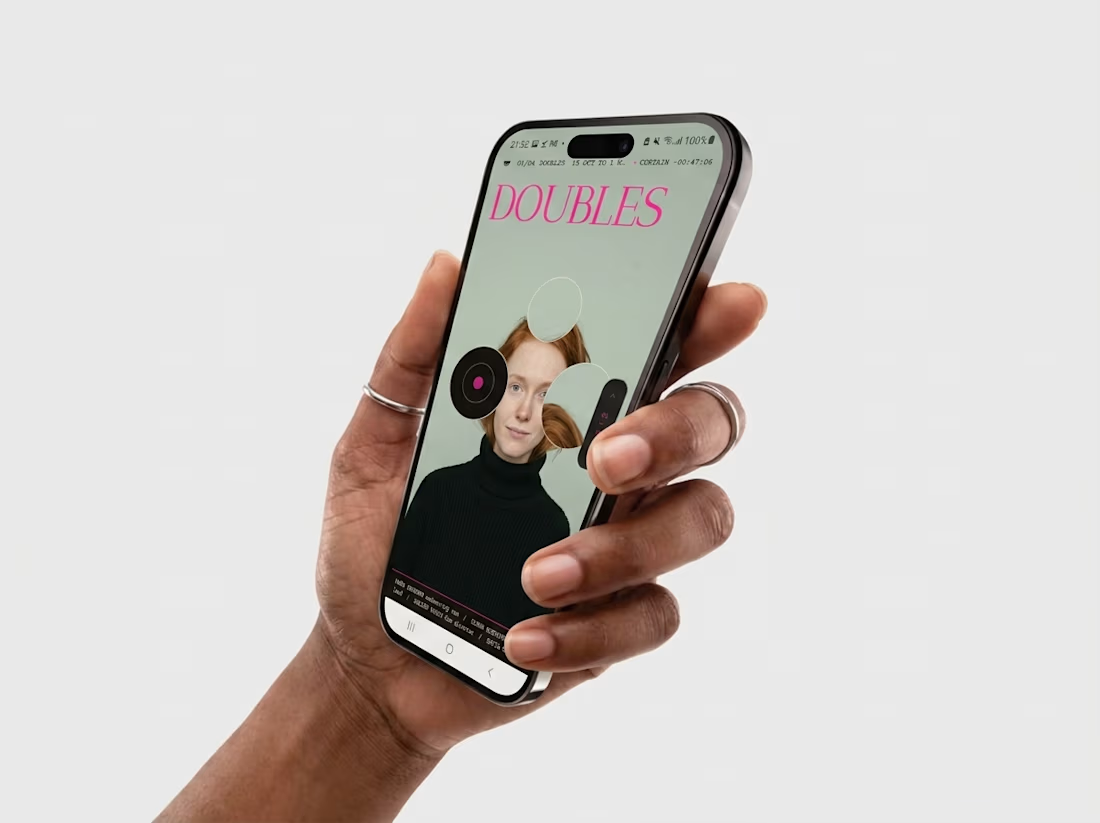
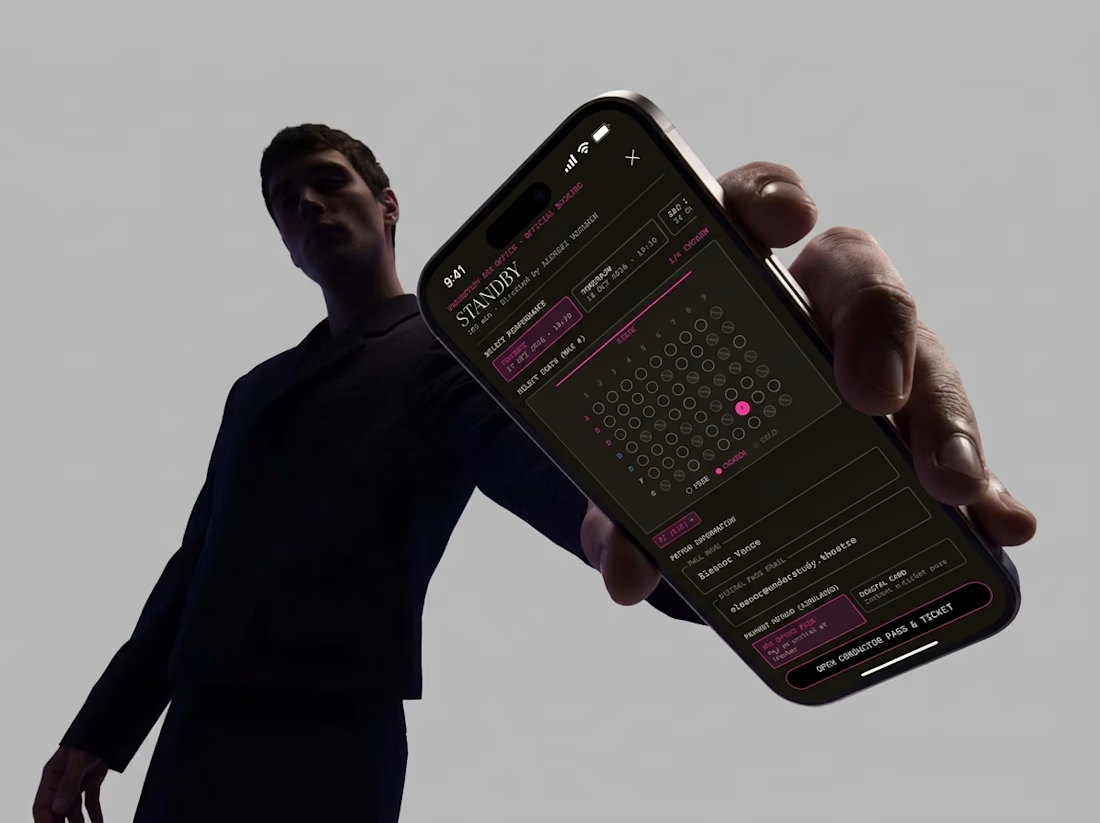
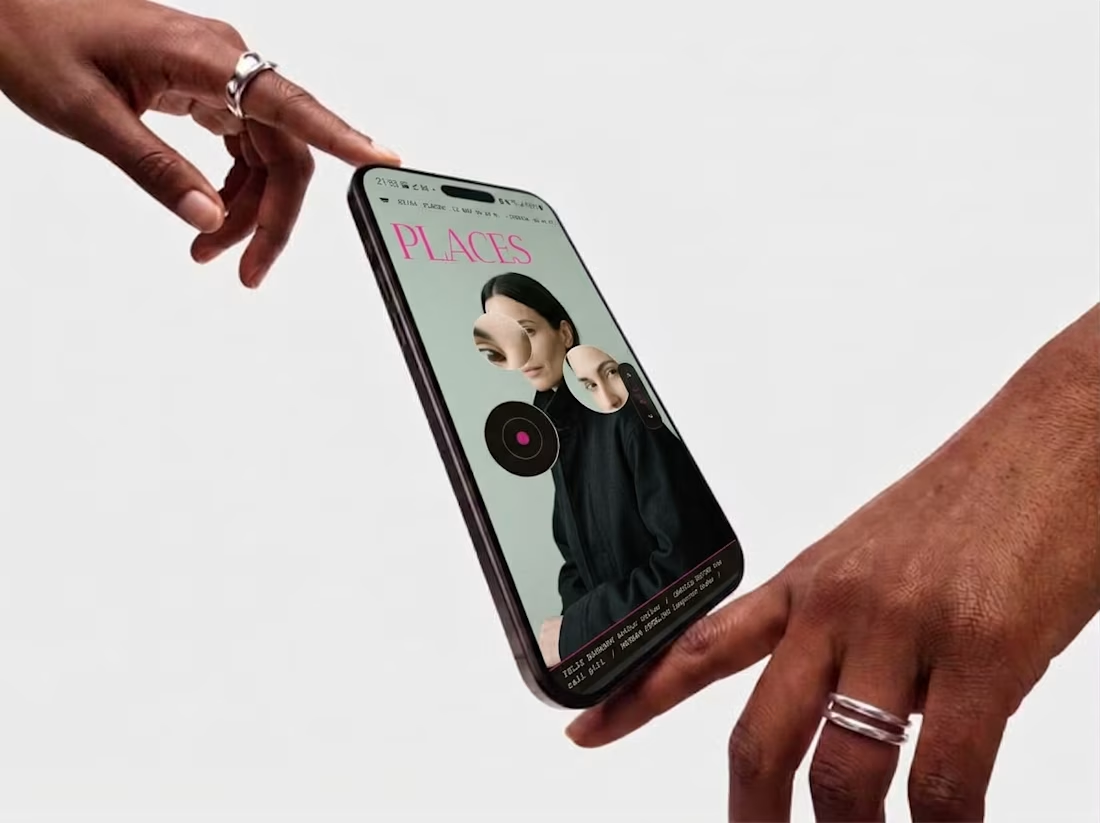
What if an app’s menu was a hole in a face?
UNDERSTUDY turns one circle into the interface: eyes open shows, voids open seat plans, and a typewriter clock counts down to curtain.
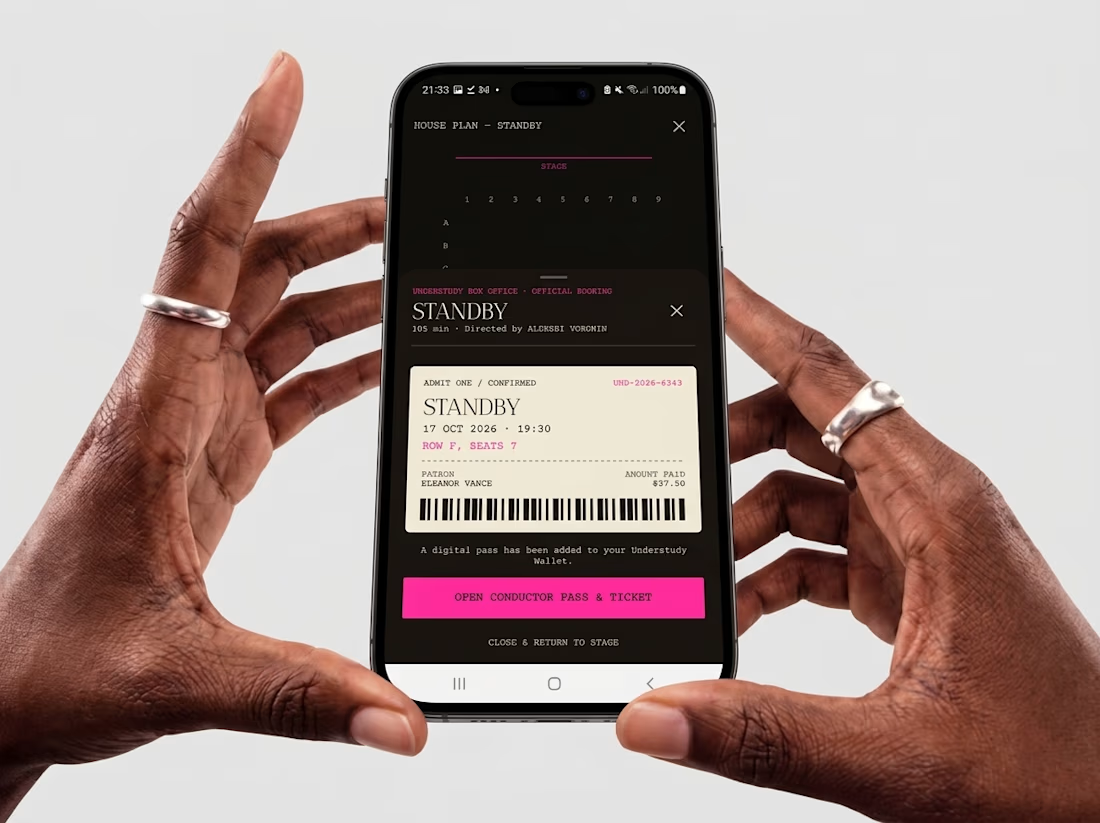


Check it out
New case study: Industrial IoT platform redesign with AI integration ⚡
Spent 5 weeks redesigning Lumicent’s industrial IoT platform. The headline change: cut alarm resolution from 4 taps to 1.
Started with a design audit that uncovered three UX failures burying the information operators actually needed to act. Mapped 3 personas (Technician, Risk Manager, Site Executive) and rebuilt the alarm, investigation, and home flows around how they actually make decisions under pressure.
AI assistant woven in at the right moments: contextual chat during investigation, daily brief on the home page, remedy suggestions at the point of alarm.

Putting the AI assistant at specific decision points, like remedy suggestions right at the alarm and a daily brief on the home page, feels much more useful than a generic chat box. Cutting alarm resolution from 4 taps to 1 is a strong result for operators working under pressure.

Introducing STANDLAB® — a live exhibition stand configurator built with Base44.
I designed STANDLAB to help teams shape a modular stand, see it in 3D, and understand the estimated cost as they build. You can choose a footprint, customize finishes, add and position modules, and review the bill of materials in one place.
I started with the brand and interface in Figma, then brought the experience to life in Base44, refining the 3D editor, configuration flow, and pricing interactions along the way.
Explore the live app: https://stand-lab-flow.base44.app/
Built for the #Base44Challenge


The overall art direction is impressive. Great project!


