The network for creativity
Join 1.25M professional creatives like you
Connect with clients, get discovered, and run your business 100% commission-free
Creatives on Contra have earned over $150M and we are just getting started
Back to feedPost
SaaS Product Strategy: Target Users, User Roles & Persona Definition
Understanding users is essential to building successful SaaS products.
This video explains how to define target users, identify user roles based on tasks and responsibilities, differentiate personas from roles, and prioritize primary and secondary users.
Topics Covered:
Defining the Target User
Mapping User Roles, Tasks, and Responsibilities
Understanding the Difference Between Personas and Roles
Prioritizing Primary and Secondary Users
These concepts help create a stronger foundation for product requirements, user journeys, information architecture, and UX/UI design.
My approach to digital product development focuses on understanding business objectives, user needs, and product logic before moving into interface design.
Core Focus: Business Understanding | Product Strategy | UX Research | SaaS Product Development
SaaS Product Development, UX Research, Product Strategy, User Experience Design, User Persona Development
#ProductStrategy #SaaS #UXResearch #ProductDesign #DigitalProducts
@Vansita Addanki ji
The network for creativity
Join 1.25M professional creatives like you
Connect with clients, get discovered, and run your business 100% commission-free
Creatives on Contra have earned over $150M and we are just getting started



Related posts

Understanding Target Customers vs. Target Users in SaaS Product Development
A successful SaaS product starts with understanding who the product is built for — and who will actually use it.
In this lesson from the iiinnovations SaaS Masterclass, I explain two important concepts:
• Why the customer is not always the end user.
• How to identify and define the right target customer segment.
• The difference between buyers, decision-makers, and end users.
• Why customer segmentation matters before defining product requirements and features.
My approach to product development focuses on understanding business needs, user roles, and real-world problems before moving into product design and development.
The key principle: Build for the right people, solve the right problems, and create meaningful product value.
Follow iiinnovations for more practical insights into SaaS Product Development, Product Strategy, UX/UI Design, and Business Analysis.
#SaaSProductDevelopment #ProductStrategy #ProductManagement #CustomerSegmentation #UXDesign


Such an important distinction.

Really liked how these designs turned out!
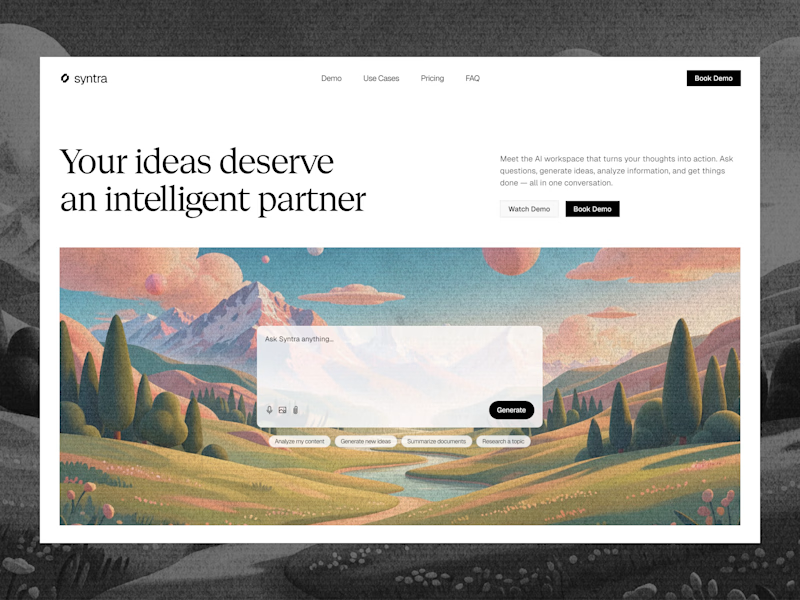
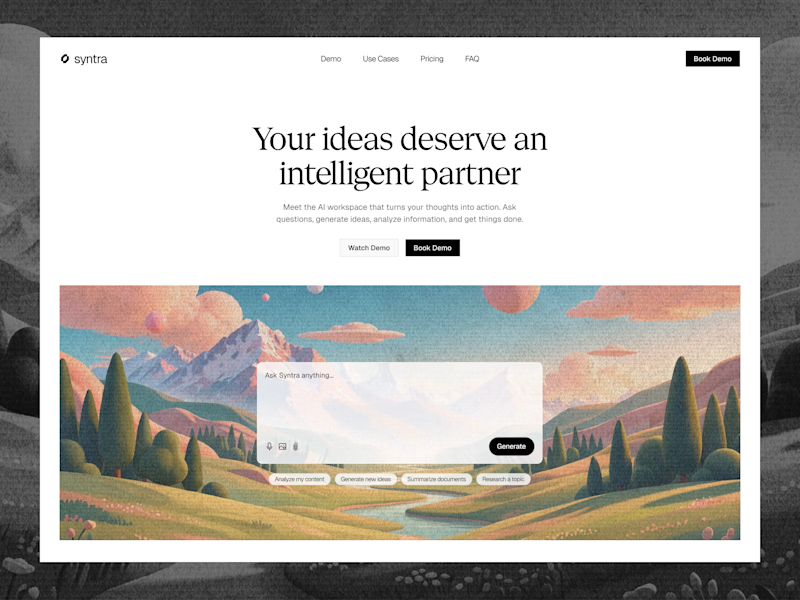
Explored a concept for AI SaaS product, focusing on a clean interface and a simple, intuitive chat experience.
Tried two different layout variation for the hero section.
Which would you like?
13 voted
57%
10 voted
43%
23 votes
Closed

Really clean concept! 👏
I like the second layout more — the headline "Your ideas deserve an intelligent partner" + the chat preview below makes the AI feel real and easy to use immediately. The first one is also clean, but this one sells the product faster.
I also design SaaS...


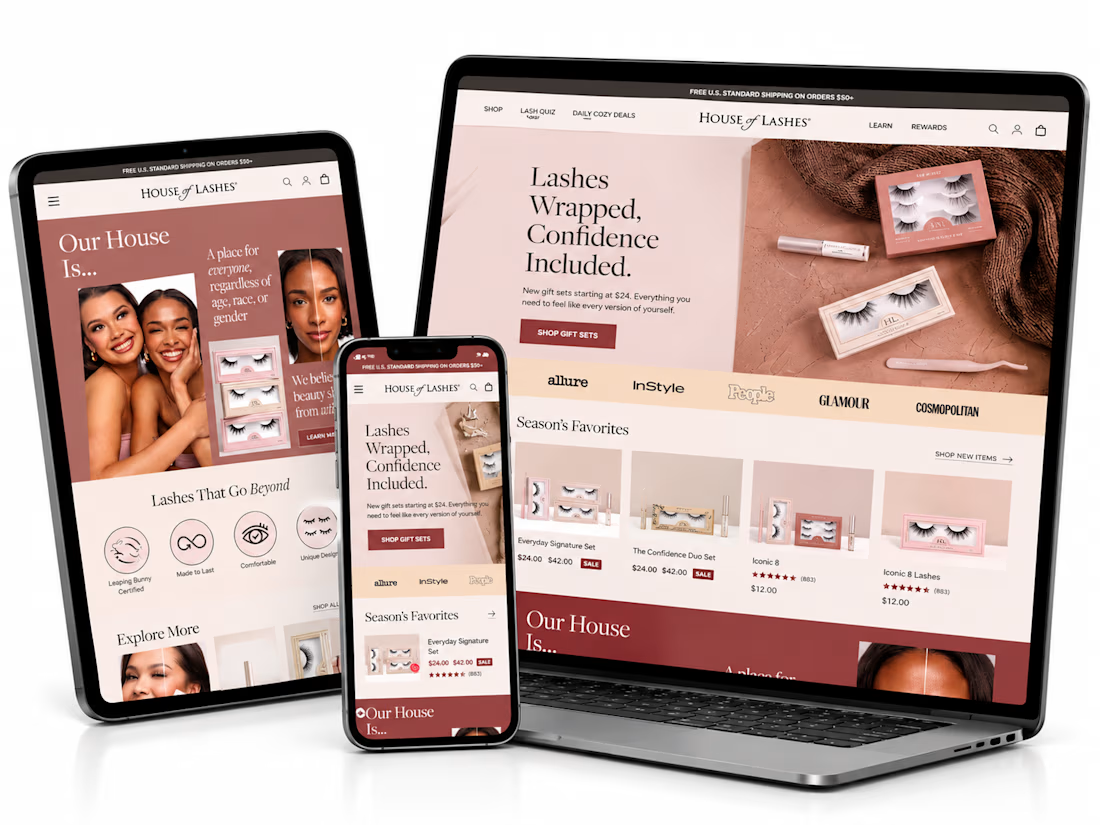
What if finding the perfect lash style was easier than ever? ✨
I’ve been exploring how a beauty eCommerce store can deliver a better shopping experience through thoughtful UI/UX design and conversion-focused strategies.
For this independent redesign concept, I explored a more engaging way to help beauty shoppers discover products, navigate collections, and make confident buying decisions.
A few things I focused on:
1. Clean, premium beauty storefront design.
2. Better product discovery and navigation.
3. Curated product collections.
4. A lash-finder quiz concept to guide shoppers.
5. Clear product presentation and shopping actions.
6. A responsive experience across devices.
My goal with this concept was simple: make the shopping journey feel effortless while keeping the brand visually engaging.
Because a beautiful store is great, but a store that makes shopping easier is even better.
Shopify founders and beauty brand owners: What's more important to you when designing a beauty store — visual experience or product discovery?
#Shopify #ShopifyDesign #ShopifyCRO #EcommerceDesign #UIDesign #UXDesign #ConversionOptimization


This is amazing. I would love to see more of your designs