The network for creativity
Join 1.25M professional creatives like you
Connect with clients, get discovered, and run your business 100% commission-free
Creatives on Contra have earned over $150M and we are just getting started
Back to feedPost

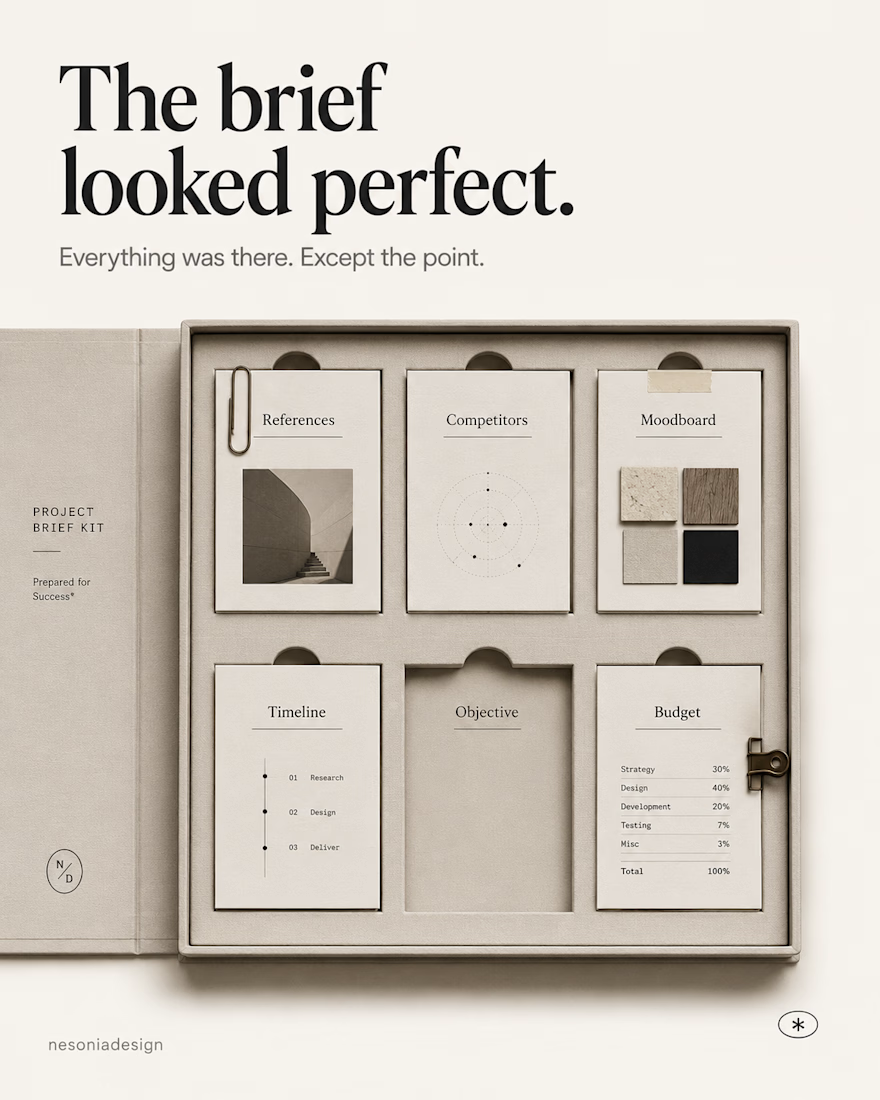
The brief looked perfect.
Interesting brand, reasonable timeline, clear budget. The client came prepared — references, competitors, a mood board they’d already put together.
I said yes within 48 hours.
Three weeks in, I understood what I’d missed.
Every feedback round started with “we love it, but…” followed by a direction that contradicted the previous one. The moodboard they’d prepared wasn’t a brief — it was a collection of things they liked with no logic connecting them. When I asked what the website needed to make the visitor do, the answer changed every call.
The problem wasn’t the design. It was that no one had decided what the project was actually for.
I finished the work. It was fine. Not the kind of fine I’m proud of — the kind that gets approved because everyone is tired of the process.
What I missed in that first call was simple.
I asked what they wanted the website to look like. I didn’t ask what problem the website needed to solve. I didn’t ask who would be making decisions and what “done” meant to them. I didn’t ask what had already been tried.
Now I ask three questions before any project starts:
“What is the visitor supposed to understand in the first ten seconds?”
If the answer is vague, the brief isn’t ready.
“Who has the final say — and have they seen this conversation?”
If there’s a decision-maker I haven’t spoken to, the project has a hidden variable I can’t design around.
“What does success look like six months after launch?”
If the answer is “a beautiful website,” we’re not aligned on what design is for.
These questions don’t filter out difficult clients. They filter out misaligned ones — which is a different problem entirely.
The best collaborations I’ve had started with a client who could answer all three clearly. Not perfectly — clearly.
If you’re starting a website project and want to make sure the brief is solid before the design begins — I’d be glad to walk through it with you.

The network for creativity
Join 1.25M professional creatives like you
Connect with clients, get discovered, and run your business 100% commission-free
Creatives on Contra have earned over $150M and we are just getting started







Related posts


Marigold was a one-day concept for a design challenge. I set the direction in real photography before generating anything.
That order matters more than people think. If you generate first, you're negotiating with whatever the model offers. If you shoot or choose real references first, you've set a standard the rest of the work has to meet.
The tool didn't set the taste. It matched a bar that already existed.

Great work!, love the colors

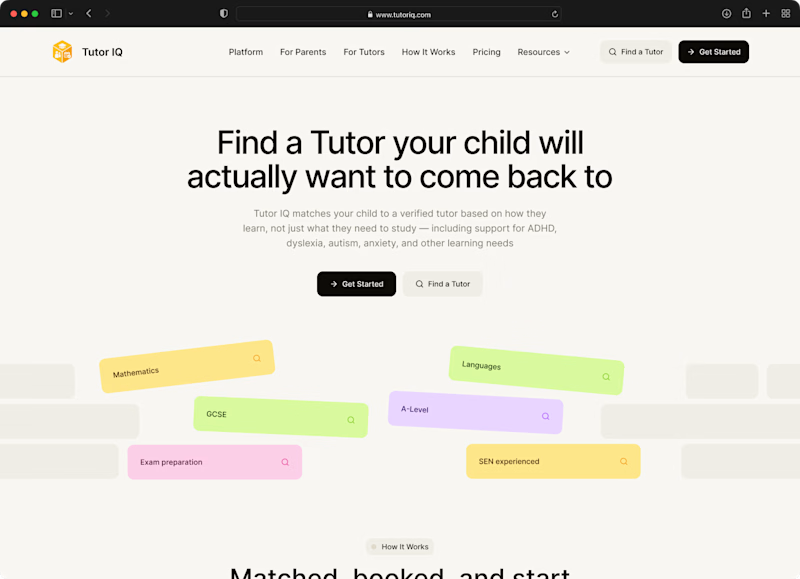
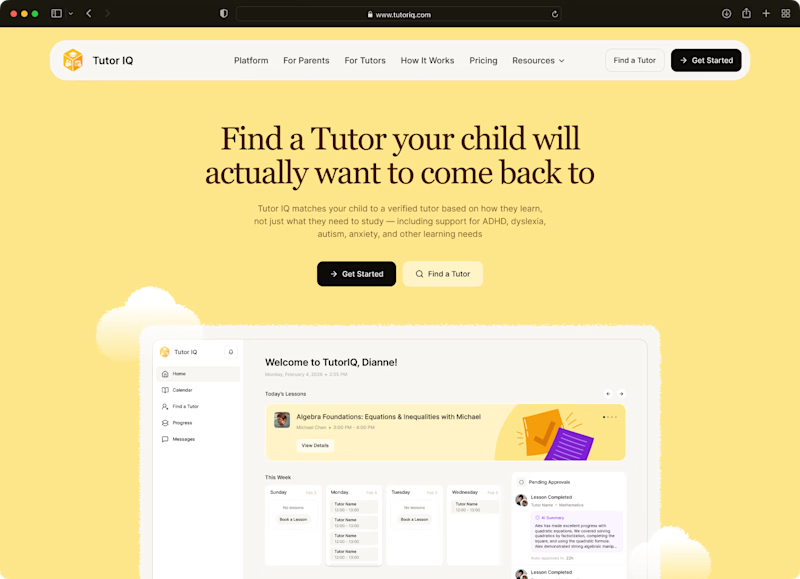
Two moods for one tutoring website🤩 Which would you click?
These were two early website concepts we put together for TutorIQ before choosing the main design.
Tell us in the comments what caught your eye:
🧩 1 — Light and playful
☀️ 2 — Softer and calmer
Mini case study with the final website design is coming here very soon!
11 voted
55%
9 voted
45%
20 votes
Closed

I'm going with Light and playful 🧩

A new visual identity for Reroll.
We turned the O in the name into a die and built the wider brand language around that simple idea.
The project includes:
• Logo design
• Social media identity
• Logo animation
• Custom playing card back
• 3D visual assets
Creative direction: Dmitry Lepisov
Identity design + motion: Arthur Skripnik
Created by Lepisov Branding
Some of the 3D visuals and animation were made in Spline.


