The network for creativity
Join 1.25M professional creatives like you
Connect with clients, get discovered, and run your business 100% commission-free
Creatives on Contra have earned over $150M and we are just getting started
Back to feedPost

Project Title:
Pulse System — Customer Success Engine & Interactive Blueprint
Project Role:
Full-Stack Developer / System Architect
Project Description:
“Technical Note: This project is a functional Prototype & Technical Blueprint built to explore advanced Python-driven scoring algorithms and high-fidelity frontend interactions. It serves as a skill-building showcase in data processing and UI/UX engineering, rather than a commercial product.”
The Challenge:
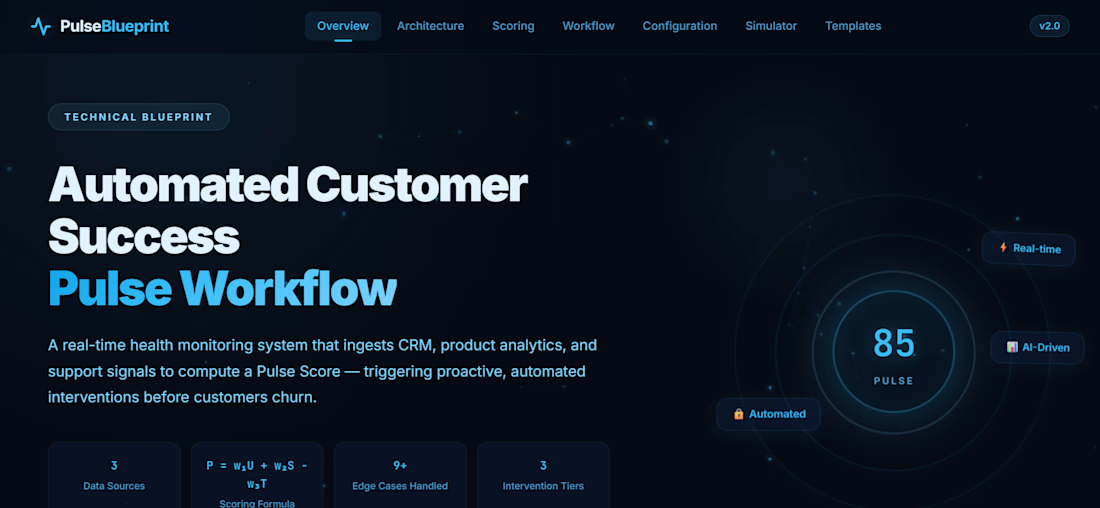
Modern Customer Success teams often struggle with fragmented data. I wanted to build a system that could ingest raw customer data, process it through a custom-weighted health algorithm, and visualize the output in a way that is both intuitive and visually striking.
The Solution:
I developed the Pulse Engine, a dual-layered system consisting of:
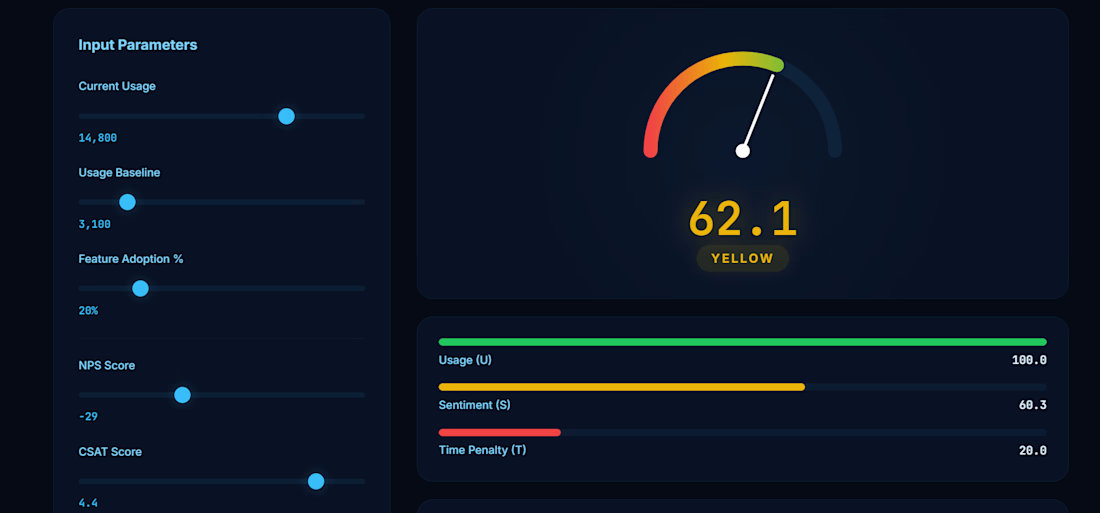
A Python Logic Core: A sophisticated engine that calculates "Pulse Scores" using NLP sentiment analysis and weighted usage metrics (Usage, Sentiment, and Time-decay).
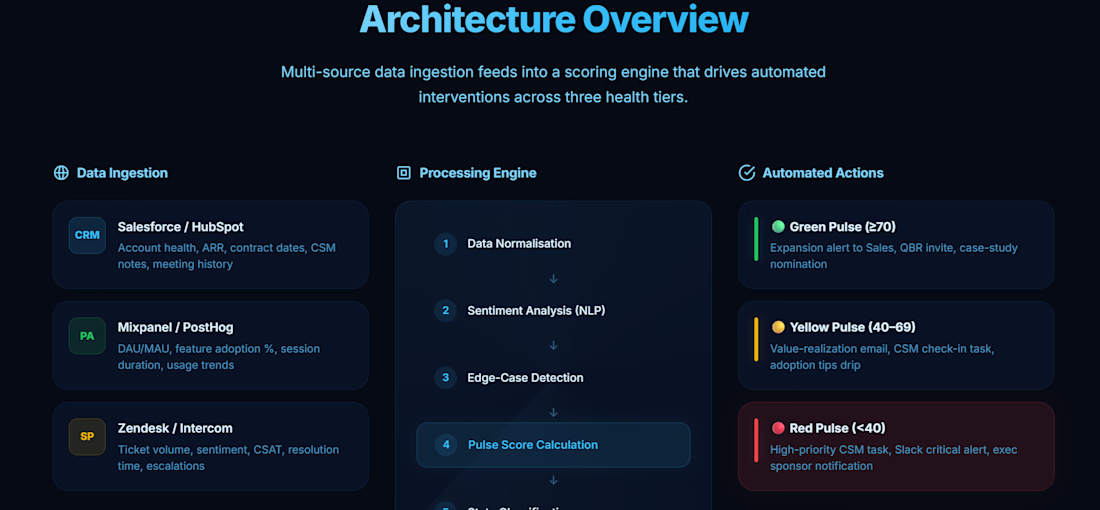
An Interactive Dashboard: A premium, glassmorphic frontend that visualizes the technical architecture (via Mermaid.js) and includes a real-time simulator to test how different variables impact customer health.
Key Features & Technical Deep-Dive:
Algorithmic Health Scoring: Developed a custom formula P = (w1·U) + (w2·S) - (w3·T) to predict customer churn risk.
NLP Integration: Built-in sentiment analysis logic to evaluate customer feedback and support tickets.
Advanced Frontend Engineering: Implemented a particle system (Canvas API), 3D tilt effects, and intersection observers for a high-end, responsive user experience.
Scalable Architecture: Designed blueprint adapters for major enterprise tools like Salesforce, HubSpot, and Zendesk.
What I Learned:
System Architecture: How to structure complex logic so it can be easily integrated into automation platforms like n8n or Oracle Cloud.
Performance Optimization: Managing DOM-heavy animations and particle systems without compromising performance.
Data Visualization: Converting abstract mathematical models into interactive, easy-to-understand visual components.



The network for creativity
Join 1.25M professional creatives like you
Connect with clients, get discovered, and run your business 100% commission-free
Creatives on Contra have earned over $150M and we are just getting started
Related posts

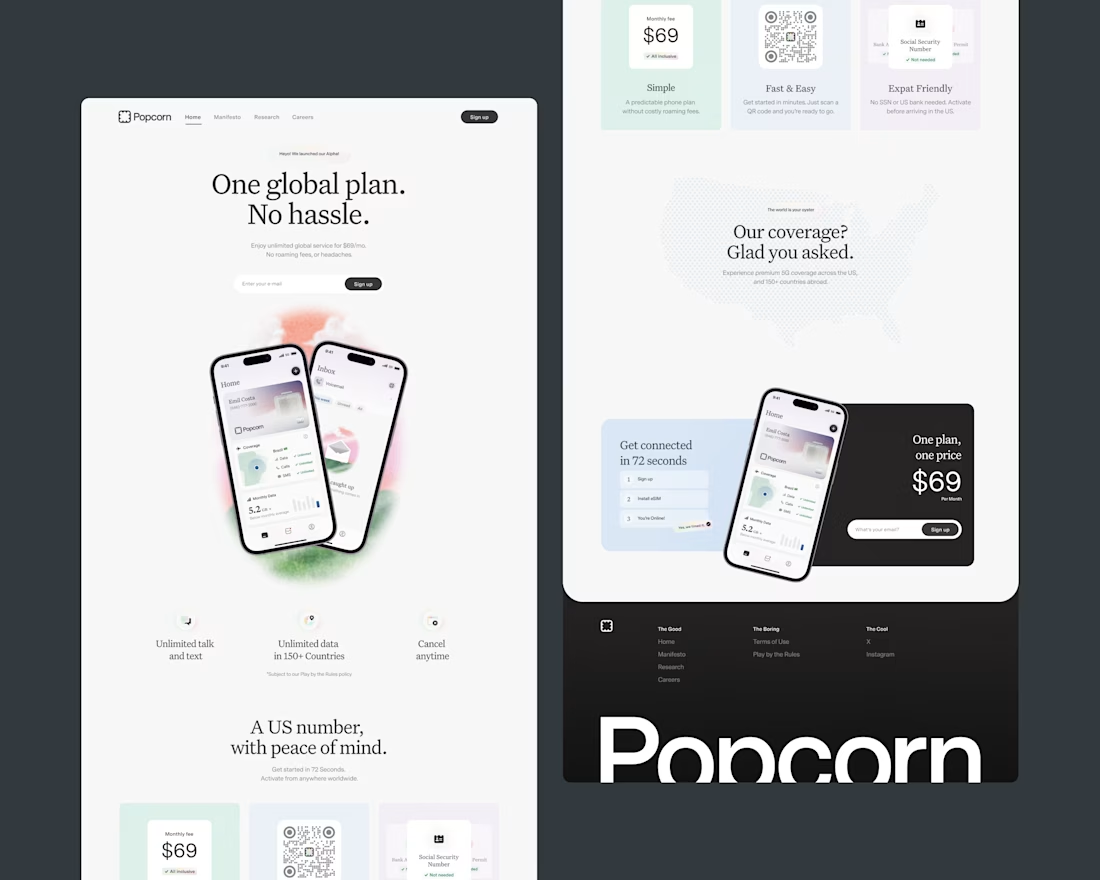
Always good to throwback to the designs i did for Popcorn! check it live on https://www.popcorn.space/


This is seriously impressive work. The attention to detail and level of execution stand out immediately. You’ve set a high standard here, well done.

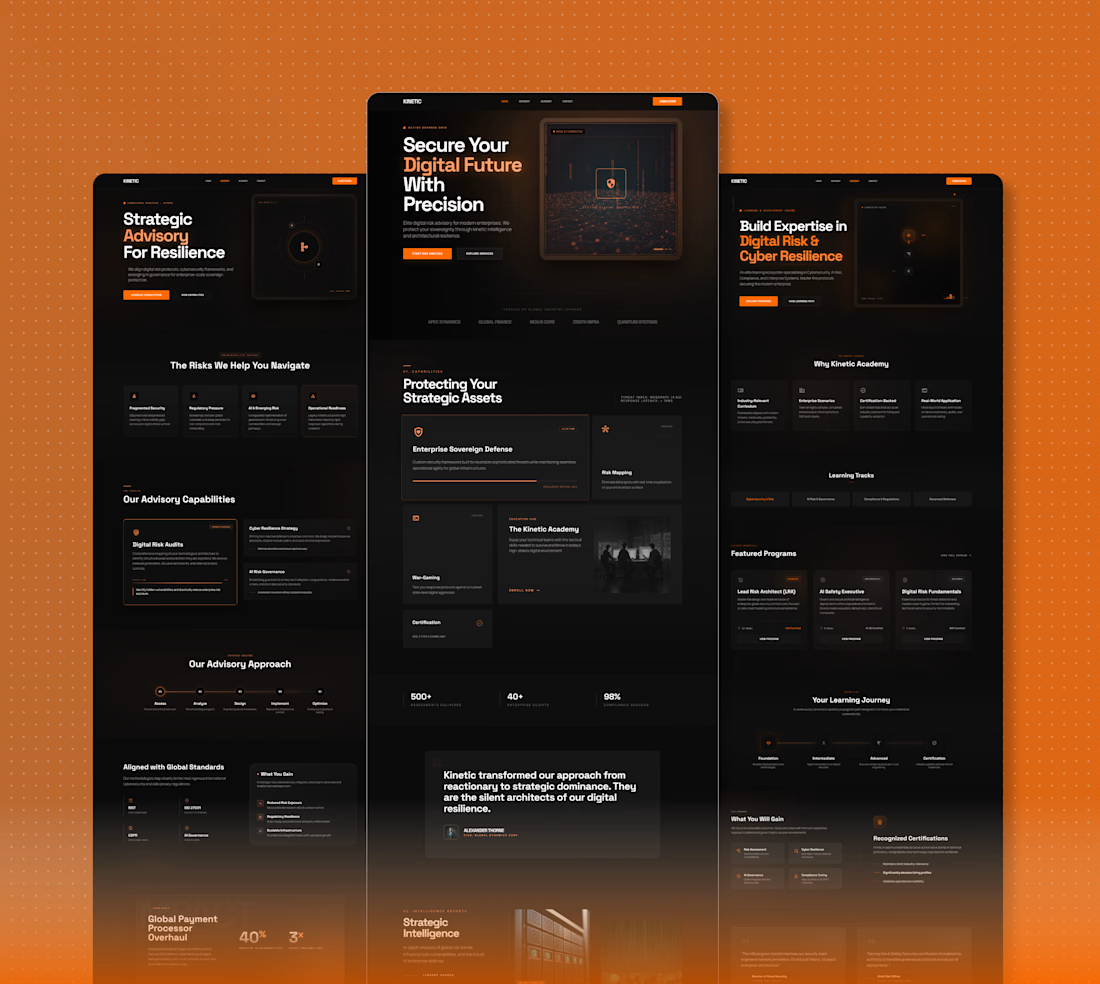
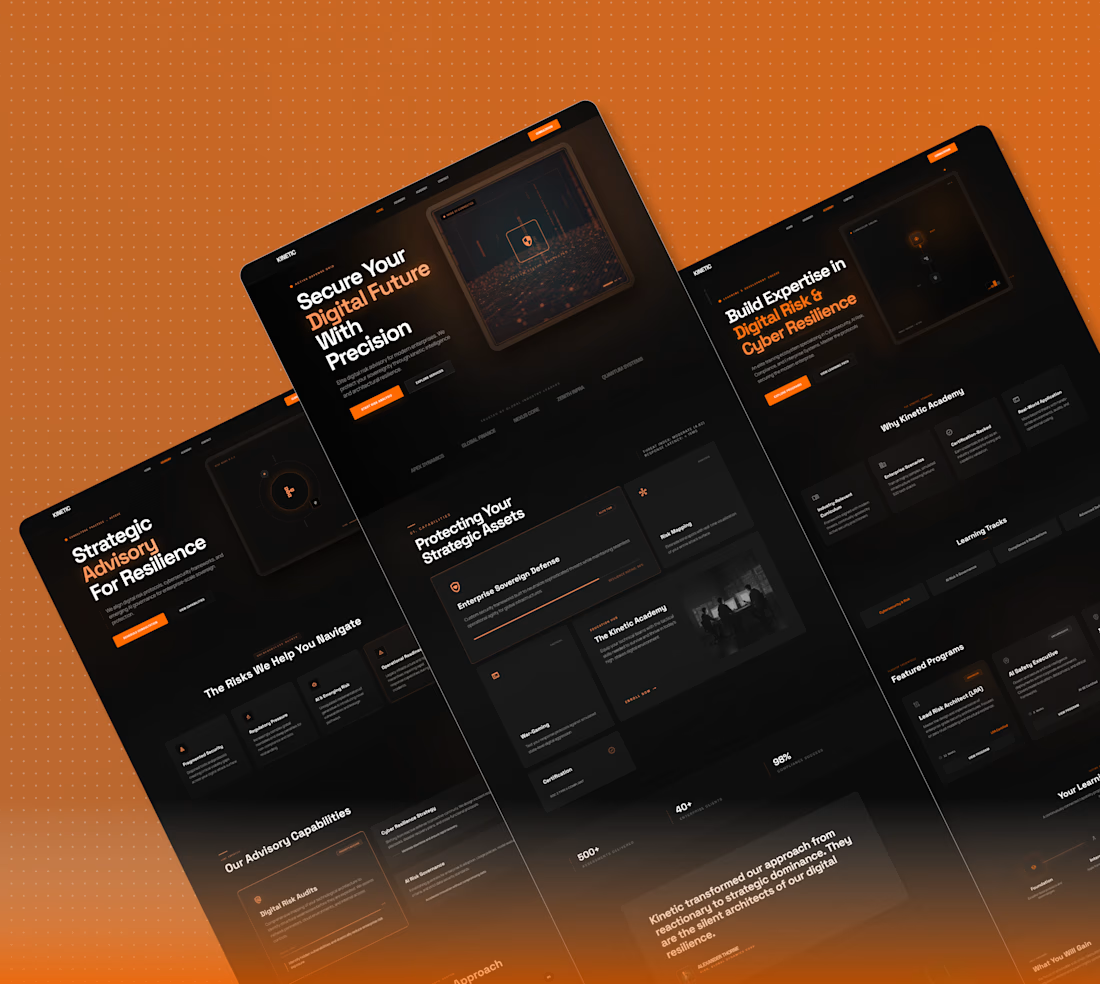
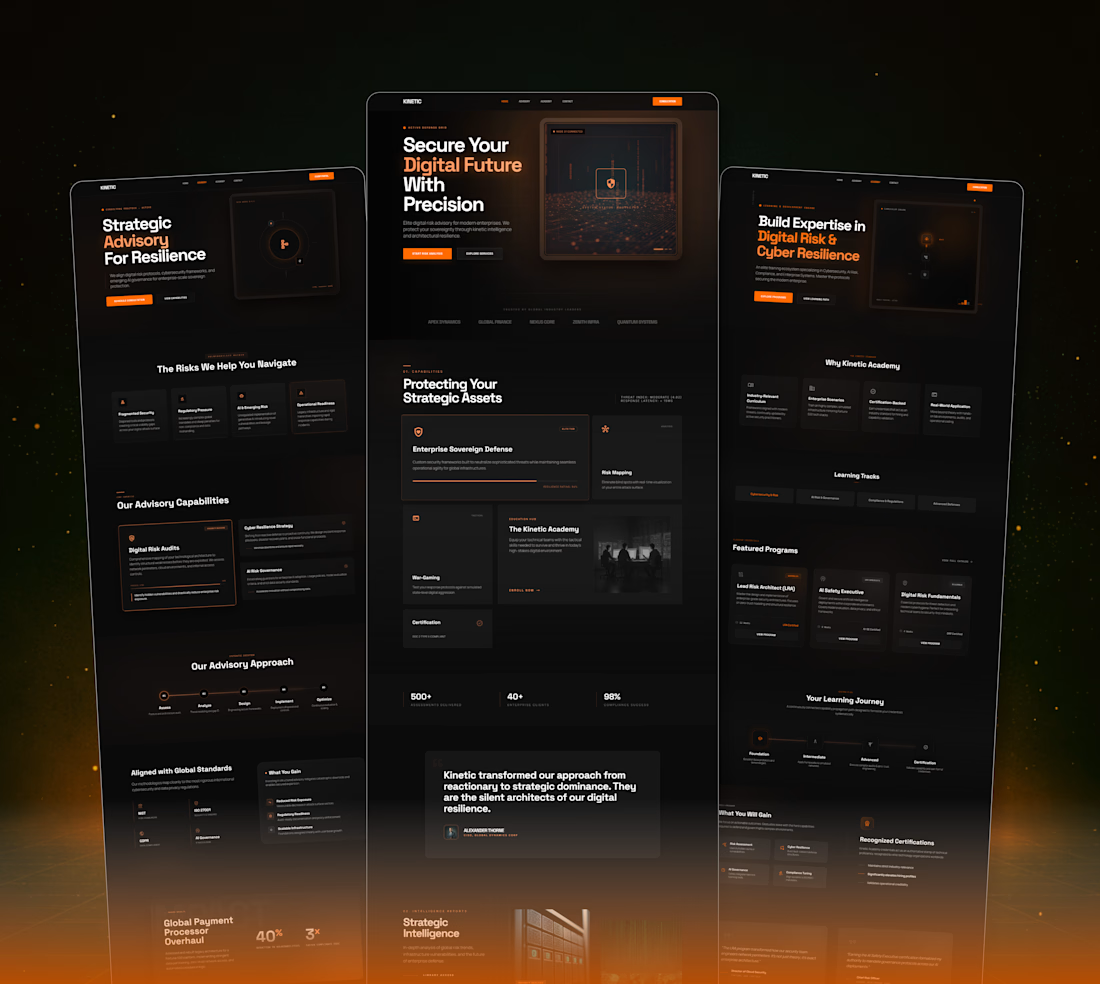
Designed a high-impact cybersecurity SaaS experience focused on translating complex, technical offerings into a clear, structured, and conversion-driven interface.
Leveraged a strong visual hierarchy, modular component system, and a refined dark UI with strategic orange accents to guide user attention, improve scannability, and reinforce a sense of trust and precision.
The outcome is a scalable, system-driven design that balances depth of information with clarity — enabling users to navigate, understand, and act with minimal friction.


Looks Good

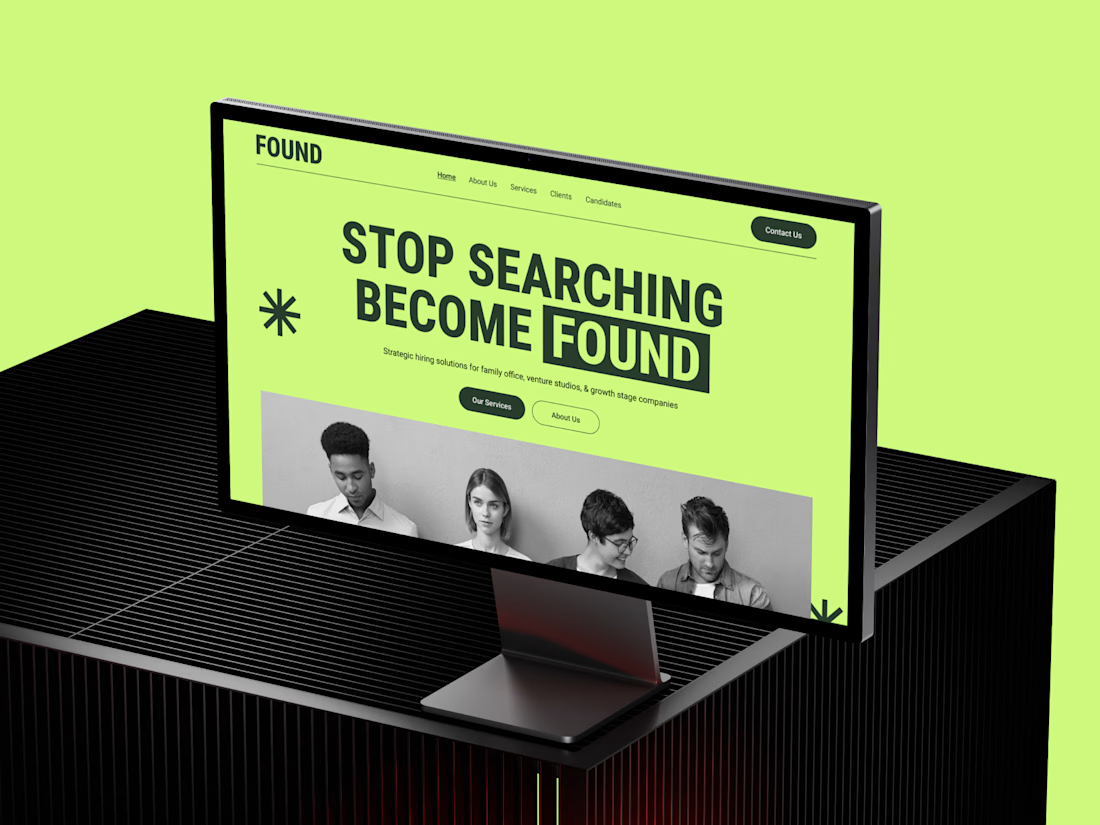
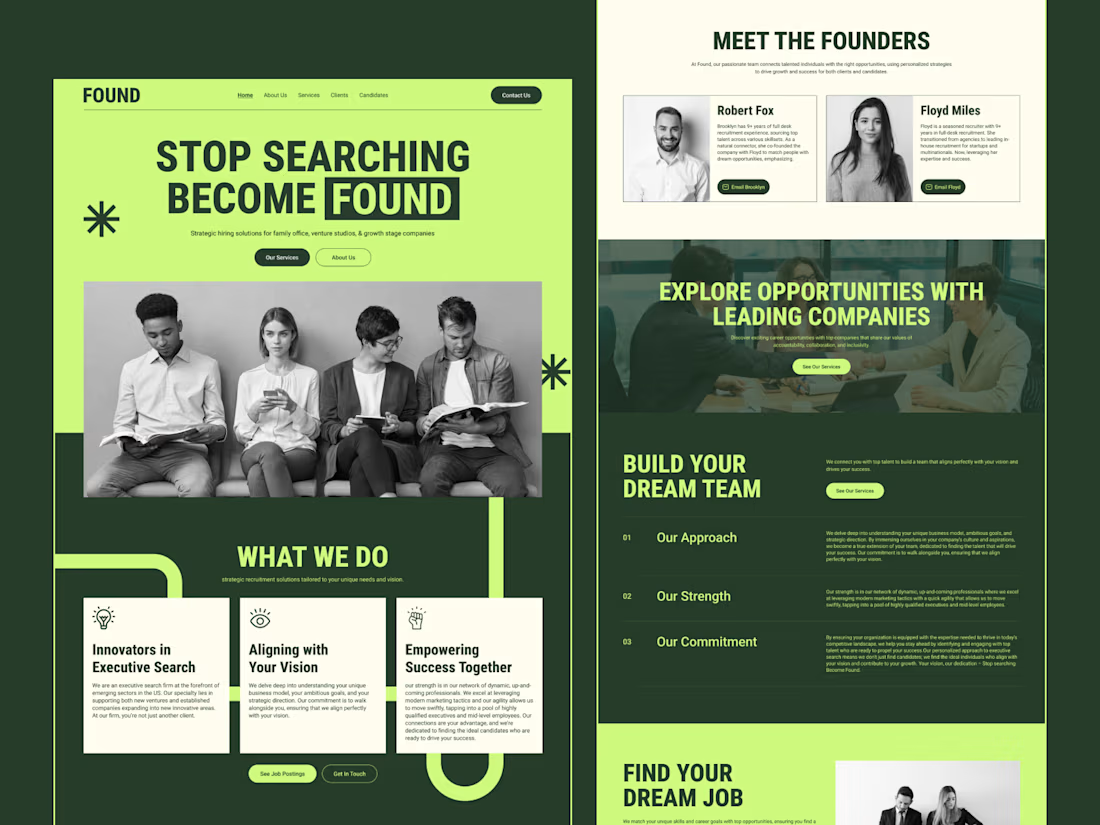
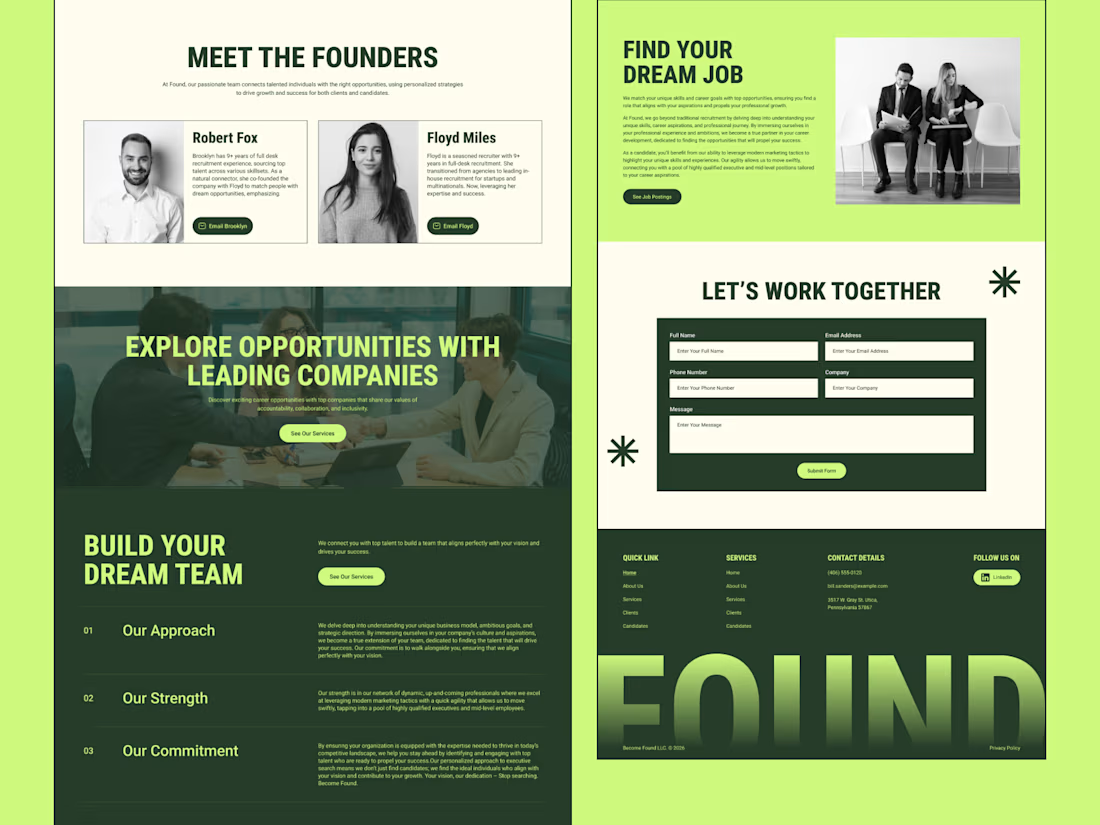
Make Talent Find You
A high-converting landing page crafted to turn attention into action.
From bold messaging to clean structure, every element is designed to guide users seamlessly.
Because great design doesn’t just look good it works.

Nice design
















Trending

Runway
AI video generation is exploding. What are you dreaming up in Runway?

Contra University
Learn from expert creatives how to earn more using next-gen AI tools.
creativeaiflow
Creative AI workflows are evolving. What tools do you use, and what are their strengths and weaknesses?
portfolioreview
The best portfolios tell a story, not just show a grid. Share yours for feedback.
freelancerlife
Freelancer life is wins, pivots, and everything in between. What’s yours right now?