The network for creativity
Join 1.25M professional creatives like you
Connect with clients, get discovered, and run your business 100% commission-free
Creatives on Contra have earned over $150M and we are just getting started
Back to feedPost

One of the harder problems in AI product design is the gap between what the AI can do and what users expect it to do. I've been thinking about this a lot while working on conversational commerce interfaces.
The challenge with AI chatbots for eCommerce isn't the intelligence — it's the interaction design. The difference between a product advisor that converts and one that gets dismissed comes down to a few specific things: how quickly it reaches a useful recommendation, whether the language feels human, and whether it asks one question at a time rather than presenting a wall of options at once.
My process starts in Figma, mapping out the conversation as a user journey rather than a technical flow. Each decision point in the chat isn't just a question — it represents a moment where the user either stays in the flow or disengages. I think carefully about what the user knows and what they're uncertain about at that exact moment in the browsing session, and design the agent prompt accordingly.
What I've found works consistently: establish context before asking anything. If the first message explains why the assistant is there and what kind of help it can offer, the user reads every subsequent question differently. That framing changes the entire interaction quality.
This design-first thinking also shaped how I approached the Askflow no-code builder. Campaigns are represented as visual nodes — conversation steps you can see, sequence, and rearrange — so marketers can think about the conversation logic without touching code. The goal was to put design control closer to the people who understand the customer.
If you're building anything with conversational AI, design the interaction model before you touch the tech layer. It's the part that's hardest to fix once you've shipped.


One question at a time, so true!
The network for creativity
Join 1.25M professional creatives like you
Connect with clients, get discovered, and run your business 100% commission-free
Creatives on Contra have earned over $150M and we are just getting started



Related posts

Working on a creative studio design website, which option looks better for the section "Works"?

11 voted
32%
23 voted
68%
34 votes
Closed

B for me. The staggered stack gives each project room and feels more editorial, while A's thumbnail strip reads more like a gallery viewer. Would B show project names on hover, or keep them fixed in the left column?

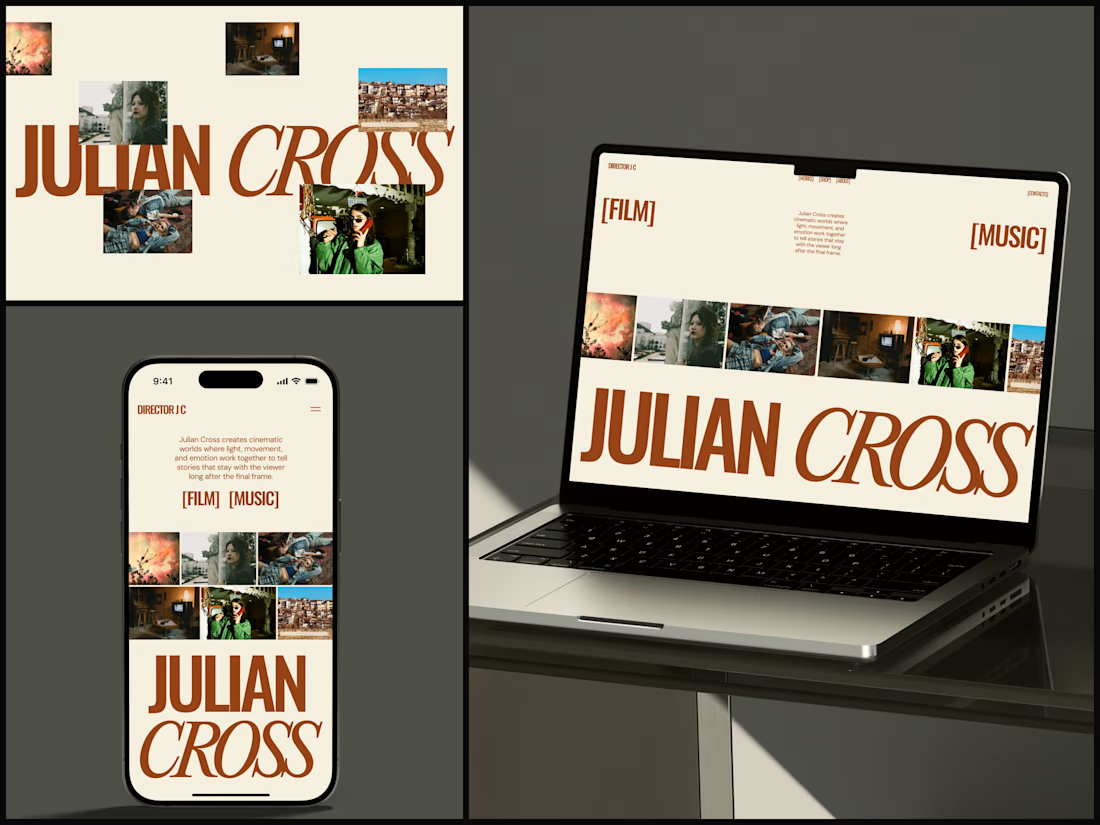
We design portfolio websites for directors and creative studios, built around the work itself.
Send me a link to your reel through "Message" on my profile.


Creative website

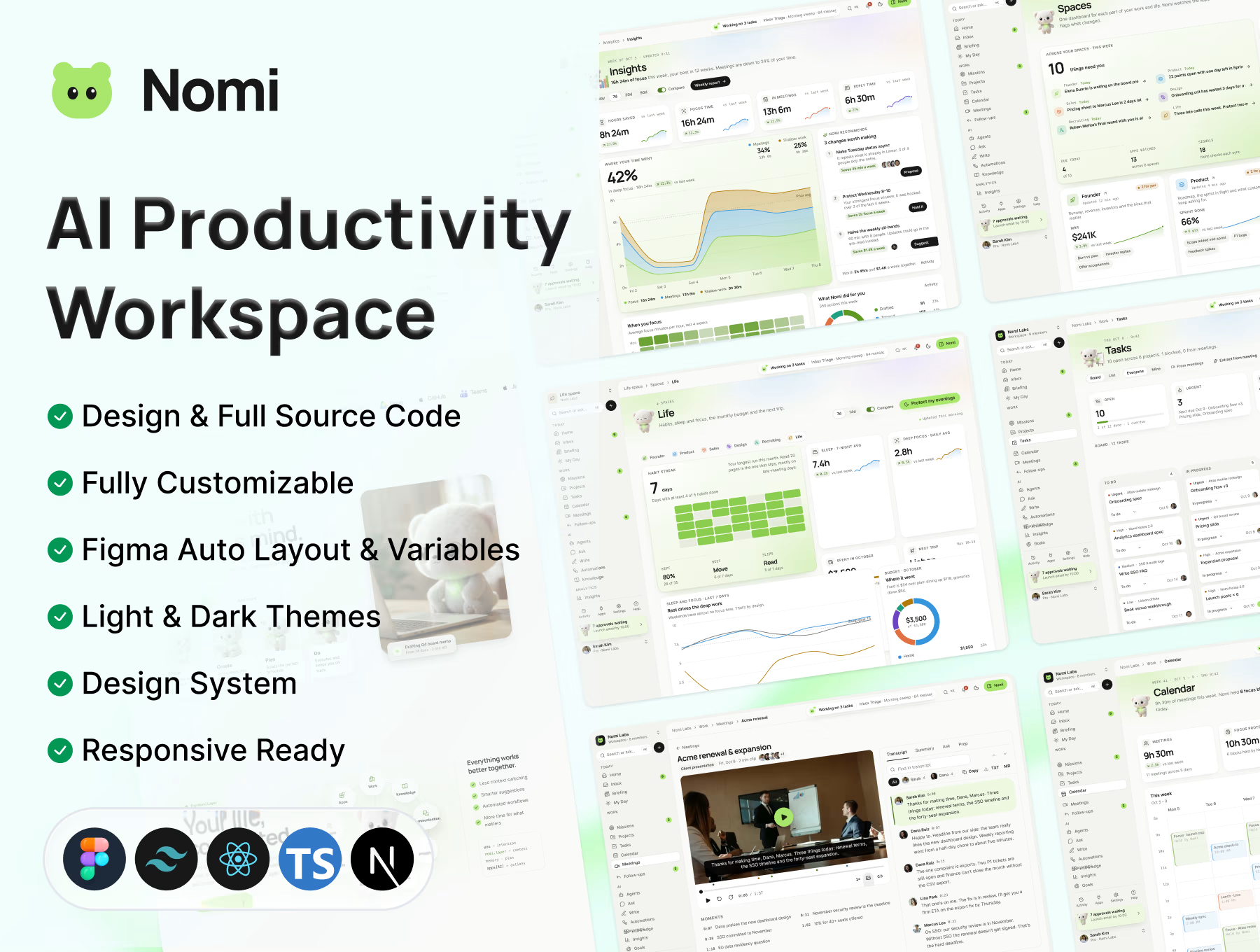
🐻 A little project I've been working on: Meet Nomi!
I've been spending quite some time designing and building Nomi, an AI productivity workspace, and I'm really excited to finally share it with you! ✨
The idea behind Nomi is simple: less busywork, more meaningful work. An AI assistant that helps manage your calendar, inbox, documents, and everyday tasks, while keeping you in control.
I wanted to make this more than just a landing page, so I built out the whole product experience, from the marketing website and onboarding to a fully featured web app.
A little peek at what's inside:
✨ 1,600+ Figma frames across the landing page, 35+ website pages, onboarding, and web app.
🎨 300+ components, 2,400+ variants, responsive layouts, and Light & Dark modes.
🤖 8 AI agents, smart inbox, AI chat, workflow builder, analytics, meetings, and more.
💻 Complete frontend source code built with Next.js 16, React 19, TypeScript, and Tailwind CSS v4.
I had a lot of fun putting all the details together, especially the little interactions and different product states. 🥹
Whether you're a designer looking for inspiration, a founder working on an AI SaaS idea, or a developer who wants a starting point, I hope Nomi can be useful to you!
I've made it available on Contra!
🐻 Check it out here:
https://contra.com/products/99SrqGms-nomi-ai-productivity-landing-page-and-web-app
Live demo: https://nomi-fawn.vercel.app/
Would love to hear what you think! Feel free to reach out if you have any questions, ideas, or just want to connect. Always happy to meet fellow designers and makers. 💛


Nice work!