The network for creativity
Join 1.25M professional creatives like you
Connect with clients, get discovered, and run your business 100% commission-free
Creatives on Contra have earned over $150M and we are just getting started
Back to feedPost


Flip is live at https://flip.pylondev.com
Available for free.
Try it out. Hope you find it useful.


So cool! Wishing you the best.

Amazing work!

Weldon!

Looks super cool Ali!! 🙌

What problem is Flip solving day to day? And what pushed you toward building it as a native macOS app rather than a web tool, was that a deliberate performance call or more about the type of workflow it fits into?

Shipping it free and installable is the right first move, the friction that kills small macOS tools is notarization and the Gatekeeper warning on first open. Worth confirming it is signed with a Developer ID and stapled, since an unstapled ticket still fails on a machine that is offline at launch.

Where did you do the motion and effects?

The network for creativity
Join 1.25M professional creatives like you
Connect with clients, get discovered, and run your business 100% commission-free
Creatives on Contra have earned over $150M and we are just getting started
Related posts


Really nice one, Max!

PYTHIA
An oracle network where every color, size, and motion on screen is a direct readout of a market’s live confidence, nothing decorative
Oracle live here
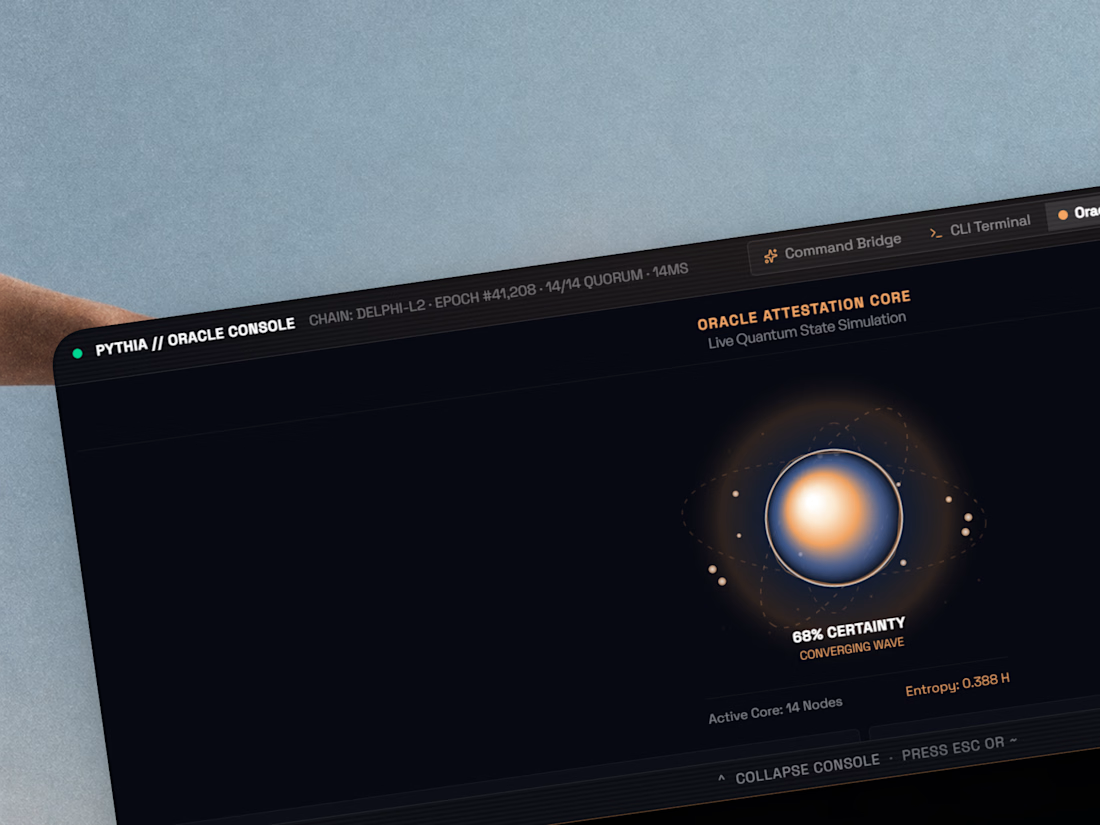
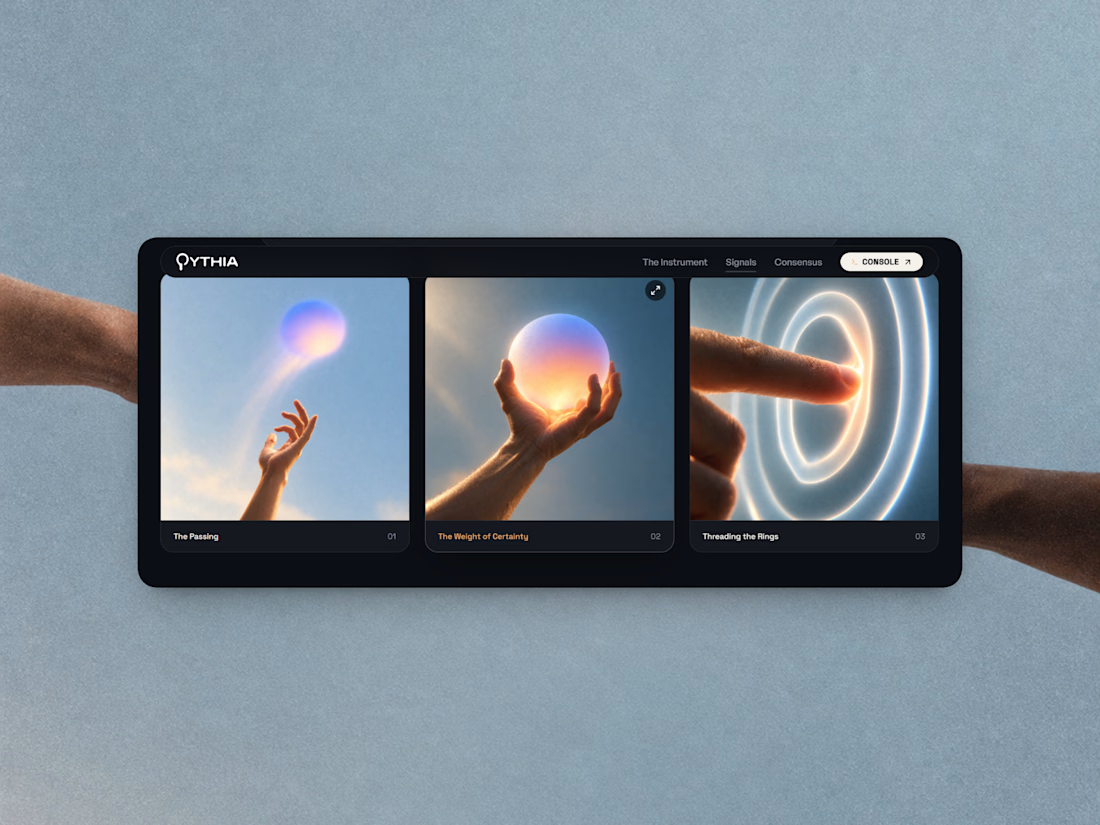

Simple, but really impactful.

We built a freight forwarder that doesn't exist. Then we made its website actually work.
Halyard is a concept project — no client, no brief. We wanted to see what happens when a corporate site stops describing its product and just runs it.
So on the site you can:
→ Hover a live route map — 16 real ports, containers moving along their trade lanes, each port showing its local time and weekly sailings.
→ Track a container — type a number and it's checked against the real ISO 6346 check digit. Mistype one and it suggests the correction. You get the vessel, voyage, arrival date and every milestone from booking to delivery.
→ Price a lane — Shanghai to Rotterdam, 40ft reefer, pick a weight. Out comes transit time, sea distance, an indicative rate range and that container's CO₂e.
Five pages, built in Framer. The route map, tracker, estimator, counters and clocks are custom React code components. Open roles on the Careers page come from the CMS.
The part we keep coming back to: most corporate sites make you book a call to see the product. This one hands it to you on the homepage.
Try it → halyard.site
Case study → Find more


