The network for creativity
Join 1.25M professional creatives like you
Connect with clients, get discovered, and run your business 100% commission-free
Creatives on Contra have earned over $150M and we are just getting started
Back to feedPost

Title & Overview
Project Title: AI-Driven Ad Creatives: Gemini vs. ChatGPT Performance Test
Role: Creative VA / Graphic Designer
Tools Used: Gemini (Imagen 3), ChatGPT (DALL-E 3), Canva
The Goal (The Challenge)
In modern e-commerce marketing, high-quality product photography is vital, but traditional studio shoots are expensive and take weeks to organize. As a Creative VA, my goal was to build a rapid, zero-cost workflow to generate high-end, scroll-stopping ad concepts using generative AI.
I set up a head-to-head split test using the exact same commercial prompt across two leading AI engines to determine which platform produces superior assets for conversion-focused Meta Ads.
🛠️ The Execution & Workflow
I engineered a highly detailed marketing prompt focusing on complex luxury textures, lighting, and reflections:
"Professional studio product photography of a premium glass perfume bottle resting on a block of raw pink Himalayan salt. Surrounded by floating water droplets and wild orchids. Dramatic luxury lighting, high-end e-commerce style, hyper-realistic, square aspect ratio, 1:1 format."
My Technical Adjustments:
Forced both platforms into a 1:1 square aspect ratio to maintain symmetry for ad placement.
Analyzed how each engine managed organic elements (orchids, salt rocks) versus synthetic structures (glass perfume bottles, text typography).
📊 The Results & Insights
I published the side-by-side comparison to my professional network to test real-world user engagement. The outputs revealed massive differences in platform logic:
Gemini (Imagen 3): Excelled at hyper-realistic editorial lighting, sharp background contrast, and crisp text rendering on the product label. Best for clean, high-impact catalog ads.
ChatGPT (DALL-E 3): Mastered atmospheric styling, producing a warm, cinematic lifestyle glow and highly intricate glass detailing. Best for emotional, narrative-driven social feeds.
By mastering these specific AI engines, I cut down visual production timelines from days to minutes.
This allows my clients to rapidly A/B test premium ad variations on Meta without burning through their photography budgets.


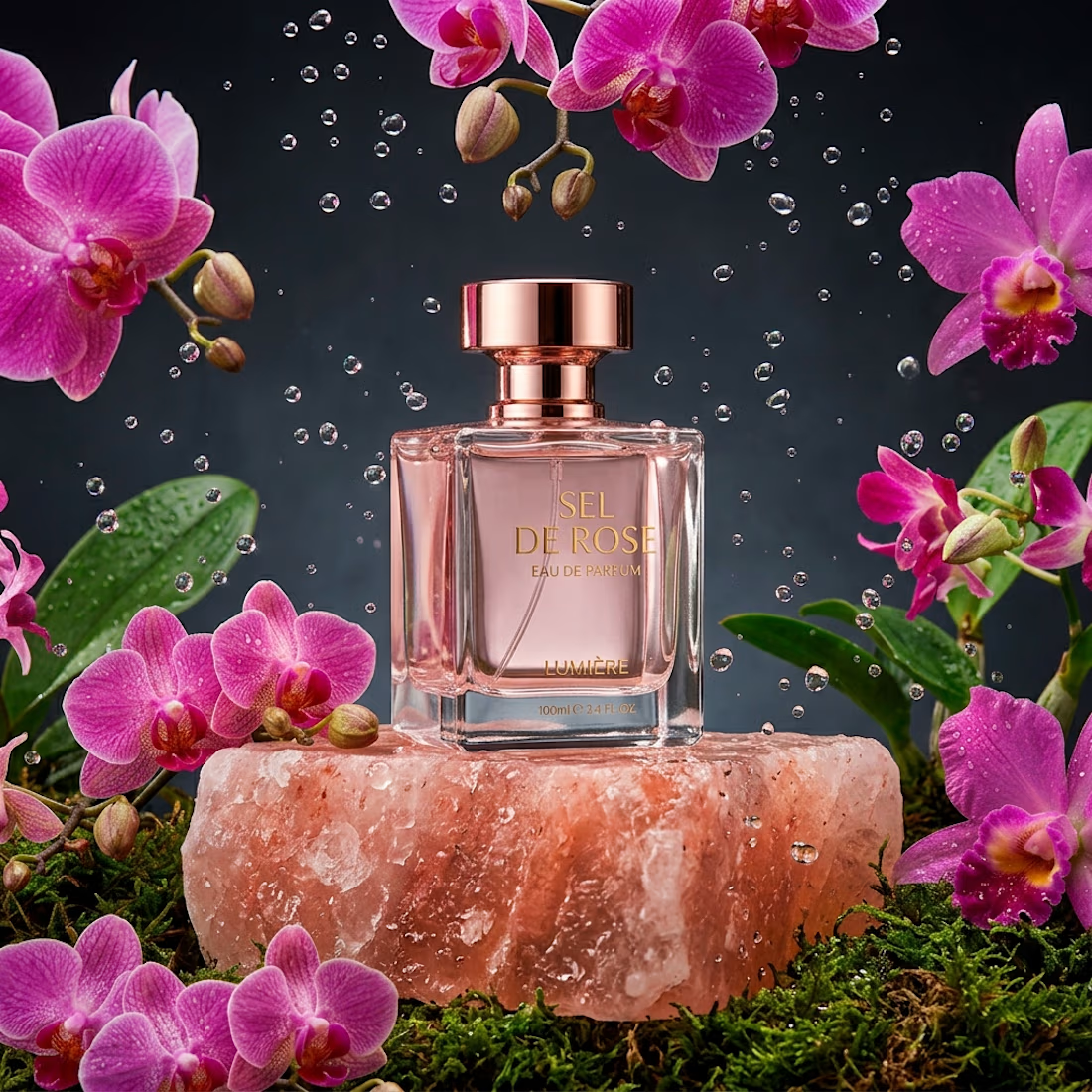


great use of AI for faster ad testing. 👏
Thank you
The network for creativity
Join 1.25M professional creatives like you
Connect with clients, get discovered, and run your business 100% commission-free
Creatives on Contra have earned over $150M and we are just getting started








Related posts

I’ve been working on a bold, modern-retro logotype and can’t decide between these two options.
🆘 Which one feels more aesthetically pleasing to you?

11 voted
26%
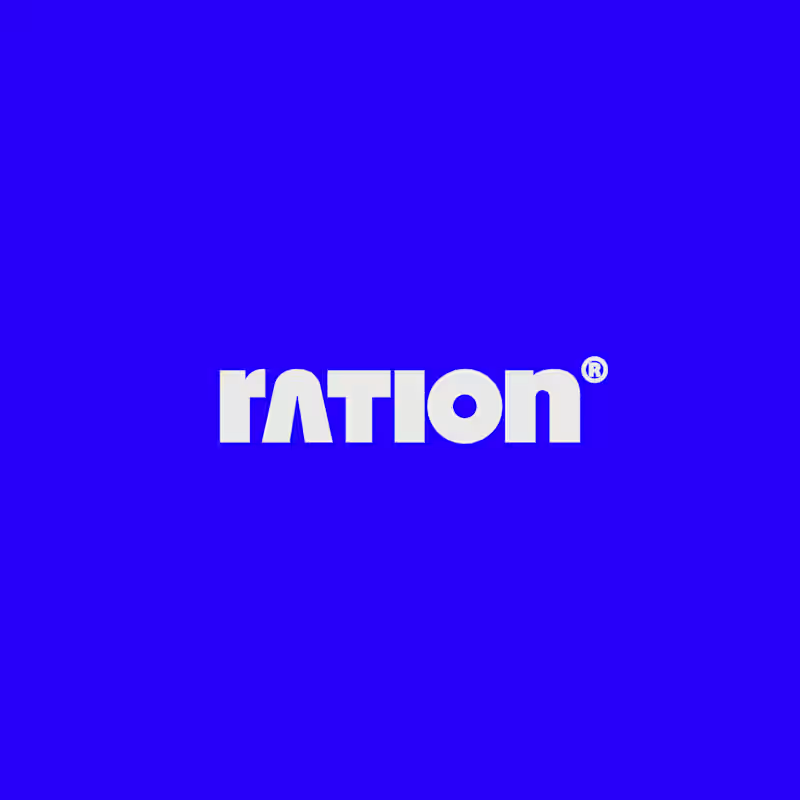
31 voted
74%
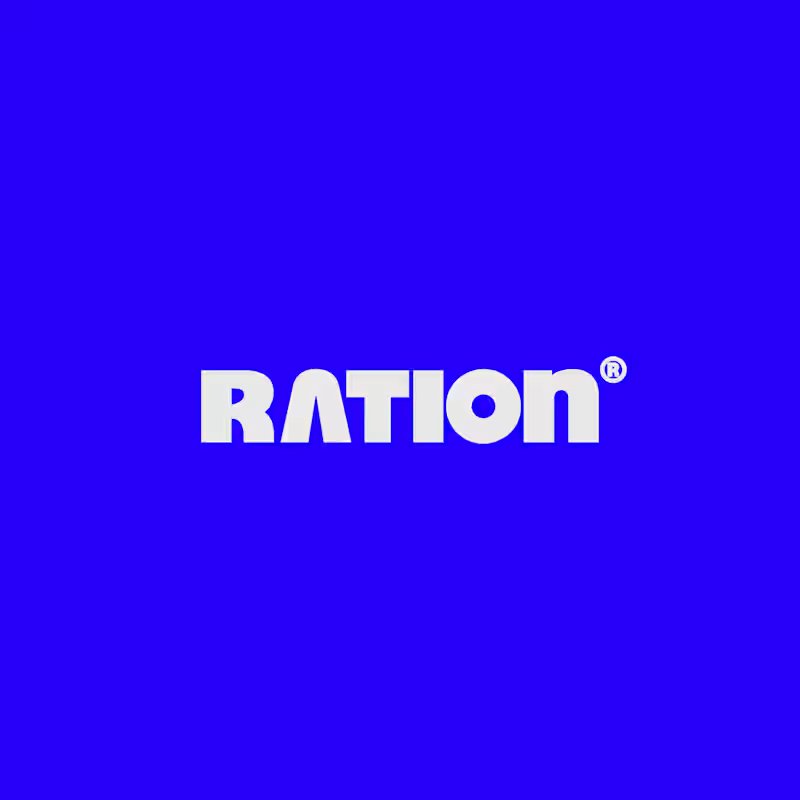
42 votes
Closed

CAPITAL is great but SMALL is unique great job Nawras 🔥🔥

✨Two creative directions. One product.
Which AI-generated visual do you love more Version 1 or Version 2?
Your opinion matters! Let me know your favorite in the comments👇🏻
2 voted
40%
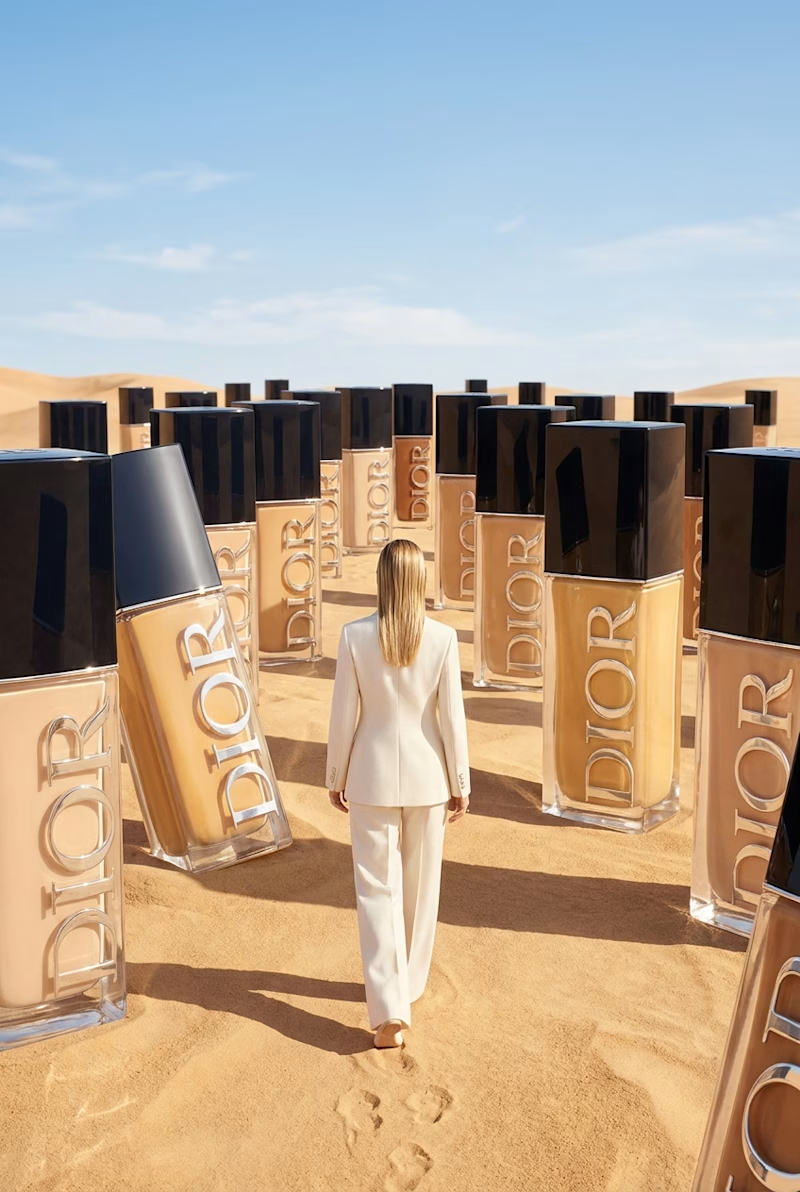
3 voted
60%
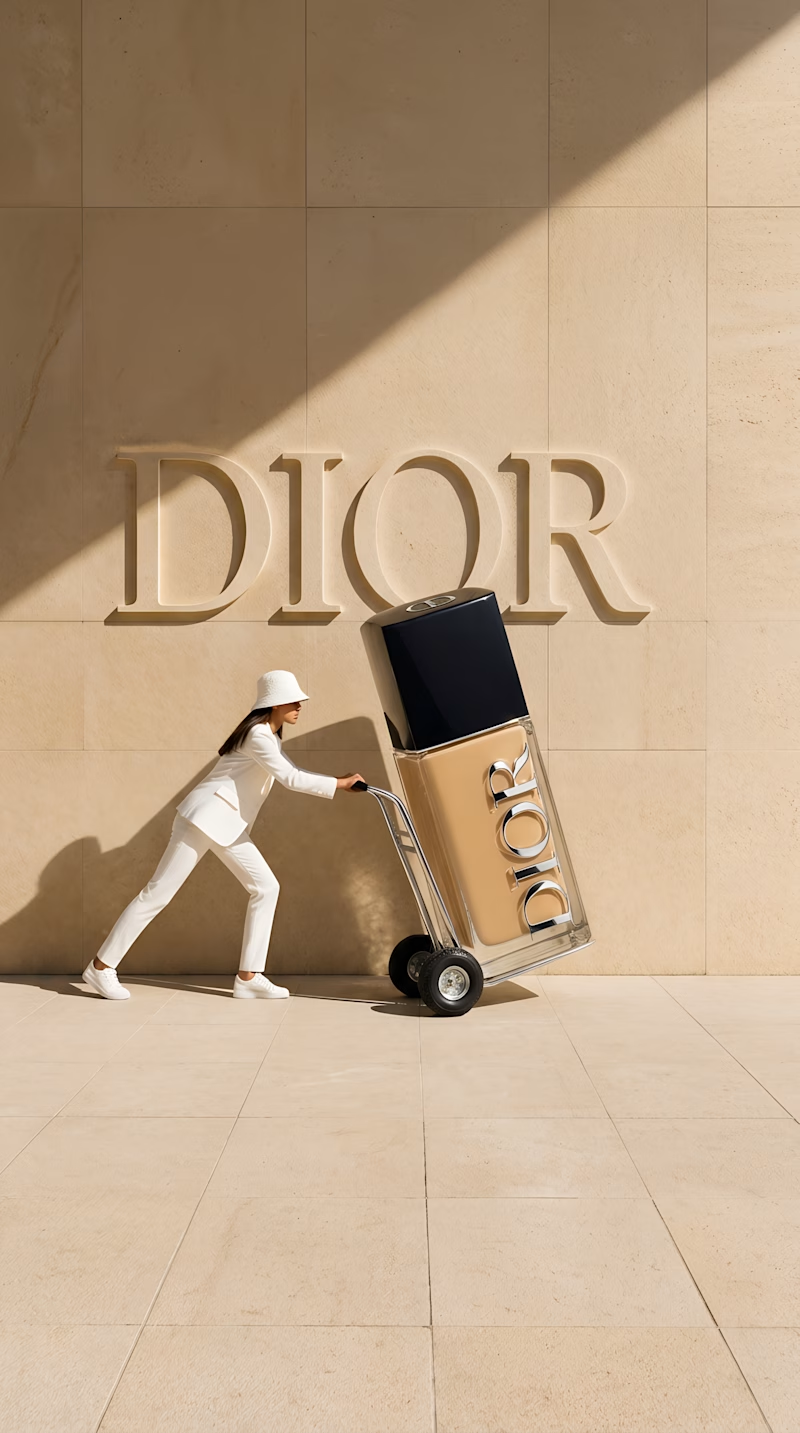
5 votes
Closed
Version 1 is really stunning great job Mary 🎉🎉🔥🔥

An AI content bot for IspFlow. It writes posts from live product numbers and Nigerian/Kenyan trends, designs X cards and TikTok videos in five rotating looks from a library of real app screens, adds voice, captions and sound, and sends each draft to Telegram for one-tap approval. It learns from what gets approved or skipped.

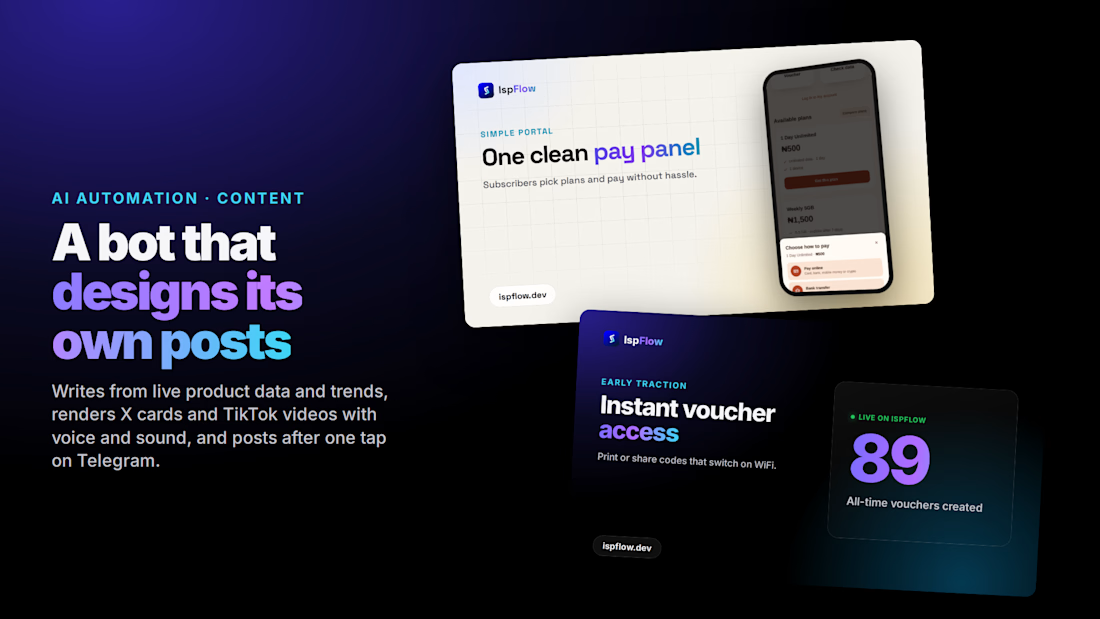

I'd separate a timing skip from a content rejection in that learning loop. Does Telegram capture why a draft was skipped, so an otherwise good format doesn't get penalized just because it wasn't the right day to publish?