The network for creativity
Join 1.25M professional creatives like you
Connect with clients, get discovered, and run your business 100% commission-free
Creatives on Contra have earned over $150M and we are just getting started
Back to feedPost

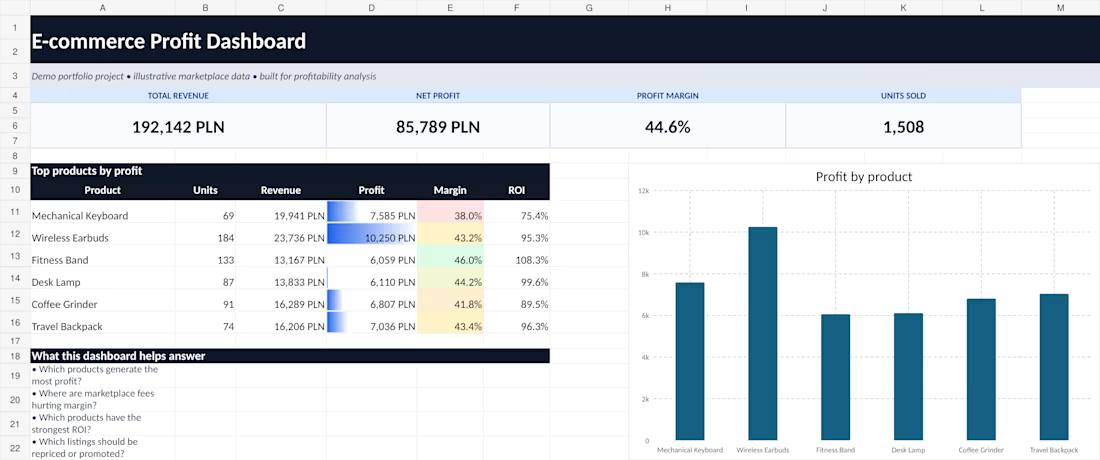
E-commerce Profit Dashboard created as a portfolio demo project.
The dashboard is designed to help online sellers quickly understand product profitability, margins, ROI and marketplace performance.
It includes:
revenue and net profit tracking,
profit margin analysis,
ROI calculation,
marketplace fee impact,
product-level profitability,
visual ranking of the most profitable products,
clear insights for pricing and promotion decisions.
The project was built using illustrative marketplace data to demonstrate how I structure e-commerce analysis and turn raw sales data into actionable business insights.
Tools: Excel, data analysis, profitability modeling, dashboard design.

The network for creativity
Join 1.25M professional creatives like you
Connect with clients, get discovered, and run your business 100% commission-free
Creatives on Contra have earned over $150M and we are just getting started






Related posts

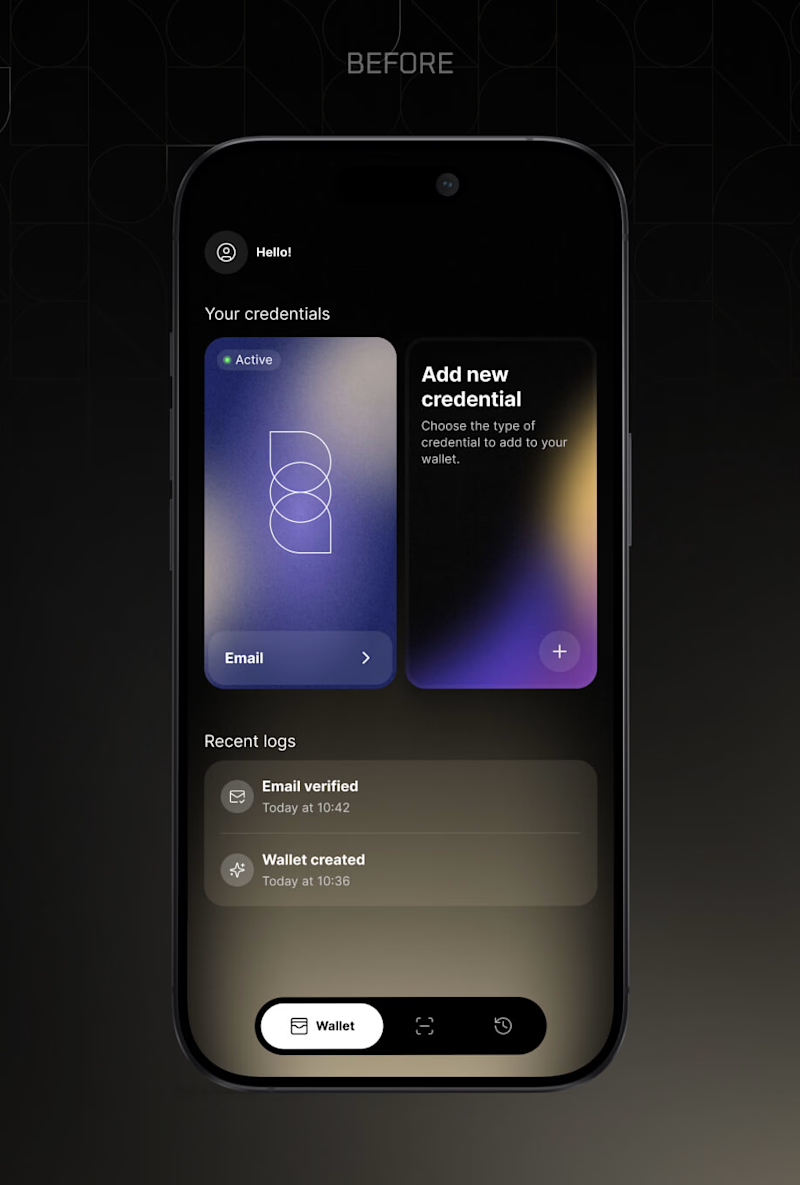
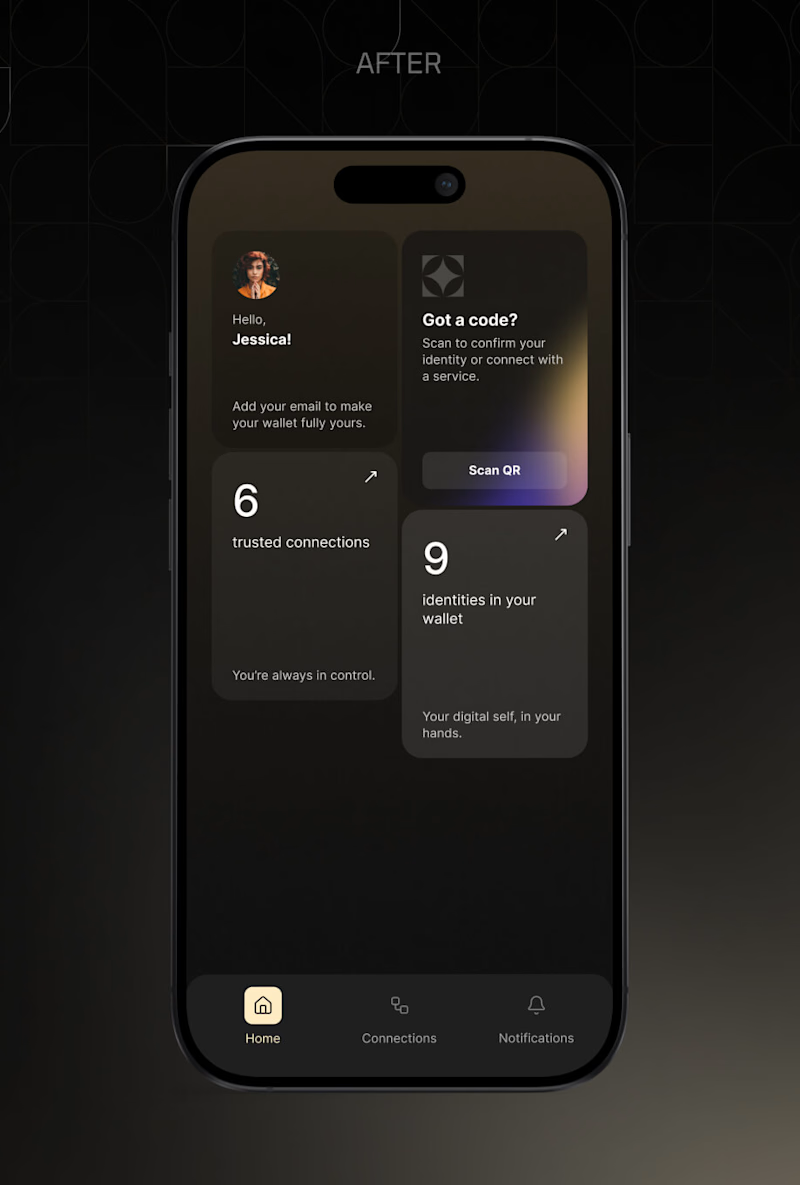
Two home screens for the same digital identity wallet, before and after the alongID brand styleguide.
The old one showed your actual credentials. You saw the card, you tapped it, done. It also showed a log of what just happened.
The new one replaced the cards with counts, 9 identities and 6 trusted connections, and moved Scan QR to the top, because scanning a code is what people open this app to do.
That is the real trade, and I still argue with myself about it. Cards you can touch, or numbers plus the primary action first.
You are opening this app for the tenth time this month. Which home screen do you want?
Vote below. I will post the reasoning behind the decision either way.
11 voted
92%
1 voted
8%
12 votes
Closed

The new version does a better job of prioritizing the main job people open the app for. Scan QR is immediately visible, the hierarchy is cleaner, and the dashboard gives a quick sense of what exists in the wallet.
But the old version has one UX advantage I would not completely...

Cybersecurity tools can feel overwhelming for small teams.
Shielda explores a cleaner dashboard experience that helps businesses monitor their digital footprint across domains, email, and social channels.
The interface surfaces password leaks, phishing clones, suspicious mentions, and brand abuse through a clear Security Score, compact threat cards, severity tags, and AI-powered summaries.
Instead of forcing users to interpret complex security data, Shielda helps them understand what happened, how serious it is, and what to do next.


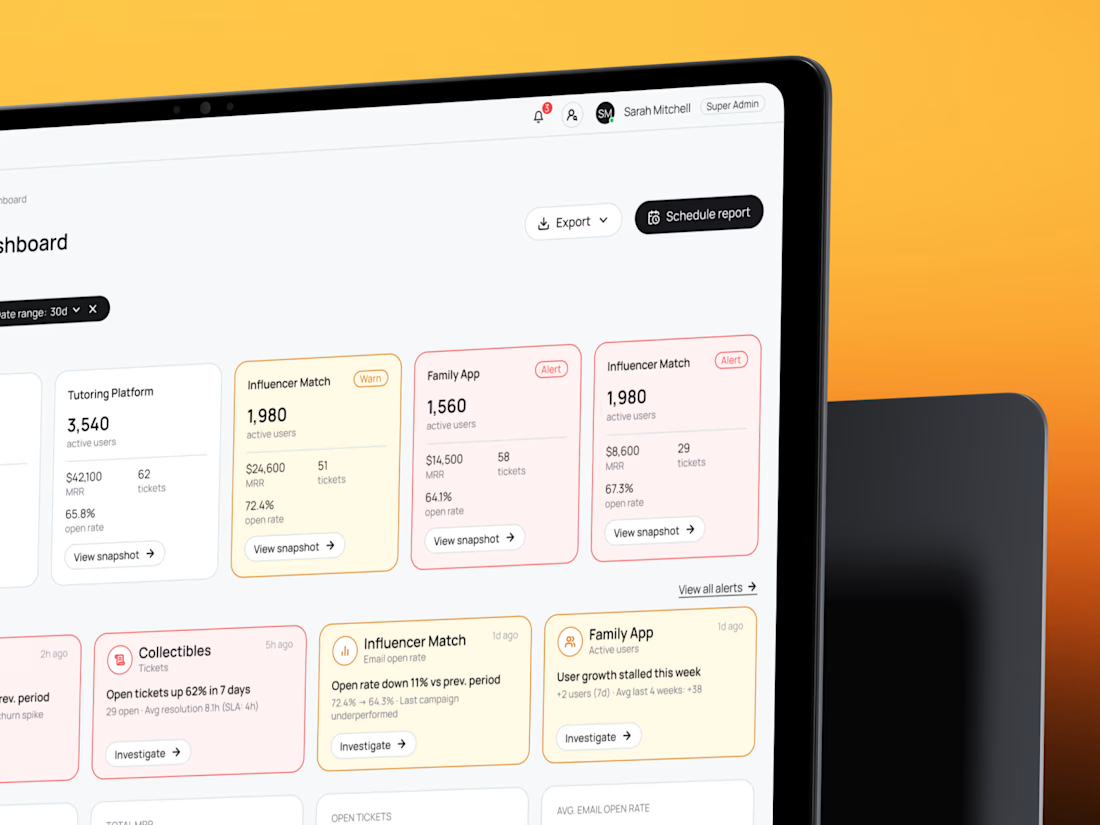
See how five products fit on one screen — B2B SaaS CRM dashboard and admin panel UX/UI🧡 Share your thoughts!

I bet it was a complicated task - to add 5 different products, but you did great!