The network for creativity
Join 1.25M professional creatives like you
Connect with clients, get discovered, and run your business 100% commission-free
Creatives on Contra have earned over $150M and we are just getting started
Back to feedPost


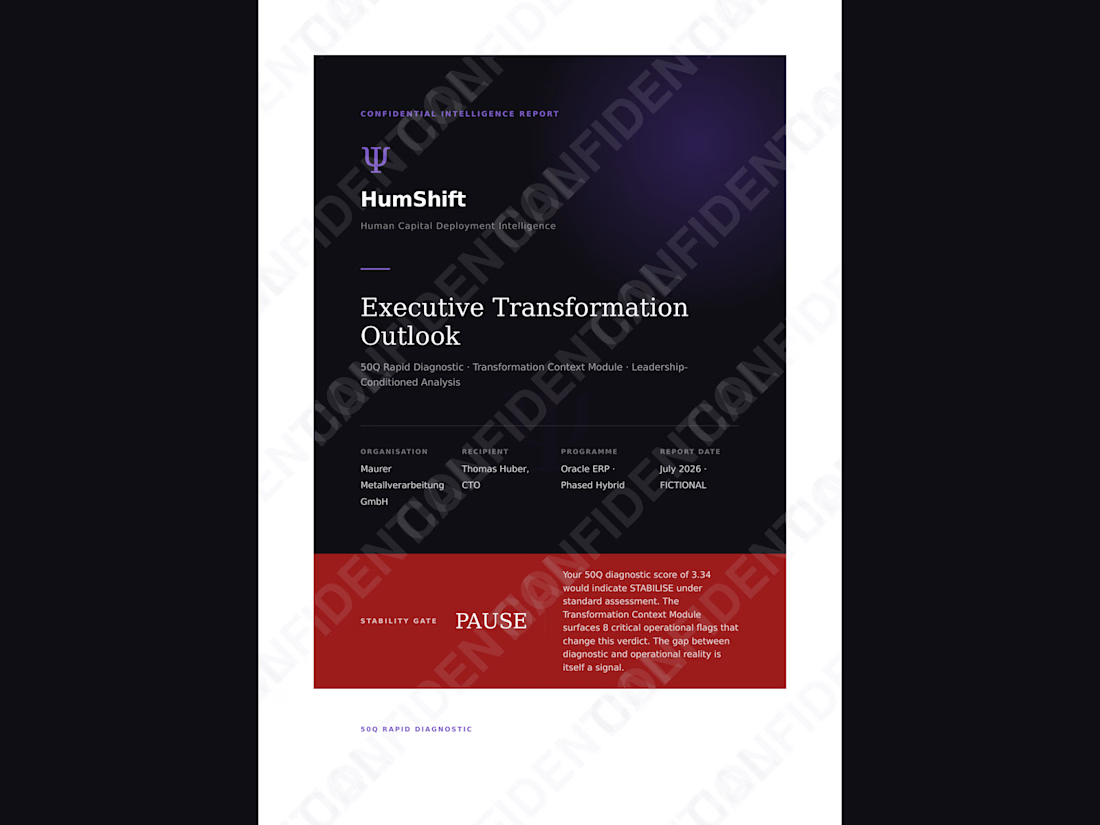
Report 1 — ETI Report The intelligence report that tells you whether your ERP transformation will actually succeed — before go-live, not after.
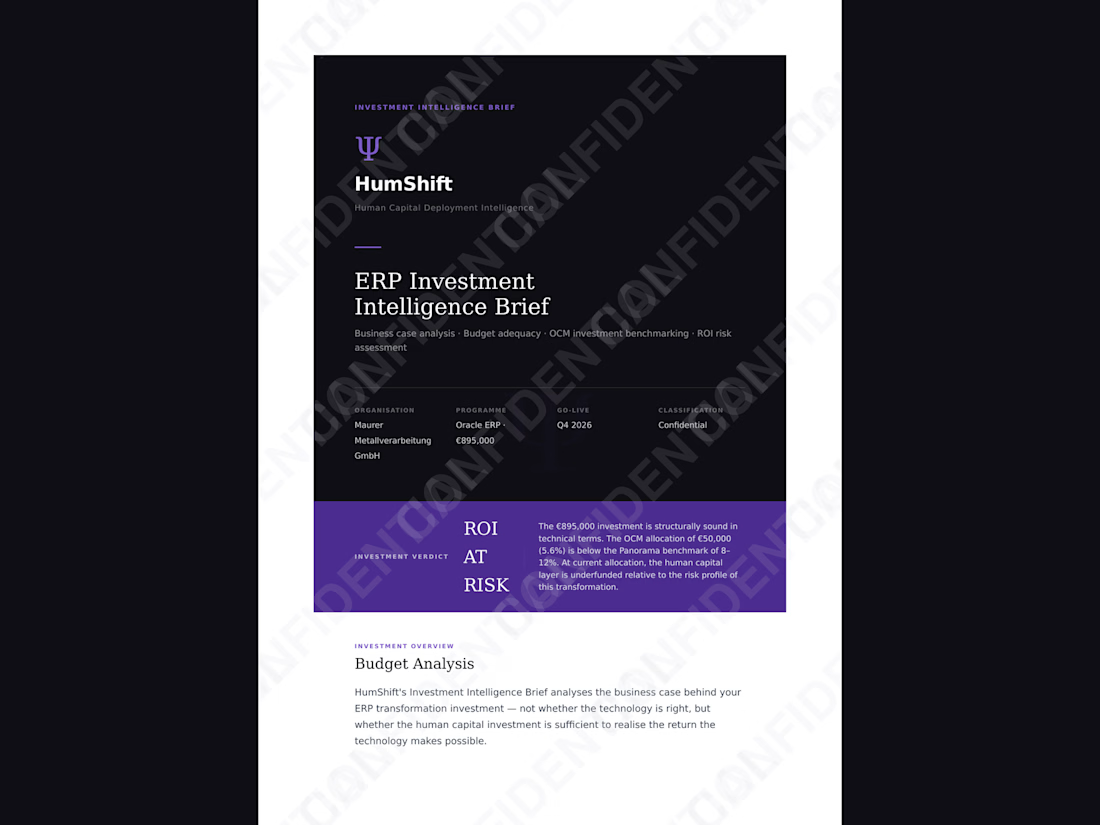
Report 2 — Investment Intelligence Brief Is your €895,000 ERP investment structured to deliver the system or structured to deliver the outcome? They are not the same thing.
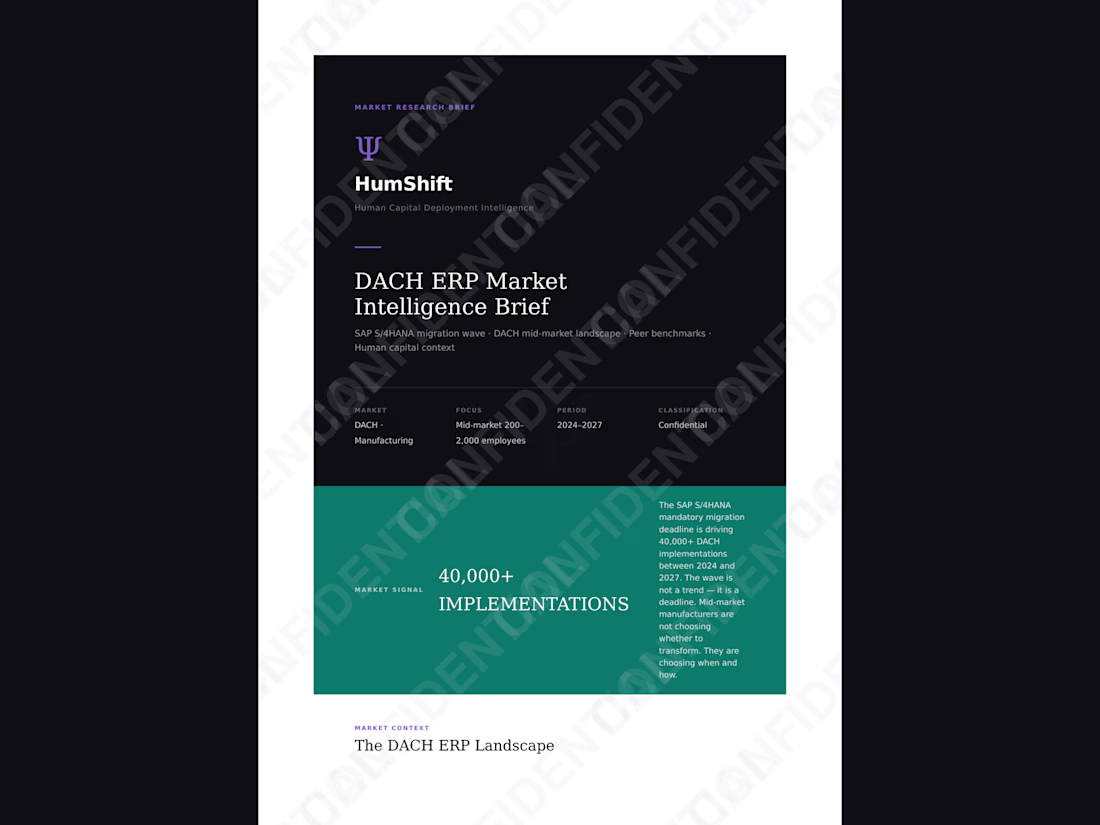
Report 3 — DACH Market Research Brief 40,000+ ERP implementations. One deadline. What every DACH mid-market leader needs to know before they start.
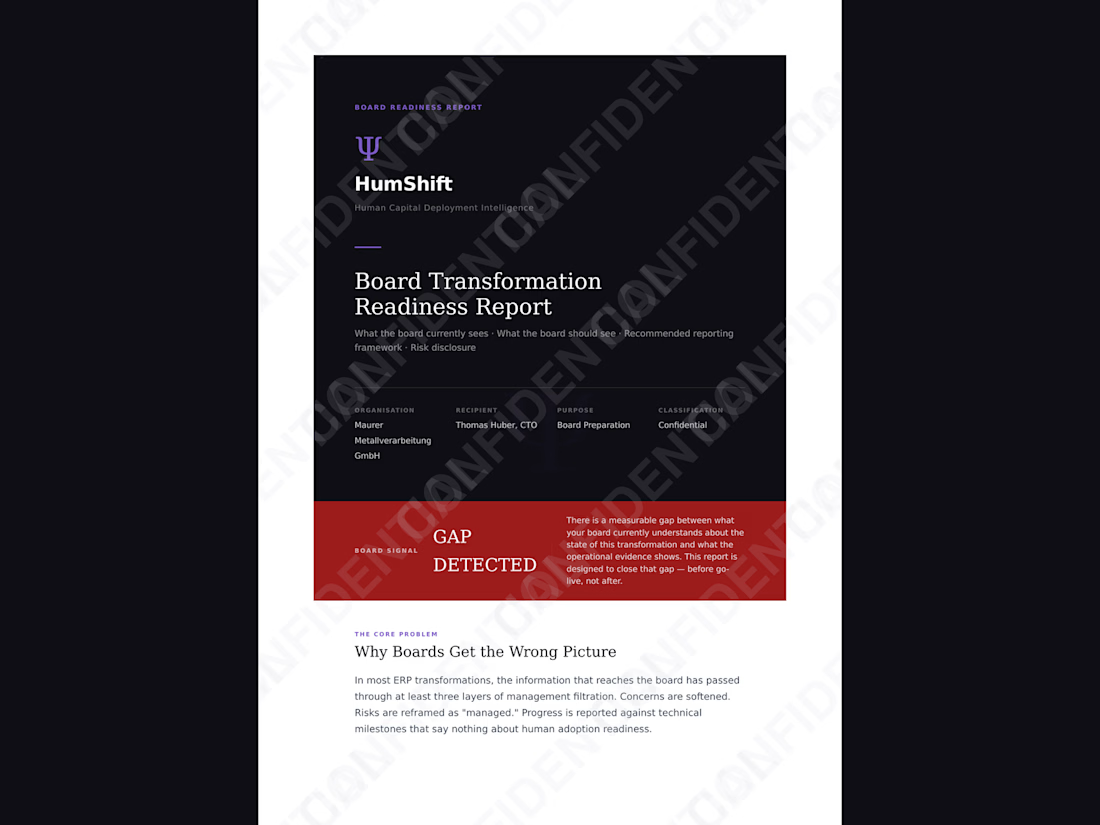
Report 4 — Board Readiness Report What your board currently believes about your transformation — and what the evidence actually shows.


The network for creativity
Join 1.25M professional creatives like you
Connect with clients, get discovered, and run your business 100% commission-free
Creatives on Contra have earned over $150M and we are just getting started

Challenges
View all


Related posts

Added a MacBook mockup to the Vision Engine hero section, and it’s looking really good! ✨
Small detail, big impact. Love how much more polished the hero feels now :)
⬇️ What would you rate it ? /10


great...💯

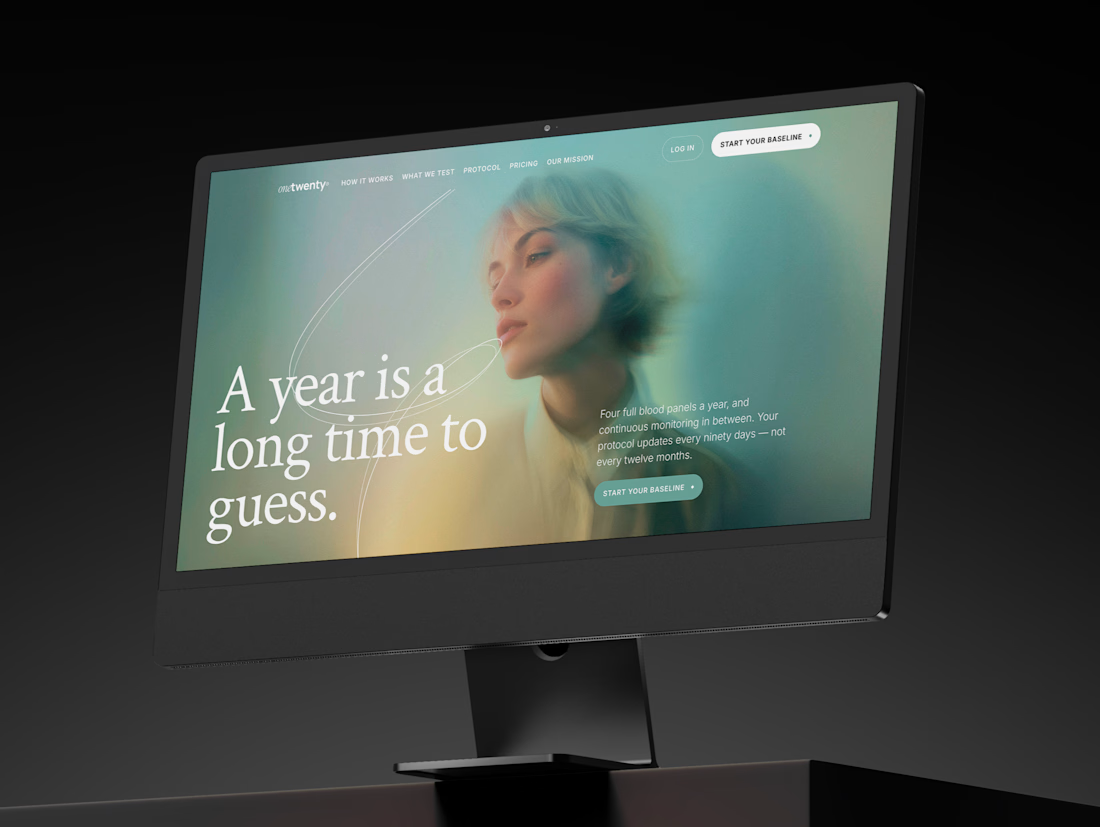
A longevity startup asked me to design the first ten seconds of their site — header, hero, one section beneath it.
I spent the first day not designing.
Reading their live site, their beta checkout and their product, three things came out:
Their checkout explained the membership better than their entire marketing site. The clearest writing they owned was sitting behind the purchase, where only people who had already decided to buy would ever read it.
Three testing frequencies, three biomarker counts, five names for the same button. I wrote those down as separate errors. They were one: nothing had been written down defining what the company says, so every page invented its own numbers.
And their two biggest competitors opened with the same hero — cinematic portrait, HSA/FSA badge, row of stats. The same one, three times over.
So the exploration became two directions that genuinely disagree about where the first ten seconds should start. One opens with the mechanism and proves it with real product interface. The other opens inside the reader's own doubt and earns the mechanism afterwards.
Both use nearly identical copy, on purpose. If two directions differ in words and type and colour and pace, nobody in the room can tell which variable earned their reaction.
↓ Full case study — decisions, both directions, and what didn't work

Promotional ads for website or apps

Custom component for the Forja website
The cards animate on horizontal scroll with a flashlight effect and revealing text
What do you think?

The flashlight reveal effect on scroll is so satisfying. Custom components like this really elevate what Framer can do.