The network for creativity
Join 1.25M professional creatives like you
Connect with clients, get discovered, and run your business 100% commission-free
Creatives on Contra have earned over $150M and we are just getting started
Back to feedPost


I’ve been thinking about why I choose to focus on building for startups.
It’s not because startups are easier.
In fact, they can be some of the hardest products to work on.
You’re often working with limited resources, incomplete information, changing requirements and a founder who is still figuring things out.
But that’s exactly what I enjoy.
I like building when the answer isn’t obvious.
My biggest advantage is that I don’t just design products.
I design them and I can build them too.
I work across UI/UX, product design, web design, Framer, Webflow, WordPress, React/Next.js and AI-assisted development with tools like Claude Design and Claude Code.
That changes how I approach startup projects.
I can go from:
Idea → Product strategy → UX → UI → Prototype → Code → Launch → Iterate.
I understand what it takes to make an interface look good, but I also understand what it takes to turn that interface into a working product.
And working with startups gives me the opportunity to do both.
I get to ask:
→ What problem are we actually solving?
→ What should we build first?
→ What can we remove?
→ How do we validate the idea quickly?
→ How do we make the product easy to understand?
→ How do we get something real into users’ hands?
Because sometimes the best design decision isn't another beautiful screen.
It's shipping.
A better onboarding flow can improve activation.
A clearer landing page can increase conversion.
A thoughtful product experience can help a startup get its first customers.
And sometimes, being able to design and build a feature yourself means you can test an idea in days instead of waiting weeks.
That’s what excites me about startups.
I’m not interested in just handing over designs.
I want to be part of the building process.
I want to help turn ideas into products people can actually use.
That’s why I choose startups.
Design + Development + AI + Product Thinking.
That’s the intersection I want to keep building in.
The network for creativity
Join 1.25M professional creatives like you
Connect with clients, get discovered, and run your business 100% commission-free
Creatives on Contra have earned over $150M and we are just getting started
Related posts

AI Fashion Shopping & Outfit Recommendation Platform
Designed a modern AI-powered fashion shopping platform that helps users discover personalized outfits and shop smarter.
The concept combines AI-driven outfit recommendations, style matching, virtual outfit previews, and a personalized wardrobe experience in a clean, premium interface.


Nice work

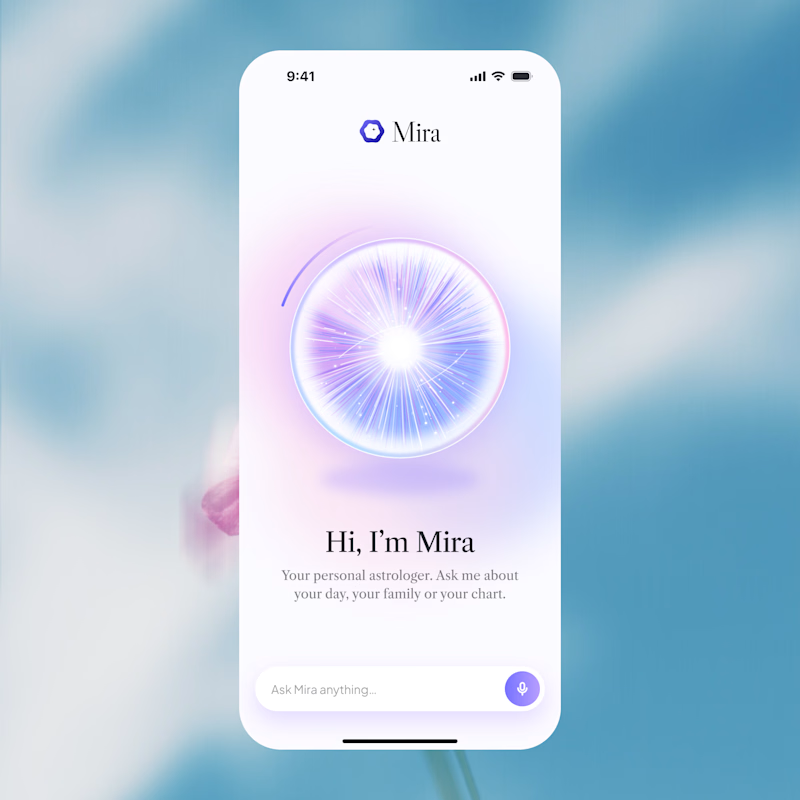
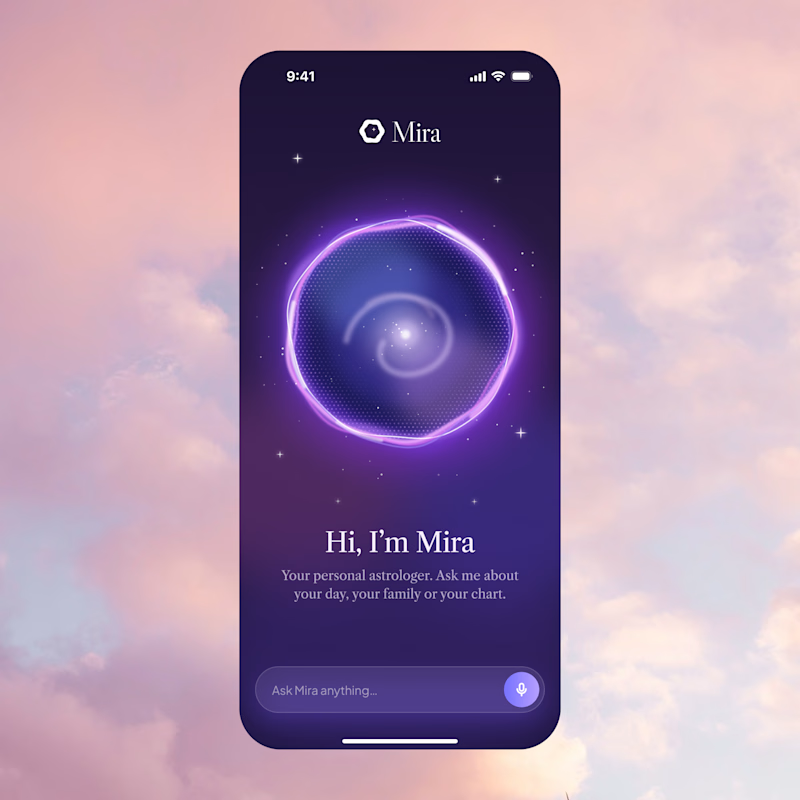
Two directions for Mira, an AI astrologer you talk to by voice.
Only one made it past the client. Which one would you ship, and why?
12 voted
75%
4 voted
25%
16 votes
Closed

A is better if you can make a dark version of it thats incredible

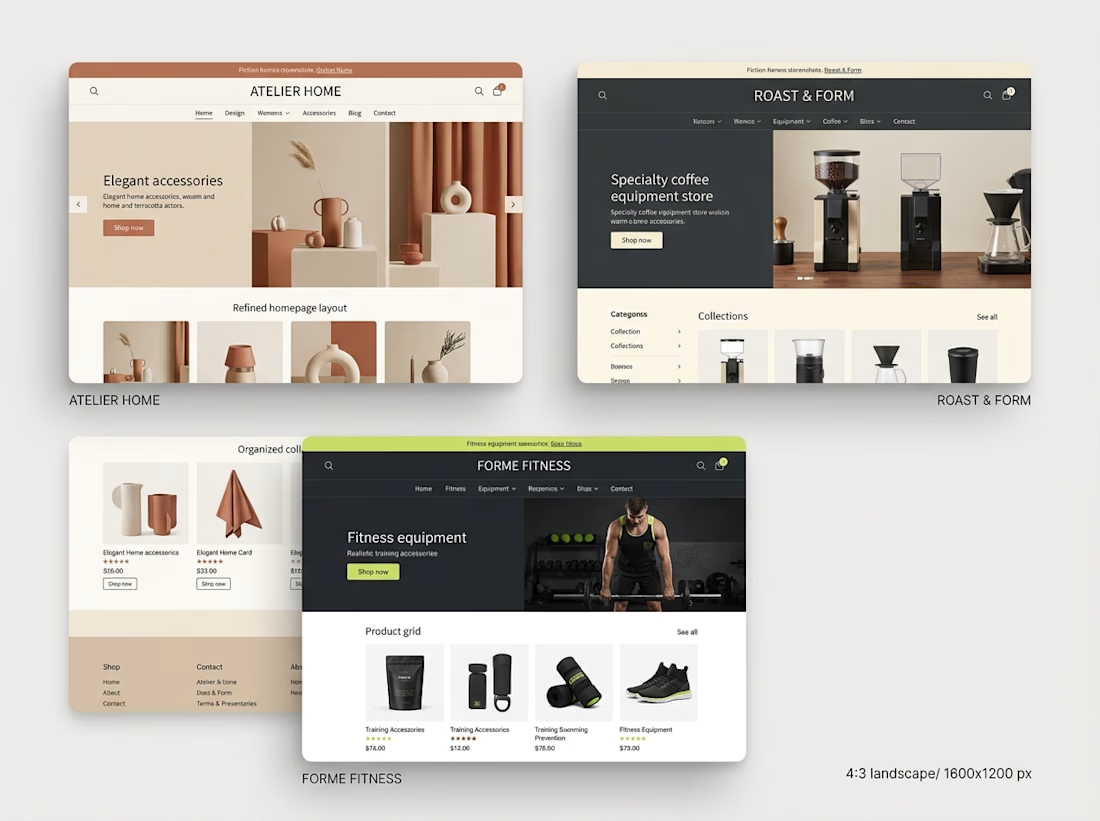
Over the past month, I've been spending more time exploring Shopify store design and thinking about what makes an online store work well.
One thing that stands out to me is that good e-commerce design involves much more than appearance.
I've been paying closer attention to:
→ How a homepage guides visitors
→ How product pages present important information
→ How collections help customers discover products
→ How navigation affects the shopping experience
→ How a store adapts to mobile screens
→ How consistent design builds a stronger brand experience
I'm also learning to think more carefully about the purpose behind each section instead of designing just because something looks good.
Every page should have a reason to exist, and every design decision should contribute to the overall experience.
I still have more to learn and improve, but each project gives me another opportunity to practice, experiment, and develop my approach.
My biggest takeaway so far: good Shopify design brings visual presentation, usability, and the customer's journey together.
What's one thing you believe every e-commerce designer should understand?



Understanding customer behavior is key to creating better shopping experiences. 👏