Aria Kuunvaara
Creative writer & storyteller for articles and long-form.


Independence Day Performance
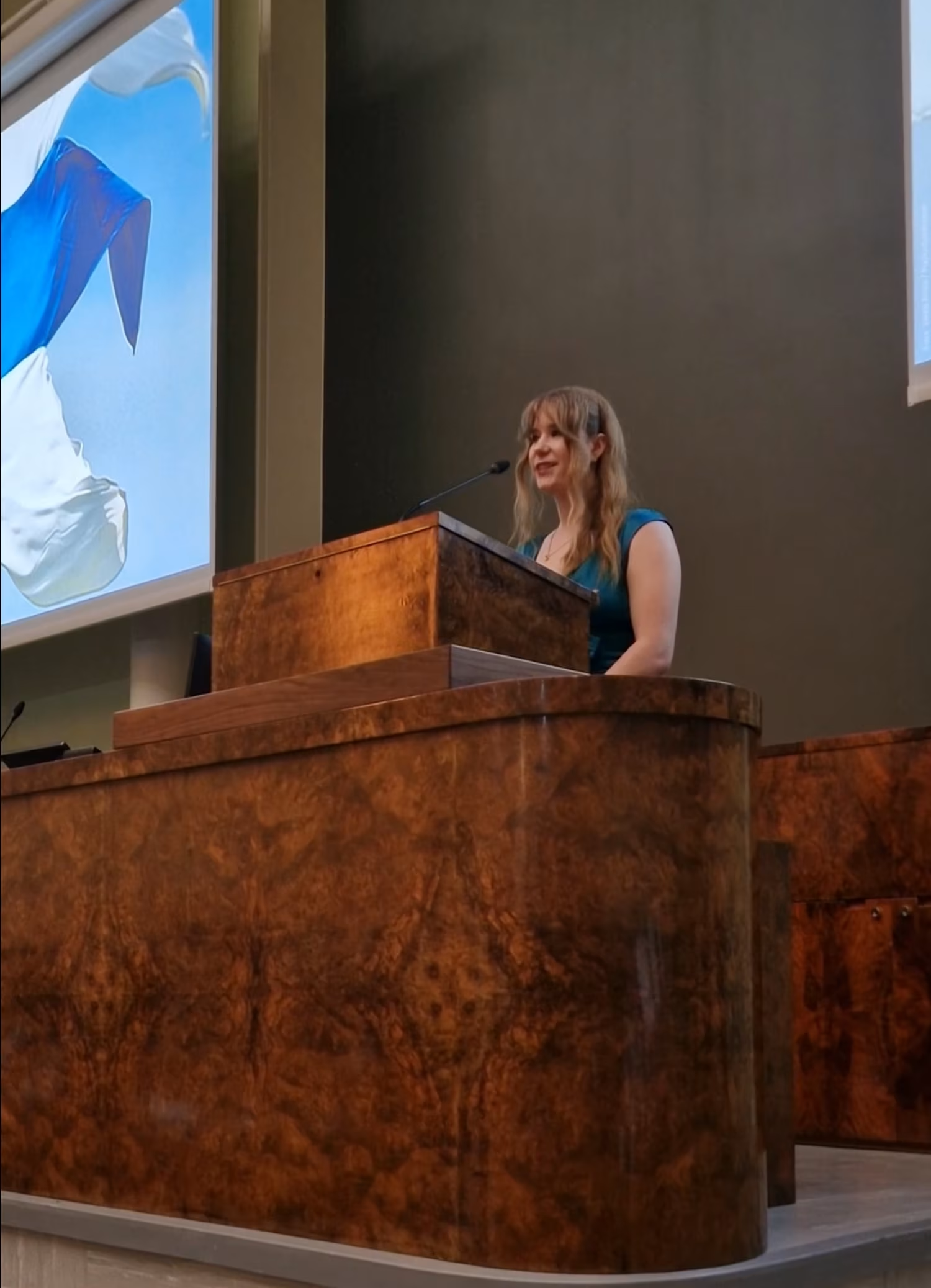
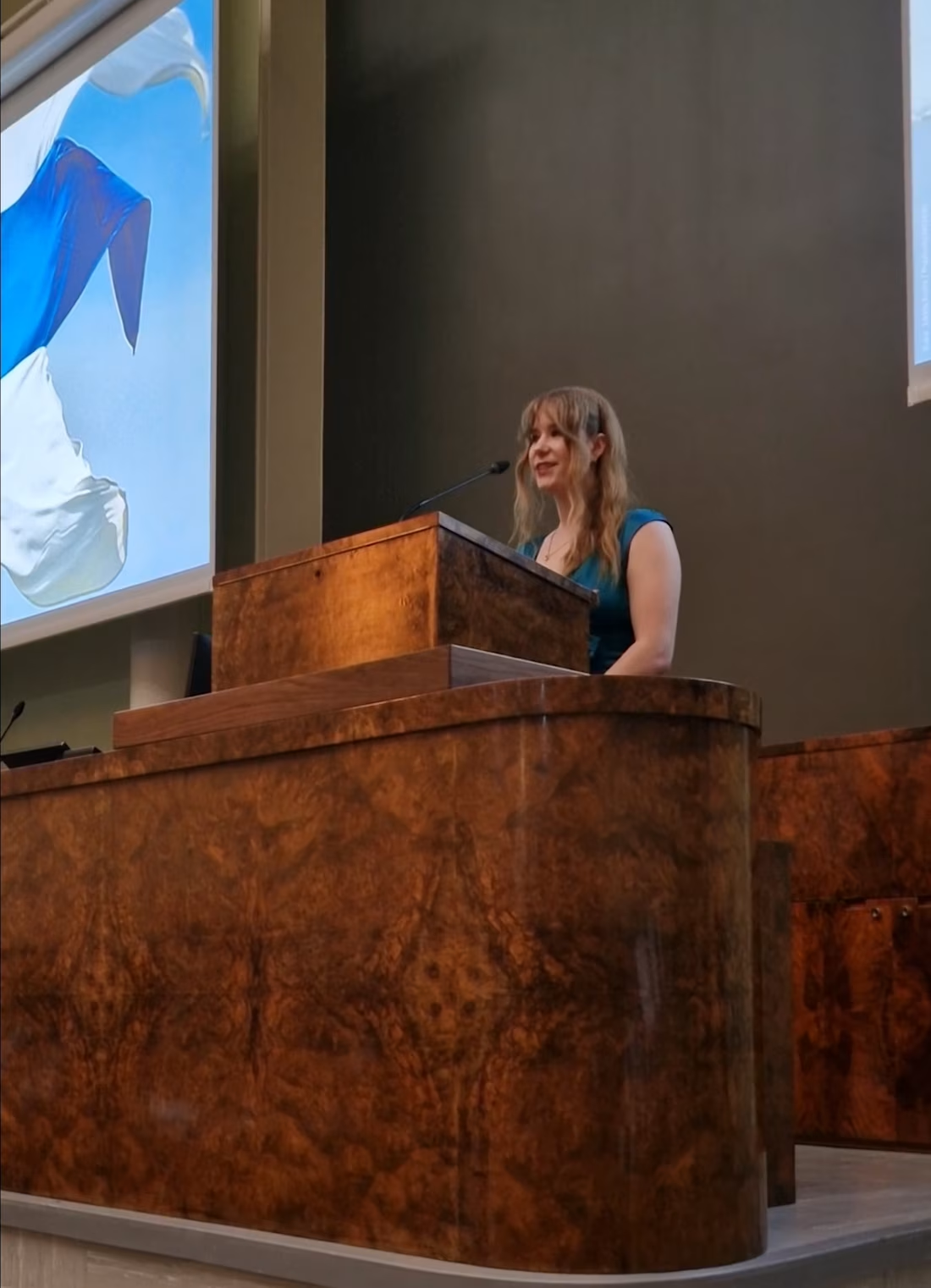
Last week, Finland celebrated Independence Day.
I was invited to perform at the Citizens’ Celebration (Kansalaisjuhla), where I read two of my poems in front of a live audience.
The invitation was based on my writing connected to lived experience in Ukraine as deminer / instructor and real-world events. Performing these texts publicly was a reminder of how poetry can function not only as art, but also as a way to process collective memory, conflict, and resilience.
Spoken-word performances are an important part of my work as a writer. They influence how I approach rhythm, voice, and clarity on the page — especially in longer texts and narrative writing.
17
170
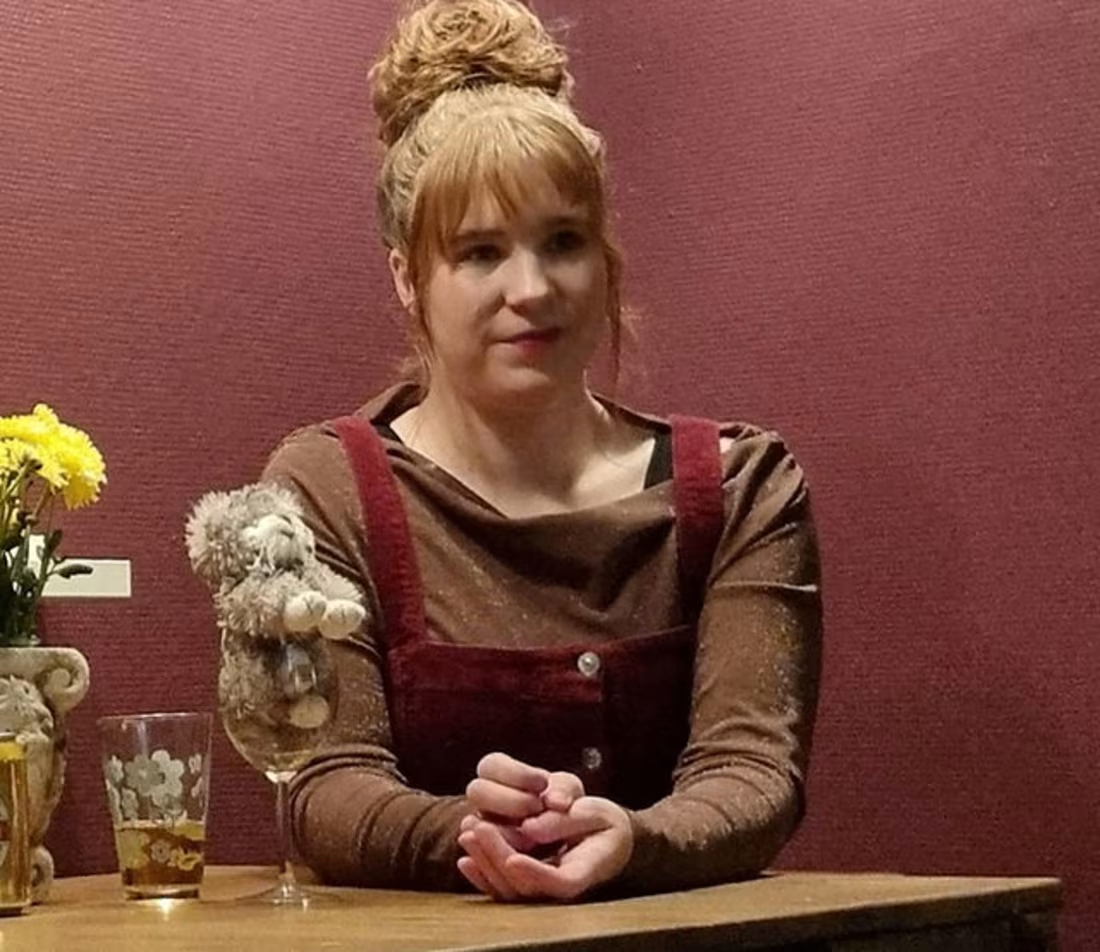
In October 2024, I performed at Mine Clearance and Poetry, an event organized by a literary and cultural association. The theme brought together two rarely combined worlds.
I performed poems shaped by lived experience including work connected to Ukraine ut also few abstract ones. Writing these texts requires balance — carrying the weight of reality without turning it into spectacle.
The discussion following the performance confirmed something central to my writing practice: poetry can function as a way to process and communicate difficult realities in a form that remains accessible, grounded, and human.
This work reflects how I approach poetry more broadly — as a space where hardness and vulnerability coexist, and where real-world experience informs the text without overpowering it.
14
142
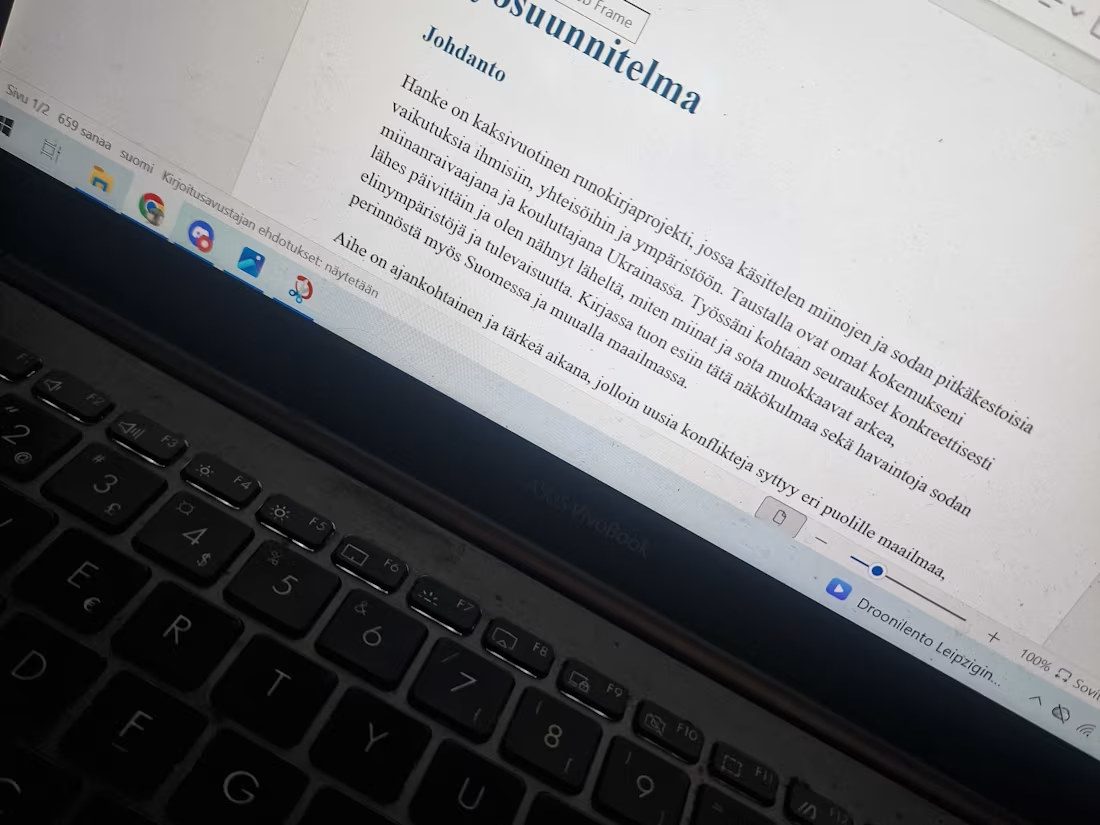
Writing Poetry Shaped by War Experience
A significant part of my writing is poetry rooted in real-world experience, including work connected to conflict and war. These texts are not written to shock, but to process, observe, and translate lived realities into language.
Earlier this year, I applied for funding for a poetry book focused on war-related themes. The application was not successful, but the process itself was an important part of the work: articulating intent, defining scope, and positioning poetry as a serious form of documentation and reflection.
Writing poetry about conflict requires precision and restraint. It is about knowing what to say, what to leave unsaid, and how to carry weight without excess. This approach influences all of my writing, across genres and formats.
25
202

Yesterday, I wrote an annual report for a humanitarian demining organization I own. The challenge was to communicate the organization’s work in a way that is transparent and credible, while carefully avoiding the disclosure of sensitive details.
Writing about mine clearance requires balance. The task is to provide enough information to satisfy donors, partners, and sponsors, while maintaining operational security and ethical responsibility. The focus is on clarity, accountability, and impact — without revealing specifics that should remain protected.
This project reflects how I approach writing in high-responsibility contexts: shaping information so it is informative, trustworthy, and proportionate, with respect for real-world consequences.
www.fineod.com/blog
17
148