Design Studio 7, RPI - HUDSON AQUIFERS
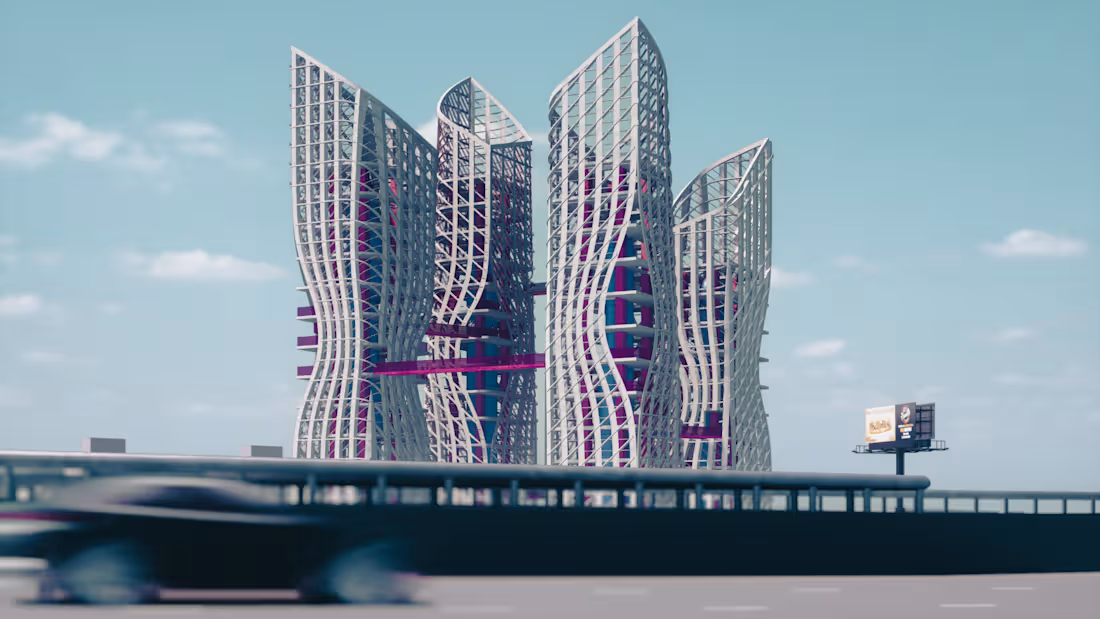
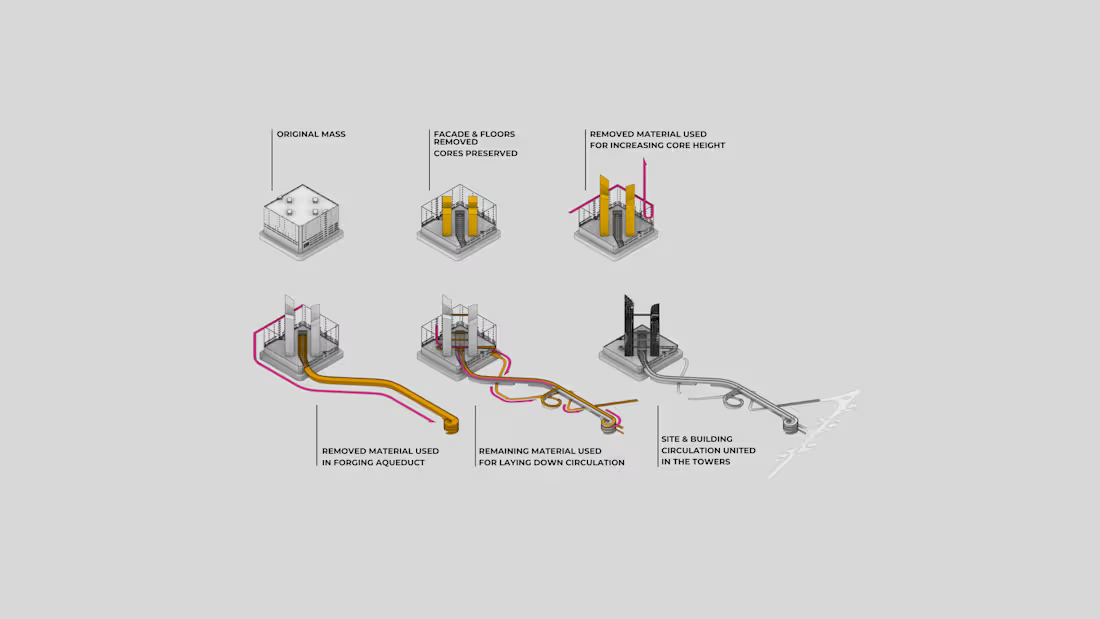
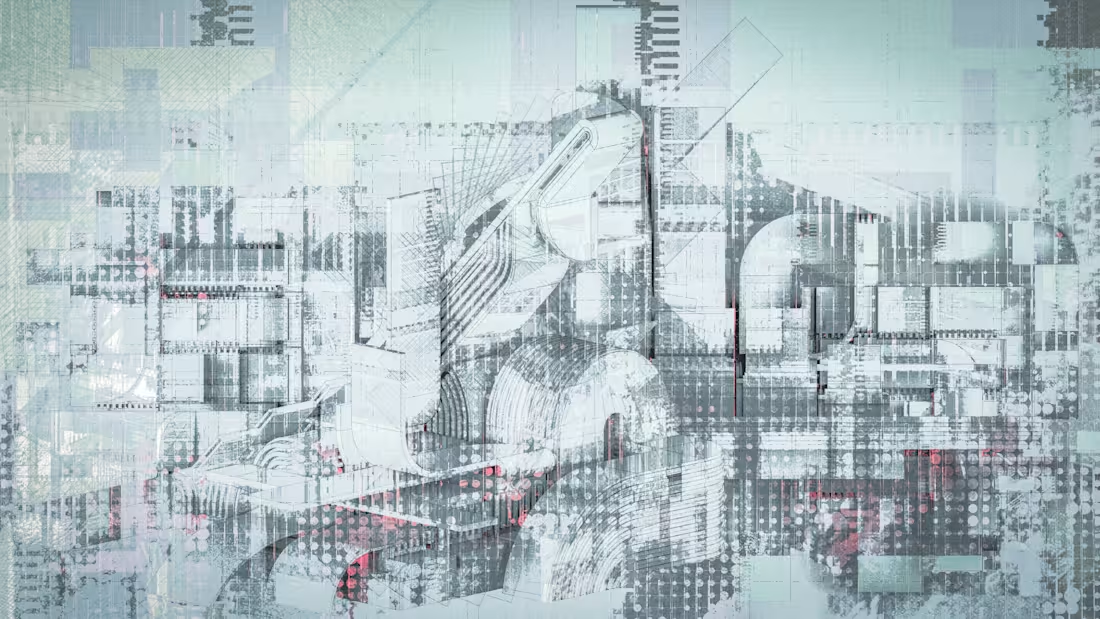
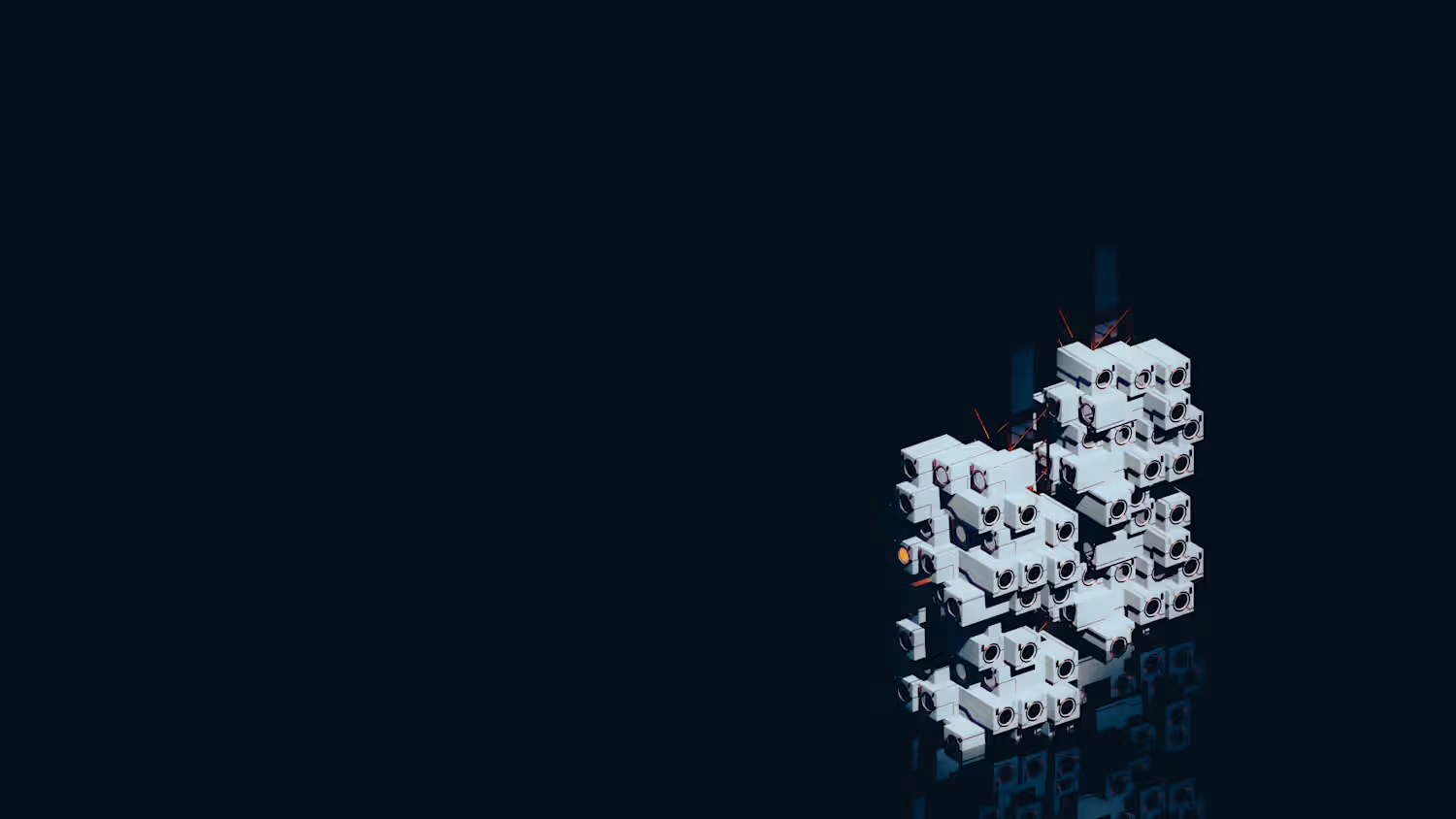
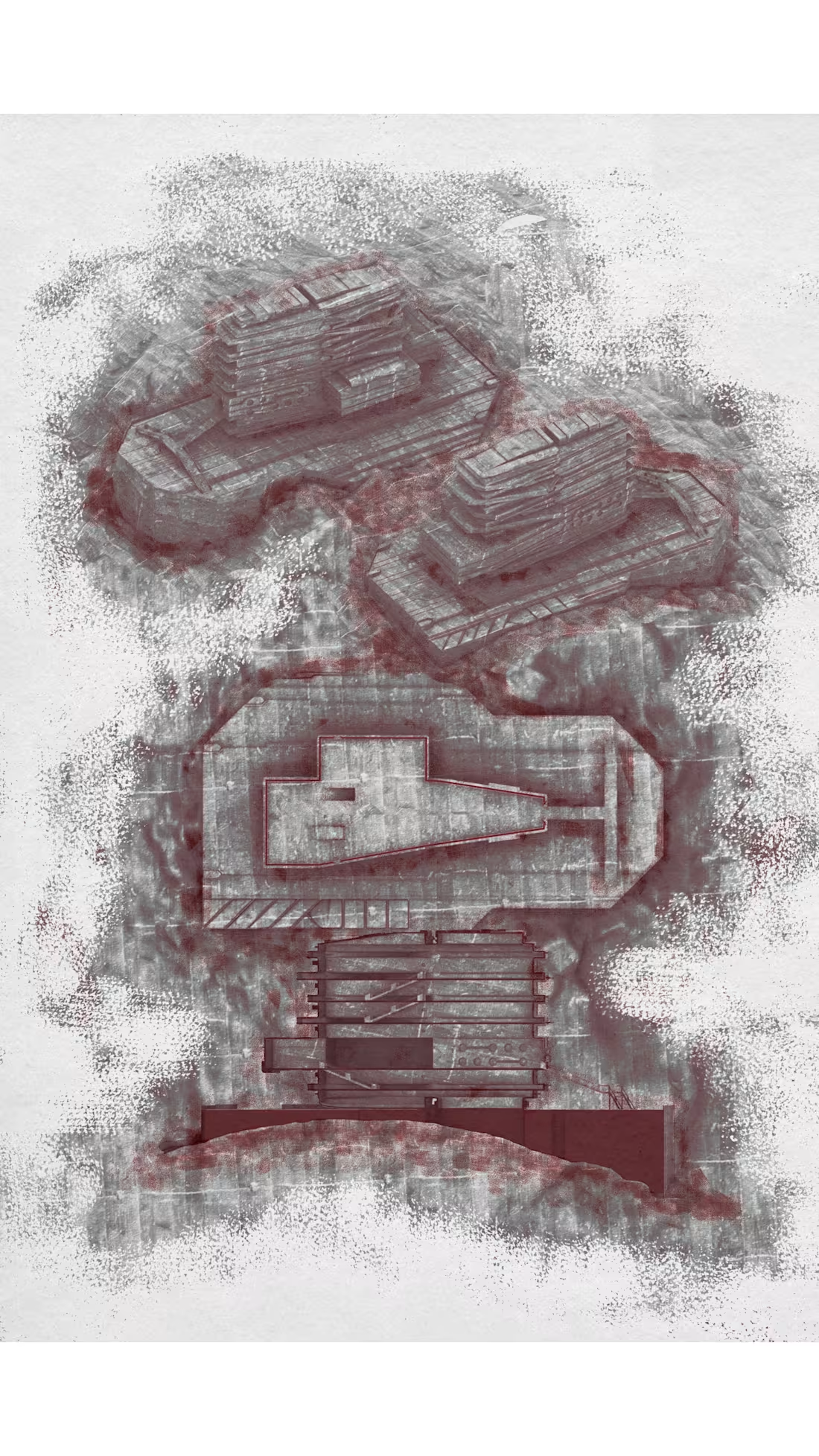
These are the digital visualizations from my final proposal for a theoretical deconstruction–reconstruction of the abandoned Albany Central Warehouse. Hudson Aquifers reimagines the site as a public, ecological, and infrastructural convergence that reconnects Albany to the Hudson River—long divided by I-87 and other boundaries. The project collects, purifies, and stores river water for distribution and disaster relief, returning the rest to the Hudson through an accessible, transparent process. In a city of monuments, this proposal asks: why not monument critical infrastructure? Why hide it from public access? The renderings explore these ideas through bold colors and playful geometries that invites one's curiosity.
19
197
Form-Giving Processes (HUDSON AQUIFERS)
0
5
CATASTROPHIC_FAILIURE
1
71
FIRST PEOPLES' HALL
These renderings shape a monumental yet quiet atmosphere, where cavernous forms, warm shadows, and textured materials create a space that feels both ancient and forward-looking. Autumn light and a soft public presence give the project a calm, cinematic quality that invites people to slow down and take in their surroundings. Designed as an extension to the Bennington Museum in Vermont, the proposal draws from Abenaki Wigwam construction and material logic, introducing new indoor and outdoor galleries dedicated to Abenaki and broader Native American history. The result is a grounded, reflective addition that uplifts culture through space and materiality.
2
15
129
Independent Study Experience, RPI - LA PLAZA-BAZAR
These are the digital visualizations from a personal design study completed during my Independent Learning Experience through RPI, reimagining Santiago’s Plaza de Armas — the city’s historic center and one of its busiest commuter hubs. The proposal redefines the plaza by dedicating more space to street vendors while improving access to the metro, creating a cohesive public realm that preserves its cultural significance. Excavated spaces below the square open into a modern bazaar, where vendors and commuters converge beneath two parametric pavilions rising from the plaza’s excavated perimeter. The visualizations take on a diagrammatic tone, emphasizing the proposal’s role as a civic infrastructure formed by the overlap of formal and informal economy.
22
185
Form-Giving Processes (PLAZA-BAZAAR)
0
7
DAWN
1
46
Comprehensive Design Studio, RPI - THE VAULT
These are the digital visualizations from an academic studio at RPI, featuring my proposal for a new seven-story branch of the New York Public Library on the corner of West 26th Street and 10th Avenue in Chelsea. The design draws from the site’s contrasting contexts — the historic Fulton & Elliott Apartments and the modern fabric of Hudson Yards along the High Line — where a clear socioeconomic duality defines the neighborhood. Rather than presenting a polished monument, the renderings aim to capture the site’s rawness and materiality, embracing Chelsea’s layered identity through a design that feels grounded, textured, and authentically urban.
3
1
82
LIGHTHOUSE
1
29
GHOST ON THE RIG
1
35
Architectural Design Studio 4, RPI - THE COMM.
These are the digital visualizations from my final adaptive reuse project at RPI — a proposal to transform the abandoned St. Mary’s Church in Troy, NY into a midrise mixed-use housing development. Rather than erasing its past, the design preserves the church’s dark, cavernous quality while expanding on its atmosphere. Light filters through openings, rising into a vaulted canopy that diffuses softly across the atrium. Apartment units and shared spaces glow with warmth, cultivating a quiet sense of community within a space once forgotten. The renderings explore the dialogue between light and dark — embracing shadow to reveal community and serenity.