
ajao jelil
UI/UX Designer for Startups | Clean, usable products
Ready for work
ajao is ready for their next project!


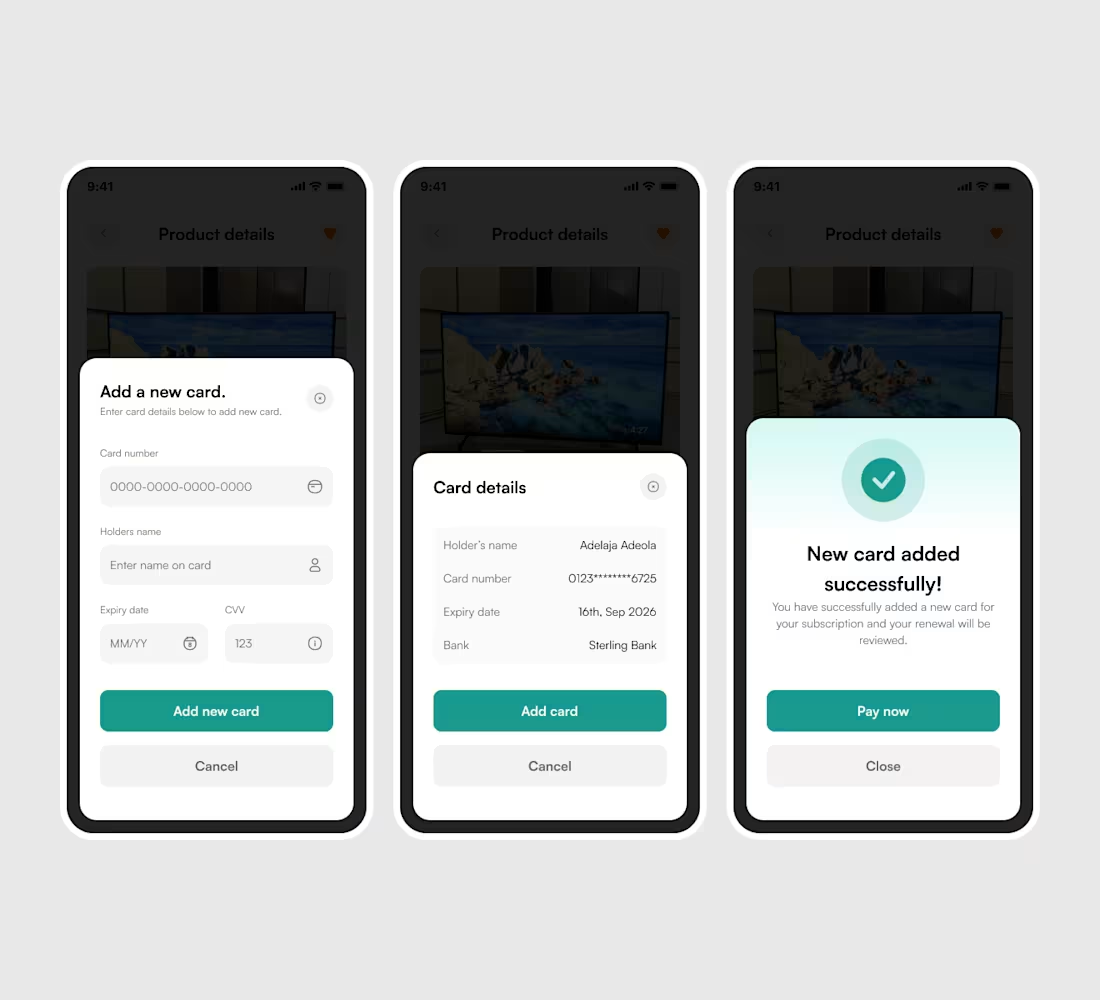
Project: Add Card Flow (Subscription Payment)
A 3-step card addition flow designed for a subscription-based product, focused on clarity and trust at each stage of the payment process.
Flow breakdown:
Add a new card: Clean input fields for card number, holder's name, expiry date, and CVV, with clear placeholder guidance.
Card details confirmation: Masked card number and full transaction summary before submission, reducing user uncertainty before committing.
Success state: A clear, positive confirmation screen with next-step action (Pay now), closing the loop without leaving the user unsure of what happened.
Design goals: Minimize cognitive load, build payment trust through transparency, and maintain a consistent visual language across all three states.
#UXDesign #FintechUI #MobileAppDesign
0
29
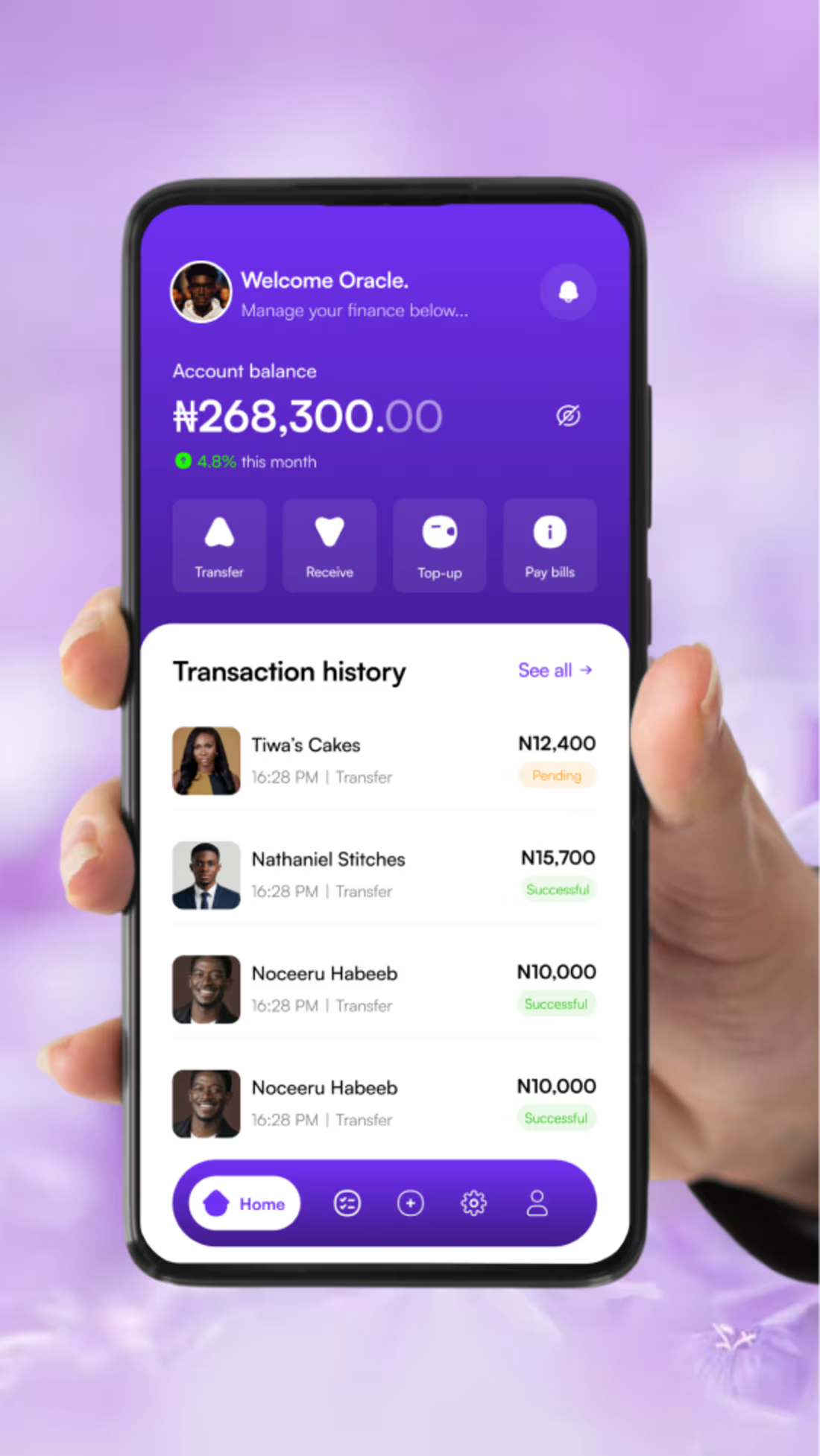
Fintech Wallet Dashboard — UI Redesign
Challenge: The original home screen crammed account balance, quick actions, a recent transfers strip, and transaction history into one view, creating visual competition and pushing the most-used section (transaction history) below the fold.
Approach:
Simplified the header: balance now leads with a visibility toggle and a monthly growth indicator, giving users quick context without extra taps
Removed the recent transfers avatar row, a redundant pattern that repeated information already available in transaction history
Promoted transaction history into its own full-width card with clearer typography and status tags (Pending, Successful), positioned higher for faster access
Retained all four quick actions (Transfer, Receive, Top-up, Pay bills) but gave them cleaner spacing and consistent iconography
Outcome: A lighter, more scannable dashboard that prioritizes the two things users check most: balance and recent activity, without losing any core functionality.
Tools: Figma
0
43
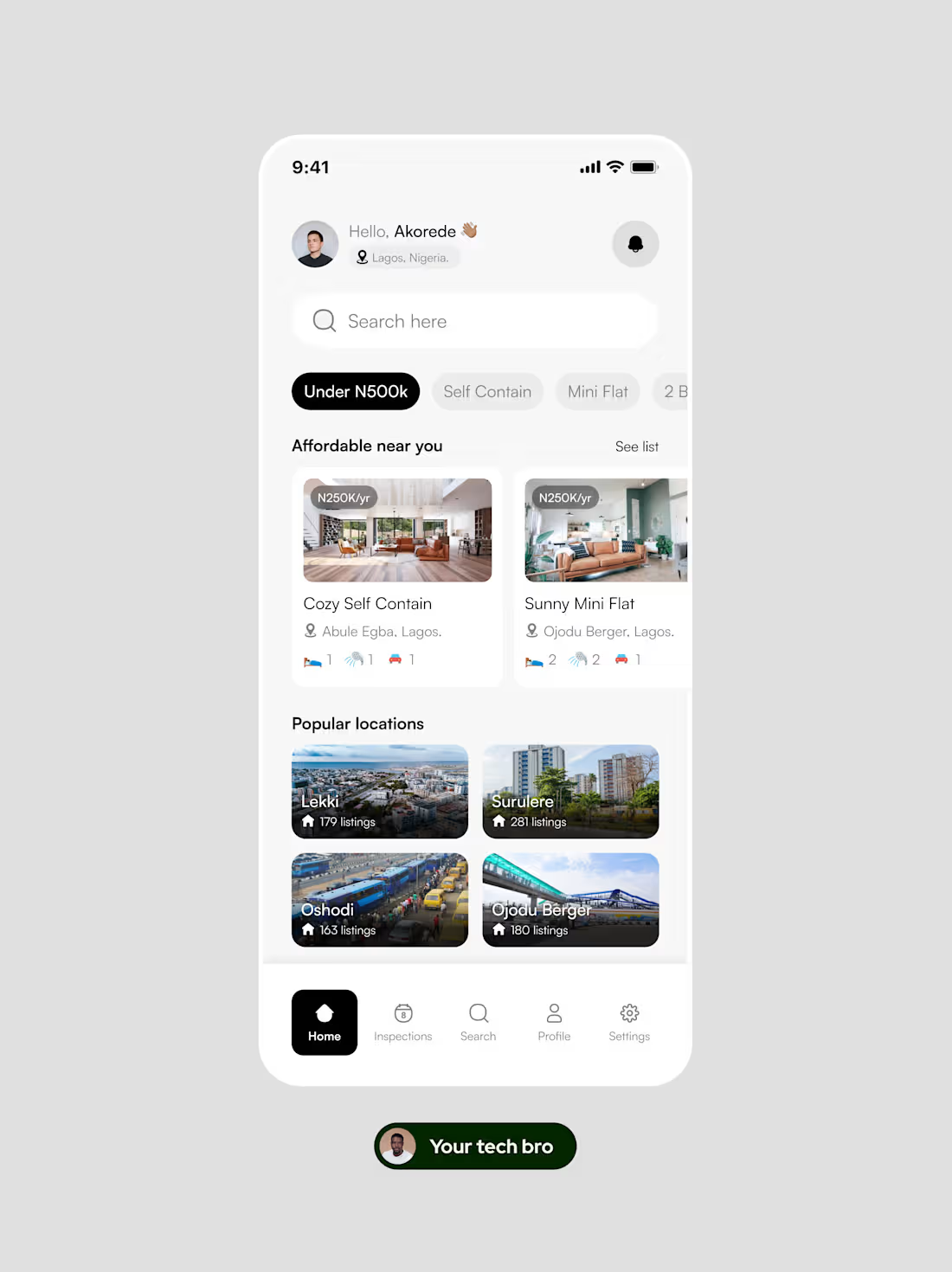
Real Estate App — Homepage UI (Lagos-Focused)
Designed the homepage for a property rental app targeting Lagos renters, with a focus on affordability filtering, location-aware listings, and neighborhood discovery.
What was designed:
Personalized home screen with location context
Filter chips for budget range and apartment type (Self Contain, Mini Flat, etc.)
"Affordable near you" property cards with pricing, bedroom count, and area
Popular Lagos neighborhoods grid with listing counts
Bottom navigation system
Tools: Figma
Ideal for: Proptech startups, real estate platforms, or any product targeting the Nigerian housing market.
2
88
Project: Hero Section Animation — Healthora (Healthcare Platform)
Overview
Animated the landing page hero section for Healthora, a healthcare platform offering doctor appointments, nurse visits, and medication ordering, to give the brand a more dynamic, trustworthy first impression.
Problem
The static hero design communicated the message clearly, but on a first visit, a healthcare product needs to feel calm, credible, and alive, not flat. The client wanted the landing page to feel more premium without changing the underlying design.
Solution
Framed the entry with a scale-in reveal of the browser window itself, setting a calm, deliberate pace before any content appears.
Staggered the content reveal in hierarchy order: trust badge, headline, subtext, CTAs, then stats, so the eye is guided rather than overwhelmed.
Used a subtle emphasis animation on the key word in the headline ("healthcare") to reinforce what the product is actually about.
Kept every transition short and smooth, prioritizing a premium, unhurried feel over flashy effects, appropriate for a healthcare brand.
Outcome
A hero section that feels considered and trustworthy from the first second, giving the landing page more presence without changing its core layout or message.
Tools: Figma, Jitter
Role: Product Designer (UI, motion design)
1
51