
pro
Abdullah Amir
Full-Stack & AI Developer | React Native, Next.js, AI Agents
- 5.00
- Rating
- 3
- Followers


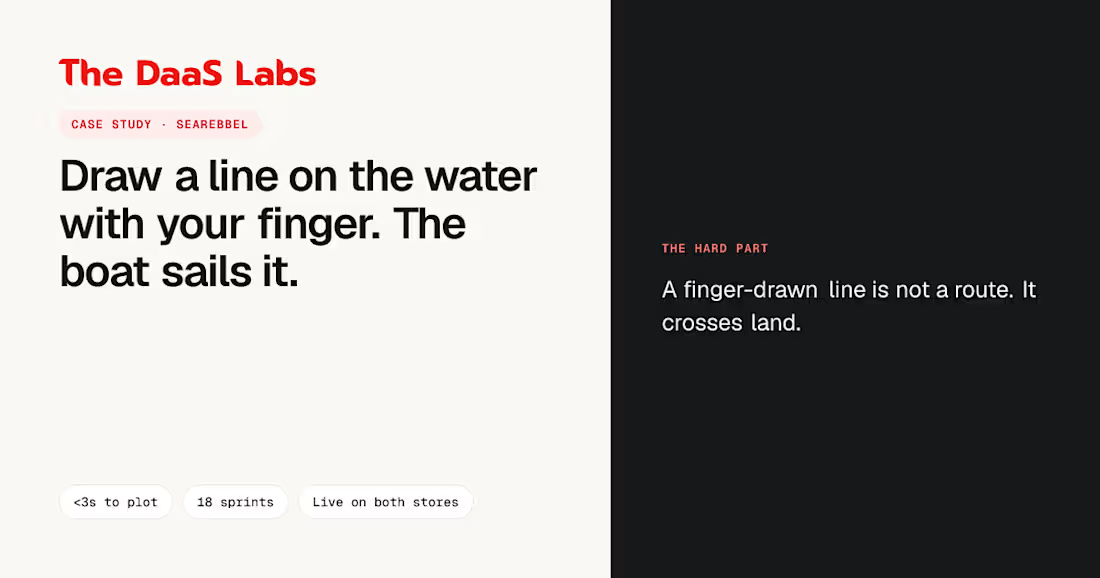
SeaRebbel Marine Autopilot Navigation App
0
0
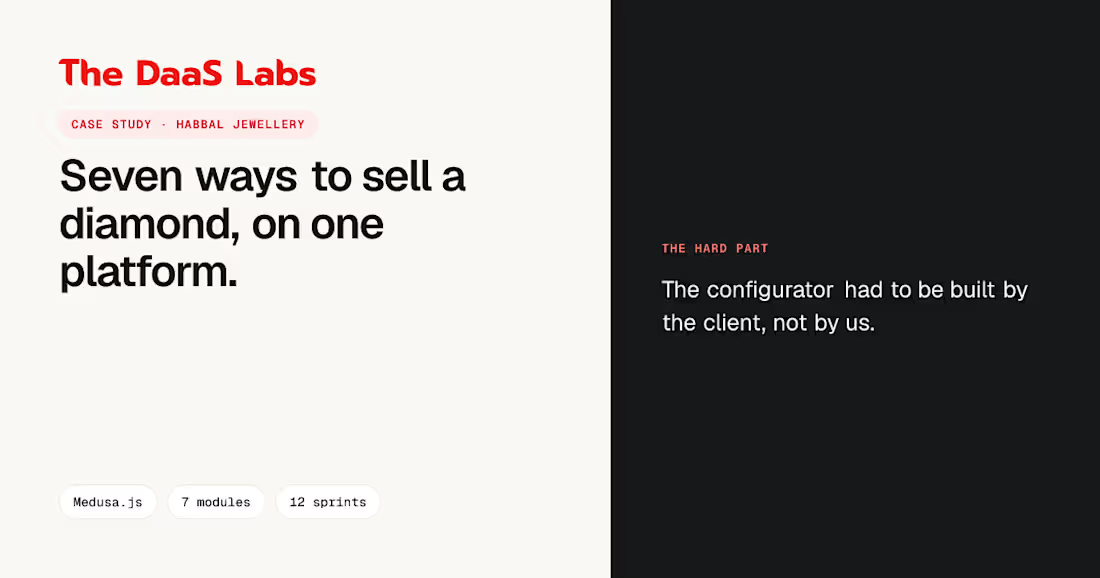
Unified Commerce Platform for Habbal Jewellery
0
2
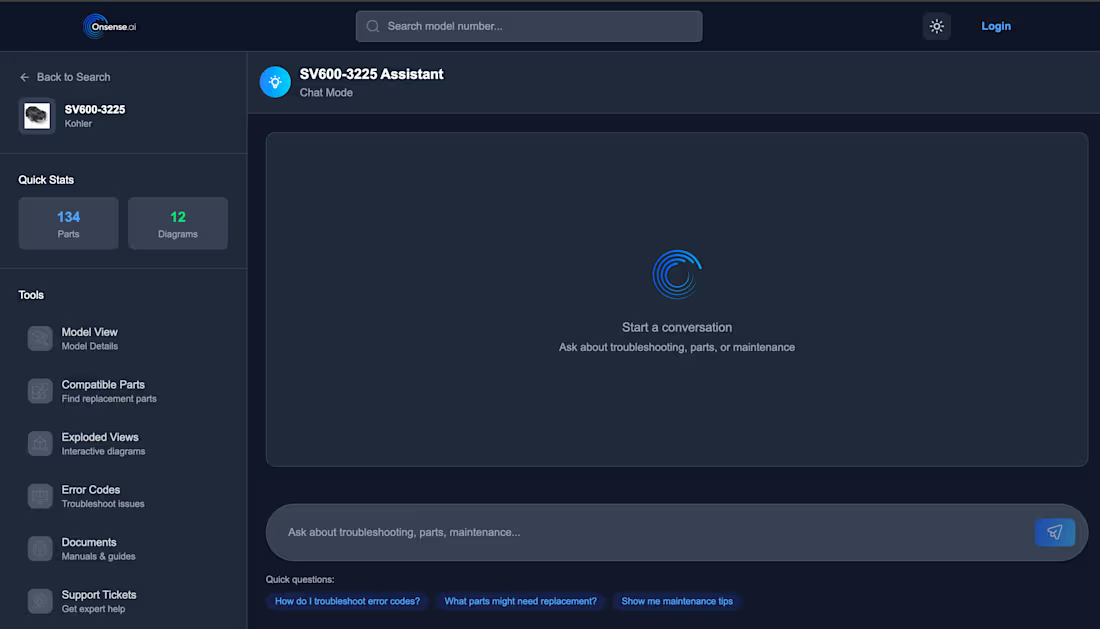
Not every OnSense user is on the mobile app — some just want to ask a quick question about their appliance from a browser. Appliance GPT was built as a standalone web product: a focused, consumer-facing chat interface where anyone can describe an issue or ask about error codes, parts, or repairs and get an answer trained on appliance-specific knowledge, without needing to install anything.
What I built
I built the chat UI solo, using React and Next.js — the conversational interface, message flow, and front-end experience that consumers interact with directly at appliancegpt.onsense.ai (http://appliancegpt.onsense.ai).
Stack:
Next.js and React for the web chat interface
Integration with OnSense's underlying AI/repair-knowledge backend
What shipped
A live, standalone web app giving consumers direct access to an AI appliance-support assistant — no app download required, just open the browser and ask.
0
39
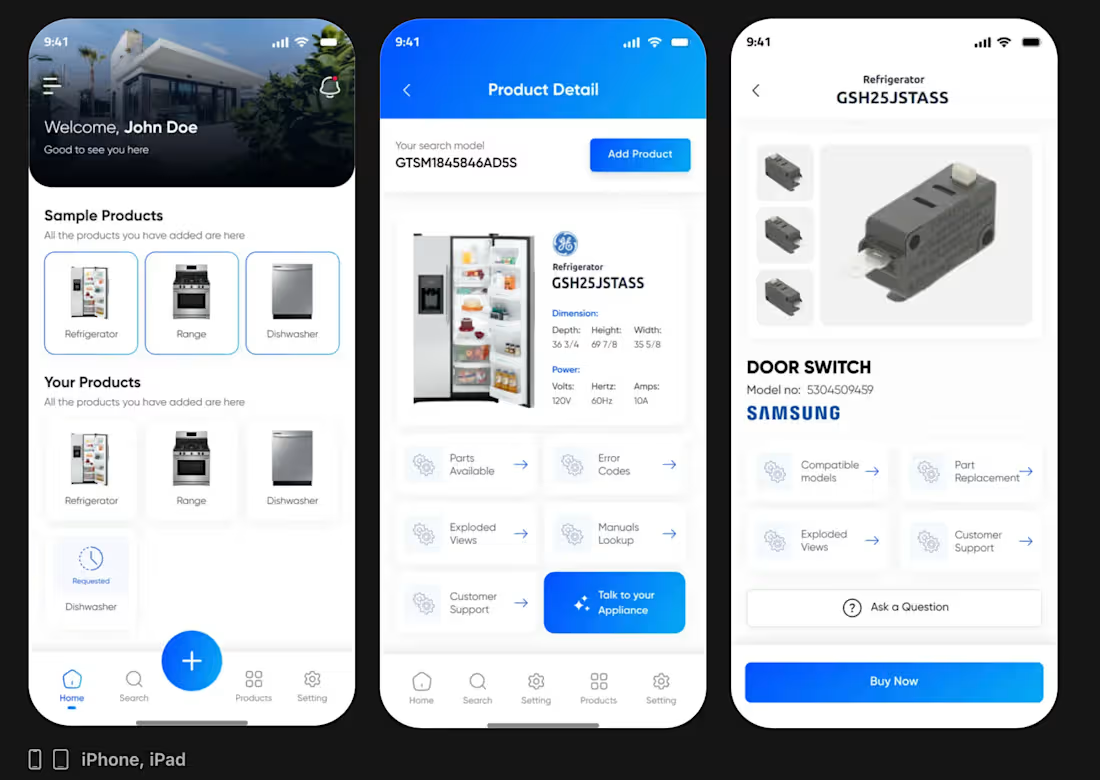
Most people trying to fix a home appliance are stuck flipping through a PDF manual or guessing which part is causing an issue. OnSense set out to replace that with an app where entering a model number instantly surfaces specs, part breakdowns, and an AI assistant trained specifically on appliance repair knowledge — not a generic chatbot.
What I worked on
As part of the mobile engineering work on the React Native (Expo) app, I built the OCR module that lets users scan an appliance's nameplate with their camera to automatically identify the model and pull it into the system — removing the need to manually type in model numbers that are often worn, tiny, or hard to read.
Stack:
React Native (Expo) for iOS and Android
OCR/camera-based scanning for nameplate recognition
AI chat integration (OnSense GPT) for appliance-specific Q&A
Backend integration with the platform's parts and repair-knowledge database
What's in the app:
Model lookup by number, with detailed specs and part breakdowns
Exploded View module — an interactive, clickable diagram of appliance parts
OnSense GPT chat assistant for error codes, repair steps, and part compatibility
Nameplate scanning via OCR for fast, accurate model identification
Parts cross-referencing against verified compatibility databases
3
1
169