
Abdullah Asif
Expert SEO article and blog writer for high-impact results
New to Contra
Abdullah is ready for their next project!
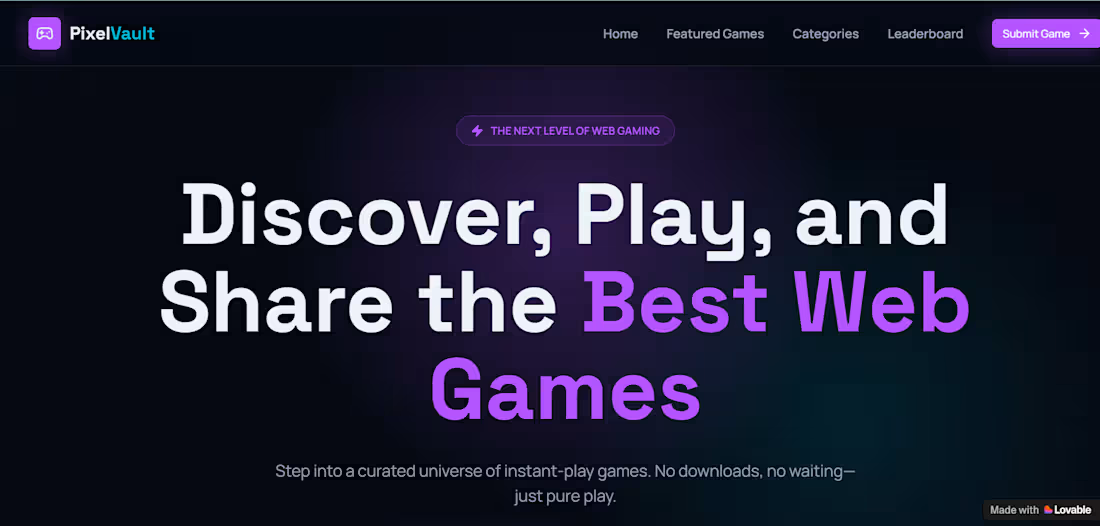
This structured prompt works best because AI web-builders like Lovable excel when given clear UI components, explicit color hex codes, and functional requirements rather than vague aesthetic descriptions. By detailing the exact sections (Hero, Featured Grid, Filters), layout expectations (desktop vs. mobile columns), and interactive behaviors (live search, modals), you eliminate the AI's guesswork, preventing it from generating a generic or cluttered design. This level of specificity forces the platform's underlying model to immediately generate high-fidelity, production-ready code with a cohesive design system and functional logic on the very first try.
2
126
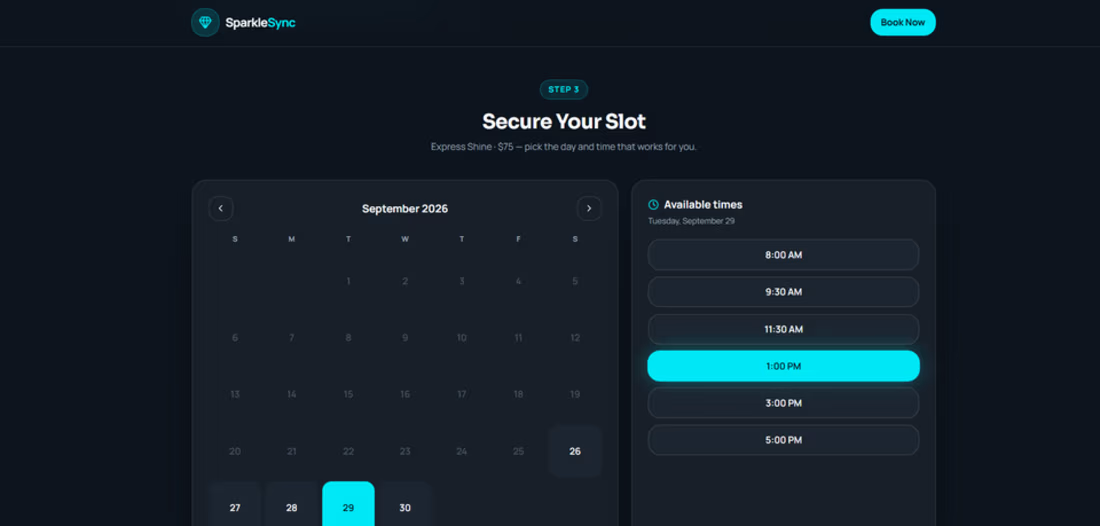
When solo operators are busy working with their hands, they can't answer inquiries immediately, causing them to lose up to 25% of their leads to faster competitors. I built this app to eliminate that administrative bottleneck entirely. By turning a static website into an enterprise-grade, 24/7 sales pipeline, SparkleSync handles service-zone validation, transparent package selection, and live calendar scheduling automatically. It captures 100% of incoming demand in under 60 seconds with zero manual effort from the owner, proving that small businesses can deliver a premium, frictionless booking experience without the overhead of an admin assistant.
0
89
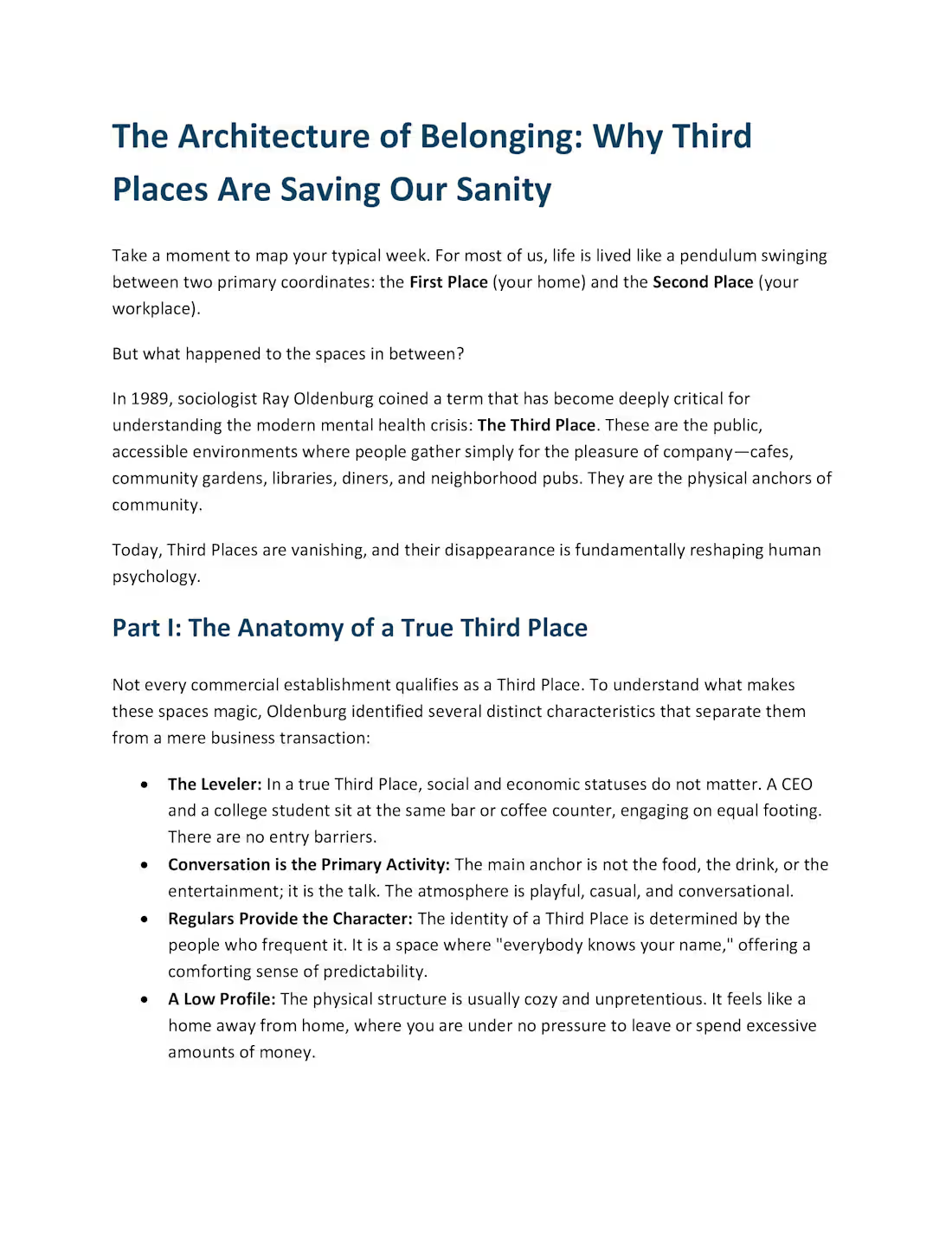
This piece shifts the lens from individual psychology to the spaces we inhabit, diving into how our physical environments dictate our mental well-being and sense of community.
Here is a quick look at the design and concept of this article:
The Core Theme
The article centers on the concept of Third Places—a term coined by sociologist Ray Oldenburg to describe the social surroundings separate from the two usual environments of home ("first place") and the workplace ("second place"). The core argument is that as these physical, non-transactional spaces vanish, our collective loneliness spikes. It highlights the biological and social toll of trying to replace physical town squares with digital ones.
The Layout
To maintain a scannable and structured flow, the piece is mapped out across three distinct sections:
Part I (The Definition): Explores what actually makes a space a "Third Place." It introduces the concept of "the leveler" (where socioeconomic status doesn't matter) and the vital importance of "weak ties"—those casual, recurring acquaintances that ground us in society.
Part II (The Digital Illusion): Explores the shortcomings of migrating our social lives online. It introduces the concept of co-presence—how our nervous systems register safety simply by being physically near other humans—and explains why digital groups chats, despite their convenience, often leave us feeling biologically isolated.
Part III (The Blueprint): Offers actionable steps to reclaim these spaces, from adopting a "subscription mindset" with a local spot to defending non-transactional civic institutions like public libraries.
Why This Topic?
I chose this because our lives are increasingly being compressed into a rigid, indoor routine of working from home, ordering delivery, and socializing through screens. It's a look at how public architecture is directly tied to our sanity, framing the simple act of sitting in a local cafe or park not as a waste of time, but as a vital investment in our humanity.
1
27
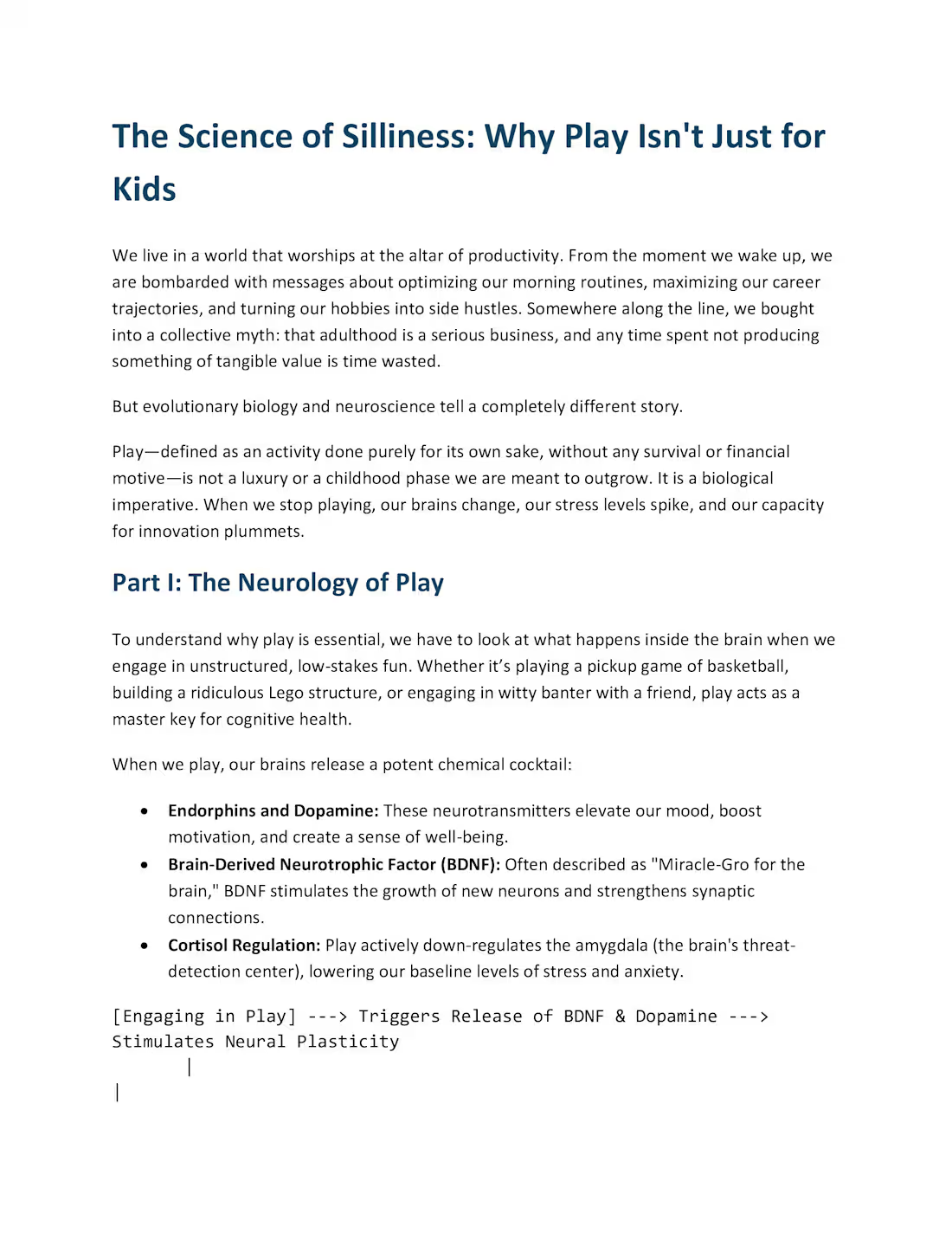
This piece takes a swing at our modern obsession with "hustle culture" and flips the script on what it means to be a productive adult. Essentially, it's an argument for why goofing off is actually a medical and psychological necessity.
Here is a quick look at the anatomy of this article:
The Core Theme
The central idea is that play isn't just a childhood phase—it’s an evolutionary survival mechanism. In our rush to optimize every single minute of our days for career growth, financial gain, or social status, we’ve starved our brains of unstructured, low-stakes fun. The article treats "playlessness" not just as a bummer, but as a legitimate cognitive deficit that causes burnout.
The Layout
To maintain that scannable, multi-page layout, I structured it into three distinct beats:
Part I (The Science): Looks under the hood of the brain. It details how play floods our system with dopamine and BDNF (which grows new brain cells), acting as a natural buffer against stress.
Part II (The Trap): Dissects the difference between active play (like a board game or an improv class) and passive consumption (like melting into the couch while scrolling social media). It argues that mindlessly consuming media doesn't actually recharge your brain—it just numbs it.
Part III (The Action Plan): Gives the reader a practical guide to creating a "play diet," which includes scheduling unplanned "white space" on the calendar and overcoming the adult guilt of doing something purely for the fun of it.
Why This Topic?
I picked this because we are living in a time of peak burnout. People are exhausted, but our cultural knee-jerk reaction to exhaustion is usually to try to "optimize" our rest or turn our creative outlets into monetized side hustles. I wanted to write something that gives you permission to be terrible at a hobby, to do something completely useless, and to remember that life isn't just a giant checklist to be completed.
1
32