
Thiago Vitamina
Product Designer, UI Designer, AI Content Creator
- 8
- Followers


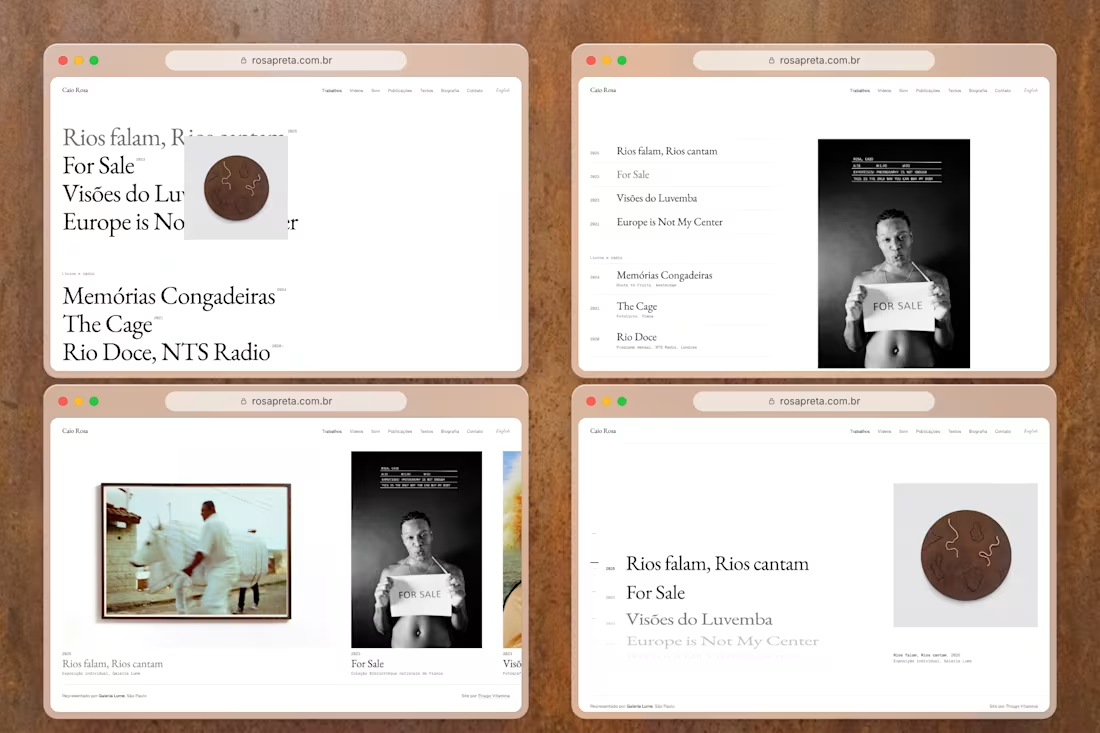
Caio Rosa, website for a visual artist
0
0
From Xerox-inspired print to an interactive digital experience.
What happens when you take a printed music report full of personality and bring it to life on the web?
That was the challenge behind SoundCloud’s Music Intelligence Report 2026: turning a bold, print-inspired editorial piece into a digital experience that feels just as distinctive, tactile, and engaging as the original.
From the Xerox-inspired textures and expressive layouts to the animations, transitions, navigation, and interactive timeline, every detail was designed to make the experience feel alive — inviting people to explore, discover, and enjoy the content at their own pace.
I designed the experience in Figma and led the development process, working to bring the original vision to life with as much fidelity as possible, down to the smallest details in spacing, motion, and interaction.
The result is an immersive, responsive editorial experience that brings music insights to life through design, movement, and storytelling.
Take a look around and explore the full experience.
Explore the Music Intelligence Report → (https://soundcloud.com/company/music-intelligence-report-2026)
Role: Digital Product Design, UI/UX, Interaction Design & Development Direction
1
3
159
Who Closed the Bauhaus? — An Interactive Editorial Experience
What happens when design becomes a threat to political power?
Who Closed the Bauhaus? is an independent editorial web project exploring the history of the Bauhaus, one of the most influential design schools of the 20th century, and the political persecution that led to its closure under Nazi Germany.
Through historical research, visual storytelling, and an immersive digital narrative, the project examines the relationship between design, ideology, and political power. It challenges the idea that design exists outside its social and political context, inviting visitors to look beyond aesthetics and understand the forces that shape visual culture.
The project brings together editorial content, historical references, and digital design to make a complex chapter of design history accessible and engaging.
The central question is simple: who closed the Bauhaus, and what does that history tell us about design and society today?
Explore the project: https://quemfechoubauhaus.com.br/en/
8
8
332
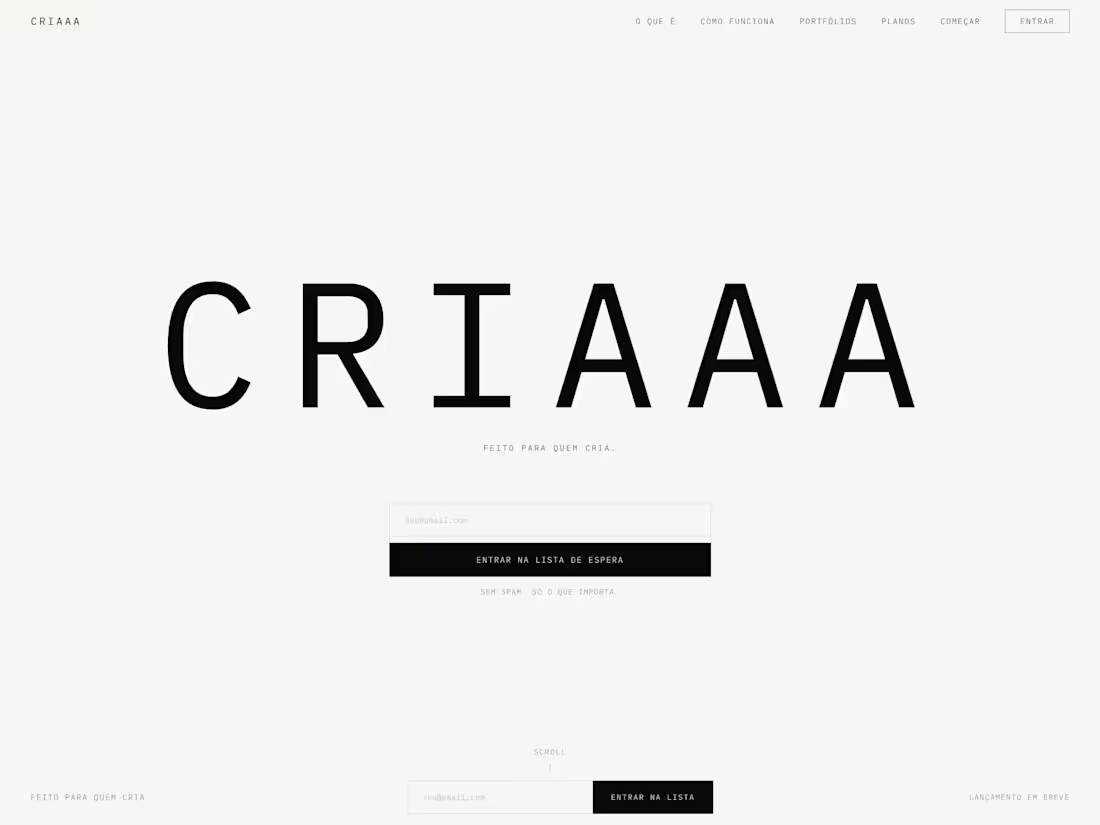
CRIAAA is a platform designed to help visual creators build and share their portfolios with more control, quality, and ownership.
The idea came from a simple observation: platforms like Instagram compress images, WhatsApp removes context, and on platforms like Behance it’s hard for anyone to truly stand out. CRIAAA offers a cleaner and more intentional space where creators can present their work properly.
The platform allows creators to publish projects, organize their work, and share it through a personal subdomain or custom domain. The interface was designed to be minimal and focused on the work itself, using typography, whitespace, and a restrained visual system so the content remains the center of attention.
This project combines product thinking, UX design, and branding to create a platform built specifically for people who create — giving them a simple way to present their work professionally on the web.
0
124