
Graphic DesignSabila Siddiqui
1. Pre-Design Phase
a. Initial Consultation- Understanding the client's business, goals, target audience, and visual identity.- Discussing budget, timeline, and specific needs.
b. Research and Analysis- Analyzing competitors, industry trends, and defining the design direction.- Collaborating with the client to establish a clear project brief.
2. Design Development Phase
a. Concept Development- Creating initial concepts, sketches, and mood boards.- Client reviews and selection of the preferred design direction.
b. Design Execution- Developing the chosen concept into refined designs.- Creating layouts, illustrations, and other visual elements.
3. Revision and Finalization Phase
a. Client Revisions- Incorporating client feedback and making necessary adjustments.- Defined number of revision rounds to fine-tune the design.
b. Finalization and Delivery- Preparing files for digital or print use.- Handing over all agreed-upon deliverables, including source files if required.
4. Post-Design Support (if applicable)
a. Ongoing Support and Maintenance- Providing support for updates, changes, or additional designs.- Offering maintenance packages or extended support as needed.
Guidelines for the Client
Feedback Guidelines: Clear instructions on how and when to provide feedback to keep the project on schedule.
Content Provision: Guidelines for supplying any required content, such as text, images, or logos, in the appropriate formats.
Approval Process: Defined stages for client approvals to avoid delays.
Scope of the Project
Project Objective: Define the specific goals, such as rebranding, creating marketing materials, etc.
Deliverables: A detailed list of what will be delivered (e.g., logos, brochures, web designs).
Target Audience: Identification of the intended audience to ensure designs resonate with them.
Duration: Timeframe for the project, including milestones.
Exclusions: Clearly stating what is not included in the scope to avoid misunderstandings, such as printing costs, extensive revisions, etc.
What's included
1. Design Consultation and Project Brief
Initial meetings to understand the client's needs, brand identity, and project goals.
A detailed project brief outlining the scope, timeline, and specific requirements.
2. Concept Development and Sketches
Early concept sketches and mood boards to present visual direction and style options.
Collaboration with the client to finalize the chosen concept.
3. Custom Illustrations and Graphics
Creation of original illustrations, icons, and graphic elements tailored to the project.
Adherence to brand guidelines, color schemes, and visual aesthetics.
4. Layout and Composition
Designing layouts for various collateral such as brochures, posters, web pages, etc.
Ensuring consistency across different mediums and platforms.
5. Branding Materials
If applicable, development of branding materials like logos, business cards, letterheads, etc.
Alignment with existing brand identity or creation of a new branding guideline.
6. Digital and Print-ready Files
Delivery of final designs in various formats suitable for both digital and print use.
Includes high-resolution files, vector files, and any specific file types requested by the client.
7. Revisions and Adjustments
A predetermined number of revision rounds to fine-tune the designs as per client feedback.
Clarity on any additional costs for revisions beyond the agreed-upon limit.
8. Usage Rights and Licensing
A clear explanation of the usage rights for the designed materials, including any licensing requirements for stock images or fonts.
Ensuring compliance with copyright laws and regulations.
9. Source Files (if applicable)
Provision of source files in editable formats, allowing for future modifications.
May include design software files such as Adobe Illustrator or Photoshop files.
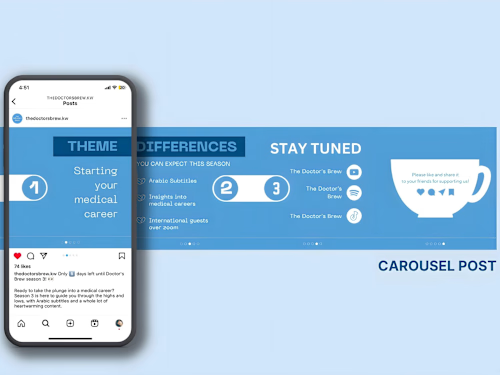
Example work
Sabila's other services


Contact for pricing
Tags
Adobe Illustrator

Adobe InDesign

Adobe Photoshop

Canva

Creative Designer
Graphic Designer
UI Designer
Service provided by
Sabila Siddiqui Dubai - United Arab Emirates
Graphic DesignSabila Siddiqui
Contact for pricing
Tags
Adobe Illustrator
Adobe InDesign
Adobe Photoshop
Canva
Creative Designer
Graphic Designer
UI Designer
1. Pre-Design Phase
a. Initial Consultation- Understanding the client's business, goals, target audience, and visual identity.- Discussing budget, timeline, and specific needs.
b. Research and Analysis- Analyzing competitors, industry trends, and defining the design direction.- Collaborating with the client to establish a clear project brief.
2. Design Development Phase
a. Concept Development- Creating initial concepts, sketches, and mood boards.- Client reviews and selection of the preferred design direction.
b. Design Execution- Developing the chosen concept into refined designs.- Creating layouts, illustrations, and other visual elements.
3. Revision and Finalization Phase
a. Client Revisions- Incorporating client feedback and making necessary adjustments.- Defined number of revision rounds to fine-tune the design.
b. Finalization and Delivery- Preparing files for digital or print use.- Handing over all agreed-upon deliverables, including source files if required.
4. Post-Design Support (if applicable)
a. Ongoing Support and Maintenance- Providing support for updates, changes, or additional designs.- Offering maintenance packages or extended support as needed.
Guidelines for the Client
Feedback Guidelines: Clear instructions on how and when to provide feedback to keep the project on schedule.
Content Provision: Guidelines for supplying any required content, such as text, images, or logos, in the appropriate formats.
Approval Process: Defined stages for client approvals to avoid delays.
Scope of the Project
Project Objective: Define the specific goals, such as rebranding, creating marketing materials, etc.
Deliverables: A detailed list of what will be delivered (e.g., logos, brochures, web designs).
Target Audience: Identification of the intended audience to ensure designs resonate with them.
Duration: Timeframe for the project, including milestones.
Exclusions: Clearly stating what is not included in the scope to avoid misunderstandings, such as printing costs, extensive revisions, etc.
What's included
1. Design Consultation and Project Brief
Initial meetings to understand the client's needs, brand identity, and project goals.
A detailed project brief outlining the scope, timeline, and specific requirements.
2. Concept Development and Sketches
Early concept sketches and mood boards to present visual direction and style options.
Collaboration with the client to finalize the chosen concept.
3. Custom Illustrations and Graphics
Creation of original illustrations, icons, and graphic elements tailored to the project.
Adherence to brand guidelines, color schemes, and visual aesthetics.
4. Layout and Composition
Designing layouts for various collateral such as brochures, posters, web pages, etc.
Ensuring consistency across different mediums and platforms.
5. Branding Materials
If applicable, development of branding materials like logos, business cards, letterheads, etc.
Alignment with existing brand identity or creation of a new branding guideline.
6. Digital and Print-ready Files
Delivery of final designs in various formats suitable for both digital and print use.
Includes high-resolution files, vector files, and any specific file types requested by the client.
7. Revisions and Adjustments
A predetermined number of revision rounds to fine-tune the designs as per client feedback.
Clarity on any additional costs for revisions beyond the agreed-upon limit.
8. Usage Rights and Licensing
A clear explanation of the usage rights for the designed materials, including any licensing requirements for stock images or fonts.
Ensuring compliance with copyright laws and regulations.
9. Source Files (if applicable)
Provision of source files in editable formats, allowing for future modifications.
May include design software files such as Adobe Illustrator or Photoshop files.
Example work
Sabila's other services
Contact for pricing