
Framer Landing Page — Design + BuildEaxi Agu
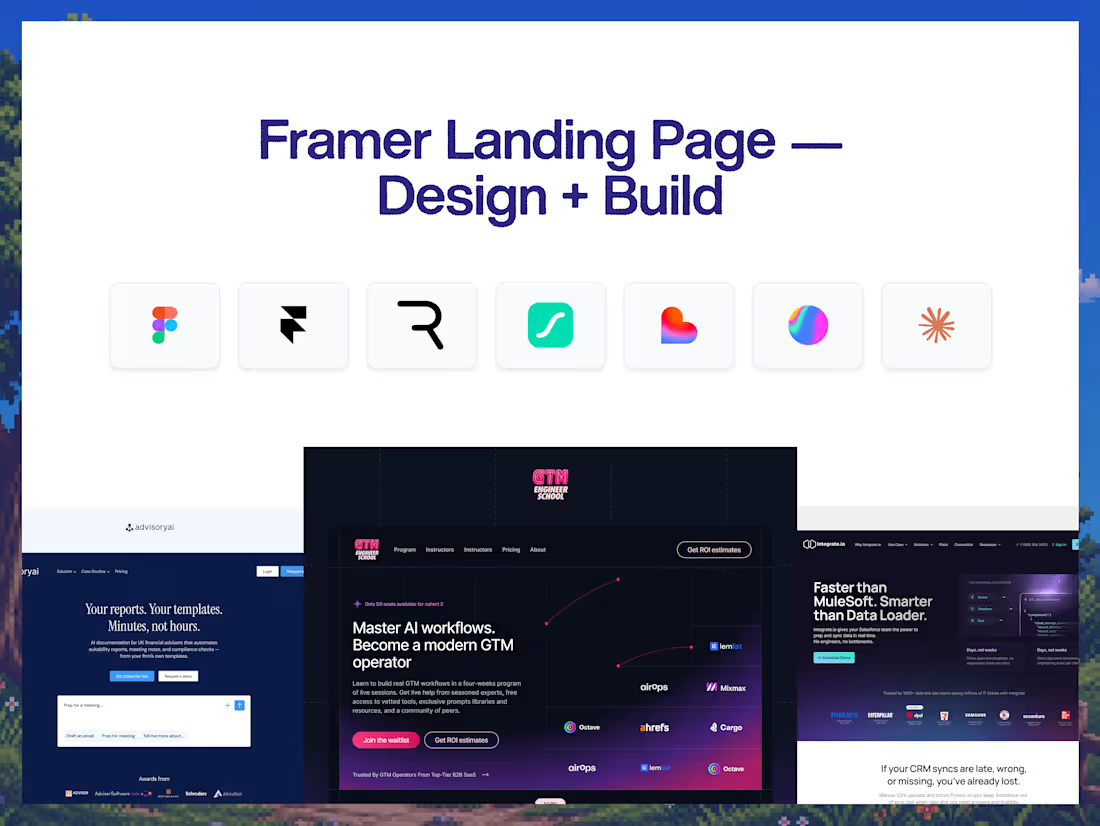
Most landing pages don't fail because they look bad. They fail because the design, messaging, and development aren't working toward the same goal.
The layout looks polished, but the hierarchy is unclear. The CTA gets lost. Mobile feels like an afterthought. The final Framer build doesn't quite match the original design.
This engagement brings the entire process together.
I design the landing page in Figma and build it in Framer, so the strategy behind the design carries directly into the final website.
One process. One person. One polished landing page.
Two weeks from discovery to launch.
Why this engagement model exists
A landing page has one job: move the right person toward an action.
That means the design needs to do more than look good. The structure, messaging hierarchy, visual direction, interactions, and CTA all need to work together.
I handle both the design and development, which means I can make design decisions with the final Framer experience in mind from the beginning.
No designer-to-developer handoff.
No rebuilding a Figma design from scratch.
No losing the details between design and development.
The result is a landing page that's designed to communicate clearly and built to perform in the real world.
Who this is for
Startups launching a new product or service. Founders validating an idea. SaaS companies launching a new feature. Agencies and businesses running a campaign. Personal brands and consultants who need a focused website to convert visitors.
It's for teams that need a strong landing page quickly without committing to a full multi-page website.
Not for: large multi-page websites, complex web applications, or e-commerce experiences. Those projects are better suited to the Framer Website Design + Development engagement.
What you walk away with
A strategic discovery: your audience, offer, positioning, conversion goal, key messaging, and desired user action.
A complete high-fidelity landing page design in Figma, including layout, typography, visual direction, responsive behavior, and interaction direction.
A reusable design system for the landing page: typography, colors, buttons, cards, sections, spacing, and components.
A production-ready Framer build, responsive across desktop, tablet, and mobile.
Custom interactions and animations designed to support the experience rather than distract from it.
CMS setup where required for simple dynamic content.
SEO foundation: page title, meta description, semantic structure, Open Graph settings, sitemap, and robots.txt.
Performance optimization: properly sized images, optimized assets, font tuning, and efficient components.
Integrations: forms, analytics, CRM, scheduling, chat, newsletter tools, or other required integrations.
Full ownership: Framer project access, editable components, and everything you need to manage the landing page after handoff.
Post-launch support for final fixes and adjustments.
How it ships
Days 1–2: Strategy & direction — Discovery, offer, audience, conversion goal, content hierarchy, references, and landing page structure.
Days 3–5: Figma design — Wireframe direction, visual design, typography, colors, sections, responsive layouts, and interaction direction.
Days 6–9: Framer build — Production development, responsive implementation, components, animations, forms, integrations, and content implementation.
Days 10–12: Refinement & testing — Responsive testing, visual refinement, performance optimization, SEO setup, and final QA.
Days 13–14: Launch & handoff — Final revisions, publishing, domain connection, handoff, and post-launch support.
Typical turnaround: 2 -3 weeks.
FAQs
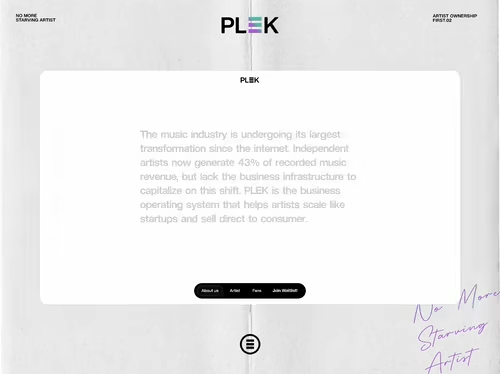
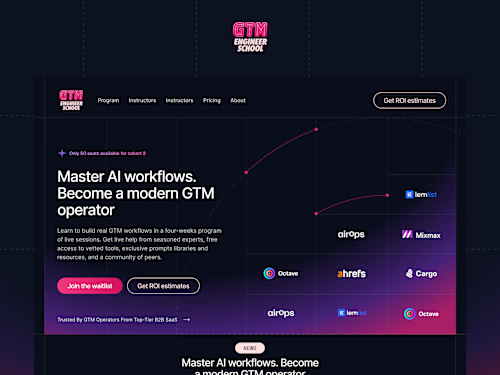
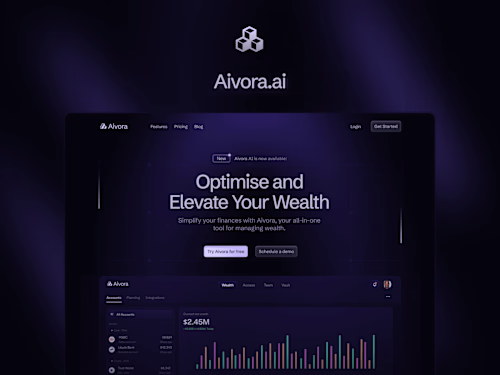
Example work
Eaxi's other services
Starting at$1,199
Duration2 weeks
Tags
Figma

Framer

Framer Designer
Framer Developer
Web Designer
Web Developer
Service provided by
Eaxi Agu proNigeria
- $25k+
- Earned
- 9
- Paid projects
- 5.00
- Rating
- 32
- Followers
Framer Landing Page — Design + BuildEaxi Agu
Starting at$1,199
Duration2 weeks
Tags
Figma
Framer
Framer Designer
Framer Developer
Web Designer
Web Developer
Most landing pages don't fail because they look bad. They fail because the design, messaging, and development aren't working toward the same goal.
The layout looks polished, but the hierarchy is unclear. The CTA gets lost. Mobile feels like an afterthought. The final Framer build doesn't quite match the original design.
This engagement brings the entire process together.
I design the landing page in Figma and build it in Framer, so the strategy behind the design carries directly into the final website.
One process. One person. One polished landing page.
Two weeks from discovery to launch.
Why this engagement model exists
A landing page has one job: move the right person toward an action.
That means the design needs to do more than look good. The structure, messaging hierarchy, visual direction, interactions, and CTA all need to work together.
I handle both the design and development, which means I can make design decisions with the final Framer experience in mind from the beginning.
No designer-to-developer handoff.
No rebuilding a Figma design from scratch.
No losing the details between design and development.
The result is a landing page that's designed to communicate clearly and built to perform in the real world.
Who this is for
Startups launching a new product or service. Founders validating an idea. SaaS companies launching a new feature. Agencies and businesses running a campaign. Personal brands and consultants who need a focused website to convert visitors.
It's for teams that need a strong landing page quickly without committing to a full multi-page website.
Not for: large multi-page websites, complex web applications, or e-commerce experiences. Those projects are better suited to the Framer Website Design + Development engagement.
What you walk away with
A strategic discovery: your audience, offer, positioning, conversion goal, key messaging, and desired user action.
A complete high-fidelity landing page design in Figma, including layout, typography, visual direction, responsive behavior, and interaction direction.
A reusable design system for the landing page: typography, colors, buttons, cards, sections, spacing, and components.
A production-ready Framer build, responsive across desktop, tablet, and mobile.
Custom interactions and animations designed to support the experience rather than distract from it.
CMS setup where required for simple dynamic content.
SEO foundation: page title, meta description, semantic structure, Open Graph settings, sitemap, and robots.txt.
Performance optimization: properly sized images, optimized assets, font tuning, and efficient components.
Integrations: forms, analytics, CRM, scheduling, chat, newsletter tools, or other required integrations.
Full ownership: Framer project access, editable components, and everything you need to manage the landing page after handoff.
Post-launch support for final fixes and adjustments.
How it ships
Days 1–2: Strategy & direction — Discovery, offer, audience, conversion goal, content hierarchy, references, and landing page structure.
Days 3–5: Figma design — Wireframe direction, visual design, typography, colors, sections, responsive layouts, and interaction direction.
Days 6–9: Framer build — Production development, responsive implementation, components, animations, forms, integrations, and content implementation.
Days 10–12: Refinement & testing — Responsive testing, visual refinement, performance optimization, SEO setup, and final QA.
Days 13–14: Launch & handoff — Final revisions, publishing, domain connection, handoff, and post-launch support.
Typical turnaround: 2 -3 weeks.
FAQs
Example work
Eaxi's other services
$1,199